




Latest posts
Magazine


Micronutrients for Parkinson’s: What can they do?
Parkinson's is a brain-nerve disease in which nerve cells in a region of the brain, the substantia nigra, die.
The cause of Parkinson's is not well understood. It is known that deposits of the protein alpha-synuclein occur, which appears to be responsible for the death of nerve cells. However, it is not clear why these deposits occur.
The nerve cells that die in Parkinson's disease are important dopamine suppliers. This leads to a lack of dopamine, which causes the Parkinson's symptoms. These include tremor (shaking hands and later feet), rigidity (stiff muscles), bradykinesia (slow movements) and postural instability (disturbed, hunched posture).
Parkinson's is traditionally treated with the active ingredient L-Dopa. This is a precursor of dopamine from which the body can produce dopamine. This can alleviate most of the symptoms.
Physiotherapy is also prescribed as standard to maintain mobility for longer and counteract movement disorders.
Micronutrients can also support therapy.
Coenzyme Q10
Coenzyme Q10 is an important antioxidant that the body can produce itself. However, production decreases significantly with age. Coenzyme Q10 is also needed for energy production in the power plants of our cells, the mitochondria.
Dysfunctions in the mitochondria are suspected of contributing to Parkinson’s disease.
Initial studies suggest that taking coenzyme Q10 can slow the progression of the disease. However, the study results are not clear. [1]
Omega-3 fatty acids
Inflammation can damage nerve cells and inflammation in the brain is suspected of promoting Parkinson's disease.
The omega-3 fatty acids EPA and DHA have an anti-inflammatory effect and also have a nerve-protecting effect.
Initial studies suggest that taking omega-3 fatty acids may slow the progression of Parkinson's disease. [2] However, further studies are needed to confirm this.
Vitamin D
Parkinson's patients are more likely to suffer from vitamin D deficiency than healthy people. [3] Conversely, high vitamin D levels appear to protect against Parkinson's.
Unfortunately, the research on vitamin D in Parkinson's disease is not entirely clear. However, in one study, taking vitamin D was able to slow the progression of the disease.
Regardless of whether vitamin D can influence the course of the disease, people with Parkinson's should ensure they have a good supply of vitamin D. This is because vitamin D has many important functions in the body and also strengthens the bones. This is very important given the high risk of falls in Parkinson's. In addition, vitamin D deficiency is widespread and older people are at particularly high risk.
B vitamins
L-Dopa can inhibit the absorption of B vitamins and thus increase homocysteine levels. Homocysteine is a toxic metabolic product that requires B vitamins to break down.
Homocysteine can damage nerve cells and elevated levels are suspected of causing movement disorders in Parkinson's disease. Parkinson's patients should therefore ensure they have a good supply of B vitamins, especially vitamin B6, folic acid (vitamin B9) and vitamin B12.
Caution: The intake of vitamin B6 should be limited to 5 mg, as higher doses can reduce the effect of L-dopa.
Antioxidants
Oxidative stress is suspected to promote Parkinson's disease. [4] People with Parkinson's disease have significantly higher markers for oxidative stress than healthy people. It is known that oxidative stress can damage nerve cells and it is suspected that oxidative stress contributes to the death of nerve cells in Parkinson's disease.
The level of glutathione, an important antioxidant produced by the body, is also reduced in Parkinson's patients. Conversely, people who consume plenty of antioxidants, such as vitamin C , vitamin E and carotenoids, have a lower risk of developing Parkinson's. [5] [6]
Polyphenols
Polyphenols are secondary plant substances that have antioxidant and nerve-protective properties. In addition, they also appear to be able to counteract deposits of the protein alpha-synuclein. These deposits in the brain region affected by Parkinson's disease are thought to be responsible for the death of nerve cells.
In the Petri dish, the polyphenols resveratrol, curcumin and epigallocatechin gallate (EGCG, from green tea) can prevent alpha-synuclein from clumping. [7] Unfortunately, there are no studies on humans yet, but since polyphenols have a positive effect on the body in many ways, they are definitely worth a try. Grape seed extract (OPC) and grapefruit seed extract also contain many valuable polyphenols.
Conclusion: Essential micronutrients should not be missing in Parkinson’s disease
Micronutrients can help counteract oxidative stress and inflammation, which appear to play an important role in the development of Parkinson's. Parkinson's patients should also ensure they have a good supply of B vitamins to prevent nerve damage caused by elevated homocysteine.
WE HAVE GOT YOU A 5% VOUCHER FOR OUR
Vitamin B complex, Vitamin B complex forte , Omega 3 , Vitamin D3 , organic grapefruit extract , OPC Premium , Vitamin C , turmeric and coenzyme Q10
PROVIDED AND HOPE TO BRING YOU JOY WITH IT.
SIMPLY COPY THE FOLLOWING COUPON CODE
AND ENTER IT AT CHECKOUT:
ZELLEN+V5
To the products
[1] https://pubmed.ncbi.nlm.nih.gov/26553164/
[2] https://pubmed.ncbi.nlm.nih.gov/28342967/
[3] https://www.ncbi.nlm.nih.gov/pmc/articles/PMC3091074/
[4] https://www.ncbi.nlm.nih.gov/pubmed/26217195
[5] https://pubmed.ncbi.nlm.nih.gov/28386384/
[6] https://www.ncbi.nlm.nih.gov/pmc/articles/PMC2399571/
[7] https://www.ncbi.nlm.nih.gov/pmc/articles/PMC6022479/

Relieve menstrual pain with micronutrients?
Menstrual pain occurs when the muscles of the uterus contract to shed the uterine lining. This can cause painful abdominal cramps and back pain.
Certain messenger substances, so-called prostaglandins, cause the uterine muscles to contract. A high release of prostaglandins can intensify painful cramps.
Lifestyle also seems to play a role in the development of menstrual pain: risk factors include an unhealthy diet with a lot of sugar and little fruit, vegetables and fish. Caffeine, smoking and little physical activity are also associated with severe menstrual pain.
However, menstrual pain can also have organic causes. Examples include endometriosis, a disease in which tissue similar to the uterine lining is found outside the uterus. Or growths in the uterus, so-called myomas.
Painkillers from the group of non-steroidal anti-rheumatic drugs (NSAIDs) are usually used to relieve menstrual pain.
Many women also take the contraceptive pill to relieve menstrual cramps. The pill inhibits the release of prostaglandins, which are responsible for the painful cramps.
Micronutrients can also help relieve menstrual pain.
Vitamin B1
In high doses, vitamin B1 has a pain-relieving effect. Vitamin B1 is important for the transmission of nerve signals.
In one study, menstrual pain was significantly reduced after taking high doses of vitamin B1 compared to a placebo. [1]
Magnesium
Magnesium is important for relaxing muscles and has an antispasmodic effect.
In one study, taking magnesium was able to relieve menstrual pain. The women took magnesium seven days before their period until the third day of their period. [2]
Omega-3 fatty acids
Pain is often caused by inflammation. Omega-3 fatty acids have an anti-inflammatory effect and can thus counteract pain, including menstrual pain.
In one study, omega-3 fatty acids in combination with vitamin E significantly reduced menstrual pain compared to a placebo. [3]
Ginger
Ginger has a pain-relieving effect by reducing inflammatory messengers. The root has also been traditionally used for a long time to treat nausea.
In studies, taking ginger powder can relieve menstrual pain and nausea. The pain-relieving effect appears to be comparable to painkillers such as paracetamol and ibuprofen. [4]
zinc
Zinc is known for its anti-inflammatory effect. In addition, zinc can also inhibit the formation of cramp-promoting messenger substances, the so-called prostaglandins. In this way, zinc can also promote blood flow to the uterine muscles and presumably relieve pain.
In case studies, zinc supplementation has been shown to relieve menstrual pain. [5]
Vitamin D
Vitamin D has an anti-inflammatory effect and can also inhibit the formation of pain-causing substances. These properties can be used to help with menstrual cramps.
Vitamin D deficiency is widespread in Germany. According to a study by the Robert Koch Institute, over 50% of the population is not adequately supplied with vitamin D. [6] Women with menstrual problems seem to be particularly frequently affected by vitamin D deficiency.
In one study, taking vitamin D was able to relieve menstrual pain. [7] In any case, it is important to compensate for a vitamin D deficiency.
Conclusion: Micronutrients can counteract menstrual pain
Micronutrients can have antispasmodic, anti-inflammatory and circulation-stimulating effects and can thus counteract menstrual pain. First and foremost, women with menstrual pain should ensure they have a good supply of these nutrients. They are essential and should not be missing. However, some nutrients, such as vitamin B1, only have a pain-relieving effect in high doses.
WE HAVE GOT YOU A 5% VOUCHER FOR OUR
Vitamin B Complex, Vitamin B Complex Forte , Zinc , Omega 3 ,Magnesium and Vitamin D3
PROVIDED AND HOPE TO BRING YOU JOY WITH IT.
SIMPLY COPY THE FOLLOWING COUPON CODE
AND ENTER IT AT CHECKOUT:
FRAU+V5
To the products
[1] https://pubmed.ncbi.nlm.nih.gov/25363099/
[2] https://pubmed.ncbi.nlm.nih.gov/2349410/
[3] https://pubmed.ncbi.nlm.nih.gov/8623866/
[4] https://www.ncbi.nlm.nih.gov/pmc/articles/PMC4871956/
[5] https://pubmed.ncbi.nlm.nih.gov/17289285/
[6] https://www.rki.de/SharedDocs/FAQ/Vitamin_D/Vitamin_D_FAQ-Liste.html
[7] https://www.sciencedirect.com/science/article/pii/S1028455917303030?via%3Dihub
Improve insulin resistance naturally: nutrition and nutrients
Insulin resistance is a widespread disease. It is the cause of many diseases, primarily type 2 diabetes . According to data from 2019, around 15.3% of adult Germans have diabetes. [1] But this is just the tip of the iceberg. Insulin resistance develops over many years. This means that an incredible number of adults have subthreshold insulin resistance - in most cases it is not even diagnosed.
But what is insulin resistance anyway? You probably know insulin as a hormone that lowers blood sugar. But insulin does a lot more than that. For example, it is also a fat storage hormone.
Insulin resistance means that cells no longer respond as well to insulin. Since high blood sugar is harmful, the pancreas secretes more insulin. This forces the cells to absorb sugar from the blood. However, increased insulin levels increase insulin resistance. It is a vicious cycle that leads to insulin levels rising and insulin resistance increasing. Since the pancreas' capacity to produce insulin is limited, it eventually reaches the point where it no longer produces enough insulin to adequately control blood sugar levels. This then leads to type 2 diabetes.
But even without diabetes, the risk of many diseases is already increased, such as cardiovascular diseases, dementia, autoimmune diseases and cancer.
In order to improve insulin resistance, a change in lifestyle is necessary. Eating habits in particular play a crucial role. But restful sleep and exercise can also have a positive effect on insulin resistance.
In addition, certain plant substances and nutrients can also influence insulin resistance.
Antioxidants: curcumin, OPC, astaxanthin and grapefruit seed extract
Oxidative stress and the resulting inflammation can promote insulin resistance. Conversely, insulin resistance also causes inflammation. It is a typical chicken-and-egg problem: insulin resistance and chronic inflammation go hand in hand and are mutually dependent. It is difficult to say which of the two is the cause and which is the consequence. [2]
Studies suggest that curcumin can lower blood sugar. This appears to be due to the fact that the active ingredient regulates insulin resistance, which allows cells to better absorb sugar from the blood. In a study on patients with prediabetes, subjects who took a curcumin preparation for 9 months had a significantly lower risk of developing diabetes than the control group. [3]
Grapefruit seed extract also appears to be able to improve insulin resistance. Researchers suspect that this is due to the fact that the naringenin it contains can lower potentially harmful LDL cholesterol. [4]
The research on OPC is still quite thin, but some studies suggest that OPC can improve cholesterol levels and insulin resistance. [5]
Astaxanthin is one of the most powerful antioxidants available and also has anti-inflammatory effects. Astaxanthin is also said to be able to improve insulin resistance. In a study with type 2 diabetics, the subjects showed improved blood lipid and cholesterol levels, as well as lower blood pressure and a lower body fat percentage after taking astaxanthin. This was probably due to improved insulin resistance. [6]
Vitamin D
Type 2 diabetes is strongly associated with vitamin D deficiency . And the degree of insulin resistance also correlates with the extent of the deficiency. [7]
Conversely, vitamin D supplementation appears to improve insulin resistance. This is suggested by a review of women with polycystic ovary syndrome. [8]
L-Carnitine
L-carnitine is needed to transport fatty acids into the mitochondria, the powerhouses of our cells. In this way, it can probably lower blood lipid levels, so-called triglycerides. Elevated triglycerides are a typical sign of insulin resistance. But L-carnitine also seems to be able to improve other symptoms of insulin resistance. According to a large meta-analysis, L-carnitine could improve cholesterol levels, lower fasting blood sugar and inflammatory markers, and have a positive effect on markers for insulin resistance (HOMA-IR). [9]
This may explain why L-carnitine deficiency appears to increase the risk of type 2 diabetes.
Conclusion: Antioxidants can support the treatment of insulin resistance
Diet plays an important role in the development and treatment of insulin resistance. Nutrients in the diet can also influence insulin resistance. Certain deficiencies promote insulin resistance. Antioxidants appear to be beneficial in insulin resistance due to their anti-inflammatory effects.
WE HAVE GOT YOU A 5% VOUCHER FOR OUR
Turmeric , Premium OPC , Astaxanthin , Grapefruit Seed Extract , L-Carnitine and Vitamin D3
PROVIDED AND HOPE TO BRING YOU JOY WITH IT.
SIMPLY COPY THE FOLLOWING COUPON CODE
AND ENTER IT AT CHECKOUT:
INSULIN+V5
To the products
[1] https://www.idf.org/index.php?option=com_attachments&task=download&id=2106:WDD2019-Regional-PR-Germany_Final_IDF
[2] https://www.ahajournals.org/doi/10.1161/CIRCRESAHA.119.315896
[3] https://pubmed.ncbi.nlm.nih.gov/22773702/
[4] https://pubmed.ncbi.nlm.nih.gov/19592617/
[5] https://www.ncbi.nlm.nih.gov/pmc/articles/PMC3972396/
[6] https://apjcn.nhri.org.tw/server/APJCN/27/2/341.pdf
[7] https://www.deutsche-apotheker-zeitung.de/daz-az/2012/daz-31-2012/diabetes-und-vitamin-d
[8] https://www.mdpi.com/2072-6643/10/11/1637
[9] https://pubmed.ncbi.nlm.nih.gov/28791854/

Gout: Can micronutrients lower uric acid levels?
Gout is characterized by elevated uric acid levels. This causes uric acid crystals to form and deposit in the joints. This leads to painful inflammation and increases the risk of arthritis, kidney disease and high blood pressure.
High uric acid levels occur when purines accumulate. These are broken down in the body into uric acid
Purines are formed when genetic material (DNA) that we ingest through food is broken down. Purines are found in many foods. Offal, fish, meat, legumes, nuts and seeds are very rich in purines. Eggs, dairy products, potatoes and some vegetables, such as carrots, peppers and tomatoes, are relatively low in purines.
If uric acid levels are high, there is a risk that crystals will form and settle in the joints, causing inflammation and pain.
Gout can be congenital. In the case of congenital kidney failure, uric acid is not excreted effectively enough in the urine. In addition, congenital enzyme defects can increase the formation of uric acid.
But gout usually develops over the course of a person's life. For example, in diabetes, the kidneys are often weakened, meaning that uric acid cannot be excreted as effectively. Some medications can also inhibit the excretion of uric acid.
Gout also regularly causes gout attacks, which manifest themselves as sudden, severe pain in the joints.
Diet plays an important role in gout. Excessive consumption of foods rich in purines can trigger a gout attack.
Temperatures also have an influence. Crystals form more easily in cold temperatures and gout attacks are more likely to occur as a result.
A change in diet plays a key role in the treatment of gout. Medications are also used to reduce inflammation and relieve pain. There are also uric acid-lowering agents that can alleviate symptoms in the long term.
Micronutrients can provide good support for gout therapy.
Vitamin C
Vitamin C increases the excretion of uric acid in the urine. Studies suggest that people with high vitamin C intake have lower uric acid levels. In addition, vitamin C intake appears to reduce the risk of gout. [1]
However, there are no studies yet that have examined whether vitamin C can help with a gout attack.
potassium
Potassium can also increase the excretion of uric acid. [2] Potassium can also improve the solubility of uric acid, which is why the mineral is believed to facilitate the dissolution of kidney stones.
Curcumin
Turmeric is a tried and tested medicinal plant. The active ingredient curcumin is responsible for its effect.
Curcumin affects uric acid levels in two ways: On the one hand, it inhibits the formation of uric acid. On the other hand, it promotes its excretion. [3]
Since curcumin has antioxidant and anti-inflammatory properties, it can probably also protect the joints from damage.
magnesium
Approximately one third of uric acid is excreted in the stool. Since taking magnesium can have a mild laxative effect, it is assumed that magnesium promotes the excretion of uric acid in the stool. [4] Conversely, a high magnesium intake can lower uric acid levels under certain circumstances. However, the studies are not clear on this.
Even though magnesium supplementation for gout is poorly researched, magnesium can easily be deficient in food and a deficiency should be avoided.
zinc
Zinc counteracts oxidative stress, which can be caused by increased uric acid levels.
In addition, zinc appears to be able to protect against elevated uric acid levels. People with a high zinc intake have a lower risk of elevated uric acid levels. [5]
Omega-3 fatty acids
Omega-3 fatty acids have anti-inflammatory effects and can counteract inflammation caused by high uric acid levels.
Unfortunately, the use of omega-3 fatty acids in gout has not been well studied. However, it is known that they can help with inflammatory pain. [6] It is also difficult to meet omega-3 requirements through diet and deficiency is widespread.
Conclusion: Micronutrients can help lower uric acid levels
Micronutrients can effectively support the treatment of gout. For example, they can reduce the formation of uric acid or improve its excretion via the kidneys. They can also counteract inflammation caused by increased uric acid levels.
WE HAVE GOT YOU A 5% VOUCHER FOR OUR
Potassium, Magnesium, Turmeric , Vitamin C , Omega-3 , Zinc & Copper , Zinc
PROVIDED AND HOPE TO BRING YOU JOY WITH IT.
SIMPLY COPY THE FOLLOWING COUPON CODE
AND ENTER IT AT CHECKOUT:
GICHT+V5
To the products
[1] https://www.viktilabs.de/blogs/magazin/zink
[2] https://pubmed.ncbi.nlm.nih.gov/29605825/
[3] https://www.ncbi.nlm.nih.gov/pubmed/27124606
[4] https://pubmed.ncbi.nlm.nih.gov/26536119/
[5] https://pubmed.ncbi.nlm.nih.gov/29734733/
[6] https://www.ncbi.nlm.nih.gov/pmc/articles/PMC5775341/
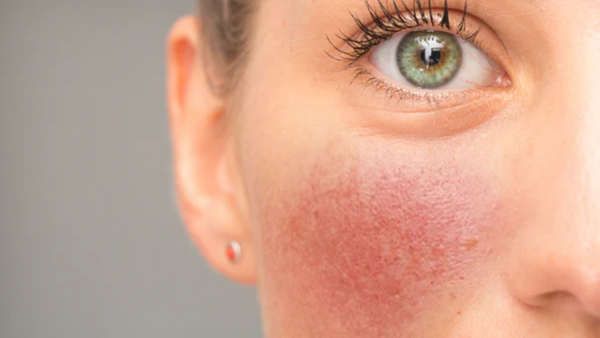
Treating Rosacea: Can Micronutrients Help?
Rosacea is an inflammatory skin disease. Veins dilate, causing the skin to appear red. Inflamed areas and red pustules appear.
Rosacea mainly affects the cheeks, chin and nose. However, rosacea can also affect the scalp, chest, neck and even the eyes.
The causes of rosacea are not well understood. However, there appears to be a genetic component, as rosacea tends to run in families.
It is believed that rosacea is caused by a dysregulation of the nerves, immune system and blood vessels. The skin is very easily irritated and factors such as sun, alcohol and stress seem to be able to intensify or trigger rosacea.
The Demodex mite is also suspected of causing rosacea. The mite occurs naturally in the skin and is particularly prevalent in rosacea patients.
Rosacea cannot be cured but is quite treatable. Treatment involves using skin creams with antibiotic and anti-inflammatory ingredients. The active ingredient permethrin works well against mites.
In addition, those affected should avoid triggers such as sun and skin irritants.
Diet also plays a role in rosacea. Patients should avoid spicy foods, alcohol and hot drinks, as these can dilate blood vessels and worsen rosacea. [1] Certain nutrients in the diet can support the treatment of rosacea, while deficiencies can promote it.
Micronutrient therapy can also be useful as an accompanying treatment.
IT'S WORTH READING!
AT THE END OF THE ARTICLE WE HAVE PROVIDED YOU A VOUCHER CODE.
zinc
Zinc has an anti-inflammatory and antioxidant effect and is important for wound healing. [2] A zinc deficiency promotes oxidative stress, which can inhibit wound healing.
Unfortunately, studies on zinc for rosacea have not yet shown clear results. However, it is clear that zinc is essential for skin health and can promote wound healing.
Vitamin C
The body needs vitamin C to produce collagen . Collagen is the most important hormone in connective tissue. In this way, vitamin C strengthens connective tissue and the skin barrier. Vitamin C can also promote wound healing.
Vitamin C is also needed to break down histamine. Histamine promotes inflammation and dilates blood vessels and can therefore contribute to rosacea.
Vitamin also helps protect the skin from oxidative stress. Studies have shown that people with rosacea have increased markers of oxidative stress.
Omega-3 fatty acids
The skin needs fatty acids, including omega-3 fatty acids .
The omega-3 fatty acids EPA and DHA are known for their anti-inflammatory effects. They can relieve itching and dryness in inflammatory skin conditions. [3]
Unfortunately, there are hardly any studies on omega-3 fatty acids for rosacea. However, in one study, EPA and DHA were able to relieve dry eyes in ocular rosacea. [4]
Gamma-linolenic acid
Gamma-linolenic acid is an omega-6 fatty acid. Omega-6 fatty acids are usually pro-inflammatory, but gamma-linolenic acid is an exception. It has an anti-inflammatory effect and also strengthens the skin barrier. [5]
The body can produce gamma-linolenic acid from linoleic acid. However, in some people this process does not work so well. A lack of omega-6 fatty acids in the skin can promote inflammation and neurodermatitis.
Although gamma-linolenic acid has not yet been studied in rosacea patients, the fatty acid can improve itching, skin redness and skin crusting.
B vitamins
B vitamins are needed for many metabolic processes and of course also for metabolic processes in the skin. B vitamins alone have not yet been studied in rosacea, but a study with vitamin B3, folic acid (vitamin B9), zinc and copper showed promising results.
Conclusion: Anti-inflammatory nutrients can support treatment
Anti-inflammatory nutrients such as omega-3 fatty acids, gamma-linolenic acid and zinc appear to have a positive effect on rosacea. B vitamins can also probably have a supportive effect, as they are important for skin metabolism.
WE HAVE GOT YOU A 5 % VOUCHER FOR OUR
Vitamin C , Vitamin B Complex , Vitamin B12 , Omega-3 , Zinc & Copper , Zinc
PROVIDED AND HOPE TO BRING YOU JOY WITH IT.
SIMPLY COPY THE FOLLOWING COUPON CODE
AND ENTER IT AT CHECKOUT:
ROSA+V5
To the products
[1] https://pubmed.ncbi.nlm.nih.gov/29214107/
[2] https://www.ncbi.nlm.nih.gov/pmc/articles/PMC5793244/
[3] https://pubmed.ncbi.nlm.nih.gov/18241260/
[4] https://pubmed.ncbi.nlm.nih.gov/27050028/
[5] https://pubmed.ncbi.nlm.nih.gov/10617999/

Amino acid methionine: detoxification, gene regulation & prevention of cystitis
You may know that amino acids serve as building blocks for the body's own proteins (also called protein). Methionine is also an essential component of proteins. But methionine also has many other interesting functions.
Methionine is an essential amino acid
First of all, it is important to mention that methionine is one of the essential amino acids . This means that our body cannot produce it itself and we have to consume it in sufficient quantities through food. With non-essential amino acids, it is not quite as critical that we consume enough. Because the body can produce them itself from essential amino acids if necessary. For example, the non-essential amino acid cysteine can be formed from methionine. But here too, it is important that sufficient protein is consumed through food.
IT'S WORTH READING!
AT THE END OF THE ARTICLE WE HAVE PROVIDED YOU A VOUCHER CODE.
Occurrence in food
Methionine is found in protein-rich foods. Particularly good sources are fish, beef, cheese and nuts.
Functions of methionine in the body
Methionine performs many functions in the body:
Methionine can bind heavy metals and thus support detoxification . [1]
Methionine serves as a methyl group donor . [2] Methyl groups are required for many processes in the body. For example, neurotransmitters in the brain such as serotonin, adrenaline and acetylcholine are activated by methylation. Genes are also regulated by methylation.
Serves as a building block for S-adenosyl-methionine (SAM) . SAM has analgesic, anti-inflammatory and antidepressant effects. It is used in the treatment of depression. [3]
Is converted into the amino acids cysteine and taurine
Acidifies urine : Excess methionine is excreted in the urine, making the urine acidic. This can inhibit bacterial growth and thus prevent urinary tract infections. [4]
Can increase histamine levels [5]
Is needed for the formation of glutathione . Glutathione is an important detoxification molecule in the body that also has antioxidant properties. [6]
Conclusion: Methionine is very versatile
Methionine is not only an important protein building block, it also fulfils many functions in the body. It is essential for gene regulation, has important functions in detoxification and serves as a precursor for other amino acids.
The need for methionine can be easily met as long as sufficient protein is consumed. Methionine can easily be lacking in a low-protein diet.
WE HAVE GOT YOU A 5 % VOUCHER FOR OUR
Amino-8
PROVIDED AND HOPE TO BRING YOU JOY WITH IT.
SIMPLY COPY THE FOLLOWING COUPON CODE
AND ENTER IT AT CHECKOUT:
AMINO+V5
To the product
[1] https://pubmed.ncbi.nlm.nih.gov/3824386/
[2] https://www.ncbi.nlm.nih.gov/pmc/articles/PMC6471069/
[3] https://www.ncbi.nlm.nih.gov/pmc/articles/PMC6457972/
[4] https://pubmed.ncbi.nlm.nih.gov/9446004/
[5] https://pubmed.ncbi.nlm.nih.gov/6199134/
[6] https://www.ncbi.nlm.nih.gov/pmc/articles/PMC4814737/

Increase serotonin: 4 proven measures
Serotonin is an important neurotransmitter, also known as the happiness hormone or “good mood maker.” Serotonin ensures inner satisfaction and balance.
But serotonin has many other functions. It also regulates appetite, is important for the cardiovascular system and even influences intraocular pressure.
A serotonin deficiency leads to listlessness, depression and other psychological problems such as burnout . [1] For this reason, serotonin reuptake inhibitors (SSRIs) are often used to treat mental illnesses, as they ensure that serotonin lasts longer. But serotonin can also be increased naturally.
Below we present 4 measures with which you can stimulate your body's own serotonin production.
IT'S WORTH READING!
AT THE END OF THE ARTICLE WE HAVE PROVIDED YOU A VOUCHER CODE.
1) Tryptophan as a building block for serotonin
The amino acid tryptophan serves as a building block for the production of serotonin. Without tryptophan, the body cannot produce serotonin.
The best sources of tryptophan include eggs, fish, poultry, dairy products, nuts and seeds. However, tryptophan is one of the rarest amino acids. This means that tryptophan is easily lacking in a low-protein diet.
And there's another problem that makes serotonin production from tryptophan difficult: serotonin is made in the brain. This means that tryptophan must be absorbed into the brain in order to be converted into serotonin. Unfortunately, tryptophan competes with other amino acids for absorption into the brain. [2]
If you have a serotonin deficiency, it can be a good idea to take tryptophan separately from other amino acids, i.e. between meals. Since tryptophan is always found in food together with other amino acids, this is only possible if you take tryptophan in the form of a supplement.
2) Other micronutrients for serotonin synthesis
In order to produce serotonin, the body needs a number of other nutrients in addition to tryptophan.
First, tryptophan must be converted into 5-hydroxytryptophan (5-HTP). To do this, the body needs zinc , B vitamins (vitamin B3, vitamin B6 and folic acid) and magnesium . Vitamin D is also involved in this process.
In a further step, 5-HTP is converted into serotonin. This again involves the use of B vitamins (vitamin B5, vitamin B6, folic acid, vitamin B12 , biotin), zinc, vitamin C and α-lipoic acid. [3]
Omega-3 should not be neglected either, because the omega-3 fatty acid DHA is important for the activity of serotonin. [4]
If just one of these nutrients is missing, the body cannot produce serotonin. This is one of the reasons why a healthy, nutrient-rich diet is so important for mental health.
Deficiencies in vitamin D, magnesium and omega-3 fatty acids are particularly common. A lack of these nutrients can also lead to psychological problems such as depression and burnout. Now you understand why.
3) Importance of intestinal health
Interestingly, much of the serotonin is produced in the gut, not the brain. Beneficial gut bacteria can produce significant amounts of serotonin. Although this serotonin cannot cross the blood-brain barrier, it still influences the brain and our mood through the gut-brain axis. [5]
Intestinal bacteria live off what we eat: another mechanism by which nutrition influences our psyche.
4) Exercise as a serotonin booster
You are certainly familiar with the feeling of happiness that many people feel when exercising and shortly after exercising. This feeling can encourage you to exercise, because even if you don't feel like it, you know that you will feel better afterwards. And exercise can even become an addiction.
Did you know that serotonin is responsible for this?
As you may remember, tryptophan is not easily absorbed into the brain. This is because tryptophan is rare and competes with other amino acids for absorption into the brain. However, exercise can promote absorption. During exercise, active muscles absorb more amino acids, especially the branched-chain amino acids (BCAAs) leucine, isoleucine and valine. Exercise eliminates the competition, so to speak, and tryptophan gets into the brain more easily. [6]
Conclusion: You can influence serotonin production
Serotonin is an important messenger substance that is essential for our mental health. Serotonin production can be stimulated with simple measures. It is crucial to ensure a good supply of nutrients that the body needs for serotonin production. Exercise and a healthy gut are also important.
WE HAVE YOU 5 % VOUCHER FOR OUR
Vitamin C , Vitamin B complex , Vitamin B12 ,Magnesium , L-tryptophan, Vitamin D liquid , Vitamin D capsules , Omega-3 and zinc
PROVIDED AND HOPE TO BRING YOU JOY WITH IT.
SIMPLY COPY THE FOLLOWING COUPON CODE
AND ENTER IT AT CHECKOUT:
SEROTONIN+V5
To the products
[1] https://www.bmj.com/content/350/bmj.h1771
[2] https://pubmed.ncbi.nlm.nih.gov/25572038/
[3] https://pubmed.ncbi.nlm.nih.gov/15479988/
[4] https://pubmed.ncbi.nlm.nih.gov/25713056/
[5] https://www.frontiersin.org/articles/10.3389/fnins.2019.01365/full
[6] https://pubmed.ncbi.nlm.nih.gov/2413941/

Burnout syndrome: Can micronutrients support treatment?
Burnout syndrome describes a state of emotional, mental and physical exhaustion. Burnout means something like burned out.
Burnout syndrome occurs as a result of a permanently high workload over a long period of time. Too much stress and high pressure to perform and meet deadlines also contribute to the development of burnout syndrome. It is often accompanied by anxiety, depression and sleep disorders .
People with burnout syndrome no longer feel able to cope with daily challenges and their work performance drops significantly. In severe cases, those affected are no longer able to work.
Relaxation techniques such as yoga, meditation and autogenic training play an important role in the treatment of burnout syndrome. It is also crucial to identify stress factors in everyday life and, if possible, eliminate or reduce them.
Burnout syndrome is usually only treated with medication if other symptoms such as anxiety and depression occur.
Micronutrients can help with burnout syndrome. High levels of stress can increase the need for certain nutrients. Many nutrients are also involved in energy production. In addition, nerve cells, which are particularly stressed during periods of high stress, require a number of essential nutrients.
IT'S WORTH READING!
AT THE END OF THE ARTICLE WE HAVE PROVIDED YOU A VOUCHER CODE.
B vitamins
B vitamins are also called nerve vitamins because they are essential for nerve function. They also have important functions in energy metabolism.
Vitamin B6 is involved in the production of many neurotransmitters that are important for mental health and stress management. These include the "happy hormones" dopamine and serotonin, as well as the "calming" neurotransmitter GABA and the stress hormone noradrenaline. [1]
Some studies suggest that taking B vitamins can have a positive effect on stress and mental health problems. [2]
Omega-3 fatty acids
There seems to be a connection between a lack of omega-3 fatty acids and psychological problems such as depression and mood swings. There is also evidence from studies that omega-3 fatty acids could help with depression. [3] [4]
Omega-3 fatty acids are an important component of cell membranes and therefore also of nerve cells. Omega-3 fatty acids also have an anti-inflammatory effect and can counteract chronic inflammation, which is suspected of being involved in the development of psychological problems.
Tryptophan
Tryptophan serves as a building block for the happiness hormone serotonin. This neurotransmitter is important for inner satisfaction and balance. Depression is often caused by an imbalance in the serotonin balance. Serotonin reuptake inhibitors (SSRIs) are therefore used to treat depression, which ensure that serotonin has a longer effect.
Studies suggest that serotonin acts similarly to SSRIs and can have a positive effect on mood. [5]
Taurine
The amino acid taurine is important for nerve cells and has an important protective function for nerve cells as it has anti-inflammatory and antioxidant properties. Taurine also has an inhibitory and calming effect on the nervous system. [6]
magnesium
Magnesium is a mineral that is involved in an incredible number of processes in the cell. These processes can also influence mood and play an important role in the stress response. Magnesium can also inhibit the release of the stress hormones adrenaline and noradrenaline. Stress also increases the need for magnesium.
Some studies show that taking magnesium may help relieve anxiety and depression. [7]
Vitamin D
Strictly speaking, vitamin D is not a vitamin, but a hormone. The body can produce it itself with the help of sunlight.
There is a strong connection between a lack of vitamin D and depression. For this reason, depressive moods are particularly common in winter.
Taking vitamin D for mental health problems has produced mixed results so far. But some studies indicate that taking vitamin D can alleviate depressive moods. [8]
Antioxidants: Vitamin C, Vitamin E, Zinc, Selenium
Antioxidants protect nerve cells from free radicals.
Studies indicate that vitamin C has an antidepressant effect.
Vitamin E appears to specifically protect brain regions that play a role in the development of depression from oxidative stress.
Zinc can promote the survival of nerve cells. Studies have shown that zinc could help with mental health problems. [9]
There is evidence that selenium can relieve anxiety and fatigue. [10]
L-carnitine and coenzyme Q10
L-carnitine and coenzyme Q10 are needed to generate energy in the mitochondria, the power plants of our cells. Coenzyme Q10 is part of the electron transport chain that is used to generate energy in the mitochondria. L-carnitine is important for the transport of fatty acids into the mitochondria, from which the cell then generates energy.
In cases of burnout syndrome and chronic stress, a good energy supply is particularly important. [11]
Conclusion: A good supply of micronutrients plays an important role in burnout syndrome
A deficiency in certain vitamins, minerals, amino acids and essential fatty acids is associated with psychological problems and burnout. These nutrients are important for energy production and for the function of nerve cells. The body also needs many micronutrients for the stress response.
WE HAVE YOU 5 % VOUCHER FOR OUR
Vitamin C , Vitamin B Complex , Vitamin B Complex Forte , Vitamin B12 , Vitamin D liquid , Vitamin D capsules , Selenium drops, Selenium tablets , L-tryptophan , Taurine , Omega-3 , Zinc , L-carnitine and Coenzyme Q10
PROVIDED AND HOPE TO BRING YOU JOY WITH IT.
SIMPLY COPY THE FOLLOWING COUPON CODE
AND ENTER IT AT CHECKOUT:
ENERGIE+V5
To the products
[1] https://pubmed.ncbi.nlm.nih.gov/29685187/
[2] https://pubmed.ncbi.nlm.nih.gov/20454891/
[3] https://www.ncbi.nlm.nih.gov/pmc/articles/PMC5611753/
[4] https://pubmed.ncbi.nlm.nih.gov/25830700/
[5] https://www.ncbi.nlm.nih.gov/pmc/articles/PMC4728667/
[6] https://pubmed.ncbi.nlm.nih.gov/27938518/
[7] https://www.ncbi.nlm.nih.gov/pmc/articles/PMC5452159/
[8] https://pubmed.ncbi.nlm.nih.gov/26585952/
[9] https://pubmed.ncbi.nlm.nih.gov/29232566/
[10] https://pubmed.ncbi.nlm.nih.gov/1873372/
[11] https://pubmed.ncbi.nlm.nih.gov/23313551/
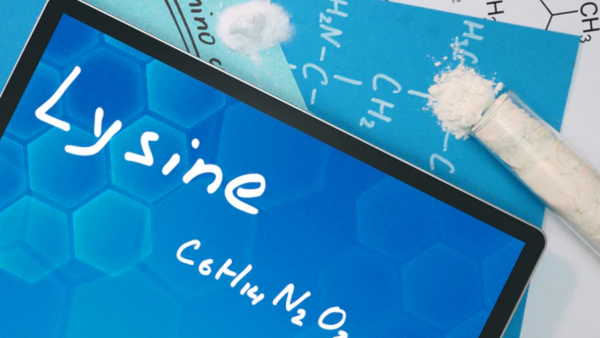
Lysine: Functions of the essential protein building block
Lysine is one of the essential amino acids that we must consume through food. It serves as a protein building block from which the body can produce protein. But lysine has other functions too. For example, it has an antiviral effect and is important for the immune system. More on this below.
IT'S WORTH READING!
AT THE END OF THE ARTICLE WE HAVE PROVIDED YOU A VOUCHER CODE.
Foods with lysine
Lysine is a component of protein and is therefore found in protein-rich foods. Meat, fish and eggs contain particularly high levels of lysine. But legumes such as soybeans are also a good source of lysine.
The following foods are good sources of lysine: [1]
Groceries
Lysine content in mg/100 g
Parmesan
3844
Chicken breast
3257
beef
3053
Salmon
2513
Soybeans
2344
Peanuts
Peanuts 926 [2]
Eggs
914 [3]
Lysine requirement
The daily lysine requirement has not been well researched. Scientists estimate that it is about 30 mg per kg of body weight. For a body weight of 80 kg, that would be 2400 mg. However, other scientists estimate the requirement to be slightly higher or lower.
Functions of lysine in the body
Building block of collagen
Lysine is a proteinogenic amino acid and a building block for the body's own proteins. It is therefore also a component of the most common protein in the body: collagen . Collagen is a connective tissue protein and is found in skin, bones, tendons, ligaments and cartilage.
Synthesis of L-carnitine
L-carnitine is an amino acid that does not serve as a protein building block. L-carnitine is needed to transport fatty acids to the power plants of our cells, the mitochondria. With the help of L-carnitine, the body can convert fat into available energy.
L-carnitine is found in food, mainly in meat. The body can also produce L-carnitine itself, from lysine and methionine. [4] It also requires B vitamins (vitamin B3 and vitamin 6), vitamin C and iron as cofactors.
Antiviral effect
Lysine has an antiviral effect, which has been well researched, especially with regard to herpes viruses. [5] Lysine is also important for the immune system.
Calcium absorption in the intestine
Lysine appears to be important for the absorption of calcium in the intestine. It is also thought that lysine can reduce the excretion of calcium in the urine. [6] Thus, it is probably indirectly important for bone health.
Symptoms of lysine deficiency
Typical symptoms of lysine deficiency include:
Increased susceptibility to infection
Disturbances in wound healing
Weight loss
Tiredness and exhaustion
Anemia
Mild irritability
However, these symptoms are non-specific. This means that they do not clearly indicate a lysine deficiency and can have many other causes.
The supply of lysine can also be measured in the blood. The normal value for lysine in blood serum is between 82 and 239 µmol/l.
Cover lysine needs
Lysine requirements can usually be met through diet. However, malnutrition or a low-protein diet can result in lysine and other essential amino acids being deficient. Taking essential amino acids can help meet the need for essential amino acids such as lysine.
Conclusion: Lysine has many functions in the body
Lysine is an essential nutrient that should not be neglected. The amino acid serves as a protein building block, but also has other functions. If you have a low-protein diet, it can be difficult to meet your lysine requirements.
WE HAVE YOU 5 % VOUCHER FOR OUR
Amino-8
PROVIDED AND HOPE TO BRING YOU JOY WITH IT.
SIMPLY COPY THE FOLLOWING COUPON CODE
AND ENTER IT AT CHECKOUT:
AMINO+V5
To the product
[1] https://nutritiondata.self.com/foods-000083000000000000000-w.html
[2] https://nutritiondata.self.com/facts/legumes-and-legume-products/4355/2
[3] https://nutritiondata.self.com/facts/dairy-and-egg-products/111/2
[4] https://pubmed.ncbi.nlm.nih.gov/18477325/
[5] https://pubmed.ncbi.nlm.nih.gov/30881246/
[6] https://pubmed.ncbi.nlm.nih.gov/1486246/


