




Latest posts
Magazine


Medicinal mushroom Cordyceps: More energy, concentration and potency?
Cordyceps ( Cordyceps sinensis ) is a medicinal mushroom, also known as Chinese caterpillar fungus. In China, it is valued primarily for its energizing effect. It is also considered a natural aphrodisiac.
Cordyceps is a parasitic fungus that attacks caterpillars. It occurs naturally in the high plateaus of the Himalayas.
However, Cordyceps is now grown on nutrient media without caterpillars. This is not only less disgusting, but also makes it much more affordable.
The effects of Cordyceps are currently being scientifically investigated.
Energy and concentration
In traditional Chinese medicine, Cordyceps has been used for many years to increase energy. The mushroom is said to make you feel more alert, fitter, more energetic and to be able to concentrate better.
In mice, Cordyceps can actually increase energy production (ATP) in cells. [1] However, this has yet to be confirmed in humans.
Blood circulation
Cordyceps is also said to be able to promote blood circulation. Studies suggest that the mushroom may have a vasodilating effect by relaxing the smooth muscles of the vessel walls. [2]
Antioxidant effect
In cell culture, Cordyceps can increase the activity of the superoxide dismutase (SOD) enzyme. [3] This is an endogenous enzyme that has a strong antioxidant effect by neutralizing free radicals. It remains to be shown to what extent this is relevant for humans.
Antidepressant effect
Cordyceps has a high tryptophan content. Tryptophan is an amino acid that serves as a building block for the production of the happiness hormone serotonin. This could be an explanation for the mood-enhancing and antidepressant effects that the mushroom is said to have.
Immune strengthening
In traditional Chinese medicine, Cordyceps is also said to have an immune-boosting effect .
In fact, there is evidence that Cordyceps may increase the activity of certain immune cells and the production of antibodies. [4]
detoxification
Cordyceps is also said to be able to stimulate detoxification via the liver and kidneys, presumably by protecting these organs from oxidative stress.
Testosterone increase
In China, Cordyceps is used as an aphrodisiac and sexual enhancer. Studies suggest that the medicinal mushroom could stimulate the testicles to produce testosterone. [5]
Buy Cordyceps
When it comes to medicinal mushrooms, you have to pay attention to quality. This applies to food supplements in general, of course, but especially here.
Wild cordyceps, for example, is often contaminated with bacteria. Heavy metal contamination is also a common problem. In addition, many products on the market either do not contain cordyceps or are heavily diluted.
That's why you should definitely pay attention to high quality. This also includes a good price-performance ratio. The cheapest product on the market most likely doesn't deliver what it promises.
Viktilabs focuses on the best quality and maximum purity. We avoid unnecessary additives, our products are laboratory tested and are developed in Germany.
To the premium Cordyceps medicinal mushroom capsules from Viktilabs.
WE HAVE GAVE YOU A 5% VOUCHER FOR OUR
PREMIUM CORDYCEPS MEDICINAL MUSHROOM CAPSULES
PROVIDED AND HOPE TO BRING YOU JOY WITH IT.
SIMPLY COPY THE FOLLOWING COUPON CODE
AND ENTER IT AT CHECKOUT:
CORDY+V5
[1] https://pubmed.ncbi.nlm.nih.gov/17386115/
[2] https://www.ncbi.nlm.nih.gov/pmc/articles/PMC3909570/
[3] https://pubmed.ncbi.nlm.nih.gov/16392009/
[4] https://www.tandfonline.com/doi/full/10.1080/08923970701812332
[5] https://www.sciencedirect.com/science/article/abs/pii/S0024320503005952?via%3Dihub

Reishi – the mushroom of immortality and eternal youth
Reishi ( Ganoderma lucidum), also known as the shiny lacquer polypore, is known in traditional Chinese medicine as the mushroom of immortality, eternal life and eternal youth. According to reports, it can even make age spots disappear.
Reishi is a tree fungus that grows on dead tree stumps. It is hard, woody and bitter. Reishi is therefore not an edible mushroom, but a purely medicinal mushroom.
Medicinal mushrooms are said to have many positive effects. They are said to strengthen the immune system, inhibit inflammation and improve the intestinal flora. The β-glucans, triterpenes and polyphenols contained in medicinal mushrooms are said to be responsible for this.
Many other effects of Reishi are being scientifically investigated.
Immune strengthening
Reishi may have an immune-boosting effect. In studies, Reishi was able to activate B cells. [1] B cells are important immune cells that are responsible for antibody production.
Effect on the cardiovascular system
Studies suggest that Reishi may have a positive effect on cardiovascular health. There is evidence that it may lower cholesterol , blood sugar, and blood pressure . [2] [3]
detoxification
In traditional Chinese medicine, Reishi is used to detoxify the liver. The bitter substances and triterpenes contained in Reishi are said to stimulate the production of bile acid. [4]
Calming and sleep-promoting effect
People in Asia like to drink Reishi tea to relax and sleep better. Reishi is said to calm the nerves.
Effect on the intestine
Reishi has many anti-inflammatory and antioxidant properties, which is why it may be useful for treating inflammatory bowel disease. [5]
Anti-allergenic effect
Reishi is rich in triterpenes, which may have an anti-allergenic effect. Studies suggest that triterpenes can reduce histamine release in mast cells. [6]
Complementary therapy for cancer
Reishi is said to be able to reduce the side effects of chemotherapy. There is also good evidence that the mushroom could improve the response to chemotherapy. This is currently being scientifically investigated. [7]
Promoting concentration
Reishi is said to have a stimulating effect and it is believed that it could also improve concentration. There are also some studies examining the effect of Reishi on depression - with very promising results. [8]
Buy Reishi
When it comes to medicinal mushrooms, it is extremely important to pay attention to good quality. This is of course generally true for food supplements, but when it comes to medicinal mushrooms, there are particularly many black sheep on the market. For example, a study has shown that 75% of Reishi products on the market are fake. [9] This means that they contain no Reishi at all or only very small amounts.
Anyone who buys from just any supplier is literally throwing their money out the window. It should also be clear that high-quality products have their price. So pay attention to a good price-performance ratio and transparency in the list of ingredients and origin.
Viktilabs focuses on the best quality and maximum purity. We avoid unnecessary additives, our products are laboratory tested and are developed in Germany.
To the premium Reishi medicinal mushroom extract from Viktilabs.
WE HAVE GOT YOU A 5% VOUCHER FOR OUR
PREMIUM REISHI VITAL MUSHROOM EXTRACT
PROVIDED AND HOPE TO BRING YOU JOY WITH IT.
SIMPLY COPY THE FOLLOWING COUPON CODE
AND ENTER IT AT CHECKOUT:
REISHI+V5
[1] https://pubmed.ncbi.nlm.nih.gov/12072151/
[2] https://pubmed.ncbi.nlm.nih.gov/28527898/
[3] https://pubmed.ncbi.nlm.nih.gov/31246442/
[4] https://pubmed.ncbi.nlm.nih.gov/30673679/
[5] https://pubmed.ncbi.nlm.nih.gov/30814921/
[6] https://pubmed.ncbi.nlm.nih.gov/24948193/
[7] https://pubmed.ncbi.nlm.nih.gov/22696372/
[8] https://jneuroinflammation.biomedcentral.com/articles/10.1186/s12974-017-0839-0
[9] https://www.nature.com/articles/s41598-017-06336-3

Bitter substances: Bitter is not funny, but it is healthy!
Bitter substances are known to be very healthy. They are said to stimulate digestion and fight cravings. They are even said to have a positive effect on the skin, intestinal flora and cholesterol levels.
Bitter substances occur naturally in many foods. For example, in cabbage, leafy vegetables, herbs and spices. Most medicinal plants are very rich in bitter substances.
Bitter substances are a diverse group of different substances that taste bitter. Flavonoids, terpenes, polyphenols, alkaloids and peptides can have a bitter taste. 1
However, our food contains less and less bitter substances. Since many people find bitter unpleasant, bitter substances have been bred out over the years. A few decades ago, chicory or endive, for example, tasted much more bitter than it does today.
The reason why we find bitter unpleasant is that poisonous plants usually taste bitter. For this reason, children in particular have a strong aversion to bitter substances.
Adults do not perceive bitter tastes as intensely as children. Moreover, you can get used to bitter tastes and learn to love them. The best examples are coffee, beer and red wine.
Bitter substances can stimulate digestion
Bitter substances promote the production of digestive juices and enzymes. This begins in the mouth. When bitter substances bind to certain receptors in the mouth, this stimulates the production of saliva. In the stomach, it promotes the production of gastric juice. 2
In a similar way, they also stimulate gallbladder and liver function. 3
For this reason, bitter substances are said to help against constipation, flatulence and a feeling of fullness.
There is also hope for inflammatory bowel diseases such as Crohn's disease. In one study, symptoms improved after taking bitter substances from wormwood root. 4 However, further research is needed here.
Bitter substances can curb appetite and counteract cravings
Bitter substances can stimulate the production of an appetite-regulating hormone called cholecystokinin. 5 The reason is that bitter substances are often toxic. The release of the hormone is intended to make us stop eating. This allows the body to concentrate on detoxifying the toxic substances.
That’s why bitter substances are said to be able to help with weight loss.
Consume bitter substances
Bitters are available in the form of drops, capsules, powder or tea.
If you want to avoid the bitter taste, you can take capsules. However, it is important to remember that the bitter substances cannot then bind to receptors in the mouth, which already stimulates the digestive process.
Bitter substances in the form of drops contain bitter substances in concentrated form. They are dripped directly onto the tongue and stimulate saliva production.
Bitter substances can be taken before or after eating. Before eating, they prepare the digestive tract for food intake. After eating, they are said to prevent feelings of fullness and flatulence.
When it comes to bitter substances, you should definitely pay attention to high quality and choose a preparation that does not contain any unnecessary additives.
The bitters drops from Viktilabs are free from sweeteners, preservatives, colorants, binding agents and allergens. They are manufactured in a German laboratory and tested for harmful substances. They contain a perfectly balanced mix of 21 different bitter herbs and plants.
Here you can find the bitters drops from Viktilabs.
Conclusion: Bitter is healthy!
We often find bitter taste unpleasant. But bitter substances can be extremely healthy. You can get used to bitter taste and learn to love it. Beer, coffee and red wine are the best proof of this. Preparations containing bitter substances are a good way to consume more bitter substances. In the form of drops, they can also help you get used to bitter taste.
WE HAVE GAVE YOU A 5% VOUCHER FOR OUR
BITTER SUBSTANCES DROPS
PROVIDED AND HOPE TO BRING YOU JOY WITH IT.
SIMPLY COPY THE FOLLOWING COUPON CODE
AND ENTER IT AT CHECKOUT:
BITTER+V5
[ 1 ] https://academic.oup.com/nutritionreviews/article/59/6/163/1934257?login=false
[ 2 ] https://pubmed.ncbi.nlm.nih.gov/16710053/
[ 3 ] https://pubmed.ncbi.nlm.nih.gov/33923589/
[ 4 ] https://pubmed.ncbi.nlm.nih.gov/17240130/
[ 5 ] https://www.jci.org/articles/view/36461

Vitamins for children: These nutrients should not be missing
A good supply of essential nutrients is extremely important for children. The growing body needs a lot of vitamins, minerals, protein and essential fatty acids for optimal development. A sufficient supply can support healthy bone growth and, above all, helps to ensure good mental development.
Because children are growing, they have a higher need for many nutrients in relation to their body weight than adults.
Unfortunately, many children do not eat a balanced diet. High-quality protein sources, vegetables, fruit and fish are often neglected. Instead, too much white flour and sweets are on the menu.
The EsKiMo nutrition study found that most German children do not consume enough essential nutrients through their diet. [1]
Parents should pay particular attention to the following nutrients in children:
Omega-3 fatty acids
Omega-3 fatty acids are essential and have many important functions in the body. In childhood, they are especially important for brain development. The supply of Omega-3 appears to have an influence on mental performance. [2]
It is crucial to rely on marine omega-3 from fish and algae, which are rich in the omega-3 fatty acids docosahexaenoic acid (DHA) and eicosapentaenoic acid (EPA).
iodine
Iodine is important for the thyroid gland, among other things, because it is a component of thyroid hormones. In children, iodine is also crucial for mental development. [3] Iodine deficiency during pregnancy can have a negative effect on the child's IQ.
Unfortunately, the iodine supply in Germany is generally not good because the soil is very poor in iodine. Even the use of iodized table salt is usually not sufficient to ensure iodine supply.
Calcium
Calcium is an essential bone mineral that is important for bone strength. A calcium deficiency in childhood can promote osteoporosis later in life. During the growth phase, there is an increased need for calcium and a deficiency should be avoided at all costs. [4]
Vitamin D
Vitamin D is very important for the bones; it is needed for the absorption of calcium. Vitamin D deficiency can lead to rickets, a deformation of the bones. A lack of vitamin D also promotes tooth decay.
In addition, vitamin D is essential for the immune system. [5]
Vitamin C
Vitamin C is also very important for the immune system. [6] Vitamin C is also an important antioxidant and is needed for the formation of collagen – the main protein in connective tissue.
Observational studies show that almost every second child does not consume enough vitamin C.
Zinc
Zinc has many functions in the body. Skin, hair and nails need zinc. In addition, the immune system cannot function without zinc. In children, zinc is also particularly important for growth, as zinc is needed for cell division. [7]
Conclusion: Children have an increased need for nutrients
A good supply of essential nutrients is extremely important for the growth and development of children. Unfortunately, children often miss out on many important nutrients. Parents should avoid nutritional deficiencies in their children at all costs, as these can also have a negative impact on their later health.
WE HAVE YOU 5 % VOUCHER FOR OUR
IODINE FROM ORGANIC KELP , CALCIUM , VITAMIN C , ZINC , VITAMIN D AND OMEGA-3
PROVIDED AND HOPE TO BRING YOU JOY WITH IT.
SIMPLY COPY THE FOLLOWING COUPON CODE
AND ENTER IT AT CHECKOUT:
KIND+V5
TO THE PRODUCTS
[1] https://www.rki.de/DE/Content/Gesundheitsmonitoring/Studien/Kiggs/Basisernahme/Eskimo/eskimo_node.html
[2] https://pubmed.ncbi.nlm.nih.gov/28969711/
[3] https://pubmed.ncbi.nlm.nih.gov/15755866/
[4] https://pubmed.ncbi.nlm.nih.gov/15755866/
[5] https://pubmed.ncbi.nlm.nih.gov/28719693/
[6] https://www.cochranelibrary.com/cdsr/doi/10.1002/14651858.CD000980.pub4/full
[7] https://pubmed.ncbi.nlm.nih.gov/12036814/

Can micronutrients slow down the aging process?
We all grow older. This is considered an irrefutable fact. Is this really the case? It is not clear whether the aging process can really be stopped. However, many scientists are trying to better understand why we age. There are already many promising approaches that can at least slow down the aging process.
Lifestyle plays a crucial role here. Sleep, exercise and what we eat and when are just a few examples that can influence the aging process.
Micronutrients and secondary plant substances are also important in the aging process.
Essential nutrients with antioxidant effects
Oxidative stress caused by free radicals is suspected of accelerating the aging process. Vitamin C , vitamin E, zinc and selenium are important antioxidants in the body that can intercept and neutralize free radicals. They are among the essential nutrients that we must consume daily through our diet.
Coenzyme Q10
Coenzyme Q10 plays a central role in the energy in the power plants of cells, the mitochondria. Coenzyme Q10 is also an important antioxidant in the body. The body can produce coenzyme Q10 itself, but this ability decreases significantly with age.
Mitochondria play an important role in the aging process. Free radicals are produced during energy production, which can accelerate the aging process. Scientists suspect that a decline in mitochondrial function can accelerate aging.
In animals, coenzyme Q10 actually has a life-prolonging effect. [1] Unfortunately, this does not mean that this is also the case in humans, but it does give hope.
Vitamin D
Vitamin D is involved in many metabolic processes and a deficiency is associated with many age-related diseases such as cardiovascular disease, type 2 diabetes and dementia. [2]
The body can produce vitamin D itself when exposed to sunlight. However, the ability to convert vitamin D into the active form decreases significantly with age. Vitamin D deficiency is particularly common among seniors.
OPC
Oligomeric proanthocyanidins (OPC) are obtained from grape seed extract. Like many plant substances, OPC has antioxidant and anti-inflammatory properties.
There is interesting data with OPC in terms of longevity. In a study with mice, injections with grape seed extract increased life expectancy by 60%. [3] That certainly sounds promising. But of course we don't know to what extent these results can be transferred to humans.
Resveratrol
Resveratrol is extracted from grapes. Red grapes contain significantly more resveratrol than white grapes. Resveratrol is the reason why red wine is considered so heart-healthy. Resveratrol has attracted a lot of attention in anti-aging science because it has a life-prolonging effect on many animals. [4] The mechanism is also quite well understood: Resveratrol can stimulate so-called sirtuins, which are also known as longevity genes.
Curcumin
Curcumin is the active ingredient in turmeric root, which is a popular spice. Curcumin has antioxidant and anti-inflammatory properties. [5] Oxidative stress is known to accelerate the aging process. This in turn promotes inflammation, which promotes many age-related diseases, such as cancer, arteriosclerosis, dementia, cancer and diabetes.
Conclusion: Micronutrients should not be missing, especially in old age
A good supply of essential nutrients is essential for health. It is not clear to what extent nutritional supplements can really slow down the aging process in humans. However, nutrient deficiencies can promote many age-related diseases and should be avoided.
WE HAVE YOU 5 % VOUCHER FOR OUR
OPC PREMIUM , VITAMIN C , ZINC , SELENIUM , COENZYME Q10 , Vitamin D and Turmeric
PROVIDED AND HOPE TO BRING YOU JOY WITH IT.
SIMPLY COPY THE FOLLOWING COUPON CODE
AND ENTER IT AT CHECKOUT:
JUNGBRUNNEN+V5
TO THE PRODUCTS
[1] https://pubmed.ncbi.nlm.nih.gov/29459830/
[2] https://pubmed.ncbi.nlm.nih.gov/31336506/
[3] https://www.sciencedirect.com/science/article/pii/S0753332219305359
[4] https://pubmed.ncbi.nlm.nih.gov/27781945/
[5] https://pubmed.ncbi.nlm.nih.gov/29065496/

Can cholesterol levels be improved with micronutrients?
Cholesterol-lowering drugs (statins) are among the most commonly prescribed medications. Elevated cholesterol levels are considered a risk factor for cardiovascular disease.
However, the topic of cholesterol is complex. Total cholesterol is not very meaningful when it comes to predicting the risk of cardiovascular disease and heart attack. A distinction is therefore made between HDL cholesterol and LDL cholesterol. Colloquially, these are often referred to as "good" and "bad cholesterol". In fact, a high HDL level (50 mg/dl) seems to protect against cardiovascular disease. However, calling LDL cholesterol "bad cholesterol" is also an oversimplification. There are various fractions within LDL cholesterol and not all of them are problematic. LDL cholesterol can become dangerous when it oxidizes. This is one reason why oxidative stress increases the risk of cardiovascular disease. This is because oxidized cholesterol is more easily deposited in the blood vessel walls. Especially if these are already damaged (e.g. due to high blood pressure ).
Apolipoprotein B (Apo B) is a component of LDL and is a better marker than total cholesterol or LDL cholesterol when it comes to cardiovascular risk. [1] Unfortunately, Apo B is usually not measured by doctors as a standard procedure.
HDL cholesterol and triglycerides are other important markers. Triglycerides are also known as blood lipid levels. They should be below 150 mg/dl if possible. The ratio of the two is also important. [2] The TG/HDL ratio should be less than 3. A value higher than 3 indicates insulin resistance, which is one of the main causes of cardiovascular disease and is closely associated with it.
Bad cholesterol levels can have genetic causes. However, they are usually due to an unhealthy diet and poor lifestyle habits. A change in diet is therefore a very effective approach to improving cholesterol levels. But micronutrients can also have a supportive effect here.
Vitamin D
Vitamin D deficiency is associated with poor cholesterol levels. If vitamin D levels are low, taking vitamin D appears to be able to lower cholesterol. [3]
OPC
Oligomeric anthocyanidins (OPC) are extracted from grape seeds. They have an antioxidant effect and can therefore probably counteract the oxidation of LDL cholesterol.
Studies also suggest that OPC may lower total cholesterol and LDL cholesterol. [4]
B vitamins
A poor supply of B vitamins , especially vitamin B6, folic acid (vitamin B9) and vitamin B12, leads to increased homocysteine levels. Homocysteine is a toxic metabolic product and the body needs B vitamins to break it down. Elevated homocysteine levels promote cardiovascular diseases and are associated with poor blood lipid levels (triglycerides). [5] B vitamins are also important for cholesterol metabolism. [6]
Antioxidants
Cholesterol only becomes dangerous when it oxidizes. That's why people with bad cholesterol levels should pay particular attention to a good supply of antioxidants. Important antioxidants in the body are vitamin C , vitamin E, zinc and selenium . These are essential nutrients that should not be neglected. Coenzyme Q10 is also an effective antioxidant. [7] The body can produce this itself, but production decreases significantly with age. In addition, cholesterol-lowering drugs (so-called statins) inhibit the body's own production of coenzyme Q10.
Omega-3 fatty acids
Omega-3 fatty acids have an anti-inflammatory effect and can reduce inflammation levels in the blood. They also have a blood-thinning effect.
Omega-3 fatty acids do not appear to lower total cholesterol. Some studies even suggest that they can increase cholesterol. However, they have a positive effect on the cholesterol profile and blood lipid levels, and that is what matters. Omega-3 fatty acids appear to be able to lower triglycerides and increase HDL cholesterol. [8] So it is not without reason that they are considered heart-healthy.
Conclusion: Micronutrients promote a balanced cholesterol profile
Micronutrients do not necessarily lower cholesterol levels, but it is questionable to what extent this is desirable. A favorable profile of blood lipid levels and HDL cholesterol appears to be more important in terms of cardiovascular risk. Elevated LDL cholesterol levels can be problematic, especially when it oxidizes. A good supply of antioxidants, omega-3 fatty acids, B vitamins and vitamin D is crucial. If only because these are essential nutrients that are vital for survival.
WE HAVE GOT YOU A 5% VOUCHER FOR OUR
OPC PREMIUM , OMEGA 3 , VITAMIN C , ZINC , VITAMIN B COMPLEX , VITAMIN B COMPLEX FORTE , SELENIUM , COENZYME Q10
PROVIDED AND HOPE TO BRING YOU JOY WITH IT.
SIMPLY COPY THE FOLLOWING COUPON CODE
AND ENTER IT AT CHECKOUT:
CHOL+V5
TO THE PRODUCTS
[1] https://jamanetwork.com/journals/jamacardiology/article-abstract/2753612
[2] https://www.ncbi.nlm.nih.gov/pmc/articles/PMC6516523/
[3] https://pubmed.ncbi.nlm.nih.gov/33143204/
[4] https://onlinelibrary.wiley.com/doi/abs/10.1002/ptr.6518
[5] https://pubmed.ncbi.nlm.nih.gov/19276985/
[6] https://pubmed.ncbi.nlm.nih.gov/34002661/
[7] https://pubmed.ncbi.nlm.nih.gov/32318636/
[8] https://pubmed.ncbi.nlm.nih.gov/32175534/
Can micronutrients support wound healing?
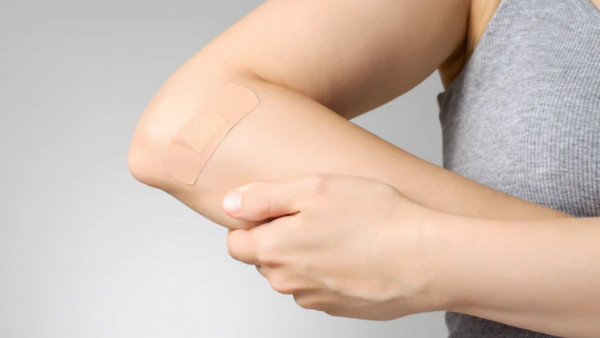
There are different types of wounds. When you hear the word wound, you probably think of an open wound, which is a visible injury that is bleeding.
However, there are also closed wounds, such as bruises and/or sprains. Closed wounds may show swelling or bruising.
Chemical wounds occur when acids or other chemicals irritate or burn the skin. Radiation wounds occur, for example, during radiotherapy to treat cancer.
Thermal wounds occur when there is contact with extreme temperatures: either heat or cold. They manifest themselves as reddening of the skin or blistering.
Inflammatory phase: several hours to days after the injury
Shortly after injury, blood clotting occurs to stop blood loss.
The wound often also oozes water. However, this is not pure water, but a fluid that contains fibrin and immune cells. Fibrin is an adhesive protein that ensures that the wound closes quickly. The immune cells prevent the wound from becoming infected.
Cell division phase: Damaged cells in the wound must be renewed. New cells are formed through cell division. New blood vessels are also created.
Repair phase: The tissue is restored and regains its original strength and structure. If this is not completely possible, red replacement tissue forms in the form of scars.
A wound should heal after a few weeks. If this is not the case, it is called a chronic wound. This is often due to problems with wound healing. In diabetics, for example, wound healing is impaired and chronic wounds can easily develop.
Most minor wounds heal on their own. For larger wounds, pressure bandages can help stop the bleeding. Cleaning and disinfecting the wound helps prevent infection. For larger wounds, stitches may be necessary. A plaster or bandage can protect the wound.
Ointments or creams can help with wound healing and have a disinfectant effect. In the case of a bacterial infection, antibiotics are used.
Micronutrients have many important functions in wound healing and can support it.
zinc
Zinc is well known for its effect on wound healing and is in fact essential. [1] It plays an important role in cell division and promotes the formation of new blood vessels and the rebuilding of the skin.
Zinc is also an effective antioxidant. Oxidative stress can impair wound healing. Last but not least, zinc is also essential for the immune system and helps prevent wound infection.
Zinc deficiency is associated with complications in injuries, such as leg ulcers. A small study suggests that taking zinc could speed up wound healing in the case of burns. The study situation is not entirely clear, but a good supply of zinc is important in any case.
B vitamins
B vitamins have important functions in cell division and therefore also play an important role in wound healing. [2] A deficiency in B vitamins, especially vitamin B6, folic acid (vitamin B9) and vitamin B12, also leads to increased homocysteine levels. Homocysteine is a toxic metabolic product that can disrupt wound healing.
Vitamin B5, for example, is important for the regulation of cell division and can stimulate the maturation of skin cells.
Biotin (vitamin B7) is needed for the production of collagen and elastin – two proteins that are very important for the firmness and elasticity of the skin.
Folic acid (vitamin B9) is essential for DNA synthesis. DNA must be duplicated before each cell division.
A poor supply of B vitamins is associated with impaired wound healing.
Omega-3 fatty acids
Omega-3 fatty acids have anti-inflammatory effects and can therefore probably counteract inflammation of wounds. [3]
In a study on diabetes patients, taking Omega-3 was able to reduce leg ulcers compared to placebo.
In another study, the cornea of the eyes healed faster after laser eye surgery when the subjects supplemented with omega-3 fatty acids. [4]
Vitamin C
Vitamin C is needed for the production of collagen . Collagen is very important for skin health and promotes its firmness and elasticity. A vitamin C deficiency, on the other hand, can promote skin damage and impaired wound healing.
Vitamin C is essential for the immune system and therefore protects against infections. [5] Vitamin C is also an important antioxidant. Injuries and inflammations cause oxidative stress, which vitamin C can counteract.
Vitamin D
Vitamin D has important functions in the immune system and therefore plays an important role in immune defense. Vitamin D can also stimulate cell division and plays an important role in the maturation of horn-forming cells.
People with leg ulcers are often affected by vitamin D deficiency. In one study, taking vitamin D was more effective at reducing the size of leg ulcers than a placebo. [6]
There is also evidence that a good supply of vitamin D can improve wound healing.
Conclusion: Many nutrients are needed for wound healing
Many nutrients are involved in wound healing. The body needs nutrients to form new cells and blood vessels. Nutrients are also important for the immune system, which prevents the wound from becoming infected. It is therefore not surprising that a lack of certain micronutrients can make wound healing more difficult.
WE HAVE YOU 5 % VOUCHER FOR OUR
OMEGA 3 , Vitamin D , Vitamin C , Zinc , Vitamin B Complex , Vitamin B Complex Forte
PROVIDED AND HOPE TO BRING YOU JOY WITH IT.
SIMPLY COPY THE FOLLOWING COUPON CODE
AND ENTER IT AT CHECKOUT:
HAUT+V5
TO THE PRODUCTS
[1] https://www.ncbi.nlm.nih.gov/pmc/articles/PMC5793244/
[2] https://pubmed.ncbi.nlm.nih.gov/16018750/
[3] https://www.ncbi.nlm.nih.gov/pmc/articles/PMC2967211/
[4] https://www.ncbi.nlm.nih.gov/pubmed/23132445
[5] https://www.scielo.br/j/rcbc/a/WhkgRSnMR4qG5NRzkpt3ScB/?lang=en
[6] https://www.scielo.br/j/rcbc/a/WhkgRSnMR4qG5NRzkpt3ScB/?lang=en

Micronutrients for osteoarthritis: How can they support treatment?
Osteoarthritis is joint wear and tear, often caused by excessive strain on the joints or incorrect strain. Osteoarthritis is associated with pain and limited mobility.
The disease begins with loss of cartilage. This impairs the function of the joint and causes painful inflammation. In the final stage, the bones rub against each other unprotected, which is very painful.
Osteoarthritis can occur in all joints. However, knee, hip and shoulder joints are particularly frequently affected. It is accompanied by inflammation (arthritis), which often becomes chronic.
Joint wear is usually caused by a combination of different factors and the exact cause is often difficult to determine. The most common causes include:
high load or incorrect load,
genetic predisposition,
Lack of exercise,
Diabetes,
Menopause and old age
Physiotherapy and regular, joint-friendly exercise are important components of the treatment.
If the joints are subjected to heavy strain (e.g. due to excess weight), the cause of the strain should be eliminated.
Insoles, joint supports and bandages can relieve pressure on the joints.
Non-steroidal anti-inflammatory drugs (NSAIDs) are often used to relieve inflammation and pain. Opioids are also used for very severe pain.
As a last resort, surgery may also be useful.
Micronutrients are used in osteoarthritis to counteract inflammation and relieve pain.
Omega-3 fatty acids
In osteoarthritis, the joints are usually inflamed. The inflammation contributes to the pain and damages the cartilage.
Omega-3 fatty acids have anti-inflammatory effects. High levels of omega-3 fatty acids are associated with reduced cartilage loss. [1] In one study, taking omega-3 supplements was able to relieve joint pain and improve joint function. [2]
Vitamin D, Vitamin K2 & Calcium
The breakdown of cartilage puts a lot of strain on the bones in osteoarthritis. That is why it is particularly important to ensure a good supply of nutrients that are essential for bone health in osteoarthritis.
Calcium is an essential component of bones that is important for bone strength.
Vitamin D , in turn, is needed for the absorption of calcium. Vitamin K promotes the storage of calcium in the bones.
MSM
Methylsulfonylmethane (MSM) is organic sulfur, which is an important component of cartilage.
MSM also has anti-inflammatory properties and counteracts oxidative stress. Oxidative stress leads to inflammation and can worsen osteoarthritis.
In studies, MSM was able to slightly relieve osteoarthritis pain. [3] It appears to be particularly effective in combination with chondroitin sulfate and glucosamine – two other important cartilage components.
Hyaluronic acid
Hyaluronic acid is an important component of synovial fluid and acts as a “lubricant”.
In osteoarthritis, hyaluronic acid is usually injected into the joint. But studies suggest that taking hyaluronic acid ingestion could also be helpful in osteoarthritis. [4]
Curcumin
Curcumin from the turmeric root has a strong anti-inflammatory effect. It also has an antioxidant effect, which also reduces inflammation.
A large meta-analysis concluded that taking curcumin can relieve knee pain and improve quality of life in osteoarthritis. [5]
There are many other important antioxidants such as zinc , selenium , vitamin C and vitamin E, which should not be missing in the case of osteoarthritis. Grape seed extract (OPC) can also probably support the therapy.
Collagen
Collagen is an important component of articular cartilage and supports its strength.
Studies suggest that taking collagen can improve mobility and reduce pain in osteoarthritis. [6]
Conclusion: Micronutrients can reduce inflammation and counteract pain
Micronutrients can support the treatment of osteoarthritis. They can provide components for building cartilage. Many micronutrients also have antioxidant and anti-inflammatory effects, which are useful in therapy.
WE HAVE YOU 5 % VOUCHER FOR OUR
OMEGA 3 , vitamin D3 & K2 liquid , vitamin D3 & K2 capsules , calcium , hyaluronic acid , MSM , turmeric and collagen .
PROVIDED AND HOPE TO BRING YOU JOY WITH IT.
SIMPLY COPY THE FOLLOWING COUPON CODE
AND ENTER IT AT CHECKOUT:
GELENK+V5
TO THE PRODUCTS
[1] https://www.ncbi.nlm.nih.gov/pubmed/22353693
[2] https://pubmed.ncbi.nlm.nih.gov/26387397/
[3] https://pubmed.ncbi.nlm.nih.gov/19474240/
[4] https://www.ncbi.nlm.nih.gov/pmc/articles/PMC4281855/
[5] https://www.ncbi.nlm.nih.gov/pmc/articles/PMC5003001/
[6] https://pubmed.ncbi.nlm.nih.gov/22500661/

What effect can micronutrients have on migraines?
Migraine is one of the most common forms of headache. It occurs in waves in the form of migraine attacks. These are very intense, severe headaches that make normal everyday life impossible. Migraine is often accompanied by sensitivity to light and noise, loss of appetite, nausea and vomiting.
The causes of migraines are not understood in detail. There appears to be a change in blood flow to the brain. The permeability of the vessels is increased and inflammatory messengers are released. This inflammation appears to irritate pain receptors in the brain.
Migraines are also caused by a disruption of the mitochondria (the power plants of our cells), which leads to a lack of energy.
Migraines are often triggered by certain triggers. The most common triggers include lack of sleep, stress, certain weather conditions, certain foods, and hormonal changes in women.
In a migraine with aura, an electrical wave passes through the brain before the attack. This causes visual disturbances such as double vision, flickering and the perception of flashes of light.
Migraines are usually treated with painkillers. Those affected also try to avoid triggers as much as possible. Rest, darkness and sleep also help during an attack.
Nutrients can support the treatment of migraines in several ways.
B vitamins
Vitamin B2 is important for energy production in the mitochondria, the power plants of our cells. Vitamin B2 can also protect nerve cells from oxidative stress and inflammation.
Initial studies indicate that taking vitamin B2 can reduce the frequency, severity and duration of migraine attacks. [1]
The B vitamins vitamin B6, folic acid (vitamin B9) and vitamin B12 are needed to break down the toxic metabolite homocysteine. Elevated homocysteine damages blood vessels and nerve cells and can increase the tendency to migraines. A good supply of these B vitamins helps to keep homocysteine in a healthy, low range.
Studies suggest that taking vitamin B6, folic acid and vitamin B12 may reduce the frequency of attacks in migraine sufferers. [2]
Omega-3 fatty acids
Omega-3 fatty acids are an important component of nerve cell membranes. These fatty acids also have an anti-inflammatory effect and are needed to produce pain-relieving neurotransmitters.
A large meta-analysis concluded that omega-3 fatty acids can reduce the duration of migraine attacks. [3]
Magnesium
Magnesium is important for the function of nerve cells and also promotes blood circulation.
In a migraine with aura, an electrical wave passes through the brain before an attack. This electrical wave appears to be favored by a magnesium deficiency.
Migraine sufferers appear to be more likely to suffer from magnesium deficiency than healthy people. When magnesium levels are low, the risk of a migraine attack is increased.
Studies show that magnesium can reduce the severity and frequency of migraine attacks. [4]
Coenzyme Q10
Coenzyme Q10 is crucial for energy production in the mitochondria. In addition, coenzyme Q10 is an important antioxidant that protects cells from oxidative damage.
In studies, taking coenzyme Q10 was able to reduce the frequency of migraine attacks. [5]
Conclusion: Micronutrients can be helpful for migraines
Nutrients can support the function and health of nerve cells and thus counteract migraines. Coenzyme Q10 in particular seems to be useful as an accompanying migraine therapy, since migraines are caused by problems with energy production.
WE HAVE YOU 5 % VOUCHER FOR OUR
VITAMIN B COMPLEX, VITAMIN B COMPLEX FORTE , OMEGA3 , MAGNESIUM AND COENZYME Q10
PROVIDED AND HOPE TO BRING YOU JOY WITH IT.
SIMPLY COPY THE FOLLOWING COUPON CODE
AND ENTER IT AT CHECKOUT:
MIGRÄNE+V5
TO THE PRODUCTS
[1] https://pubmed.ncbi.nlm.nih.gov/24867851/
[2] https://pubmed.ncbi.nlm.nih.gov/28526386/
[3] https://pubmed.ncbi.nlm.nih.gov/28665211/
[4] https://pubmed.ncbi.nlm.nih.gov/29334449/
[5] https://pubmed.ncbi.nlm.nih.gov/29298622/


