




Latest posts
Magazine


Calcium: Function, symptoms of deficiency and requirements
Calcium is an essential mineral and is best known for its importance for strong bones and teeth . However, calcium is important for many other reasons.
Here you will learn why the body needs calcium , how to recognize a deficiency and how you can meet your needs.
IT'S WORTH READING!
AT THE END OF THE ARTICLE WE HAVE PROVIDED YOU A VOUCHER CODE FOR OUR CALCIUM.
Why is calcium important?
Calcium (also calcium) is the most important mineral in the body in terms of quantity: up to 1.5 kg of calcium is stored in the bones. This is where the majority of the calcium is found. Only a small part is found in the cells and blood.
Calcium is particularly important for bone maintenance. It is also needed for blood clotting, stabilizes cell walls and enables signal transmission between nerve cells. Muscles also need calcium to be able to contract. [1]
The European Food Safety Authority confirms the following effect of calcium in its Health Claims Regulation :
Calcium
contributes to normal energy metabolism
is needed to maintain normal bones
is needed to maintain normal teeth
has a function in cell division and specialization
contributes to normal blood clotting
contributes to the normal function of digestive enzymes
contributes to normal muscle function
contributes to normal signal transmission between nerve cells
How does a calcium deficiency occur?
Calcium deficiency occurs when the serum calcium level falls below 2 mmol/l .
A common cause of calcium deficiency is a lack of vitamin D. Vitamin D is needed for the absorption of calcium through the intestines . It is also important for the incorporation of calcium into the bones .
Vitamin D deficiency is very common in Germany: According to the Robert Koch Institute , over 50% of Germans are not adequately supplied with it . [2]
Kidney weakness and impaired calcium absorption due to chronic intestinal diseases (such as celiac disease) can also lead to calcium deficiency.
In addition, hormonal disorders can affect calcium levels. The thyroid hormone calcitonin and the parathyroid hormone (PTH) regulate calcium levels in the blood. [3]
Since we absorb calcium through food, an unbalanced diet can also cause a calcium deficiency.
On average, we get 50% of our calcium needs from dairy products . Therefore, avoiding dairy products (e.g. due to lactose intolerance) increases the risk of a deficiency in the mineral.
Calcium deficiency symptoms: How to recognize a deficiency
The following symptoms are typical for a calcium deficiency: [4]
Bone softening (if there is an undersupply, the body releases calcium from the bones to maintain the calcium level in the blood)
Muscle cramps in the hands and feet
Depression and anxiety
Heart failure
Tingling on the skin
brittle fingernails
Calcium daily requirement
The daily calcium requirement for adults is 1000 mg . [5] Many Germans do not consume the recommended amount: men consume an average of 807 mg daily, women 738 mg .
Foods with calcium
There are many foods that are rich in calcium. Dairy products are known to be good sources of calcium. So it is not surprising that cheese is at the top of the list. But milk itself is by no means one of the foods richest in calcium. Sesame, for example, provides more than 8 times the amount per 100 g!
The following table gives an overview of the best sources of calcium : [6]
Groceries
Calcium content (mg/100g)
Cheese (Parmesan)
1376
sesame
975
Chia seeds
631
Sardines
382
Salmon
277
Almonds
264
Kale
135
Milk
113
spinach
99
rhubarb
86
Buy Calcium
Calcium supplementation can help prevent or correct a deficiency. Calcium is available in many different forms, such as effervescent tablets, capsules or powder.
However, it is important not to overdose on calcium. The German Nutrition Society (DGE) specifies 2500 mg as the tolerable total intake . [7] The calcium that is absorbed through food must also be taken into account.
That's why you should make sure that the calcium is easy to dose when taking the supplement. Viktilabs calcium capsules contain 160 mg per capsule . This means there is no risk of overdose. The capsules also contain natural calcium from red algae and are therefore vegan . They are also free of artificial additives .
Conclusion: Many people do not consume enough calcium
Calcium is an essential nutrient that we must consume through our diet. Dairy products are particularly rich in calcium, but other foods also provide a lot of calcium. Since we meet a large part of our calcium requirements through dairy products, people who avoid dairy products are at increased risk of a deficiency. An inadequate supply can be compensated for with a high-quality calcium supplement .
WE AT +VIKTILABS HAVE PROVIDED YOU WITH A 5 % VOUCHER FOR OUR C ALCIUM AND HOPE TO MAKE YOU HAPPY WITH IT.
SIMPLY COPY THE COUPON CODE CALCIUM+V5 AND ENTER IT AT CHECKOUT.
[1] https://www.ncbi.nlm.nih.gov/books/NBK549792/
[2] https://www.rki.de/SharedDocs/FAQ/Vitamin_D/Vitamin_D_FAQ-Liste.html
[3] https://www.ncbi.nlm.nih.gov/books/NBK557683/
[4] https://www.ncbi.nlm.nih.gov/pmc/articles/PMC3279267/
[5] https://www.dge.de/forschung/referenzwerte/calcium/
[6] https://nutritiondata.self.com/foods-001118000000000000000-1w.html ?
[7] https://www.dge.de/forschung/weitere-publikationen/faqs/calcium/
Potassium: Effects, symptoms of deficiency and daily requirement
Potassium is an essential nutrient that regulates blood pressure and pH in the body. A potassium deficiency (hypokalemia) is usually not caused by a low-potassium diet, but by increased excretion via the kidneys. Nevertheless, many people do not consume the recommended amount of potassium through their diet.
Here you will learn how a potassium deficiency occurs, what causes it and how you can fix it.
IT'S WORTH READING!
AT THE END OF THE ARTICLE WE HAVE PROVIDED YOU A COUPON CODE FOR OUR KALIUM.
Why is potassium important?
Potassium is an essential electrolyte that we must ingest through food . Most of the potassium in the body is found in the cells, especially in the muscle cells .
Potassium, together with sodium, is involved in the transmission of nerve impulses . Potassium is also essential for regulating blood pressure . It acts as an antagonist to sodium, which is a component of table salt. Consuming too much salt is suspected of causing high blood pressure. Increasing potassium intake can counteract this.
Potassium is also important for the acid-base balance as it regulates the pH value . [1]
The European Food Safety Authority confirms the following effect of potassium in its Health Claims Regulation :
Potassium contributes
to maintain normal blood pressure in
to normal functioning of the nervous system in
to normal muscle function in
How does a potassium deficiency occur?
Potassium deficiency occurs when the serum concentration falls below 3.8 mmol/l .
A potassium deficiency can have the following causes:
Increased potassium excretion via the kidneys
Aldosterone and cortisol are two important hormones that regulate potassium levels. They promote potassium excretion via the kidneys. If these two hormones are permanently elevated, this can lead to a potassium deficiency.
Certain medications, such as diuretics, glucocorticoids and antibiotics can have a similar effect. Long-term use therefore increases the risk of potassium deficiency.
Kidney failure can also lead to increased excretion of potassium . [2]
Gastrointestinal problems
Minerals such as potassium are absorbed through the gastrointestinal tract. Chronic gastrointestinal problems can therefore impair absorption and lead to a deficiency.
Potassium deficiency symptoms: How to recognize a deficiency
A potassium deficiency causes certain symptoms, which can have many causes. For this reason, a deficiency can only be diagnosed through a serum test.
A potassium deficiency can cause the following symptoms: [3]
High blood pressure
Muscle weakness
fatigue
Cardiac arrhythmias
constipation
Potassium daily requirement
According to the German Nutrition Society (DGE), the daily requirement for an adult is 4000 mg . Breastfeeding women have a slightly increased requirement of 4400 mg. [4]
However, these are only average values. Certain illnesses and the use of medication can increase the need.
Foods with potassium
Potassium deficiency is usually not caused by too little potassium in the diet. However, potassium intake in food has declined sharply in recent years due to increased consumption of ready meals and fewer vegetables . [5] This can easily lead to a deficiency if kidney or gastrointestinal problems are present at the same time, or if medications are taken that increase potassium excretion.
The table shows which foods are particularly good sources of potassium. [6] You should note that the cooking method also has a major influence on the potassium content. If you cook vegetables in water, a large part of the potassium passes into the water . For this reason, you should either reuse the water or cook without water, e.g. by frying.
Groceries
Potassium content (mg/100)
Pistachios
1025
Tomato paste
1010
linseed
813
Pumpkin seeds
788
Almonds
733
squid
637
Peanuts
634
Parsley
554
Avocado
485
Sweet potatoes
478
potatoes
447
Salmon
436
Kidney beans
401
Swiss chard
379
Bananas
358
Buy potassium
A potassium deficiency should be compensated for with dietary supplements . However, caution is advised here, as too much potassium can be just as harmful as a potassium deficiency. An excess of potassium can lead to muscle weakness, paralysis, lung failure and cardiac arrhythmia.
For this reason, you should be careful with the dosage and never take more than the recommended daily allowance in the form of a dietary supplement. Viktilabs potassium citrate is appropriately dosed : 3 capsules provide 756 mg of potassium, which is well below the reference amount. It also has a high bioavailability , is free of artificial additives and is vegan.
Conclusion: Potassium is an essential nutrient
Potassium is a vital mineral that is important for regulating blood pressure and pH levels , as well as for transmitting nerve signals . A deficiency is usually not caused by a low-potassium diet, but by diseases and medications that lead to increased excretion . However, low potassium intake can promote a deficiency. Supplementation with a high-quality potassium preparation can help to compensate for a deficiency.
WE AT +VIKTILABS HAVE PROVIDED YOU WITH A 5 % VOUCHER FOR OUR POTASSIUM AND HOPE THAT IT WILL MAKE YOU HAPPY.
SIMPLY COPY THE COUPON CODE KALIUM+V5 AND ENTER IT AT CHECKOUT.
[1] https://pubmed.ncbi.nlm.nih.gov/23674806/
[2] https://www.ncbi.nlm.nih.gov/pmc/articles/PMC1805876/
[3] https://www.ncbi.nlm.nih.gov/pmc/articles/PMC5881435/
[4] https://www.dge.de/forschung/referenzwerte/kalium/
[5] https://pubmed.ncbi.nlm.nih.gov/18724413/
[6] https://nutritiondata.self.com/foods-000122000000000000000-w.html
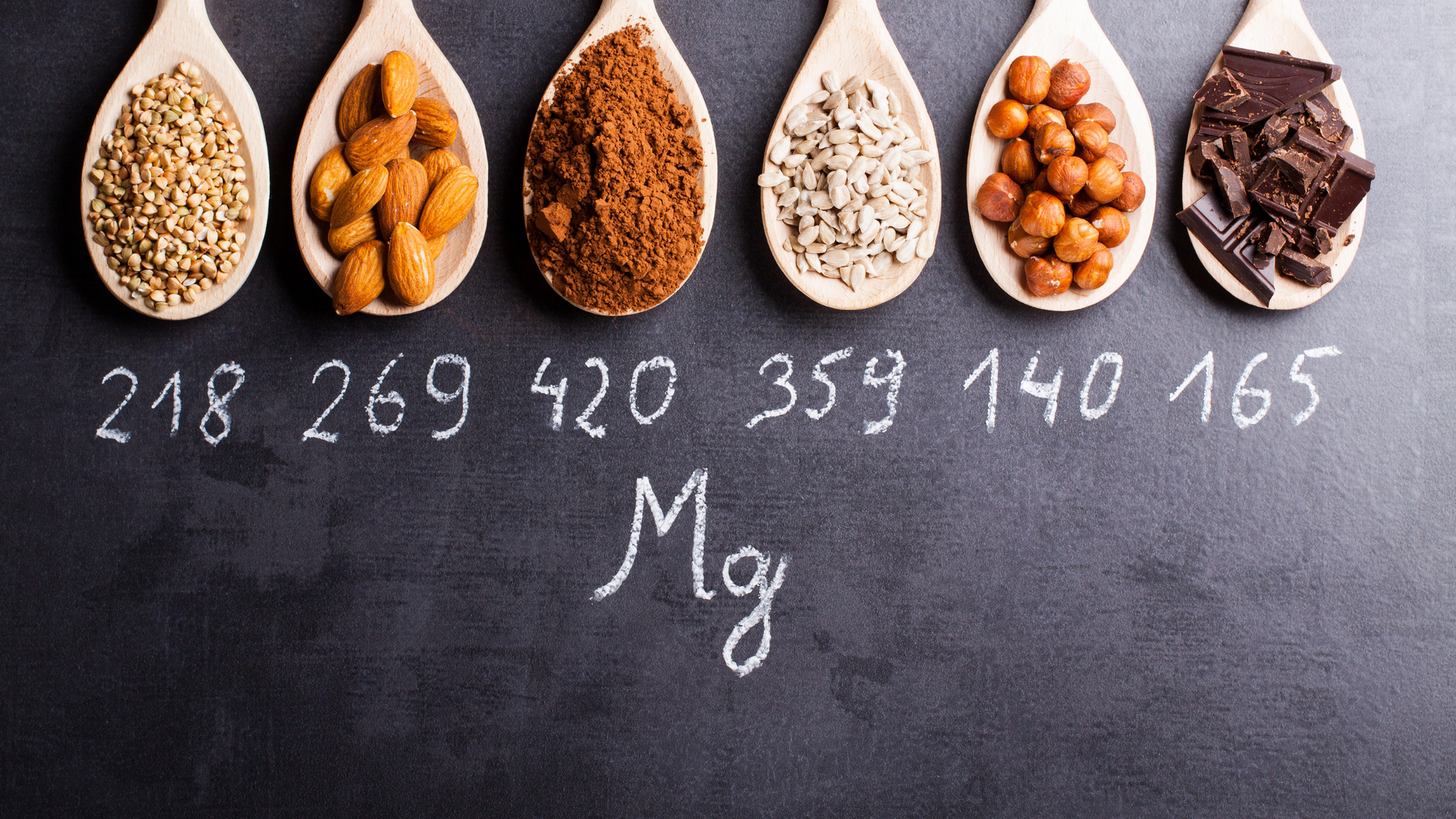
Magnesium: Effects, symptoms of deficiency and meeting your needs
Eyelid twitching , night-time calf cramps and inner restlessness are typical symptoms of a magnesium deficiency. Magnesium is a vital mineral that is unfortunately often lacking in the diet.
Here you will learn why magnesium is so important, how to recognize a deficiency and how you can meet your needs.
At the end of the article we have a small gift for you. It's worth reading on!
Why is magnesium important?
Magnesium is an essential mineral that we cannot produce ourselves and therefore must obtain through food.
The mineral plays a central role in metabolism as it is involved in over 300 enzymatic reactions . Without magnesium, many of the processes that are essential for cell function cannot take place.
Magnesium is particularly important for muscle and nerve function and for maintaining bones . [1]
The European Food Safety Authority confirms the followingeffect of magnesium in its Health Claims Regulation:
It carries
to a normal energy metabolism in
to normal psychological function in
to reduce tiredness and fatigue in
to normal muscle function in
to maintain normal bones in
to maintain normal teeth in
to normal functioning of the nervous system in
to normal protein synthesis in
to electrolyte balance in
Magnesium daily requirement
According to the German Nutrition Society (DGE), the daily magnesium requirement for adults is 300 – 400 mg, depending on age and gender. [2] Under the age of 25, the requirement is slightly higher and men have a higher requirement than women. Pregnant and breastfeeding women also have a slightly higher requirement.
However, these are only average values. Your individual needs also depend on how much stress you are under and how much sport you do. Certain illnesses, such as gastrointestinal diseases and kidney problems, can also increase your needs.
Unfortunately, most Germans do not havean optimal magnesium supply . Women consume an average of 200 mg per day, men 250 mg . [3] Therefore, magnesium deficiency is widespread .
Symptoms: How to recognize a magnesium deficiency
A magnesium deficiency can cause the following symptoms: [4]
Muscle tension and twitching
Muscle cramps, typically in the calves
Eyelid twitching
fatigue
Sleep problems
slight irritability and nervousness
high sensitivity to stress
Cardiac arrhythmias and heart palpitations
Foods with magnesium
Nuts, seeds, green leafy vegetables and fish are rich in magnesium. The table shows the content of the best magnesium sources: [5]
Groceries
Magnesium content (mg/100g)
Pumpkin seeds
535
cocoa
499
linseed
392
Brazil nuts
376
sesame
351
Sunflower seeds
325
Peanuts
188
Swiss chard
81
spinach
79
Halibut
83
Buy Magnesium
If you have a magnesium deficiency, it can be a good idea to compensate for the deficit with a magnesium supplement. There are many different products available when it comes to dietary supplements , with large differences in quality.
Magnesium is also available in many forms, such as powder,capsules , effervescent tablets and chewable tablets . It is especially important that you pay attention to the ingredients and which magnesium compounds the preparation contains (see below). You should avoid unnecessary artificial additives if possible.
Laboratory analyses
One of the most important quality criteria is origin . Germany and other EU countries place very high demands on manufacturers of food supplements. In Germany, the products must also be regularly analyzed by independent laboratories to ensure consistent quality.
Different types of magnesium
Magnesium is a positively charged molecule (Mg 2+ ) that is very reactive. For this reason, it is always present in combination with other molecules. A distinction is made between organic and inorganic magnesium compounds . Organic magnesium is more soluble than inorganic magnesium and therefore has a higher bioavailability. [6]
Organic compounds include:
Magnesium citrate
Magnesium Glycinate
Magnesium gluconate
Magnesium aspartate
Inorganic compounds include:
Magnesium sulfate
Magnesium oxide
Magnesium chloride
Magnesium carbonate
dosage
The daily requirement of magnesium is 300-400 mg . When taking dietary supplements, you should remember that you also consume magnesium through food.
If you have a magnesium deficiency, a higher dose is necessary than if you supplement your daily intake with a magnesium supplement to prevent a deficiency.
It is therefore important that the magnesium preparation is easy to dose.
Tri-Magnesium Dicitrate from Viktilabs
Themagnesium preparation from Viktilabs is tri-magnesium dicitrate. It is characterized by the following features:
organic magnesium citrate with high bioavailability
Tri-Magnesium Citrate has a higher magnesium content than other magnesium citrates
without artificial additives
Developed in Germany
100% vegan
easy to dose : 4 capsules provide 300 mg magnesium
Conclusion: Magnesium is often neglected in the diet
Magnesium is a vital mineral that plays a central role in metabolism and is important for bones, nerves and muscles.
Many people do not consume sufficient amounts of magnesium through their diet, which can lead to deficiency symptoms. Ahigh-quality magnesium supplement can help to compensate for or prevent a deficiency.
We at +Viktilabs have provided you with a 5 % voucher on our magnesium and hope that this will bring you joy.
Simply copy the voucher code " MAGNESIUM+V5 " and enter it at checkout.
Click here for the product
_____________________________________________________________________
[1] https://www.ncbi.nlm.nih.gov/pmc/articles/PMC4455825/
[2] https://www.dge.de/forschung/referenzwerte/magnesium/
[3] https://www.kup.at/kup/pdf/1046.pdf
[4] https://www.ncbi.nlm.nih.gov/pmc/articles/PMC5786912/
[5] https://nutritiondata.self.com/foods-000120000000000000000-1w.html ?
[6] https://www.ncbi.nlm.nih.gov/pmc/articles/PMC6683096/

L-tryptophan: effects, symptoms of deficiency & foods
L-tryptophan is an amino acid that has a special status. It not only serves as a protein building block , but also as a precursor for the production of hormones . Therefore, a deficiency can cause many different complaints.
Here you will learn why tryptophan is so important, what causes a deficiency and how you can meet your needs.
At the end of the article we have provided you with a voucher for our L-tryptophan .
It’s worth reading on!
What is L-tryptophan?
Tryptophan is an amino acid, i.e. a protein building block. It is one of the essential amino acids that we cannot produce ourselves and therefore have to ingest through food.
Tryptophan is one of the rarest amino acids . This is why tryptophan is often lacking when protein supply is scarce .
Tryptophan can exist in two different forms: D- and L-tryptophan . However, only L-tryptophan is of biological importance. Whenever you read tryptophan (as in this article), you mean L-tryptophan.
Tryptophan effect
However, tryptophan not only serves as a protein building block, but also fulfils many other functions.
Vitamin B3 is produced from tryptophan
Tryptophan is needed to produce vitamin B3 ( niacin) , which has important functions in the energy metabolism of the cell. We can also get vitamin B3 from food. Peanuts, liver and fish (especially salmon and tuna) are particularly rich in niacin. [1] If you do not consume enough vitamin B3, tryptophan can help prevent a vitamin deficiency.
Tryptophan is needed to produce serotonin
Serotonin is a messenger substance in the brain (a so-called neurotransmitter) that can activate the reward center . For this reason, serotonin is one of the "happiness hormones" and is also known as a feel-good hormone. Tryptophan is a precursor in the production of serotonin. [2]
Tryptophan serves as a building block for the production of melatonin
Tryptophan also serves as a precursor in the production of the sleep hormone melatonin . Through intermediate stages, tryptophan first becomes serotonin and then, via further intermediate stages, melatonin. [3] Melatonin regulates the sleep-wake rhythm : it ensures that you are tired and sleep at night and active during the day.
Symptoms of tryptophan deficiency
Since tryptophan has so many functions in the body, it's not surprising that a deficiency causes problems.
A lack of tryptophan can cause the following symptoms :
Poor memory performance
Tryptophan is needed to produce the neurotransmitter serotonin. Serotonin serves as a signaling molecule to transmit electrical information between nerve cells in the brain. Tryptophan is therefore very important for brain function . Consequently, a deficiency leads to concentration problems and reduced memory performance . [4]
Sleep disorders
When tryptophan is lacking, the body cannot produce enough melatonin . Consequently, tryptophan deficiency can lead to sleep problems . [5]
Aggression
It is not exactly understood why, but a lack of tryptophan can increase aggression . [6] However, it does not appear to be the sole cause of aggressive behavior.
Depression
Tryptophan serves as a precursor to serotonin and low levels of serotonin are associated with depression and mood swings .
Especially in people who are prone to depression, a lack of tryptophan can quickly cause psychological problems. [7]
However, depression is not treated with tryptophan because only a small part is converted into serotonin . Instead, serotonin reuptake inhibitors (SSRIs) are used, which increase the concentration of serotonin in the brain.
Foods rich in tryptophan
Tryptophan is found primarily in protein-rich foods. The following foods are good sources of tryptophan: [8]
Nuts and seeds
Legumes such as beans, lentils and chickpeas
cocoa
Milk and dairy products
Meat
Fish and seafood
Buy Tryptophan
The daily requirement of tryptophan is 3.5 - 6 mg per kg of body weight . [9] With a high-protein diet, the requirement can easily be covered through food. However, since tryptophan is one of the rarest amino acids, it is quickly lacking when protein intake is scarce.
If you supplement tryptophan, you should make sure to take it 2-3 hours after meals . This is because tryptophan competes with other amino acids (from the protein in food) for absorption into the brain. If you hardly have any other amino acids in your blood, tryptophan gets into the brain more easily.
It is also important not to overdose on tryptophan, as it can cause side effects. [10] Viktilabs L-tryptophan capsules contain 500 mg of tryptophan, which is equivalent to a daily dose. They are also vegan and contain no fillers.
Conclusion: Tryptophan is a special amino acid
Tryptophan not only serves as a protein building block , but has many other functions. It is used to produce the happiness hormone serotonin and the sleep hormone melatonin . A deficiency can lead to sleep and memory disorders and is associated with depression . Most people get enough tryptophan from their diet. However, if there is a deficiency, it can be useful to supplement with high-quality L-tryptophan .
We at +Viktilabs have a 5 % coupon for our
L-tryptophan
provided and hope to bring you joy.
Simply copy the voucher code " TRYPTO+V5 " and enter it at checkout.
Click here for the product
[1] https://ods.od.nih.gov/factsheets/Niacin-HealthProfessional/
[2] https://www.ncbi.nlm.nih.gov/pmc/articles/PMC2942809/
[3] https://www.ncbi.nlm.nih.gov/pmc/articles/PMC3195230/
[4] https://www.ncbi.nlm.nih.gov/pmc/articles/PMC4728667/
[5] https://pubmed.ncbi.nlm.nih.gov/11927137/
[6] https://pubmed.ncbi.nlm.nih.gov/10700655/
[7] https://pubmed.ncbi.nlm.nih.gov/17019406/
[8] https://nutritiondata.self.com/foods-000079000000000000000.html
[9] https://www.ncbi.nlm.nih.gov/pmc/articles/PMC2908021/
[10] https://pubmed.ncbi.nlm.nih.gov/23077193/
Essential amino acids: Why they are so important & foods
Protein is an essential nutrient that we must consume through food. However, the quality of the protein is also important: it must contain enough essential amino acids . These are amino acids that the body cannot produce itself.
Here you will find out why they are so important and how you can meet your needs.
IT'S WORTH READING!
AT THE END OF THE ARTICLE WE WOULD LIKE TO GIVE YOU A LITTLE JOY WITH A VOUCHER!
What are essential amino acids?
Amino acids are the building blocks of proteins, which are often also called protein. We need protein to produce our own proteins. Proteins fulfill many different functions: They give cells support and structure and serve as signaling molecules . Proteins can also have an enzymatic function and thus enable biochemical reactions .
Proteins consist of 21 different amino acids . The frequency of a single amino acid in a protein varies. In order to produce our own proteins from amino acids, we need each amino acid in a certain amount.
The body can produce some amino acids from other amino acids. These are non-essential amino acids. Essential amino acids, on the other hand, we cannot produce ourselves and therefore must consume them with food. Of the 21 amino acids, 8 are essential . [1]
So it's not just important that you consume enough protein. It's also crucial that you're well supplied with every single essential amino acid. That's why you not only have a daily protein requirement, but also a requirement for essential amino acids .
List of essential amino acids
Here you can find a list of the 8 essential amino acids and the respective daily requirement per kg of body weight: [2]
Isoleucine: 20 mg
Leucine: 39 mg
Lysine: 30 mg
Methionine: 10.4 mg
Phenylalanine: 25 mg
Threonine: 15 mg
Tryptophan: 4 mg
Valine: 26 mg
Foods containing essential amino acids
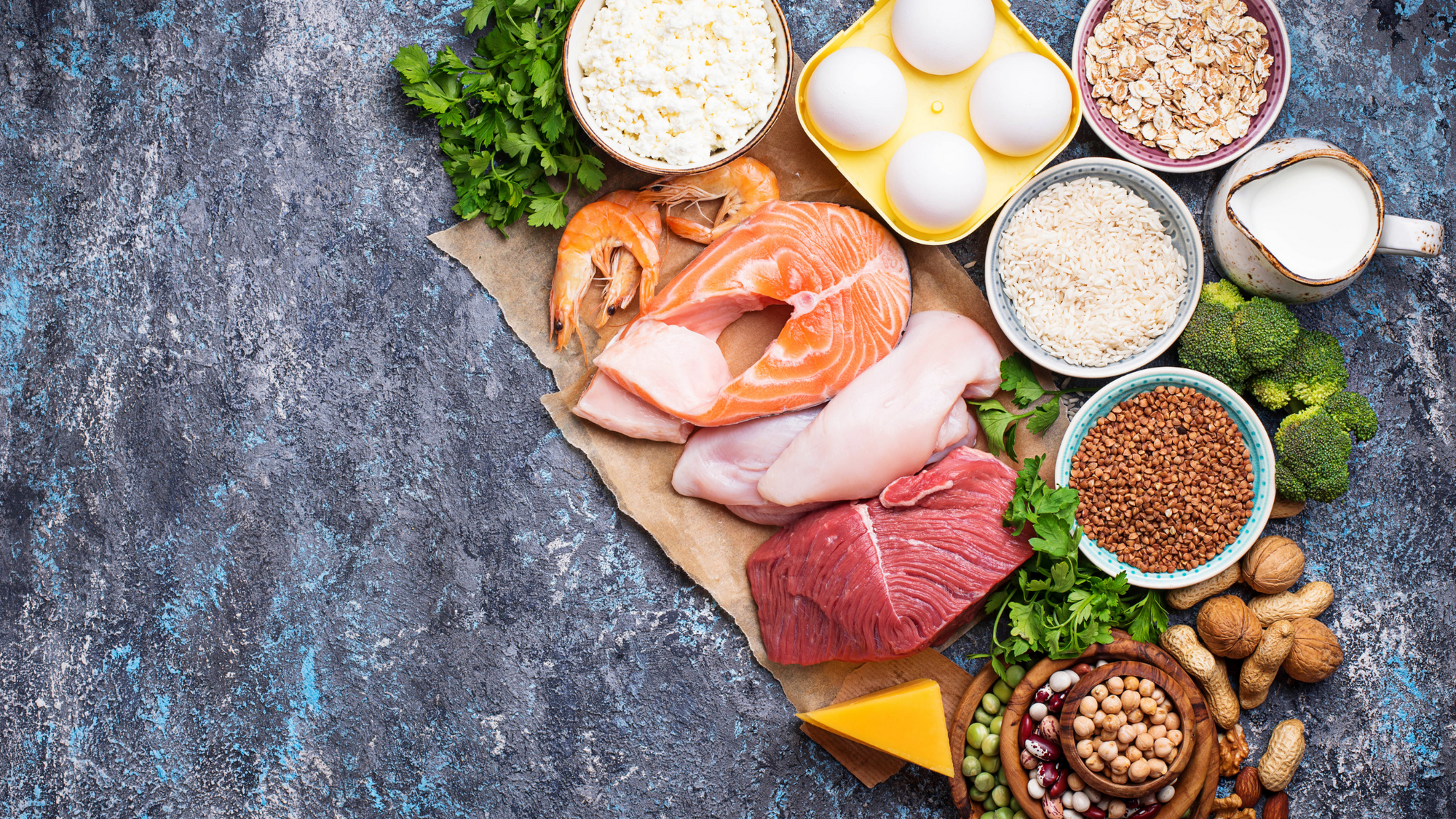
Most foods that are high in protein also contain essential amino acids. These include: [3]
Milk and dairy products such as cheese, yoghurt and curd
Eggs
Meat
Fish
Legumes such as peas, beans, lentils, and chickpeas
Plant-based foods must be skillfully combined
Plant foods also provide essential amino acids. However, there is an important difference to animal foods . Individual animal foods provide each essential amino acid in significant amounts. This is why animal protein is said to be "complete".
Individual plant foods, on the other hand, are rich in some essential amino acids, but contain only small amounts of others. To meet your essential amino acid needs with plant protein, you must therefore cleverly combine plant protein sources . You may have heard that it is good to eat beans and rice together. The amino acid composition of these two foods complements each other well, so that together they provide all essential amino acids . [4] , [5]
Buy essential amino acids
Many foods are rich in essential amino acids and many people can meet their needs through food.
However, under certain circumstances it may make sense to supplement essential amino acids.
1) With a vegan diet
You can also meet your essential amino acid needs with plant-based protein. On the other hand, this requires a clever combination of different protein sources. If you follow a vegan diet and don't want to worry too much about it, you should consider taking essential amino acids in the form of dietary supplements.
2) In strength training
Amino acids also provide building blocks for building muscle protein. This is why protein supplementation is so popular among bodybuilders. Particularly important in this regard are the essential branched-chain amino acids (also called BCAAs) leucine , isoleucine and valine . [6]
3) When protein intake is limited
If you eat more than enough protein, which is far above the daily requirement (approx. 0.8 g per kg of body weight), you will usually also consume sufficient essential amino acids. However, people who eat little protein can easily be deficient in essential amino acids. The risk is particularly high with tryptophan , because this amino acid is one of the rarest amino acids.
Here you can learn more about why tryptophan is so important.
With Amino-8 from Viktilabs you can easily meet your needs for essential amino acids. These are purely plant-based amino acids in their purest form: without artificial additives or fillers.
Conclusion: Protein is not the same as protein
When it comes to your daily protein intake, you need to make sure that you consume enough essential amino acids . If you cover your protein needs exclusively with plant-based protein , you need to skillfully combine different protein sources.
In most cases, the need for essential amino acids can be met through food. If you follow a vegan diet, do strength training , or have a limited protein supply, supplementing with high-quality essential amino acids can be useful.
AS PROMISED YOU WILL RECEIVE A
5% VOUCHER ON OUR AMINO-8.
SIMPLY COPY THE CODE AMINO5 (€90 MBW) AND ENTER IT AT CHECKOUT.
[1] https://www.ncbi.nlm.nih.gov/books/NBK557845/
[2] https://apps.who.int/iris/bitstream/handle/10665/43411/WHO_TRS_935_eng.pdf;jsessionid=091CCA4E94F503C352CACBB791C2403C?sequence=1
[3] https://www.ncbi.nlm.nih.gov/pmc/articles/PMC6315330/
[4] https://www.ncbi.nlm.nih.gov/pmc/articles/PMC5302255/
[5] https://www.ncbi.nlm.nih.gov/pmc/articles/PMC6266829/
[6] https://www.ncbi.nlm.nih.gov/pmc/articles/PMC5461297/

L-Carnitine: Effects & Causes of Deficiency
You hear about L-carnitine mainly in the fitness sector, as it is said to increase performance . It is also said to boost fat burning and is therefore often advertised as a weight loss product .
What exactly is L-carnitine and is there any truth to this promise?
At the end of the article we have provided you with a voucher for our L-carnitine . It's worth reading on!
What is L-carnitine?
Carnitine is an amino acid , but it is not used as a protein building block. The job of carnitine is to transport fatty acids into the mitochondria . These are small organelles inside the cell that are also known as the power plants of the cell because they produce a large part of the energy. The β-oxidation of fatty acids takes place in the mitochondria. Colloquially, this is called fat burning . This is where fat is converted into energy that the body can use for muscle movement, for example. [1]
Like other amino acids, carnitine can be present as D-carnitine or L-carnitine . However, only L-carnitine is of biological importance. So when you read carnitine, you always mean L-carnitine, including in this article.
At the end of the article we have a gift for you. It's worth reading on!
Effect of L-carnitine
Carnitine is popular as a dietary supplement because it is said to have positive effects. Above all, it is said to be able to increase fat burning and athletic performance.
Does carnitine increase fat burning?
Since carnitine is necessary for the transport of fatty acids into the mitochondria, where they are then “burned”, carnitine is often marketed as a fat burner that is supposed to help melt the fat around your hips.
However, the body can produce the required amounts of carnitine itself (see below), and more carnitine does not necessarily mean more fat burning. The research is not clear on this point. Although there are some studies that show that supplementing with carnitine can promote weight loss , this is not considered proven. [2]
Does carnitine improve athletic performance?
Carnitine is also popular among athletes because it is said to increase performance . However, there is little research on this. For example, studies have shown that supplementation does not increase the performance of marathon runners or sprinters . [3] , [4] However, individual studies show a positive effect of carnitine on athletic performance. For example, a study with footballers in which carnitine improved endurance . [5]
However, most of these studies did not examine whether participants were carnitine deficient (which is unlikely in healthy subjects). So if carnitine deficiency exists, it is certainly possible that carnitine could improve performance.
Carnitine deficiency symptoms
A carnitine deficiency can manifest itself through: [6]
Tiredness and exhaustion
Difficulty concentrating
Muscle weakness and cramps
Heart failure
Susceptibility to infection
Hypoglycemia
Causes of carnitine deficiency
Most people get most of their carnitine needs from food. Meat is by far the best source of carnitine, especially red meat such as beef and lamb.
If necessary, the body can also produce carnitine itself. To do so, it needs the two essential amino acids lysine and methionine, and vitamin C , vitamin B6, vitamin B3 (niacin) and iron as cofactors.
A diet low in carnitine therefore does not usually cause a carnitine deficiency. Rather, an inadequate intake of nutrients needed to produce carnitine can lead to a deficiency. A deficiency can also be promoted by an increased excretion of carnitine.
The following groups of people are at increased risk of L-carnitine deficiency:
Vegetarians and vegans
Vegetarians and vegans consume significantly less carnitine than people who eat meat. Omnivores consume around 100-300 mg of carnitine daily through their diet. Vegetarians who eat eggs and dairy products only consume around 15-25% of this amount, and vegans 3-10%. [7]
Vegetarians and vegans have lower carnitine stores in their muscles , but a meat-free diet alone is not a cause of a deficiency. [8] However, vegetarians and vegans are at increased risk of carnitine deficiency because they tend to consume less of the amino acids methionine and lysine than people who eat meat. [9]
Cancer patients
Approximately 80% of cancer patients have a carnitine deficiency in advanced stages of the disease. [10] This is often due to malnutrition. They do not consume enough meat and nutrients that are needed as cofactors for carnitine production. Chemotherapy can also lead to increased excretion of carnitine.
Studies show that carnitine supplementation can counteract muscle loss and improve the overall health of cancer patients. [11]
People with renal insufficiency
In the case of renal insufficiency , the kidneys have problems recycling carnitine. As a result, it is excreted in increased amounts via the urine and a deficiency can easily occur. [12]
Diabetes patients
Patients with type 2 diabetes (so-called adult-onset diabetes) often have a carnitine deficiency. However, it is not entirely clear whether a carnitine deficiency promotes diabetes or whether diabetes causes the deficiency. [13]
People who take antibiotics over a long period of time
Long-term use of pivalic acid-based antibiotics , such as pivampicillin , can cause carnitine deficiency, probably by either inhibiting absorption or impairing its own synthesis. [14]
Foods with L-carnitine
L-carnitine is mainly found in meat , but it can also be found in other foods . The following foods contain L-carnitine: [15]
Groceries
mg carnitine per 100 g
Meat extract
3686
veal
69.7 - 105
beef
45 - 143
Wild
35 - 193
Lamb or mutton
16.7 - 190
pork
14.4 - 24
poultry
4.3 – 13.3
Fish and seafood
1.7 – 13.2
Mushrooms
1.3 - 15
Milk and milk products
0.6 – 12.7
Buy L-Carnitine
Supplementation with L-carnitine can be useful in the case of a carnitine deficiency in order to compensate for deficiencies. Risk groups can also benefit from a carnitine supplement to prevent a deficiency .
When buying, you should pay attention to the form in which L-carnitine is available. L-carnitine esters, such as acetyl-L-carnitine and lauroyl-L-carnitine, have a lower bioavailability than other forms. [16] This means that the body cannot absorb and use it as well.
Viktilabs' L-carnitine contains free L-carnitine as well as L -carnitine tartrate , both of which have a high bioavailability . The capsules are vegan .
Conclusion: Carnitine is not an essential nutrient, but a deficiency is still possible
Carnitine has important functions in fat metabolism. The body can produce carnitine itself, but a deficiency can still occur. Cancer patients in particular are often affected by a deficiency. But vegans and people with kidney problems are also often not well supplied with L-carnitine. Supplementing with high-quality L-carnitine can help to compensate for or prevent a deficiency.
We at +Viktilabs have a 5 % coupon for our L-Carnitine provided and hope to bring you joy.
Simply copy the voucher code " CARNITIN+V5 " and enter it at checkout.
Click here for the product
________________________________________________________________________
[1] https://ods.od.nih.gov/factsheets/Carnitine-HealthProfessional/
[2] https://pubmed.ncbi.nlm.nih.gov/31743774/
[3] https://link.springer.com/article/10.1007/BF00334420
[4] https://www.thieme-connect.de/products/ejournals/html/10.1055/s-0035-1547580
[5] https://pubmed.ncbi.nlm.nih.gov/24263659/
[6] https://www.thieme.de/de/naturheilverfahren/l-carnitin-portraet-einer-aminosaeure-92804.htm
[7] https://www.thieme-connect.de/products/ejournals/html/10.1055/s-0035-1547580
[8] https://academic.oup.com/ajcn/article/94/3/938/4411875
[9] https://pubmed.ncbi.nlm.nih.gov/11043928/
[10] https://pubmed.ncbi.nlm.nih.gov/15591014/
[11] https://pubmed.ncbi.nlm.nih.gov/29737795/
[12] https://www.ncbi.nlm.nih.gov/pmc/articles/PMC6893685/
[13] https://www.ncbi.nlm.nih.gov/pmc/articles/PMC5856836/
[14] https://www.ncbi.nlm.nih.gov/pmc/articles/PMC2399489/
[15] https://www.thieme-connect.de/products/ejournals/html/10.1055/s-0035-1547580
[16] https://pubmed.ncbi.nlm.nih.gov/15830915/

Vitamin D
Vitamin D deficiency symptoms and causes
Vitamin D is also widely known as the sunshine vitamin , because the sun is the most important source for the production of vitamin D. However, according to a study by the Robert Koch Institute , more than half of Germans are not optimally supplied with vitamin D. ¹
Here you will learn how to recognize a possible deficiency in you, how it arises and what you can do about it.
We at +Viktilabs have put together a discount code for you on all our products that contain vitamin D3 . You can find this discount code further down in the article.
What is vitamin D?
First we need to clarify something: Vitamin D is not strictly speaking a vitamin, but a hormone . Our body can produce it itself with the help of solar radiation. The UV-B rays in sunlight ensure that a precursor of vitamin D is converted into vitamin D3 . You can also find this form of vitamin D in high-quality food supplements. Vitamin D is vital because it fulfills many functions in the body. For example, it is needed for the absorption of calcium and phosphorus . As a result, it helps maintain healthy bones . And our immune system also needs vitamin D to function normally. It is also involved in the production of serotonin ² . This is a neurotransmitter in the brain that transmits signals between nerve cells. It is also known as the “feel-good maker” because it can activate the reward center of our brain.
These are the symptoms of a vitamin D deficiency
People suffering from a vitamin D deficiency often show the following typical symptoms: ³ • Susceptibility to infection • Muscle cramps and weakness • frequent exhaustion • mild irritability • Depression and other mental disorders • Bone problems Bone problems are one of the most common symptoms of vitamin D deficiency. Even in children, it can lead to softening of the bones, known as rickets . In older people, a lack of vitamin D can lead to osteoporosis . This is the medical term for a reduction in bone mass, which causes bones to become brittle. The good news is that bone problems only occur when there is an acute, long-term deficiency. All other symptoms, however, can occur even if the vitamin D supply is not optimal.
Causes of vitamin D deficiency
There are a number of possible reasons why you might be suffering from a vitamin D deficiency:
1. Too much time indoors
Most of us spend most of our day indoors because of our jobs. The only time we see the sun is outside the office, on the way to work or in our free time in the evening. In winter, we don't even see daylight on these occasions. The skin hardly has a chance to produce vitamin D. ⁴
2. Excessive use of sunscreen
Too much sun can cause sunburn and skin cancer . That's why many of us tend to use excessive amounts of sunscreen . The downside: the skin can no longer produce vitamin D efficiently. ⁵
3. Dark skin tone
The darker your skin tone, the more susceptible you are to a vitamin D deficiency. Dark skin does not let sunlight through as well. The result: less vitamin D is produced. ⁶
4. Taking certain medications
Some medications affect vitamin D metabolism. The body is then unable to use the vitamin D produced. This can result in a deficiency. The following medications, for example, can affect this metabolism: antiepileptics (for the treatment of epilepsy), statins (for the treatment of cardiovascular diseases) and cytostatics (for the treatment of cancer). ⁷
5. Gastrointestinal, liver and kidney diseases Gastrointestinal diseases can make it difficult to absorb vitamin D , which can quickly lead to a deficiency. ⁸ Liver and kidney diseases also promote a vitamin D deficiency because the vitamin D produced in the skin still has to be converted into an active form in these organs. This process is more difficult in these diseases. ⁹ ¹⁰
6. Old age Vitamin D synthesis in the skin decreases with age . Therefore, older people are at higher risk of vitamin D deficiency. And because older people also tend to spend less time outdoors , natural sunlight cannot compensate for this deficiency. They are also more likely to take medications that can affect vitamin D metabolism . For this reason, older people are at high risk of vitamin D deficiency. ¹ ¹
How to meet your vitamin D needs
There are three strategies to meet your vitamin D needs and prevent a deficiency:
1. Go out into the sun We cover around 80% of our vitamin D needs with the help of sunlight . However, this is a bit of a balancing act: On the one hand, we need a lot of direct sunlight to produce enough vitamin D. On the other hand, too much sun can also cause skin damage . The trick is to go out into the sun very regularly, but only for short periods of time. The length of time you spend in sunlight depends on how sensitive your skin is to light. As a rule of thumb, spend no more than half the time in the sun that would cause you to get sunburn. It's best to do this every day, but at least 2-3 times a week.
2. Take foods containing vitamin D as a supplement Unfortunately, there are not many foods that contain significant amounts of vitamin D. Nevertheless, part of the vitamin D requirement can be covered through food. The best source of vitamin D is fish with a high fat content , such as mackerel , herring and halibut . ¹ ² But eggs , avocado and mushrooms also contain some vitamin D. ¹³ ¹⁴ ¹⁵
3. Consider supplementing with a vitamin D supplement Since more than half of Germans are not optimally supplied with this important hormone, supplementing the diet with vitamin D - especially in winter - can be useful. At this time of year, the risk of developing a deficiency is very high because vitamin D cannot be produced in the skin in our latitudes.
Conclusion: Many people cannot meet their vitamin D needs naturally
Vitamin D is essential for our health . Our immune system needs it to function and it helps maintain healthy bones . Ideally, you should meet your vitamin D needs naturally through the sun . However, since more than half of Germans do not have an optimal supply of vitamin D, it is likely that many people would benefit from supplementation .
As promised, you will receive a 5% voucher on all our products that contain vitamin D3.
Simply copy the code VITAMIND5+V and enter it at checkout.
To the products!
_________________________________________________________________________
[ ¹ ] https://www.rki.de/SharedDocs/FAQ/Vitamin_D/Vitamin_D_FAQ-Liste.html [²] https://faseb.onlinelibrary.wiley.com/doi/full/10.1096/fj.14-268342 [³] https://www.ncbi.nlm.nih.gov/books/NBK532266/ [ ⁴ ] https://www.ncbi.nlm.nih.gov/pmc/articles/PMC4641290/ [⁵] https://pubmed.ncbi.nlm.nih.gov/23882939/ [⁶] https://www.ncbi.nlm.nih.gov/pmc/articles/PMC4067096/ [⁷] https://pubmed.ncbi.nlm.nih.gov/30112988/ [⁸] https://pubmed.ncbi.nlm.nih.gov/18290722/ [ ⁹ ] https://pubmed.ncbi.nlm.nih.gov/17222588/ [ ¹⁰ ] https://www.ncbi.nlm.nih.gov/pmc/articles/PMC4571143/ [ ¹¹ ] https://www.ncbi.nlm.nih.gov/pmc/articles/PMC2776629/ [ ¹² ] https://www.ncbi.nlm.nih.gov/pmc/articles/PMC2698592/ [¹³ ] https://fdc.nal.usda.gov/fdc-app.html#/food-details/562115/nutrients [ ¹⁴ ] https://fdc.nal.usda.gov/fdc-app.html#/food-details/578012/nutrients [ ¹⁵ ] https://www.ncbi.nlm.nih.gov/pmc/articles/PMC6213178/

Vitamin C
Vitamin C: Effects, deficiency symptoms and natural occurrence
Vitamin C is probably the best-known vitamin because it is said to prevent and fight colds. Especially during the cold season, we are bombarded with advertisements for products containing vitamin C that are supposed to strengthen our immune system.
Why is vitamin C so important, how can you prevent a deficiency and which foods are particularly rich in vitamin C? Here you will find all the important information.
It’s worth reading on:
We have created a discount code for you on our Vitamin C. You can find this discount code further down in the article.
What is vitamin C?
The chemical term for vitamin C is ascorbic acid . It is an essential nutrient . This means that we cannot produce vitamin C ourselves and therefore must ingest it through food.
Vitamin C is a water-soluble vitamin and therefore cannot be stored in the body for long. We can only avoid deficiency symptoms by consuming sufficient amounts every day.
What does vitamin C do in the body?
Ascorbic acid is involved in many metabolic processes in the body. It is particularly important for the immune system . It contributes to its normal function and thus protects us from infections .
In addition, ascorbic acid is involved in the formation of collagen - an important protein in connective tissue that is a component of skin , bones , tendons , ligaments , cartilage and blood vessels . Vitamin C also has an antioxidant effect and helps to protect cells from oxidative stress caused by free radicals .
Vitamin C is also important for the usability of other nutrients: it increases iron absorption in the body and is needed for the production of carnitine , which ensures a healthy energy metabolism. [1]
Symptoms of vitamin C deficiency
We all know it from old pirate films, in which sailors fell ill with scurvy after a long time at sea. This is probably the best-known symptom of a vitamin C deficiency. If you don't eat fresh fruit and vegetables for months, you develop mouth rot , which causes severe bleeding of the gums and, after a while, can even cause your teeth to fall out . This acute form of vitamin C deficiency is very extreme and is rare these days.
However, studies show that around 25% of the population is not optimally supplied with vitamin C. [2] This can lead to early symptoms. [3] These symptoms can be very unspecific, meaning that the causes of these complaints are wide-ranging. If you have one or more of the following symptoms, this does not necessarily mean that you have a vitamin C deficiency. Only a blood test at the doctor's can reveal a vitamin C deficiency.
The usual symptoms are:
reduced performance
increased exhaustion
mild irritability
increased susceptibility to infection
poor wound healing
Limb and joint pain
increased need for sleep
Foods with the highest vitamin C content
According to the DGE, the recommended daily requirement of vitamin C is 110 mg for men and 95 mg for women . Pregnant and breastfeeding women have a slightly increased requirement of 105 mg and 125 mg respectively. [4]
Just 100 g of many types of fruit and vegetables contain so much vitamin C that they sometimes even exceed the daily requirement. However, these figures only apply to raw, unprocessed foods, as the vitamin C content decreases when heated .
The table below shows which natural foods are particularly rich in vitamin C. [5] Surprisingly, oranges don't even make it into the top 10 and lemons are by no means the top performer either!
mg vitamin C per 100g
paprika
183
Acerola cherry
1677
Blackcurrants
181
Parsley
133
Kale
120
kiwi
93
broccoli
93
Cauliflower
88
Brussels sprouts
85
Lemons
77
Causes of vitamin C deficiency
We usually get enough vitamin C from our daily diet. Even people who don't like fruit and vegetables are rarely affected by deficiency symptoms, as you can still get enough vitamin C even with small amounts.
So how can a vitamin C deficiency arise?
A vitamin C deficiency occurs when the body cannot properly absorb or utilize ascorbic acid from food. Certain diseases and living conditions can be responsible for this: [6]
Medicines such as birth control pills, aspirin, antidepressants, antibiotics and diabetes medications
Alcoholism, smoking, drug abuse
Gastrointestinal diseases
chronically elevated blood sugar
Increased blood sugar – the underestimated cause of insufficient vitamin C supply
In particular, chronically elevated blood sugar causes a vitamin C deficiency. This is because the vitamin competes with sugar for absorption into the cells. [7] As long as blood sugar is elevated, the cells cannot absorb vitamin C efficiently from the blood.
If blood sugar rises briefly after eating, which is completely normal, this is not a problem. It only becomes problematic when the body has difficulty regulating blood sugar and it is therefore too high for too long . In addition, high blood sugar causes oxidative stress, which increases the need for vitamin C even further.
In diabetes, blood sugar is not adequately controlled and the disease is therefore a common cause of vitamin C deficiency. [8]
Vitamin C preparations
Vitamin C is available in the form of tablets , capsules and many other forms. Liposomal vitamin C is relatively new and innovative. The liposomes , which you can imagine as fat bubbles , enclose the vitamin C in a protective manner and thus reduce the breakdown during the digestive process. This enables the body to absorb more vitamin C. [9]
Conclusion: Many people are not optimally supplied with vitamin C
Vitamin C is an important antioxidant and contributes to the normal functioning of the immune system . It is found in abundance in fruit and vegetables, so the risk of deficiency in healthy people is rather low. However, illnesses such as diabetes and the use of certain medications can impair the absorption of vitamin C , so supplementary supply can be useful.
As promised, you will receive a 5% voucher for our Vitamin C.
Simply copy the following code and enter it at checkout:
VITAMINC5
[1] https://www.ncbi.nlm.nih.gov/books/NBK499877/
[2] https://www.ncbi.nlm.nih.gov/pmc/articles/PMC1448351/
[3] https://www.ncbi.nlm.nih.gov/pmc/articles/PMC2567249/
[4] https://www.dge.de/forschung/referenzwerte/vitamin-c/
[5] https://nutritiondata.self.com/foods-000101000000000000000-w.html
[6] https://www.ncbi.nlm.nih.gov/books/NBK499877/
[7] https://pubmed.ncbi.nlm.nih.gov/16118484/
[8] https://www.ncbi.nlm.nih.gov/pmc/articles/PMC5622757/
[9] https://www.ncbi.nlm.nih.gov/pmc/articles/PMC4915787/

Darmgesundheit
Strengthen your immune system: With these 5 tips you will become more resistant to infections
If you are constantly sick or have a constant cold, you probably have a weak immune system.
Pathogens such as bacteria , viruses and fungi are considered to be the cause of infections . However, our environment is teeming with pathogens: we are constantly exposed to them. The question of whether we fall victim to them and catch a cold, for example, depends on how well our immune system can fight off harmful invaders.
IT'S WORTH READING:
WE HAVE CREATED A DISCOUNT CODE FOR YOU ON THE PRODUCTS OF THIS ARTICLE OFFERED IN THE SHOP. YOU CAN FIND IT AT THE END OF THE ARTICLE.
With these 5 tips you can strengthen your immune system and reduce your susceptibility to infections:
1) Supply your immune system with vitamins and minerals
Your immune system needs a number of vitamins and minerals to function properly. If you are lacking just one of these nutrients, your immune system may be weakened and you may become sick more easily.
The following nutrients are particularly important:
Vitamin C
Vitamin C supports the immune system in several ways. First, it contributes to collagen formation and thus supports the function of the skin . The skin is the first barrier against harmful invaders. In addition, vitamin C stimulates the proliferation of immune cells that produce antibodies . Antibodies recognize and bind to pathogens, allowing the body to easily get rid of them. [1]
The daily requirement of vitamin C is 95 mg for women and 110 mg for men . [2] You can easily reach these amounts if you eat fresh fruit and vegetables every day.
In our article about vitamin C you will learn more about this important vitamin and which foods are particularly rich in it.
zinc
Zinc supports the immune system by contributing to the development and function of immune cells. [3]
The daily requirement of zinc is 7-16 mg . [4] The requirement depends on how much grains and legumes you eat. This is because these foods contain phytic acid, which binds zinc and thus reduces the absorption of this mineral. [5]
B vitamins : vitamin B6, folic acid, vitamin B12
The intestine plays an important role in the immune system. The B vitamins B6, B12 and folic acid (vitamin B9) primarily support the part of the immune system that takes place in the intestine. Vitamin B6 helps immune cells to reach the intestine. Folic acid promotes the survival of immune cells in the small intestine and vitamin B12 helps to strengthen the intestinal barrier. [6]
2) Improve your gut health
As mentioned, a healthy gut is the be-all and end-all when it comes to strengthening the immune system. The gut is an internal organ, but it is also the gateway to the outside world . What you eat passes through the mouth, esophagus and stomach into the gut, where most of the nutrients are absorbed through the mucous membrane. The gut barrier therefore represents a hurdle for pathogens. In addition, gut bacteria support the function of immune cells. [7]
You can support your gut health with fermented foods such as sauerkraut and kombucha , which provide valuable probiotic bacteria and thus support your gut flora. Fiber-rich foods, on the other hand, provide food for beneficial gut bacteria.
3) Spend enough time in the sun
The sun is the most important source of vitamin D. Vitamin D supports the normal function of the immune system. Scientists even suspect that a poor supply of vitamin D in winter is one reason why we are so susceptible to flu viruses at this time of year. [8]
However, especially in our latitudes, it can be a challenge to meet vitamin D requirements naturally. A study by the Robert Koch Institute has shown that more than half of Germans are not optimally supplied with vitamin D. [9] These people would most likely benefit from supplementation with high-quality vitamin D.
In our article about vitamin D you will learn why the sunshine vitamin is so important and how you can prevent a deficiency.
4) Make sure you get enough sleep
Restful sleep helps the body to regenerate and thus strengthens the immune system. A study has shown that people who sleep less than 7 hours have a 3 times higher risk of catching a cold than people who sleep 8 hours or more. [10] The hours before midnight are particularly valuable, so try to go to bed as early as possible.
5) Reduce stress
Stress is not always bad. Stress releases energy that helps you perform at a particularly high level in an exceptional situation.
For our ancestors, a dangerous situation was a typical trigger for stress. In such a moment, escaping the danger has the highest priority. All available energy is used for this and many other body functions, such as the immune system, are temporarily shut down.
If this only happens occasionally for a short period of time, it is not a problem. Long-term stress, on the other hand, can permanently weaken the immune system , making you more susceptible to infections. [11]
For this reason, you should try to reduce stress in your everyday life as much as possible.
Conclusion: The immune system can be strengthened with simple means
A strong immune system is the result of a healthy lifestyle . Our immune system needs vitamins and minerals , a healthy gut and restful sleep to function optimally. Too much stress, an inadequate supply of nutrients and a diet that is harmful to the gut, on the other hand, weaken the immune system. It is not always easy to meet nutritional needs through diet. Targeted supplementation with essential vitamins and minerals can help to correct and prevent deficiencies. In the Viktilabs online shop you will find nutritional supplements of the highest quality and purity.
As promised, you will receive a 5% voucher on the following products:
Vitamin B complex, Vitamin B complex Forte, Vitamin B12 ,
Vitamin C , Vitamin D, Zinc, Zinc/Copper
Simply copy the code IMMUNSYSTEM5 and enter it at checkout.
To the products!
[1] https://pubmed.ncbi.nlm.nih.gov/29099763/
[2] https://www.dge.de/forschung/referenzwerte/vitamin-c/
[3] https://www.ncbi.nlm.nih.gov/pmc/articles/PMC2277319/
[4] https://www.dge.de/forschung/referenzwerte/zink/
[5] https://pubmed.ncbi.nlm.nih.gov/10801947/
[6] https://www.ncbi.nlm.nih.gov/pmc/articles/PMC7019735/
[7] https://www.sciencedirect.com/science/article/pii/S2452231718300095
[8] https://www.ncbi.nlm.nih.gov/pmc/articles/PMC2870528/
[9] https://www.rki.de/SharedDocs/FAQ/Vitamin_D/Vitamin_D_FAQ-Liste.html
[10] https://pubmed.ncbi.nlm.nih.gov/19139325/
[11] https://pubmed.ncbi.nlm.nih.gov/18279846/


