




Latest posts
Magazine


Hyaluron: Function, application and side effects
Hyaluron is a gel-like substance that is supposed to provide moisture. It is marketed as a beauty secret that is supposed to stop the signs of aging on the skin.
What is it and what functions does hyaluronic acid have in the body?
What is hyaluronic acid?
Hyaluron is also known as hyaluronic acid . It is a polysaccharide, i.e. a long carbohydrate molecule that can bind a lot of water: 1g of hyaluronic acid can bind up to 6 liters of water . [1] , [2] It is a component of connective tissue and is found primarily in cartilage, synovial fluid, the vitreous humor of the eye and in the skin. Hyaluron is also important for cell division and cell migration , i.e. for the ability of cells to move in the body. [3]
The body's own production of hyaluronic acid decreases with age . [4] This is considered to be the reason why the skin loses its elasticity , becomes drier and fine lines and wrinkles appear . [5]
As a component of synovial fluid, hyaluronic acid serves as a lubricant in the joints. It increases the viscosity, which mechanically protects the joints. The decrease in hyaluronic acid production is also suspected to be a cause of joint problems in old age . [6]
Application in cosmetics
Hyaluronic acid is a common ingredient in cosmetic products . It can be found in gels, creams, serums and masks. Hyaluronic acid is also available as an injection for wrinkles and lips. As an alternative to injections, there is the hyaluronic pen : here, hyaluronic acid is injected under the skin using high pressure. Hyaluronic acid that is taken orally is said to enter the skin from the inside via the metabolism in a similar way.
The idea behind both approaches is to give the skin back the hyaluronic acid it is missing, thereby increasing the skin's moisture content and reducing wrinkles .
Although there are individual studies that suggest that hyaluronic acid could make the skin look younger and smoother, this has not been proven according to the European Food Safety Authority (EFSA). [7]
Application in medicine
Hyaluron is also used in medicine . It is injected into joints damaged by arthrosis . [8]
It is also used in wound care to improve wound healing. [9]
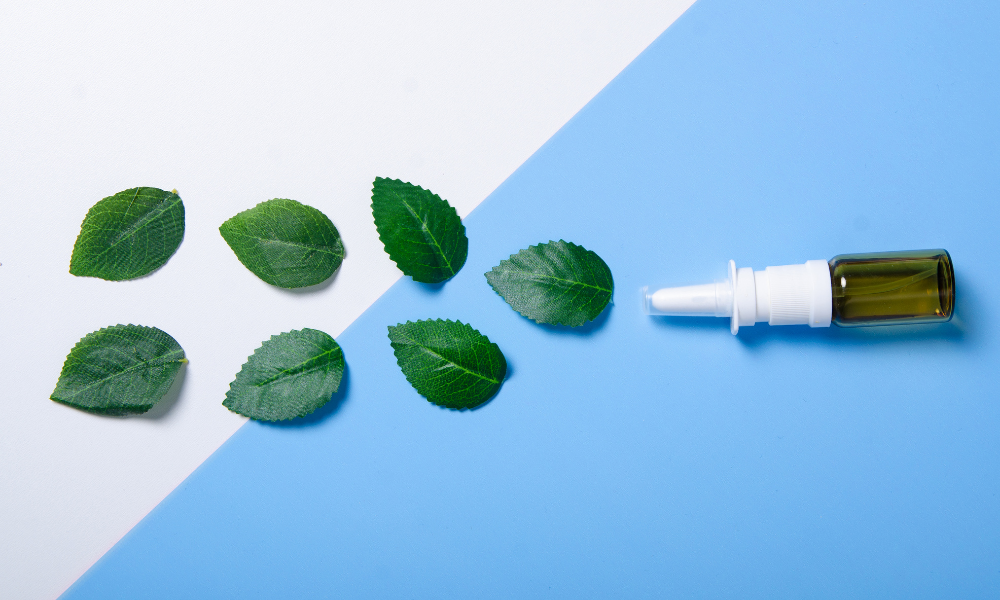
Nasal sprays also often contain hyaluronic acid to counteract drying of the mucous membranes. [10]
Hyaluronic acid in eye drops is said to help stabilize the tear film. [11] When the tear film breaks, the fluid evaporates easily, causing the eyes to dry out.
Side effects of hyaluronic acid
Since hyaluronic acid is a substance produced naturally by the body, it is generally well tolerated and side effects are very rare.
If allergic reactions or other problems occur, this is usually not due to hyaluronic acid but to other ingredients in the preparations. With hyaluronic acid injections, the injection can cause a reaction.
However, people who have or have had cancer in the past should be cautious with hyaluronic acid supplements because hyaluronic acid plays a role in cell migration , which enables cancer cells to move around the body and form metastases . [12]
Buy Hyaluron
When it comes to hyaluronic acid preparations, you should pay close attention to the ingredients . Many products contain artificial preservatives , synthetic binding agents and separating agents. Capsules for oral use also often contain sweeteners, artificial flavors, colors and other additives .
Conclusion: Hyaluron has important functions in connective tissue and skin
Hyaluron is an important component of connective tissue and is found primarily in synovial fluid, cartilage, the vitreous body in the eye and in the skin . The body can produce it itself, but production decreases with age. Due to its ability to bind large amounts of water , hyaluronic acid is very popular in the cosmetics industry . It is also used in the medical field .
[1] https://pubchem.ncbi.nlm.nih.gov/compound/Hyaluronic-Acid
[2] https://www.ncbi.nlm.nih.gov/pmc/articles/PMC3583886/
[3] https://www.ncbi.nlm.nih.gov/books/NBK482440/
[4] https://link.springer.com/article/10.1007/BF03323875
[5] https://pubmed.ncbi.nlm.nih.gov/30287361/
[6] https://www.ncbi.nlm.nih.gov/pmc/articles/PMC4729158/
[7] https://www.efsa.europa.eu/de/efsajournal/pub/2806
[8] https://www.ncbi.nlm.nih.gov/pmc/articles/PMC5814393/
[9] https://pubmed.ncbi.nlm.nih.gov/25877441/
[10] https://pubmed.ncbi.nlm.nih.gov/25104962/
[11] https://www.karger.com/Article/FullText/501712
[12] https://link.springer.com/referenceworkentry/10.1007%2F978-4-431-54841-6_191
Astaxanthin: Powerful antioxidant from algae
Your body has to fight against pathogens, diseases and attacks from inside and outside every day. In order not to lose this battle, it needs substances that help it to remain strong and resistant. Antioxidants are such substances. They help your organism in the fight against free radicals. At the forefront is the algae pigment astaxanthin. In this article we will take a closer look at it and explain how it can support your health.
At the end of the article there is a 5% voucher for our Astaxanthin waiting for you!
What is astaxanthin actually?
Chemically speaking, astaxanthin belongs to the xanthophylls. This is one of two classes into which the over 1,000 existing carotenoids are divided. These in turn are a group of natural substances that give various plants, such as peppers and tomatoes, their typical coloring. But astaxanthin is actually also found in animal organisms: in nature, it gives crabs and salmon their characteristic pink coloring.
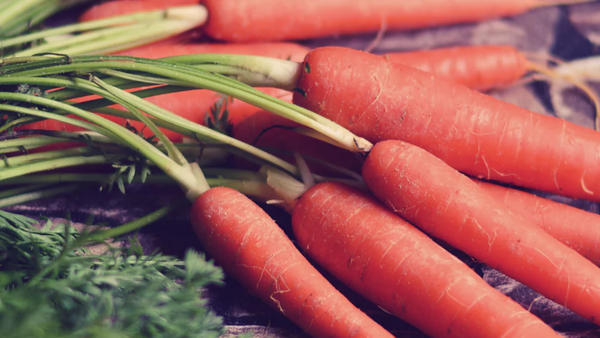
The group of carotenes includes, for example, β-carotene found in carrots or lycopene found in tomatoes. The group of xanthophylls includes, for example, lutein and zeaxanthin found in spinach, as well as astaxanthin.
Natural astaxanthin, obtained from the microalgae Haematococcus pluvialis, has one of the highest antioxidant potentials. But unlike other antioxidants and carotenoids such as β-carotene or lycopene, astaxanthin is said to be able to cross the blood-retinal barrier and therefore has a supportive effect on inflammation of the eye.
In the EU, astaxanthin is not approved as a medicine, but as a food supplement and food coloring (E161).
Antioxidants - no chance for free radicals
We often come across the term “antioxidant”, but what exactly does it mean?
As the name suggests, they prevent oxidation. And that's a good thing, because these oxidation processes produce free radicals. These are very aggressive and reactive oxygen-containing molecules, atoms or ions with an unpaired electron, such as the hydroxyl radical.
Free radicals are created in the body by endogenous (internal) factors, such as overloading of the mitochondrial combustion processes, or exogenous (external) factors. These include smoking, exposure to heat or environmental toxins.
Since they are missing an electron, they steal electrons from another molecule. When they come into contact with body cells, they then acquire the missing electron and thereby put biological tissue under oxidative stress. As initiators, they can trigger a chain reaction that either damages or even completely destroys tissue, cells and molecules.
Because of the missing electron, the reaction partner itself becomes a free radical and starts searching for something.
Antioxidants serve as protection against free radicals. Examples of other antioxidants are selenium , zinc and vitamins C , E and B2, which help protect cells from oxidative stress.
Let’s get a little more scientific for a moment…
Pharmacological and clinical properties of astaxanthin
An in vitro study from 1990 suggests that astaxanthin has anti-inflammatory properties.
Another study, published in the journal Trends in Biotechnology , showed evidence that this powerful antioxidant could also help with degenerative diseases such as osteoarthritis and arthritis.
The positive results of this research suggest that astaxanthin could have medical significance. However, further studies are needed to explore the range and depth of its effectiveness.
Astaxanthin in use
A placebo-controlled and randomized double-blind study published in 2010 investigated the effectiveness of astaxanthin on oxidative stress, the immune system and inflammatory processes in young women.
The results - published in the journal Nutrition & Metabiolism - showed that astaxanthin could reduce tissue-damaging acute-phase proteins and DNA-damaging biomarkers.
But not only that: In addition, it also seemed to strengthen the cell-controlled immune response in these healthy, young women.
As a fat-soluble active ingredient, astaxanthin exerts its effectiveness in the lipid areas of the body. It protects the inside and outside of the cell membrane from the damage of free radicals because it extends through the entire lipid bilayer of the membranes in the cells.
However, the absorption of astaxanthin in the intestine, as well as the absorption of related carotenoids, is often not high. The reason: these substances are poorly soluble in water. Therefore, it is best to take them in combination with fat.
Now let’s look at some practical examples where astaxanthin could help!
What can astaxanthin help with?
First of all: Astaxanthin is not a miracle cure. However, various studies have shown that it can make a valuable contribution to maintaining the body's health. Further research will show to what extent Astaxanthin can be used in the medical field.
Here are a few examples where this carotenoid has already shown its potential:
UV light and heat exposure are two factors that stimulate the formation of free radicals. As a study published in the journal Nutrition showed, astaxanthin can help protect your skin from the harmful effects of radiation through its antioxidant properties.
Antioxidants are said to strengthen eyesight. Taking astaxanthin could potentially help prevent age-related macular degeneration. This is suggested by a study entitled “Secondary Analyses of the Effects of Lutein/Zeaxanthin on Age-Related Macular Degeneration Progression“
Strength endurance, athletic performance and faster regeneration are also said to be promoted by taking astaxanthin. This is the conclusion reached by a review from 2017. It showed that the stress caused by exercise, the symptoms of fatigue and muscle and joint pain were alleviated.
A Swedish double-blind study looked at increasing strength endurance on a squat machine over a period of six months. The group of subjects who received 4 mg of astaxanthin per day increased their number of repetitions three times as much as the placebo group.
In a placebo-controlled study of 20 couples with infertility caused by poor sperm quality, it was shown at the end that sperm speed, morphology and motility had increased, while oxidation activity decreased over the same period.
It can be said that wherever antioxidants play a role in health, the use of astaxanthin is a good choice.
What are the side effects?
So far, no side effects are known if the packaging recommendations are followed when taking astaxanthin.
If you suffer from an allergy to crustaceans, you should find out in advance where the astaxanthin in the product comes from. This way, you can avoid allergic reactions in case there are actually traces of it.
Even as a cancer patient undergoing tumor therapy, you should discuss the intake of dietary supplements in detail with your doctor.
Research results published in the journal Food and Chemical Toxicology showed an effect of astaxanthin on liver enzymes. When taken, there can be an increase in the drug-degrading cytochrome P450 enzymes. This causes certain drugs to be broken down more quickly, which can potentially affect their effectiveness.
As is often the case, further studies are needed in order to be able to give more precise recommendations on possible side effects.
How to take and dose astaxanthin
Experts consider a daily dose of 4 mg of astaxanthin per day to be a safe intake.
This is also roughly the amount that is contained in a standard capsule. As mentioned, the active ingredient is very fat-soluble. To improve absorption in the intestine, you should also consume a fatty food when taking it.
Viktilabs' astaxanthin is dissolved in high-quality MCT oil, which also increases absorption. It also contains vitamin E, which also has an antioxidant effect.
Conclusion: Astaxanthin is a promising antioxidant
Astaxanthin, an algae pigment that belongs to the carotenoids, is mainly found in plants. As an antioxidant, it supports the body in defending itself against so-called free radicals, which can cause cell damage, among other things.
Astaxanthin could help fight inflammatory diseases such as osteoarthritis or arthritis. Studies also show that it could have positive effects on skin, eyes and even sperm quality.
Although it is considered safe to consume, people who are allergic to crustaceans should pay close attention to the source of their dietary supplement.
We at +Viktilabs would like to thank you for reading this far and are giving you a 5% voucher for our ASTAXANTHIN . Simply copy the voucher code " ASTAXANTHIN5+V " and enter it at the checkout.
Click here for the product
_________________________________________________________________________
[1] https://pubmed.ncbi.nlm.nih.gov/12727382/
[2] https://pubmed.ncbi.nlm.nih.gov/16562856/
[3] https://patents.google.com/patent/US5527533A/en
[4] https://pubmed.ncbi.nlm.nih.gov/2084711/
[5] https://pubmed.ncbi.nlm.nih.gov/12766075/
[6] https://jglobal.jst.go.jp/en/detail?JGLOBAL_ID=200902273278006725
[7] https://pubmed.ncbi.nlm.nih.gov/12727382/
[8] https://pubmed.ncbi.nlm.nih.gov/20205737/
[9] https://www.ncbi.nlm.nih.gov/pmc/articles/PMC5946307/
[10] https://jamanetwork.com/journals/jamaophthalmology/fullarticle/1788227
[11] https://www.ncbi.nlm.nih.gov/pmc/articles/PMC5778137/
[12] https://www.alifenutrition.cz/userfiles/dietary-supplementation-with-astaxanthin-rich-algal-meal-improves-strength-endurance.pdf
[13] https://pubmed.ncbi.nlm.nih.gov/20860632/
[14] https://pubmed.ncbi.nlm.nih.gov/23669408/

OPC: What can the antioxidant do?
OPC is responsible for red wine being considered so heart-healthy. It is found primarily in the seeds and skins of red grapes.
But why is OPC so healthy?
At the end of the article there is a 5% OPC voucher waiting for you. It's worth reading on!
First a few terms…
First, we should perhaps clarify a few terms that you will repeatedly stumble across in this article.
Oligomeric proanthocyanidins (OPC) are large molecules that consist of several chemically identical or similar building blocks (from ancient Greek oligoi "few" and méros "part"). In the case of OPC, these are proanthocyanidins. OPC is found as an ingredient in numerous plants that play a role as stimulants, food and medicine.
Proanthocyanidins belong to a group of flavonoids called tannins, and are therefore among the higher-level polyphenols. They are tannins that protect plants from fungal infections and parasites and can have a positive effect on wound healing in humans.
Resveratrol , a secondary plant substance, also belongs to the group of polyphenols and is found in large quantities in peanuts, in the skin of red grapes and in Japanese knotweed, for example. In 2016, synthetically produced trans-resveratrol was approved as a food ingredient [1] .
Flavonoids fulfil a variety of different functions in plants, such as UV protection or attracting pollinators. The flavonoids contained in fruit and vegetables are relevant for humans and their diet and are among the most common polyphenols. They are said to have particularly antioxidant properties.
An antioxidant is a chemical compound that either completely prevents or at least slows down the oxidation of other substances. Antioxidants are considered a means of fighting free radicals in the body.
The beginning - From peanut to remedy
In 1947, the French microbiologist and physician Jaques Masquelier discovered oligomeric proanthocyanidins during a study on the feedability of peanut skins . He originally wanted to know whether the abundant - and previously unused - peanut skins would be suitable as animal feed.
But when he discovered in animal experiments that these peanut skins helped in the healing of venous diseases , he was able to isolate the substance he believed was responsible: OPC.
How OPC is produced
Although it is found in many foods such as apples, cinnamon, coconuts, blackberries or red wine [2] , OPC as a dietary supplement is mainly made from grape seeds . As a waste product in the production of wine and grape seed oil, these seeds are an easily available raw material.
The grapes are pressed to make grape must. The seeds are sorted out of the press residue, called pomace, and gently dried. They are then cold-pressed to extract grape seed oil. Alternatively, they are ground into a fine flour. Grape seed flour, which is rich in polyphenols and proanthocyanidins [3], serves as the basis for many preparations and is either bottled or pressed into capsule form.
How does OPC work?
The health-promoting effects of OPC are due to its antioxidant and anti-inflammatory properties.
Antioxidant
The main effect of OPC or its metabolites is their antioxidant effect. The strongest OPC antioxidant described to date is 18.4 times as strong as vitamin C and 50 times as strong as vitamin E. OPC may also contain catalysts that can enhance the positive effects of vitamins A, C and E [4] . In addition, it is highly bioavailable [5] .
Human cell studies [6] and animal studies [7] have also shown that OPC has a strong antioxidant effect. It protects cells very effectively against oxidative stress.
Anti-inflammatory
The anti-inflammatory effect of grape seed extract was shown, for example, in a study on mice from China [8] . Not only were inflammatory bowel diseases alleviated by OPC, it also improved the intestinal flora and prevented the formation of pro-inflammatory cytokines [9] .
Oxidative stress and inflammatory reactions are closely related: oxidative stress causes damage in the body, which the immune system tries to eliminate. This in turn leads to inflammatory reactions.
Excessive oxidative stress and inflammation are associated with many diseases: [10]
Type 2 diabetes
Cardiovascular diseases
Neurodegenerative diseases
Autoimmune diseases
Inflammatory diseases
OPC – In these cases it could help
Since antioxidants such as OPC reduce oxidative stress and thus inflammation, it is assumed that they can also reduce the risk of these diseases. This has not yet been scientifically proven, but there are numerous studies that indicate that OPC can be helpful in many chronic diseases.
Blood vessels
OPC has a positive effect on the blood vessels : It can not only lower blood pressure [11] [12] , it even promotes the formation of elastin and collagen fibers, which are important, among other things, in the construction of blood vessels.
Blood thinners
The blood-thinning properties of OPC (antiplatelet agent) were demonstrated in a study [13] . This approach is particularly interesting in the treatment of thrombosis.
Cholesterol levels and insulin resistance
Studies have also shown that grape seed extract has a beneficial effect on cholesterol levels [14] and insulin resistance [15] , although research in these areas is still quite limited.
Reduces the oxidation of LDL
LDL cholesterol is often referred to as the "bad" cholesterol. But this is a gross oversimplification and not entirely correct. LDL cholesterol only becomes problematic when it oxidizes due to excessive oxidative stress. [16] Some studies indicate that grape seed extract could reduce the oxidation of LDL. [17] This could theoretically reduce the risk of atherosclerosis and heart attacks . However, the research here is not entirely clear.
Improves brain health
In animal studies, grape seed extract was able to improve learning and memory performance . [18] OPC was also able to reduce amyloid plaques , which play an important role in the development of Alzheimer 's disease. [19]
There are also human studies in which OPC had a similar effect on brain performance . [20] However, further studies are needed to confirm the effectiveness of OPC.
Could help prevent cancer
The development of cancer is complex. However, it is well established that oxidative stress promotes the development of DNA damage , which in turn promotes cancer. [21]
Animal studies have shown that OPC can indeed help with cancer. [22] However, this has yet to be confirmed in human studies.
What side effects does OPC have?
In general, it can be said that OPC supplements are safe. [23] Of course, risk groups, including allergy sufferers, pregnant women or women who are breastfeeding , should consult their doctor before taking additional supplements.
Because of its blood-thinning properties, people who are about to undergo surgery or who have other problems with their blood clotting or are taking blood-thinning medication should also be careful.
Capsules, powder or liquid – How to take OPC
There are no scientific dosage recommendations yet, and the dosage varies from provider to provider. In general, however, the guideline for a daily dose is 150 to 300 mg .
Capsules can be taken with a little liquid and can therefore be easily integrated into everyday life. They are of course also more practical if you are on the go and do not want to go without your nutritional supplements.
In powder form , OPC can be mixed with liquid and consumed in the form of a smoothie, for example. Another advantage of the powder: it can be dosed more precisely. However, experts recommend not taking grape seed extract preparations with dairy products.
Grape seed extract is also available in liquid form , which you can easily take before or after meals.
Liposomal OPC from Viktilabs
Viktilabs Liposomal OPC is surrounded by liposomes (a protective shell) that prevents it from being broken down prematurely in the stomach. This means it reaches the intestine undigested , where it is absorbed. It is natural OPC extracted from grape seeds. It is free of artificial preservatives and other additives.
Conclusion: OPC is a powerful antioxidant
Oxidative stress can cause a lot of damage to the body. Many animal studies and some human studies indicate that OPC can protect against oxidative damage thanks to its antioxidant effect.
OPC is found in some foods, but for effectiveness it probably needs to be taken in higher doses in the form of a dietary supplement.
We at +Viktilabs would like to thank you for reading this far and are giving you a 5% voucher on our OPC products .
Simply copy the voucher code " OPC5+V " and paste it at checkout. Click here to go to O PC
________________________________________________________________________
[1] https://www.bfr.bund.de/cm/343/durchfuehrungsbetritt-der-kommission-trans-resveratrol.pdf [2] https://academic.oup.com/ajcn/article/79/5/727/4690182 [3] https://pubmed.ncbi.nlm.nih.gov/14977436/ [4] https://europepmc.org/article/pmc/4615409
[5] https://pubmed.ncbi.nlm.nih.gov/10962138/
[6] https://pubmed.ncbi.nlm.nih.gov/23747595/
[7] https://pubmed.ncbi.nlm.nih.gov/26462792/
[8] https://pubmed.ncbi.nlm.nih.gov/23963706/
[9] https://pubmed.ncbi.nlm.nih.gov/11749811/
[10] https://www.ncbi.nlm.nih.gov/pmc/articles/PMC5927356/
[11] http://www.unifarm-medicom.rs/pdf/MN-BP%20GSE%20in%20PreHyp%20Journal%20of%20Pharmacy%20and%20Nutrition%202012.pdf
[12] https://pubmed.ncbi.nlm.nih.gov/19608210/
[13] https://pubmed.ncbi.nlm.nih.gov/2516322/
[14] https://pubmed.ncbi.nlm.nih.gov/11508317/
[15] https://www.ncbi.nlm.nih.gov/pmc/articles/PMC3972396/
[16] https://www.ncbi.nlm.nih.gov/pmc/articles/PMC4258672/
[17] https://pubmed.ncbi.nlm.nih.gov/12475295/
[18] https://pubmed.ncbi.nlm.nih.gov/24171080/
[19] https://pubmed.ncbi.nlm.nih.gov/18815129/
[20] https://pubmed.ncbi.nlm.nih.gov/29163162/
[21] https://pubmed.ncbi.nlm.nih.gov/21216256/
[22] https://pubmed.ncbi.nlm.nih.gov/25880972/
[23] https://pubmed.ncbi.nlm.nih.gov/11955665/
Turmeric: Superfood that prevents diseases?
Nowadays, many people want to take their health into their own hands in order to become as fit as possible and protect themselves against diseases. A term that is often heard in this context is turmeric. Here you can find out what turmeric is exactly and whether it can actually improve your health and well-being.
At the end of the article there is a 5% voucher for our turmeric waiting for you. It’s worth reading on!
This is turmeric
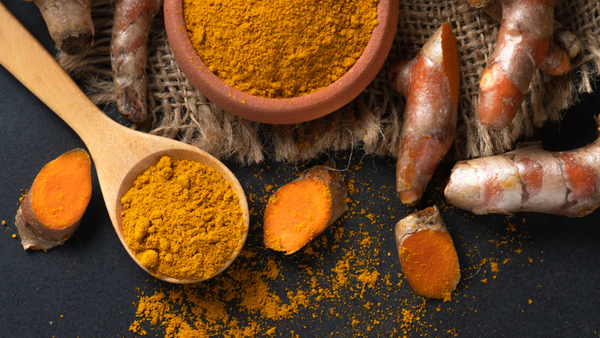
Turmeric, saffron root or yellow ginger - you may know turmeric by one of its other names. The ginger plant originally comes from South Asia. The rootstock - the rhizome - is intensely yellow and resembles that of ginger. Peeled, fresh or dried, it is used as a spice or dye and has been used for a very long time in traditional Chinese medicine and Ayurvedic cuisine.
Turmeric is said to have anti-inflammatory and antioxidant properties. One reason why it is so popular as a supplement in the daily diet. This effect is due to the curcumin contained in the root tuber. In addition to essential oils, the rhizome contains up to 3 percent of this secondary plant substance, as shown by a study presented in the magazine Nutrition and Cancer .
Its antioxidant effect
It is known that oxidative stress damages our body and is responsible for many diseases and aging. Free radicals are created, which attack the genetic material in our cells and react with important organic compounds such as fatty acids or proteins.
Curcumin helps protect your body in several ways. It is a powerful antioxidant that can neutralize free radicals due to its chemical structure. It also increases the activity of the body's own antioxidant enzymes and thus prevents damage. This is shown by research from 2000.
In this way, turmeric fights the effects of free radicals in two ways: It blocks them directly and increases your body's defenses.
Its anti-inflammatory effect
Inflammation in the body is not a bad thing per se. It serves as a weapon against pathogens and plays a role in repairing damage. Without it, invaders such as bacteria would have an easy time with our health.
On the other hand, it is dangerous for the body when inflammation becomes chronic. This is the case with diseases such as osteoarthritis and rheumatoid arthritis, Alzheimer's or cancer. Therefore, anything that helps combat chronic inflammation is important.
Curcumin has powerful anti-inflammatory properties. As shown by a study published in the Journal of Biological Chemistry , it blocks NF-kB, a molecule that enters the cell nucleus and switches on the genes responsible for inflammation.
Inflammation and oxidation processes play a major role in the aging process. For this reason, turmeric is known as an anti-aging supplement. However, the extent to which turmeric can actually stop the aging process still needs to be better researched.
Turmeric could be effective against these diseases
As a study in the Journal of Natural Science, Biology and Medicine shows, science is now also interested in the potential medicinal effectiveness of this plant.
Cardiovascular diseases
According to the World Health Organization (WHO), cardiovascular diseases remain the number one cause of death worldwide. Blockages and malfunctions in the arteries and vessels impede blood flow, causing it to come to a standstill.
Although many factors play a role in this disease, studies have shown that curcumin can help reverse some of the steps in the disease's progression. It has a positive effect on the disease's progression in several ways. This is also the conclusion of a study from 2009.
Obesity
Recent research has examined what role turmeric might play in weight loss.
A study entitled “Curcumin and obesity” showed that curcumin could suppress certain inflammatory markers that play a role in obesity. These markers are typically elevated in people who are overweight.
A preliminary study of 44 participants, presented in the journal European Review for Medical and Pharmacological Sciences, showed a significant reduction in body weight, body mass index (BMI), and waist and hip circumference. These people, who were previously unable to lose weight, were given 800 mg of curcumin twice daily along with 8 mg of piperine.
Piperine is a component in black pepper that can increase the absorption of curcumin.
Although current research is promising, more human studies are needed before turmeric can be recommended for weight loss, so for now, exercise and eating right are the only things you can do!
Depression
Curcumin has also shown promising potential in the treatment of depression.
In a controlled study, 60 people suffering from depression were randomly divided into three groups. The first group received the drug Prozac, the second one gram of curcumin, and the third group curcumin and Prozac. After six weeks, the curcumin led to improvements in the condition that were similar to those seen in the Prozac group. But the group that took both substances clearly did the best.
Although the complete antidepressant effect of curcumin is not yet fully understood, it is believed that it could enhance the production of the neurotransmitters serotonin and dopamine.
Type 2 diabetes
As a study description on the Karl and Veronica Carstens Foundation website shows, curcumin can help fight inflammation and keep blood sugar levels constant. For this reason, it could be a useful tool for preventing or treating type 2 diabetes (so-called adult-onset diabetes).
A study of over 200 adults, presented on the American Diabetes Association website, showed that additional intake of curcumin over a period of nine months reduced the risk of developing diabetes.
However, since most of the studies to date have been conducted on animals and not on humans, a final assessment is not yet possible.
Alzheimer
Alzheimer's is a neurodegenerative disease that is responsible for more than 60 percent of dementia cases worldwide. Despite ongoing research, there is still no cure for it. This makes it all the more important to prevent the disease from occurring in the first place.
It has been shown that curcumin can cross the blood-brain barrier and therefore fulfills the first prerequisites for combating Alzheimer's disease.
In addition, a key feature of Alzheimer's disease is the accumulation of protein fragments between neurons in the brain, called amyloid plaques. A study presented in the Journal of Alzheimer's Disease shows that curcumin could help clean these plaques
However, it is not certain that curcumin can actually slow or even reverse the progression of Alzheimer's disease in humans, so much more research is needed.
Are there any side effects?
As we all know, where there is light there is also shadow. So can you expect side effects when taking turmeric or curcumin?
The good news is that turmeric is considered safe for most people. A study of 10 adults showed that taking 490 mg of curcumin daily for a week caused no side effects.
As described in the journal Pharmaceutical Biology , various powders may contain fillers such as cassava starch, barley, wheat or rye flour and may not be suitable for you if you suffer from gluten intolerance.
Some of the powders on offer, which have been diluted with flour, may also contain Acid Orange 36, a food coloring commonly used in India, better known as Metanil Yellow. Metanil Yellow is believed to cause neurological damage and cancer if consumed in high doses, according to research published in the journal Foods in 2016.
Although there are no reliable studies on its effects on humans, metanil yellow is not approved as a food coloring in the EU.
Taking moderate amounts of curcumin is therefore considered safe.
Intake and dosage
One question remains: What is the best way to take curcumin?
The internet offers a huge selection of recipes. From the famous golden milk from Ayurveda to turmeric rice, yellow smoothies and various curries. The Asian spice has many uses.
You can find fresh turmeric roots in Asian supermarkets or in any well-stocked organic store. We also recommend making turmeric tea, which you can enjoy at any time of the day.
Most studies that indicate a positive effect of curcumin were conducted with amounts that are generally over 1 g per day. However, you cannot reach this amount in everyday life simply by seasoning food and drinks.
For a higher dose, you should use high-quality capsules that contain piperine as well as curcumin. Curcumin is poorly absorbed into the bloodstream. However, because it is fat-soluble, it can be a good idea to take it with a fatty meal.
Conclusion: Not a miracle cure, but promising
Turmeric, the ginger root that originates from South Asia, has also become a part of modern cuisine here. This is partly due to its taste, but also due to the many health benefits that it is said to have.
The curcumin contained in turmeric has shown promise in various studies, whether in the fight against depression, Alzheimer's disease, obesity or type 2 diabetes. Nevertheless, a lot of research is still needed to conclusively confirm these approaches.
If you want to make turmeric a regular part of your diet, dietary supplements are a good choice. However, you should make sure that they are of high quality.
As a small thank you for making it to the end of this article, we would like to give you a 5 % voucher for our Turmeric offer.
Simply copy the voucher code “ KURKUMA5+V ” and enter it at checkout.
Click here for the product
________________________________________________________________________
[1] https://pubmed.ncbi.nlm.nih.gov/17044766/
[2] https://pubmed.ncbi.nlm.nih.gov/10964379/
[3] https://www.rheumaliga.ch/assets/doc/Bachmann_Curcuma-bei-Arthrose-und-RA.pdf
[4] https://pubmed.ncbi.nlm.nih.gov/12490959/
[5] https://pubmed.ncbi.nlm.nih.gov/19594223/
[6] https://www.ncbi.nlm.nih.gov/pmc/articles/PMC4543531/
[7] https://www.jbc.org/content/270/42/24995.full
[8] https://pubmed.ncbi.nlm.nih.gov/20205886/
[9] https://www.ncbi.nlm.nih.gov/pmc/articles/PMC3633300/
[10] https://www.who.int/en/news-room/fact-sheets/detail/the-top-10-causes-of-death
[11] https://pubmed.ncbi.nlm.nih.gov/19233493/
[12] https://pubmed.ncbi.nlm.nih.gov/23146777/
[13] https://pubmed.ncbi.nlm.nih.gov/10543305/
[14] https://pubmed.ncbi.nlm.nih.gov/23339049/
[15] https://pubmed.ncbi.nlm.nih.gov/27208389/
[16] https://pubmed.ncbi.nlm.nih.gov/26592847/
[17] https://pubmed.ncbi.nlm.nih.gov/29065496/
[18] https://pubmed.ncbi.nlm.nih.gov/25772181/
[19] https://pubmed.ncbi.nlm.nih.gov/31249528/
[20] https://pubmed.ncbi.nlm.nih.gov/23832433/
[21] https://pubmed.ncbi.nlm.nih.gov/23832433/
[22] https://www.hindawi.com/journals/tswj/2009/624894/
[23] https://link.springer.com/article/10.1007/s00213-008-1300-y
[24] https://www.ncbi.nlm.nih.gov/pmc/articles/PMC3857752/
[25] https://pubmed.ncbi.nlm.nih.gov/22773702/
[26] https://pubmed.ncbi.nlm.nih.gov/7390600/
[27] https://pubmed.ncbi.nlm.nih.gov/22407780/
[28] https://www.ncbi.nlm.nih.gov/pmc/articles/PMC5003001/
[29] https://www.ncbi.nlm.nih.gov/pmc/articles/PMC2781139/
[30] https://onlinelibrary.wiley.com/doi/full/10.1111/j.1755-5949.2010.00147.x
[31] https://pubmed.ncbi.nlm.nih.gov/16988474/
[32] https://pubmed.ncbi.nlm.nih.gov/1291482/
[33] https://pubmed.ncbi.nlm.nih.gov/3546166/
[34] https://pubmed.ncbi.nlm.nih.gov/7390600/
[35] https://pubmed.ncbi.nlm.nih.gov/25853978/
[36] https://pubmed.ncbi.nlm.nih.gov/28231130/
[37] https://pubmed.ncbi.nlm.nih.gov/8095244/
[38] https://pubmed.ncbi.nlm.nih.gov/12616621/
[39] https://pubmed.ncbi.nlm.nih.gov/18469248/
Vitamin K: Function, symptoms of deficiency & food list
Like vitamins A, D and E, vitamin K is one of the fat-soluble vitamins . It has important functions in blood clotting and bone metabolism .
Here you can find out what vitamin K does in the body and which foods contain a lot of vitamin K.
We will also explain how to recognize a defect and how to fix it.
At the end of the article there is a 5% voucher waiting for you. This is valid for all our vitamins that contain K2!
What is vitamin K?
Vitamin K is an essential nutrient that we must obtain from our diet. There are different forms of vitamin K: vitamin K1 and vitamin K2 .
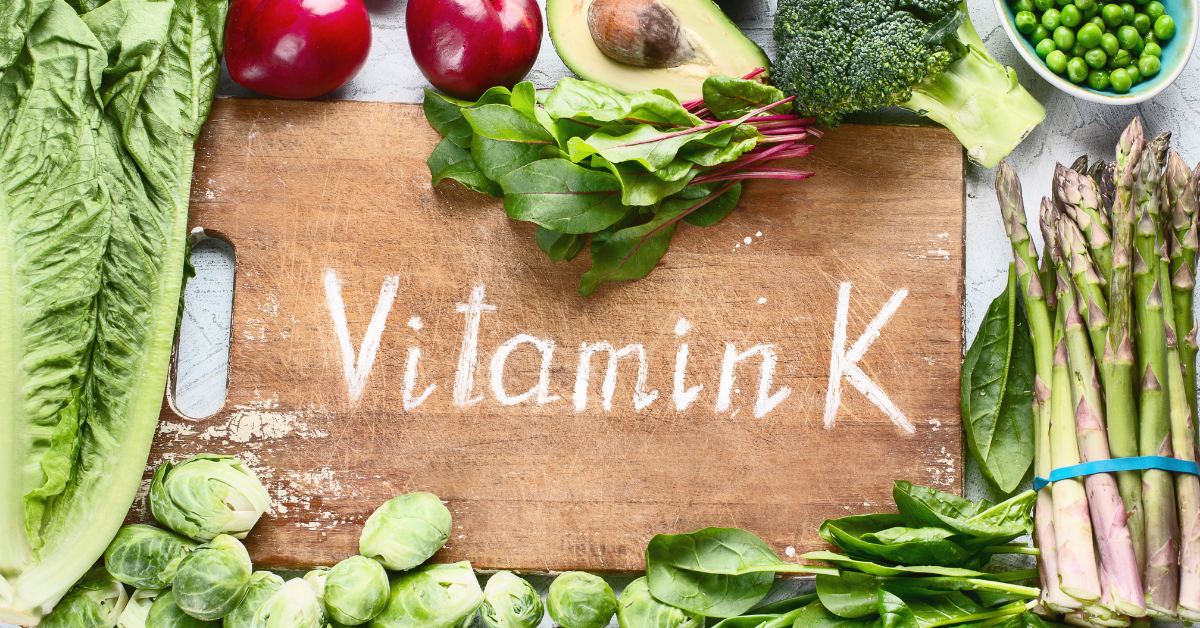
Plant foods, especially green leafy vegetables such as spinach and cabbage, are very rich in vitamin K1 (phylloquinone).
Vitamin K1 has a significantly lower bioavailability than vitamin K2. This means that the body cannot absorb and use it as well. Vitamin K2 can be produced from vitamin K1 by bacteria in the intestine.
There are many different forms of vitamin K2. The two main forms are particularly important in nutrition:
Menaquinone-4 (MK-4) : Found mainly in animal foods such as dairy products, eggs and meat
Menaquinone-7 (MK-7) : By far the best source of MK-7 is fermented soy products, such as the traditional Japanese food natto.
Why is vitamin K important?
Vitamin K plays an important role in blood clotting and is important for vascular health. [1]
People with a vitamin K deficiency have an increased risk of atherosclerosis (so-called hardening of the arteries). Conversely, there is scientific evidence that supplementing with vitamin K2 can stop the progression of the disease. [2]
Vitamin K is also important for bone health . Vitamin K2 activates the bone hormone osteocalcin . This hormone binds calcium and ensures that calcium is absorbed into the bones. Osteocalcin strengthens the bones and the osteocalcin level in the blood is considered a marker for assessing the risk of osteoporosis (bone loss) . [3] Vitamin K therefore contributes to the maintenance of bones and teeth. [4]
Incidentally, vitamin K also needs vitamin D to function. Vitamin D supports vitamin K2 in the absorption of calcium into the bones . [5] When taking a dietary supplement, it is therefore advisable to use a vitamin D3/K2 combination product .
Studies also indicate that vitamin K2 has an anti-inflammatory effect. Taking vitamin K2 lowers the inflammatory marker CRP ( C - Reactive Protein ) in the blood. [6]
Vitamin K daily requirement
According to the German Nutrition Society (DGE), an adult's daily requirement of vitamin K is 60-80 ug . [7] Men have a slightly higher requirement than women, and people over the age of 50 also have an increased requirement. However, the DGE does not differentiate between vitamin K1 and K2 in its recommendation.
Vitamin K deficiency symptoms: How to recognize it
A vitamin K deficiency causes a number of typical symptoms . However, these symptoms can also have other causes and are not necessarily due to a vitamin K deficiency. A deficiency can only be diagnosed by a doctor. This is usually done with the help of a blood coagulation test . [8]
Common symptoms of vitamin K deficiency include: [9]
high susceptibility to bruises and hematomas
Nose and gum bleeding
very dark, bloody stool
Difficulty concentrating
Weakness and lack of motivation
high susceptibility to bone fractures
Causes of vitamin K deficiency
A vitamin K deficiency occurs when either not enough vitamin K is consumed through food or there are problems with vitamin K absorption.
Since vitamin K is fat-soluble, disorders in fat metabolism can impair vitamin K absorption. Intestinal and liver diseases can also make it difficult to absorb the vitamin and thus promote a deficiency. [10]
Similarly, taking certain medications, such as antibiotics and antiepileptic drugs , can lead to a vitamin K deficiency over time. [11]
A vitamin K deficiency is not uncommon. 8-31% of adults have a deficiency of the vitamin. However, it is rarely so severe that it leads to blood clotting disorders. [12]
Foods with vitamin K
Vitamin K is found in both plant and animal foods . Green leafy vegetables are very rich in vitamin K1. However, you have to remember that the body cannot use vitamin K1 very well. That's why you should not only pay attention to how much vitamin K a food contains, but also what form it comes in.
Since vitamin K is fat-soluble, you should always make sure to eat vitamin K-rich foods along with some fat . This is especially important with plant-based foods, as animal foods naturally contain the required amount of fat. One study has shown that the absorption of vitamin K from vegetables can be tripled by adding fat! [13]
However, vitamin K is very heat-stable , so no significant amounts of vitamin K are lost during cooking.
In the table you will find the best plant and animal sources of vitamin K. The information is in ug/100g.
Herbal
Animal
Natto: MK-7 (1000) [14]
Cheese (Emmental): MK-4, MK-9 (45) [15]
Cabbage: K1 (817) [16]
Egg yolk: MK-4 (33.5) [17]
Cress: K1 (542) [18]
Salami: MK-4 (11,3) [19]
Spinach: K1 (483) [20]
Chicken: MK-4 (8,9) [21]
Radicchio: K1 (255) [22]
Whipped cream: MK-4 (4.5) [23]
Correct vitamin K deficiency
If you are slightly deficient in vitamin K, you can focus more on foods rich in vitamin K. However, an acute vitamin K deficiency cannot be easily remedied with vitamin K from food. In this case, it makes sense to counteract it with a high-quality dietary supplement .
Not all vitamin K is the same. For this reason, you should pay attention to which form of vitamin K the preparation contains. Basically, high-quality vitamin K preparations always contain vitamin K2. It is often found as MK-4 or MK-7 . Both have a high bioavailability and can be used well by the body. If you value plant-based vitamin K, you should buy a preparation with MK-7.
Vitamin K2 from Viktilabs
Viktilabs' vitamin K2 contains MK-7, which is produced from farnesol and geraniol . Farnesol and geraniol are plant compounds that are found in rose oil, for example. It is dissolved in MCT oil and coconut oil . This ensures that the fat-soluble vitamin is well absorbed. It is also packaged in a light-protected manner, as vitamin K is very sensitive to light.
It also contains no synthetic binding agents or artificial preservatives and is gluten and lactose free. It is developed in Germany according to the highest quality standards.
Conclusion: Vitamin K is not the same as Vitamin K
There are many foods that are rich in vitamin K. However, the food labels are often misleading because they do not distinguish between vitamin K 1 and vitamin K2.
A vitamin K deficiency is not uncommon. To correct or prevent a vitamin deficiency, a high-quality vitamin K2 preparation is suitable.
Here you get your 5% voucher code on all our vitamins containing K2
Simply copy this voucher code
VITAMINK5+V
and enter it at the checkout.
Click here to get our K2 vitamins
_________________________________________________________________________
[1] https://www.ncbi.nlm.nih.gov/pmc/articles/PMC4600246/
[2] https://www.ncbi.nlm.nih.gov/pmc/articles/PMC4052396/
[3] https://www.ncbi.nlm.nih.gov/pmc/articles/PMC4576601/
[4] https://www.ncbi.nlm.nih.gov/pmc/articles/PMC4600246/
[5] https://www.ncbi.nlm.nih.gov/pmc/articles/PMC5613455/
[6] https://www.researchgate.net/publication/232813235_Vitamin_K2_administration_is_associated_with_decreased_disease_activity_in_patients_with_rheumatoid_arthritis
[7] https://www.dge.de/forschung/referenzwerte/vitamin-k/?L=0
[8] https://labtestsonline.org/conditions/vitamin-k-deficiency
[9] https://www.ncbi.nlm.nih.gov/books/NBK536983/
[10] https://www.ncbi.nlm.nih.gov/pmc/articles/PMC6683014/
[11] https://pubmed.ncbi.nlm.nih.gov/2276882/
[12] https://www.ncbi.nlm.nih.gov/books/NBK536983/
[13] https://pubmed.ncbi.nlm.nih.gov/8813897/
[14] https://ods.od.nih.gov/factsheets/VitaminK-HealthProfessional/#h3
[15] https://pubmed.ncbi.nlm.nih.gov/17699024/
[16] https://nutritiondata.self.com/facts/vegetables-and-vegetable-products/2461/2
[17] https://www.karger.com/Article/Abstract/54147
[18] https://nutritiondata.self.com/facts/vegetables-and-vegetable-products/2437/2
[19] https://www.karger.com/Article/Abstract/54147
[20] https://nutritiondata.self.com/facts/vegetables-and-vegetable-products/2626/2
[21] https://www.karger.com/Article/Abstract/54147
[22] https://nutritiondata.self.com/facts/vegetables-and-vegetable-products/3018/2
[23] https://www.karger.com/Article/Abstract/54147
Omega-3 foods: These are the best sources
Omega-3 fatty acids are known for their anti-inflammatory effects. They serve as building blocks for cells and support heart and brain health.
In the article about the effects of omega-3 fatty acids , you will learn why they are so important for us. A lack of omega-3 fatty acids can have health consequences.
Here you can find out which foods are the best sources of omega-3 and how you can incorporate them into your diet.
At the end of the article there is a voucher for our Vegan Omega-3 waiting for you.
It’s worth reading on!
What are omega-3 fatty acids?
Omega-3 fatty acids, along with omega-6 fatty acids, are among the essential fatty acids that we must consume through our diet.
The most important omega-3 fatty acids are eicosapentaenoic acid (EPA), docosahexaenoic acid (DHA) and alpha-linolenic acid (ALA).
The body needs all three omega-3 fatty acids. ALA is the only one of the three that is considered essential because the body can produce EPA and DHA from ALA.
However, there is a catch: the conversion of ALA into EPA and DHA is very inefficient. It is about 5%. For this reason, it is very important to also consume EPA and DHA through food.
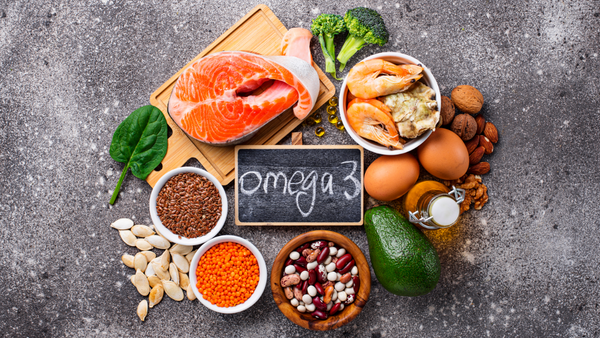
Animal sources of omega-3, such as fish, are rich in EPA and DHA. Plant foods provide almost exclusively ALA. Algae are an exception: they are very rich in DHA and EPA. [1]
Foods rich in omega-3 fatty acids
The best plant-based sources of omega-3:
1. Algae oil
Algae oil is by far the best plant-based source of omega-3. It provides a whopping 10 g of EPA and 29.5 g of DHA per 100 g.
High-quality algae oil tastes very pleasant and doesn't smell fishy. You should also make sure that the algae oil has been tested for heavy metals, because unfortunately many products are contaminated. The algae oil from Viktilabs is of the highest quality and has been tested for heavy metals by TÜV SÜD ELAB.
2. Linseed oil
Linseed oil is rightly famous among plant-based sources of omega-3. With a content of 53.3 g ALA/100 g oil, it provides a good portion of these unsaturated fatty acids. [2]
Linseed oil tastes wonderful in salads, for example as a base for delicious dressings. You can also use linseed oil to make spreads, dips and pesto. If you prefer something simple, you can also drizzle the oil on the dish after cooking to give it a nutty note. However, since linseed oil is very sensitive to heat, you should not heat it.
3. Flaxseed
Of course, not only linseed oil contains important omega-3 fatty acids, but also the linseeds themselves. You can use them to make delicious puddings and shakes, but the flax seeds also work well in muesli and bread or as a salad topping with an omega-3 content of 22.8g ALA/100g. [3]
Flax seeds have a positive effect on digestion and help prevent cravings. They also contain many minerals and vitamins.
4. Chia seeds
Just like flax seeds, chia seeds swell when combined with liquid. This binding effect makes them a perfect base for pudding, muesli and sweet baked goods. With 17.5g ALA/100g, the superfood is not only rich in omega-3, but also contains many antioxidants and is an excellent source of protein. [4]
5. Walnut oil
With 10.4g ALA/100g, walnut oil is also a good source of omega-3 fatty acids. It is also rich in vitamins E and K, making it a real power oil. [5] Walnut oil tastes particularly good in spicy or autumnal dishes, for example in combination with rocket.
The best animal sources of omega-3:
1. Mackerel
Mackerel is the food richest in omega-3 among animal sources. Whether in the oven or on the grill, with lemon or garlic, thanks to the high omega-3 content of 5.1g, it is worth incorporating mackerel into your diet. [6]
2. Salmon
2.5 g of Omega-3/100g also makes salmon an ideal source of Omega-3. It also contains a good amount of protein and oxidants. [7]
The German Nutrition Society recommends eating fatty fish twice a week. [8]
3. Herring
Whether it's a classic herring salad or fried herring, the fish brings a good portion of Omega-3 to the table with 2.4 g Omega-3/100g. [9]
In addition to a high content of protein and healthy fat, herring has another advantage: it is usually much cheaper than tuna and salmon.
4. Tuna
At 2.4 g, 100 g of tuna contains a lot of unsaturated fatty acids. Compared to its other fatty relatives, it is particularly low in calories. Its high content of protein, iodine, zinc and vitamin D also makes tuna one of the healthiest sources of Omega 3. [10]
To benefit from the many advantages of tuna, you should consume it fresh, as canned tuna often contains preservatives.
5. Sardines
Sardines may be small, but they contain a lot of nutritional value. With 0% carbohydrates, they have a good 25% protein, lots of vitamins and minerals and 1.5g of Omega-3 per 100g. [11] Like other types of fish, regular consumption of sardines reduces the risk of cardiovascular disease. [12]
Conclusion: Fish is not the only source of Omega-3
A diet with sufficient omega-3 fatty acids is essential for our health. Fish is often touted as the best source of omega-3, but plant-based foods can also provide plenty of omega-3.
However, it is always important to remember that the body cannot utilize plant-based omega-3 as well as animal-based omega-3.
Despite good sources of omega-3, it is not easy to meet the need for omega-3 fatty acids through food. The vegan algae oil capsules from Viktilabs provide valuable DHA and EPA in a balanced ratio of 1:3.
We at +Viktilabs have provided a 5% coupon for our Omega 3 for all readers of this article and thank you for your attention.
Simply copy the voucher code OMEGA3-5+V and enter it at checkout.
To the product
[1] https://pubmed.ncbi.nlm.nih.gov/30400360
[2] https://nutritiondata.self.com/facts/fats-and-oils/7554/2
[3] https://nutritiondata.self.com/facts/nut-and-seed-products/3163/2
[4] https://nutritiondata.self.com/facts/nut-and-seed-products/3061/2
[5] https://nutritiondata.self.com/facts/fats-and-oils/589/2
[6] https://nutritiondata.self.com/foods-015140000000000000000-w.html?maxCount=181
[7] https://nutritiondata.self.com/facts/finfish-and-shellfish-products/4258/2
[8] https://www.dge.de/presse/pm/regelmaessig-fisch-auf-den-tisch/
[9] https://nutritiondata.self.com/facts/finfish-and-shellfish-products/4219/2
[10] https://nutritiondata.self.com/facts/finfish-and-shellfish-products/4150/2
[11] https://nutritiondata.self.com/facts/finfish-and-shellfish-products/4114/2
[12] https://www.ncbi.nlm.nih.gov/pmc/articles/PMC3712371/

Omega-3
Omega-3 deficiency: what are the consequences?
Omega-3 fatty acids are essential fats that we must consume through our diet. They have an anti-inflammatory effect and serve as an important building block for our cells.
In the article about the effects of Omega-3 you will learn exactly why Omega-3 is so important.
This is about the health consequences of an omega-3 deficiency and how you can prevent it.
At the end of the article there is a voucher for our Vegan Omega-3 waiting for you.
It’s worth reading on!
How does an omega-3 deficiency occur?
An omega-3 deficiency occurs primarily when not enough omega-3 fatty acids are consumed through food. According to the German Nutrition Society (DGE), the daily requirement of omega-3 fatty acids makes up 0.5% of the energy consumed . [1] The European Food Safety Authority also recommends consuming 250-500 mg of DHA and EPA daily. [2]
Since fish is the main source of the omega-3 fatty acids EPA and DHA, a deficiency is often associated with low fish consumption. In countries where a lot of fish is consumed, such as Japan, Alaska and Norway, the population is better supplied with omega-3 than in Germany.
In addition, a poor omega-3 to omega-6 ratio in the diet can lead to an omega-3 deficiency. This is because they are both processed by the same enzymes and therefore compete with each other. If you consume a lot of omega-6 fatty acids, you need more omega-3.
In today's diet, the ratio is shifting more and more towards omega-6 due to a high consumption of vegetable oils such as sunflower oil. In our ancestors in the Stone Age, the omega-6 to omega-3 ratio was estimated to be 1:1 . According to current knowledge, the ratio should be less than 5:1 . [3] In fact, however, in the modern diet it is often up to 15:1 ! [4]
Consequences of an Omega-3 deficiency
Because omega-3 has so many important functions in the human body, it's not surprising that a deficiency increases the risk of health problems.
A lack of omega-3 increases the risk of the following diseases:
· Psychiatric disorders
Omega-3 deficiency is very common in people with depression . [5] Low omega-3 levels even increase the likelihood of committing suicide . [6] The effect of omega-3 on mental health is probably due to the fact that these fatty acids reduce inflammation in the brain . They also improve blood flow to the brain.
· Neurological disorders
The brain is made up of 60% fat and the omega-3 fatty acid DHA is the most abundant. Omega-3 fatty acids have important structural functions in the brain. Every nerve cell contains omega-3 in its membrane.
Low omega-3 levels are associated with poorer brain performance, reduced memory and longer reaction times . [7] Conversely, cognitive function can be improved by supplementing with omega-3. In addition, increasing omega-3 levels helps to reduce age-related loss of brain matter. [8]
· Cardiovascular diseases
People with low DHA and EPA levels have an increased risk of sudden cardiac death, heart attack and stroke . [9] There is also a link between omega-3 deficiency and high blood pressure . [10] Conversely, an increase in the omega-3 index lowers blood pressure and heart rate. Blood lipid levels (triglycerides) and inflammatory markers are also lowered , thereby reducing other risk factors for cardiovascular disease . The European Society of Cardiology (ESC) therefore supports the use of omega-3 fatty acids to prevent cardiovascular disease.
· Pregnancy complications
Low omega-3 levels can cause premature birth . [11] Conversely, omega-3 supplementation can reduce the risk of premature birth and complications during birth. Since the unborn child uses most of the omega-3 fatty acids, omega-3 supplementation can probably also reduce the risk of postpartum depression in the mother. [12]
How to determine an Omega-3 deficiency
There are two ways to find out if you are getting enough Omega-3.
1) Keep a food diary
It's best to keep a food diary for a few weeks to get an idea of how much omega-3 you're consuming. Also document how much omega-6 fatty acids you're consuming so you know if the omega-3 to omega-6 ratio in your diet is good.
2) Have a fatty acid profile determined in the blood
A more accurate method to determine the status of your omega-3 supply is to have a fatty acid profile determined in your blood . This measures the percentage of DHA and EPA in the erythrocytes (red blood cells). An omega-3 index between 8% and 11% is ideal. [13] An index between 4% and 8% is considered a moderate omega-3 deficiency. Below 4% represents a severe omega-3 deficiency.
How to correct or avoid an Omega-3 deficiency
Theoretically, you can meet your omega-3 needs by eating fish several times a week . Fatty fish such as mackerel, salmon and herring are particularly good sources of omega-3.
In reality, however, many people unfortunately do not consume enough omega-3 fatty acids through their diet. In this case, it makes sense to supplement omega-3 with a high-quality dietary supplement . The omega-3 algae oil from Viktilabs provides EPA and DHA in a ratio of 1:3, which is particularly inexpensive. Since it is plant-based omega-3 from algae, it is also suitable for vegans.
Conclusion: An Omega-3 deficiency is preventable
Since omega-3 fatty acids have so many important functions in the body, it is not surprising that a deficiency has health consequences . Many people do not consume enough omega-3 in their diet. However, a deficiency can easily be remedied or avoided by supplementing with DHA and EPA.
You can find out what the best sources of omega-3 foods are in this article.
We at +Viktilabs have provided a 5% coupon for our Omega 3 for all readers of this article and thank you for your attention.
Simply copy the voucher code OMEGA3-5+V and enter it at checkout.
To the product
[1] https://www.dge.de/forschung/referenzwerte/fett/
[2] https://efsa.onlinelibrary.wiley.com/doi/abs/10.2903/j.efsa.2012.2815
[3] https://www.bfr.bund.de/cm/343/muessen_fischverzehrer_ihre_ernaehrung_durch_fischoel_kappen_ergaenzen.pdf
[4] https://pubmed.ncbi.nlm.nih.gov/12442909/
[5] https://pubmed.ncbi.nlm.nih.gov/24805797/
[6] https://www.thieme-connect.com/products/ejournals/abstract/10.1055/s-0042-106429
[7] https://www.karger.com/Article/Abstract/448805
[8] https://www.thieme-connect.com/products/ejournals/abstract/10.1055/s-0042-106429
[9] https://pubmed.ncbi.nlm.nih.gov/29559306/
[10] https://pubmed.ncbi.nlm.nih.gov/29570511/
[11] https://pubmed.ncbi.nlm.nih.gov/30556599/
[12] https://pubmed.ncbi.nlm.nih.gov/27269710/
[13] https://link.springer.com/article/10.1007/s00108-019-00687-x
Omega-3 fatty acids: effects and foods
Omega-3 fatty acids are of enormous health importance. They are the reason why fish is so healthy . But why exactly are they so important to us?
At the end of the article there is a voucher for our Vegan Omega-3 waiting for you. It's worth reading on!
What are Omega-3 fatty acids?
Omega-3 fatty acids are essential fatty acids that we must consume through our diet.
Fatty acids are divided into saturated and unsaturated fatty acids . In saturated fatty acids, the individual carbon atoms are linked together by single bonds. You can imagine them as a straight line.
(There is a little gift waiting for you further down in this article. It's worth reading on).
However, unsaturated fatty acids contain one or more double bonds. If they have several double bonds, they are called polyunsaturated fatty acids. The fatty acids have a kink where the double bonds are. They therefore do not form a straight line, but rather have twists.
Omega-3 fatty acids are unsaturated fatty acids. Three important omega-3 fatty acids are alpha-linolenic acid (ALA), eisosapentaenoic acid (EPA) and docosahexaenoic acid (DHA) . EPA and DHA are particularly important for the human body.
Plant-based foods (except algae) contain only ALA. Animal sources, on the other hand, provide EPA and DHA. ALA can be converted into DHA and EPA, but the conversion rate is very low. For this reason, animal omega-3 is more valuable than plant-based sources.
The effect of omega-3 fatty acids in the body: Why are they so important?
Omega-3 fatty acids are extremely important for our cells . Every single cell in our body contains these fatty acids because they serve as building blocks.
Omega-3 fatty acids are also of great health importance because they have anti-inflammatory effects. [1] Chronic inflammation promotes the development of many diseases, such as diabetes, cancer, autoimmune diseases and cardiovascular diseases .
However, the anti-inflammatory effect is not only determined by the amount of omega-3 we consume, but also by the ratio of omega-3 to omega-6 fatty acids . This is because both are used in the body by the same enzymes, so they compete with each other. In the case of omega-3 fatty acids, the enzyme products are anti-inflammatory, while in the case of omega-6 fatty acids, they are pro-inflammatory.
Omega-3 is also important for the eyes : it is important for light absorption and the transmission of light signals to the brain.
In addition, the immune system also needs omega-3 fatty acids to function. For this reason, a deficiency in these fatty acids appears to promote autoimmune diseases.
Omega-3 fatty acids are particularly important for the brain : Our brain is made up of 60% fat and omega-3 fatty acids make up a large part of this. [2] They facilitate the transmission of nerve signals and support the formation of BDNF - an important growth factor in the brain. [3]
The European Food Safety Authority confirms the following effects of omega-3 fatty acids in its Health Claims Regulation :
They wear
contributes to the maintenance of normal cholesterol levels in the blood.
to normal heart function in
to maintain normal blood pressure in
to maintain normal blood triglyceride concentrations in
to maintain normal brain function in
to maintain normal vision in
Omega-3 daily requirement: This is how much you need
The exact daily requirement of omega-3 fatty acids is not known. It depends on factors such as total energy intake and the consumption of omega-6 fatty acids . Certain illnesses and physical activity can also influence the requirement.
The German Nutrition Society (DGE) specifies a daily requirement of 0.5% of the energy consumed . With an energy intake of 2,000 kcal 10 Kcal corresponds to approximately 1.1 g . This refers to ALA. [4]
In addition, the European Food Safety Authority (EFSA) recommends consuming 250 – 500 mg of omega-3 in the form of EPA and DHA daily. [5] It classifies up to 5g daily as harmless and safe. [6]
However, since today's diet is very rich in omega-6 fatty acids, the need is probably higher.
In our ancestors in the Stone Age, the omega-6 to omega-3 ratio was estimated to be 1:1 . According to current knowledge, the ratio should be less than 5:1 . [7] In fact, in the modern diet, it is often up to 15:1 ! [8] This is not necessarily due to too little omega-3, but rather to excessive consumption of omega-6-rich foods, such as sunflower oil.
Omega-3 rich foods – how to meet your needs
Omega-3 fatty acids are found in both plant and animal foods. However, you must remember that plant foods contain ALA, which must first be converted into EPA and DHA. Since this conversion rate is very poor in humans , you must eat significantly more omega-3-rich foods if you meet your needs through plant sources. Since this is difficult to achieve, you should supplement with DHA and EPA.
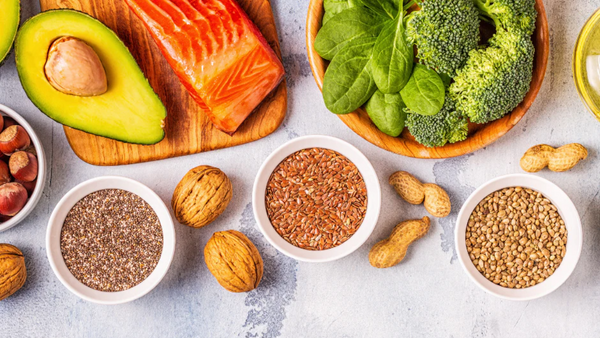
The best plant-based sources of omega-3: [9]
Flaxseed: 22.8 g
Linseed oil: 53.3 g
Chia seeds: 17.5 g
Walnut oil: 10.4 g
Walnuts: 9 g
The best animal sources of omega-3:
Mackerel: 5.1 g
Salmon: 2.5 g
Herring: 2.4 g
Sardines: 1.5 g
Anchovies: 1.5 g
Omega-3 dietary supplements
If you don't eat fish several times a week, or better yet, every day, it's difficult to meet your omega-3 needs through food. If you don't eat fish or are vegan , a dietary supplement with EPA and DHA is highly recommended. There is also plant-based omega-3 from algae . The omega-3 algae oil from Viktilabs provides EPA and DHA in a ratio of 1:3, which is particularly inexpensive. Krill oil from crustaceans also provides and is rich in EPA and DHA.
Conclusion: Omega-3 fatty acids fulfill many important functions
Omega-3 fatty acids are essential for humans . They serve as a building block for our cells and have an anti-inflammatory effect . Both plant-based and animal-based foods contain omega-3. However, animal EPA and DHA are much more easily absorbed than plant-based ALA. For this reason, it is particularly important for vegans and people who eat little fish to supplement EPA and DHA with a high-quality omega-3 dietary supplement .
Great that you have refreshed your knowledge about Omega 3 fatty acids with this article and now understand how important these essential fatty acids are for our body.
We at +Viktilabs have provided a 5% coupon for our Omega 3 for all readers of this article and thank you for your attention.
Simply copy the voucher code OMEGA3-5+V and enter it at checkout.
Here you can find the article about Omega-3 deficiency and Click here to read the article about the best sources of omega-3 foods.
[1] https://pubmed.ncbi.nlm.nih.gov/25149823/
[2] https://pubmed.ncbi.nlm.nih.gov/22254110/
[3] https://pubmed.ncbi.nlm.nih.gov/15672635/
[4] https://www.dge.de/forschung/referenzwerte/fett/
[5] https://efsa.onlinelibrary.wiley.com/doi/abs/10.2903/j.efsa.2012.2815
[6] https://www.efsa.europa.eu/de/press/news/120727
[7] https://www.bfr.bund.de/cm/343/muessen_fischverzehrer_ihre_ernaehrung_durch_fischoel_kappen_ergaenzen.pdf
[8] https://pubmed.ncbi.nlm.nih.gov/12442909/
[9] https://nutritiondata.self.com/foods-000140000000000000000-w.html
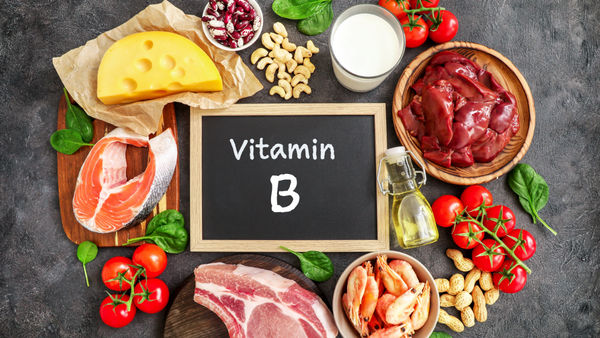
B vitamins: function, foods and how to recognize a deficiency
B vitamins are among the essential nutrients that we must consume through food.
Why are B vitamins important?
B vitamins are a group of 8 water-soluble vitamins that serve as precursors for coenzymes. They are therefore involved in many metabolic processes . Although they are grouped together under the term "B vitamins", they are chemically very different and have different functions .
Most B vitamins are found in both animal and plant foods . However, vitamin B12 is only found in animal foods .
Below you will learn why the individual B vitamins are important, in which foods you can find them and how you can recognize a deficiency.
IT'S WORTH READING!
AT THE END OF THE ARTICLE YOU WILL FIND A VOUCHER FOR OUR VITAMIN B COMPLEX AND VITAMIN B 12!
Vitamin B1 (thiamine)
Vitamin B1 has important functions in energy metabolism and the nervous system.
Foods containing vitamin B1
The daily requirement is approximately 1 mg . [1]
Most nuts and seeds, such as sesame, sunflower seeds, pine nuts and macadamia nuts are very good sources of vitamin B1. But legumes , such as lentils and beans , and meat also contain a lot of vitamin B1. All of these foods contain around 1mg of vitamin B1 per 100g or more, so there is no risk of deficiency with a balanced diet. [2]
Vitamin B1 deficiency
A vitamin B1 deficiency occurs mainly in alcoholics and diabetics .
A deficiency manifests itself in loss of appetite and weight , memory problems and numbness in the hands and feet.
Vitamin B2 (riboflavin)
Vitamin B2 has essential functions in energy metabolism . It is also needed to convert other vitamins into their active form, which is available to the body. A vitamin B2 deficiency can therefore easily lead to an inadequate supply of other vitamins.
Foods containing vitamin B2
The daily requirement is around 1 mg . [3]
Liver contains several mg of vitamin B2 per 100g and most other offal is also rich in this vitamin. Almonds, cheese, meat, fish and eggs are also good sources of vitamin B2. [4]
Vitamin B2 deficiency
A balanced diet normally provides sufficient vitamin B2. A deficiency can occur if there are problems with absorption, such as in the case of alcoholism or irritable bowel syndrome . Hormonal disorders , such as an underactive thyroid , also promote a vitamin B2 deficiency.
A deficiency manifests itself in skin problems, chapped corners of the mouth and hair loss .
Vitamin B3 (niacin)
Niacin has important functions in fat metabolism . This vitamin is also needed for cell division and the immune system .
Foods containing vitamin B3
The daily requirement of vitamin B3 is approximately 15 mg .
Peanuts, liver and fish (especially tuna and anchovies) contain around 15 mg of vitamin B3 per 100g and are by far the best sources of vitamin B3. But meat, mushrooms (especially chanterelles) and whole grain products are also rich in this vitamin. [5]
Vitamin B3 deficiency
A deficiency in vitamin B3 is usually caused by diseases that impair absorption, such as irritable bowel syndrome .
It manifests itself through brownish discoloration of the skin when exposed to sunlight, headaches, fatigue and depression .
Vitamin B5 (pantothenic acid)
Vitamin B5 is essential for energy metabolism .
Foods containing vitamin B5
The daily requirement of vitamin B5 is approximately 6 mg .
The best sources of vitamin B5 are liver and sunflower seeds, with about 7 mg per 100 g. But mushrooms and fish also contain relatively high amounts of vitamin B5. [6]
Vitamin B5 deficiency
A deficiency of this vitamin is rare, but can occur in cases of malnutrition . It manifests itself in loss of appetite, restlessness, sleep disorders and headaches .
Vitamin B6
Vitamin B6 is involved in over 100 enzymatic reactions in energy metabolism . It is also required for the synthesis of hemoglobin , the protein that transports oxygen in the blood and gives red blood cells their color.
Foods containing vitamin B6
The daily requirement of vitamin B6 is approximately 1.5 mg .
Pistachios, sunflower seeds, fish and seafood, meat and brown rice are good sources of this vitamin. [7]
Vitamin B6 deficiency
People with an autoimmune disease, kidney failure or celiac disease (gluten intolerance) have an increased risk of vitamin B6 deficiency. Some medications can also impair absorption and increase the need for this vitamin.
A deficiency manifests itself in an increased susceptibility to infections, depression and anemia .
Vitamin B7 (biotin)
Biotin has important functions in energy metabolism and is important for the skin and hair .
Foods containing biotin
The daily requirement is 30-60 ug .
Peas, peanuts, eggs, oatmeal, liver, yeast and cocoa are particularly rich in biotin. [8]
Biotin deficiency
Certain congenital genetic defects can reduce the usability, thereby increasing the need for biotin and the risk of deficiency. Alcoholics and smokers are also two risk groups for biotin deficiency, as they have an increased need.
A deficiency can lead to fatigue, brittle nails and hair loss .
Vitamin B9 (folic acid)
Folic acid is needed for cell division . A sufficient supply is therefore particularly important during growth phases (during pregnancy and in children ).
Foods containing folic acid
The daily requirement is approximately 300 ug .
Legumes such as peas, chickpeas, lentils and beans, cabbage and green vegetables such as broccoli, cauliflower, Brussels sprouts, kale and spinach are good sources of folic acid. Bran and liver are also very rich in folic acid. [9]
Folic acid deficiency
An acute folic acid deficiency is rare. However, pregnant women have an increased need and are not always optimally supplied with folic acid. Therefore, pregnant women are recommended to take a folic acid supplement.
A deficiency manifests itself in headaches, heart palpitations and weakness .
Vitamin B12
Vitamin B12 has important functions in fat and protein metabolism . It is also essential for the functioning of the nervous system and for the formation of red blood cells .
Foods containing vitamin B12
Vitamin B12 is only found in animal foods . Fish, meat, eggs and dairy products are very good sources of vitamin B12. Liver is particularly rich in this vitamin. [10]
Vitamin B12 deficiency
The body stores large reserves of vitamin B12 that can last for several years. However, if you follow a strict vegan diet over a long period of time, the risk of vitamin B12 deficiency is still high. Vegetarians also have an increased risk because they tend to eat fewer animal products than omnivores.
A deficiency can lead to loss of appetite, fatigue, depression and memory problems . It is extremely dangerous because it can cause irreversible nerve damage.
Buy B vitamins
Many people are unable to meet their nutritional needs through food. To avoid having to take all B vitamins individually, Viktilabs offers a vitamin B complex that provides all 8 B vitamins . The capsules contain vitamins from quinoa sprout extract from controlled organic cultivation and are vegan.
Conclusion: B vitamins are found in many foods
B vitamins are essential nutrients and serve many different functions. B vitamins are found in many foods and, like other nutrients, should be obtained primarily through food. However, supplementation with a high-quality dietary supplement can help correct or prevent a deficiency .
AS PROMISED, YOU WILL RECEIVE A 5% VOUCHER ON OUR VITAMIN B COMPLEX , VITAMIN B COMPLEX FORTE AND VITAMIN B 12 .
SIMPLY COPY THE CODE VITAMINB+V5 AND ENTER IT AT CHECKOUT.
To the products
[1] https://www.dge.de/forschung/referenzwerte/thiamine/
[2] https://nutritiondata.self.com/foods-000108000000000000000.html
[3] https://www.dge.de/forschung/referenzwerte/riboflavin/
[4] https://nutritiondata.self.com/foods-000109000000000000000.html
[5] https://nutritiondata.self.com/foods-000110000000000000000.html
[6] https://nutritiondata.self.com/foods-000117000000000000000.html
[7] https://nutritiondata.self.com/foods-000111000000000000000.html
[8] http://www.vitalstoff-lexikon.de/Vitamin-B- Complex/Biotin /Lebensmittel.html
[9] https://nutritiondata.self.com/foods-000112000000000000000.html
[10] https://nutritiondata.self.com/foods-000116000000000000000-w.html


