




Latest posts
Magazine

Konzentration fördern: Welche Rolle spielen Mikronährstoffe?
Viele Menschen leiden unter Konzentrationsproblemen und Brain Fog. Die Ursachen sind vielfältig und reichen von Schlafmangel und Stress bis zu einer unausgewogenen Ernährung oder einer unzureichenden Versorgung mit einzelnen Mikronährstoffen. Hier erfährst du, welche Rolle Mikronährstoffe dabei spielen.
Brain Fog und Konzentrationsprobleme: die Ursachen
Konzentrationsprobleme und mentale Erschöpfung werden häufig unter dem Begriff Brain Fog zusammengefasst. Gemeint ist keine medizinische Diagnose, sondern eine alltagssprachliche Beschreibung: Gedanken wirken zäh, es mangelt an Fokus und Informationen lassen sich schwerer sortieren oder abrufen.
Die Ursachen können sehr unterschiedlich sein. Schlafmangel, anhaltender Stress, unregelmäßige Mahlzeiten, zu wenig Energiezufuhr, Flüssigkeitsmangel, Bewegungsmangel oder eine hohe mentale Belastung können die gefühlte geistige Leistungsfähigkeit beeinflussen.
Auch Erkrankungen, Medikamente oder ein Nährstoffmangel können eine Rolle spielen. Halten Beschwerden an, treten sie plötzlich auf oder beeinträchtigen den Alltag deutlich, sollte dies ärztlich abgeklärt werden.
11 vielversprechende Stoffe bei Konzentrationsproblemen
Das Gehirn benötigt kontinuierlich Energie und ist auf zahlreiche Mikronährstoffe angewiesen. Sie sind unter anderem an Energiegewinnung, Nervensystem, Signalübertragung und Zellstoffwechsel beteiligt.
Zink
Zink ist ein essenzielles Spurenelement und Cofaktor zahlreicher Enzyme. Es ist unter anderem an Zellteilung, DNA-Synthese, Schutz vor oxidativem Stress und normaler Funktion des Immunsystems beteiligt.1
Der Mineralstoff trägt zu einer normalen kognitiven Funktion bei.
Pantothensäure (Vitamin B5)
Pantothensäure, auch als Vitamin B5 bekannt, ist ein wasserlösliches BVitamin. Sie ist an der Energiegewinnung aus den Makronährstoffen beteiligt und spielt als Bestandteil von Coenzym A in zahlreichen Stoffwechselreaktionen eine Rolle.2
Vitamin B5 trägt zu einer normalen geistigen Leistung und zur Verringerung von Müdigkeit und Ermüdung bei.
Vitamin B1
Vitamin B1 spielt eine zentrale Rolle im Energiestoffwechsel, insbesondere bei der Verwertung von Kohlenhydraten. Zudem ist Thiamin an einer normalen Funktion des Nervensystems beteiligt.3
Es trägt zu einer normalen Funktion des Nervensystems bei.
Vitamin B6
Vitamin B6 ist an zahlreichen enzymatischen Reaktionen beteiligt, einschließlich des Aminosäurestoffwechsels. Es spielt außerdem eine Rolle bei Stoffwechselwegen, die für die Bildung verschiedener körpereigener Botenstoffe relevant sind.4
Es trägt zu einer normalen Funktion des Nervensystems und zur Verringerung von Müdigkeit und Ermüdung bei.
Vitamin B9 (Folsäure)
Vitamin B9 ist an der Zellteilung, Blutbildung und am Stoffwechsel bestimmter Aminosäuren beteiligt.5
Es trägt zu einer normalen psychischen Funktion und zur Verringerung von Müdigkeit und Ermüdung bei.
Vitamin B12
Vitamin B12 ist an der normalen Bildung roter Blutkörperchen, der Zellteilung sowie verschiedenen Stoffwechselwegen beteiligt. Außerdem wird es für die normale Funktion des Nervensystems benötigt.6
Es trägt zu einer normalen Funktion des Nervensystems und zur Verringerung von Müdigkeit und Ermüdung bei.
L-Carnitin
L-Carnitin ist im Energiestoffwechsel an Prozessen beteiligt, die den Transport langkettiger Fettsäuren in die Mitochondrien ermöglichen. Mitochondrien werden oft als „Kraftwerke“ der Zellen bezeichnet, weil sie einen großen Teil der zellulären Energie bereitstellen.7
Citicolin
Citicolin, auch CDP-Cholin genannt, ist eine Verbindung aus Cytidin und Cholin. Nach der Aufnahme wird es in Stoffwechselprodukte überführt, aus denen der Körper unter anderem Cholin bereitstellen kann. Cholin ist ein struktureller Bestandteil von Phospholipiden, also wichtigen Bausteinen biologischer Zellmembranen.
Darüber hinaus ist Cholin Ausgangsstoff für Acetylcholin, einen körpereigenen Botenstoff. Acetylcholin spielt im Nervensystem eine Rolle bei der Signalübertragung.8
Salbei
Salbei ist eine aromatische Heil- und Gewürzpflanze mit langer traditioneller Verwendung. Seine Blätter enthalten ätherische Öle und verschiedene sekundäre Pflanzenstoffe, darunter phenolische Verbindungen. In experimentellen Untersuchungen wird unter anderem diskutiert, ob bestimmte Salbei-Inhaltsstoffe Enzyme beeinflussen könnten, die am Abbau von Acetylcholin beteiligt sind.
Daneben gibt es kleinere Humanstudien mit unterschiedlichen Salbei-Extrakten und Dosierungen, in denen einzelne Parameter der Aufmerksamkeit, Stimmung oder Gedächtnisleistung untersucht wurden.9
Ginko
Ginkgo biloba zählt zu den bekanntesten Pflanzenstoffen in Präparaten rund um Gedächtnis und mentale Leistungsfähigkeit. Ginkgo-Blätter enthalten charakteristische Flavonglykoside und Terpenlactone. In der Forschung werden unter anderem antioxidative Eigenschaften, Einflüsse auf die Mikrozirkulation und mögliche Wechselwirkungen mit Botenstoffsystemen diskutiert.10
Phosphatidylserin
Phosphatidylserin ist ein Phospholipid und damit ein Bestandteil von Zellmembranen. Besonders in Nervenzellen sind Membranen entscheidend: Sie grenzen Zellen ab, ermöglichen den Austausch mit der Umgebung und bilden die Grundlage für viele Signalprozesse.11
Der Gehirn Komplex Daily von Viktilabs
Der Gehirn Komplex Daily vereint alle dies vielsprechenden Stoffe fürs Gehirn: Vitamin B1, Vitamin B5, Vitamin B6, Folsäure, Vitamin B12, Zink, Ginko, Phosphatidylserin, Salbei Citocolin und L-Carnitin.
Die Rezeptur enthält ganz bewusst kein Koffein, und wirkt daher nicht stimulierend.
Der Gehirn Komplex Daily ist
100 % vegan
frei von unnötigen Zusatzstoffen wie Trenn- und Bindemitteln, Farb-, Süß- und Konservierungsstoffen
in Deutschland entwickelt
von einem unabhängigen Labor auf Schadstoffe geprüft
Gehirn Komplex Daily
Mit Citicolin, Salbei, Ginkgo und ausgewählten B-Vitaminen.
Zum Produkt
1 https://www.ncbi.nlm.nih.gov/books/NBK547698/
2 https://www.ncbi.nlm.nih.gov/books/NBK563233/
3 https://www.ncbi.nlm.nih.gov/books/NBK482360/
4 https://www.ncbi.nlm.nih.gov/books/NBK557436/
5 https://www.ncbi.nlm.nih.gov/books/NBK554487/
6 https://www.ncbi.nlm.nih.gov/books/NBK559132/
7 https://pubmed.ncbi.nlm.nih.gov/36632072/
8 https://pubmed.ncbi.nlm.nih.gov/36544369/
9 https://pubmed.ncbi.nlm.nih.gov/27888449/
10 https://www.ncbi.nlm.nih.gov/books/NBK541024/
11 https://pubmed.ncbi.nlm.nih.gov/25933483/
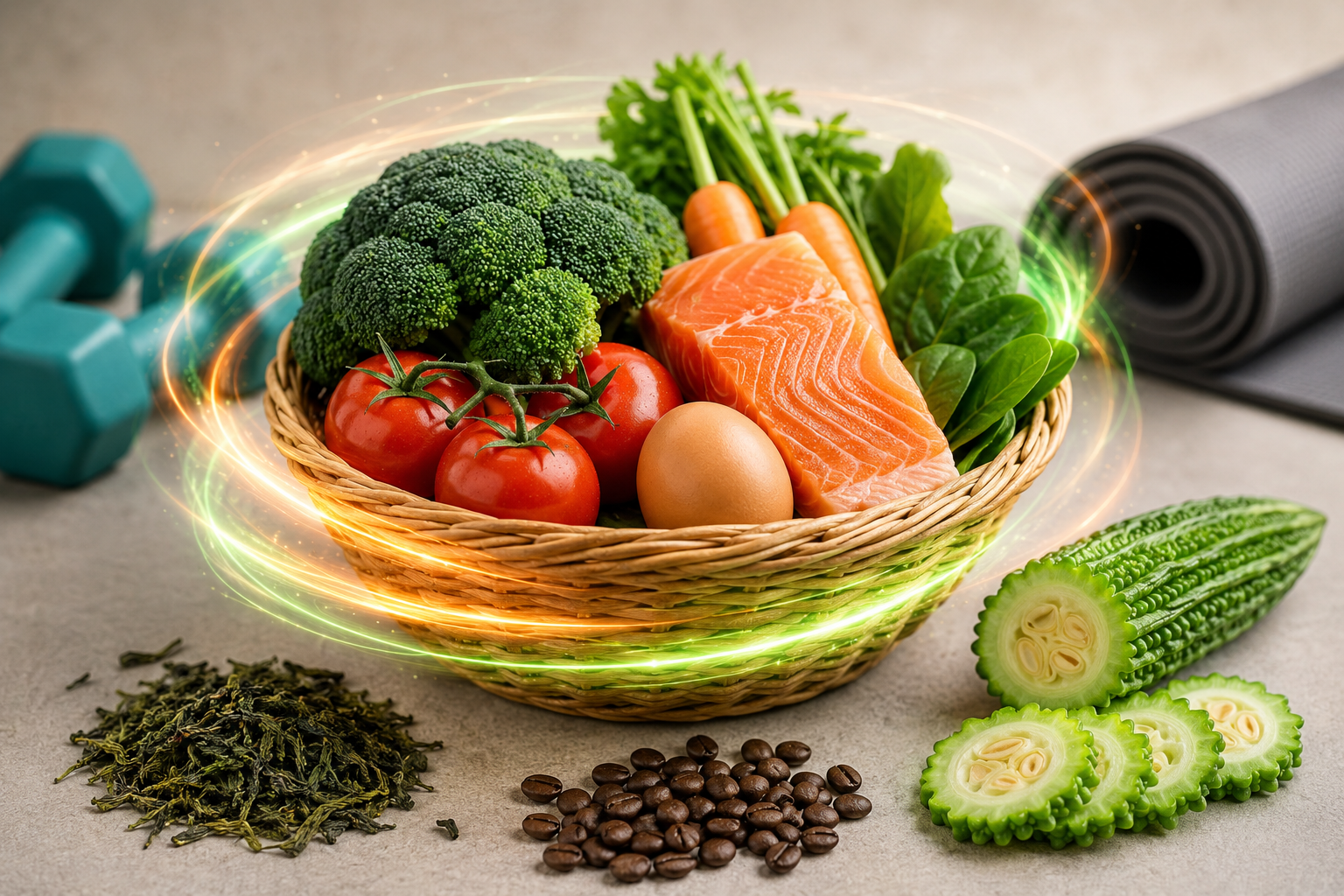
Boost Your Metabolism – Here's How!
Obesity and related diseases are increasingly on the rise. Metabolic health plays an important role here, as the metabolism not only burns energy but also ensures good blood sugar and appetite regulation.
Here you'll find out how to boost your metabolism and improve your metabolic health.
Boosting Your Metabolism – What Does That Mean?
In everyday language, "boosting your metabolism" generally refers to increasing energy expenditure. The aim is to make weight loss easier.
Technically speaking, however, this is not entirely accurate or is somewhat misleading. Because the metabolism is the result of an incredibly large number of biochemical processes in the body. These processes are constantly taking place, regardless of whether you are burning more or less energy.
To lose weight, it is on one hand helpful to increase energy expenditure. It is also important to improve certain aspects of metabolic health. We will look at both in more detail in the following sections.
Increasing Energy Expenditure
To understand how to increase energy expenditure, you first need to know how total energy expenditure is made up and how you can influence the individual factors.
Basal Metabolic Rate
When people talk about their metabolism "slowing down" and wanting to boost it, most are thinking about the basal metabolic rate. This is the energy expenditure at rest — in other words, the energy needed to keep the body alive.
The majority of this energy is consumed by organs such as the liver, kidneys, heart and brain. We have very little influence over how much energy these organs consume.
What we do have influence over, however, is muscle mass. Because muscles burn energy even at rest. Building muscle can therefore raise the basal metabolic rate.
Depending on muscle mass and activity level, the basal metabolic rate accounts for roughly 45–60% of total energy expenditure.
Thermic Effect of Food
Food not only provides energy — digesting and processing that energy also requires energy. As a general rule: the more we eat, the more energy is needed for digestion.
But what we eat also makes a difference. For protein, the thermic effect is around 20–30% of its energy content, for carbohydrates around 5–10%, and for fat around 3%.
Overall, the thermic effect of food accounts for around 10–15% of total energy expenditure.
NEAT
NEAT stands for Non-Exercise Activity Thermogenesis. This refers to energy expenditure that does not come from planned exercise. Rather, it includes everyday movements such as walking and doing housework. It also includes spontaneous movements we are largely unaware of. Examples include foot and hand movements while you're sitting at a computer concentrating on work.
Unfortunately, we have no influence over these spontaneous, unconscious movements. However, you can increase NEAT by incorporating more movement into your daily routine — for example, by taking the stairs instead of the lift.
For most people, NEAT accounts for around 15–20% of total energy expenditure.
Exercise
Exercise refers to planned physical activity — such as going to the gym or going for a run.
Exercise typically accounts for around 15–30% of total energy expenditure. This naturally depends on how much exercise you do. For athletes, exercise can account for 50% or more of total energy expenditure.
Improving Metabolic Health
When talking about metabolic health, the key concept is insulin sensitivity. This is a somewhat complex term, but it can be explained in straightforward terms.
You may know insulin as the blood-sugar-lowering hormone that people with diabetes inject to reduce their blood sugar levels. Insulin causes cells to absorb sugar from the blood, which lowers blood sugar levels.
Insulin sensitivity refers to how well these cells respond to insulin. Put simply: the higher the insulin sensitivity, the better the cells respond to insulin, and the healthier the metabolism.
In many conditions, we see the opposite: very low insulin sensitivity, also known as insulin resistance. The most well-known example of this is type 2 diabetes (so-called adult-onset diabetes).
It is no coincidence that people with type 2 diabetes are almost always overweight. Because insulin resistance causes the body to store more fat, making it very difficult to break down fat and therefore to lose weight.
Insulin resistance also tends to go hand in hand with leptin resistance.1 Leptin is the body's primary satiety hormone. With leptin resistance, the brain becomes insensitive to leptin. In other words, appetite regulation is disrupted, making it easy to overeat and consequently gain weight.
Boosting Your Metabolism
We will now look at the most important measures for boosting your metabolism — that is, increasing energy expenditure and improving metabolic health.
Exercise
Exercise is incredibly effective when it comes to boosting your metabolism. On one hand, it burns energy directly. It also helps build muscle, which is why you should focus especially on strength training.
Muscles burn energy even at rest, thereby increasing the basal metabolic rate. But they also improve metabolic health by actively absorbing sugar from the blood, which raises insulin sensitivity and also helps regulate appetite better.2
Sleep
While we burn less energy during sleep than when we're awake and active, restful sleep still helps to boost the metabolism.
On one hand, you have more energy during the day when you're well rested. This increases NEAT and makes it easier to motivate yourself to exercise.3
On the other hand, sleep is enormously important for metabolic health.4 With enough sleep, blood sugar and appetite regulation function significantly better.5 So if you experience intense cravings after a sleepless night, that's no coincidence.
Diet
The right diet can also be very effective at boosting your metabolism.
A high protein intake is particularly helpful here. This is because protein has a higher thermic effect than fat and carbohydrates. Adequate protein is also essential for building and maintaining muscle.
The right diet also helps you keep your blood sugar stable. This has a positive effect on metabolic health and, in turn, on appetite regulation. Again, protein plays an important role here. But dietary fibre is also incredibly useful and important in this regard.6
Micronutrients
Micronutrients are the key players in metabolism — they are actively involved in the biochemical reactions of the metabolic process.
Here we highlight the most important ones:
Chromium contributes to the normal metabolism of macronutrients and to the maintenance of normal blood sugar levels.7
Choline contributes to normal lipid metabolism.8
Zinc contributes to normal carbohydrate metabolism and normal fatty acid metabolism.9
Vitamin B2 contributes to normal energy metabolism.10
Vitamin B6 contributes to normal protein and glycogen metabolism and to normal energy metabolism.11
In addition, there are further substances whose effects on metabolism are still being investigated:
L-Carnitine is needed for the transport of fatty acids into the powerhouses of our cells (the mitochondria). There is evidence suggesting that L-Carnitine may improve metabolic health, i.e. increase insulin sensitivity.12
Forskolin: Studies suggest that Forskolin may promote fat breakdown (lipolysis) and lower blood pressure.13 Obesity and insulin resistance are often associated with high blood pressure.
Charantin (from bitter melon) may help to lower blood sugar levels.14
EGCG (Epigallocatechin-3-gallate) is a powerful antioxidant found in green tea.15
Caffeine (from green tea and coffee) is well known for its stimulating and performance-enhancing effects. There is also evidence suggesting that caffeine may promote fat breakdown (lipolysis).16
Chlorogenic acid (from green coffee) appears to be able to slow the release of sugar (glucose) after a meal, preventing blood sugar from rising as sharply. Studies also suggest it may support the liver in breaking down fatty acids.17
The most important substances for metabolism, all in one: Stoffwechsel Komplex Daily by Viktilabs
The Stoffwechsel Komplex Daily by Viktilabs contains all of the substances mentioned above to optimally support your metabolism:
Acetyl-L-Carnitine
Choline
Green Tea Extract (with EGCG and Caffeine)
Green Coffee Extract (with Chlorogenic Acid and Caffeine)
Bitter Melon Extract (with Charantins)
Coleus forskohlii Extract (with Forskolin)
Zinc & Chromium
Vitamin B2 & B6
The Stoffwechsel Komplex Daily
has a Clean Label – free from magnesium stearate, silicon dioxide, nanoparticles and artificial additives
is vegan & allergen-free – free from gluten, lactose, soy and fructose
has laboratory-tested quality – manufactured in Germany & the EU
has sustainable, BPA-free packaging in amber glass
Click here for the Stoffwechsel Komplex Daily by Viktilabs.
1 https://pmc.ncbi.nlm.nih.gov/articles/PMC11916284/
2 https://pubmed.ncbi.nlm.nih.gov/31106601/
3 https://pmc.ncbi.nlm.nih.gov/articles/PMC4394987/
4 https://www.mdpi.com/2673-396X/6/4/49
5 https://pubmed.ncbi.nlm.nih.gov/36558355/
6 https://pubmed.ncbi.nlm.nih.gov/41371685/
7 https://pubmed.ncbi.nlm.nih.gov/33783683/
8 https://pubmed.ncbi.nlm.nih.gov/25010553/
9 https://www.ncbi.nlm.nih.gov/books/NBK547698/
10 https://www.ncbi.nlm.nih.gov/books/NBK470460/
11 https://pmc.ncbi.nlm.nih.gov/articles/PMC6071262/
12 https://pmc.ncbi.nlm.nih.gov/articles/PMC6785772/
13 https://pubmed.ncbi.nlm.nih.gov/1696672/
14 https://pmc.ncbi.nlm.nih.gov/articles/PMC10050654/
15 https://pmc.ncbi.nlm.nih.gov/articles/PMC11821029/
16 https://pmc.ncbi.nlm.nih.gov/articles/PMC12454747/
17 https://pubmed.ncbi.nlm.nih.gov/41156555/

Building muscle as you age: preventing frailty and sarcopenia
Unfortunately, a very large number of older adults are affected by sarcopenia (muscle loss). This significantly reduces physical performance and increases the risk of frailty and falls.
What many people don't know: age-related muscle loss begins as early as age 30. On average, you lose about 0.5–1% of muscle mass per year if you don't actively counteract it. By the age of 80, this can add up to a total muscle loss of 30–50%.1
The problem is that muscle loss is barely noticeable in the early years. Most people therefore don't take it seriously and don't see the danger. By the time you actually feel your muscle strength declining, it becomes very difficult to counteract.
That's why it's so important to address the topic of muscle building from a young age and continue doing so well into old age. This isn't about vanity — it's about staying healthy and independent for as long as possible.
Here we cover the most important measures for building and maintaining muscle.
Strength Training
Strength training is by far the most important factor when it comes to building muscle.2 Muscles need to be challenged — otherwise they will be broken down.
A full-body workout that engages all muscle groups is well suited for this purpose. You should do this at least twice a week.
Regular gardening, hiking, and household chores can also help maintain muscle. However, these activities alone are not sufficient.
Enough Protein
Proteins are the building blocks the body uses to form muscle tissue. If protein intake is insufficient, building muscle is difficult even with regular strength training.
High-quality protein can easily fall short in the diet, especially with a vegetarian or vegan diet. Those following such diets should therefore pay particular attention to adequate protein intake.
According to the German Nutrition Society (DGE), the protein requirement is 0.8 g per kg of body weight up to age 65. From age 65 onward, it rises to 1.0 g per kg of body weight.3
If the requirement cannot be met through diet alone, protein powders may be beneficial.
Viktilabs has a gut-friendly, plant-based protein powder that delivers 15 g of protein per serving.
To the PurePlant Protein Pro by Viktilabs.
It can also be beneficial to supplement with amino acids. Proteins are made up of amino acids — they are the protein building blocks from which the body can produce protein.
The 8 essential amino acids are particularly important here.
To the Amino-8 by Viktilabs.
Creatine
Creatine serves as an energy store in the muscles and supports energy regeneration within them.4 On its own it doesn't do much, but combined with strength training it can increase muscle strength. This is particularly well-evidenced in adults over 55. A daily dose of 3 g is required to achieve the effect.
To the Creatine by Viktilabs.
Vitamin D
Vitamin D is indirectly involved in building and maintaining muscle. It contributes to the maintenance of normal muscle function, without which muscle building is not possible.5
Vitamin D can also easily fall short, especially in winter.
To the Vitamin D by Viktilabs.
Calcium and Magnesium
Many nutrients play a role in muscle function. Particularly worth highlighting are the minerals calcium and magnesium.67
Magnesium is often lacking in the diet. When dairy products are avoided, calcium intake is also frequently insufficient.
To Magnesium and Calcium by Viktilabs.
B Vitamins
B vitamins are also indirectly involved in muscle building. Folic acid (vitamin B9) and vitamin B6, for example, have important functions in protein metabolism.8 This is required for muscle building and maintenance.
Vitamin B6 and B12 also play an important role in nerve function, and nerves control muscle movements.9
To the Vitamin B Complex Forte by Viktilabs.
Conclusion: Building Muscle Requires Multiple Measures
Strength training is by far the most important factor for building muscle. However, it is not enough on its own if you want to optimise muscle building, as many nutrients are involved — both directly and indirectly.
1 https://pmc.ncbi.nlm.nih.gov/articles/PMC2804956/
2 https://pubmed.ncbi.nlm.nih.gov/33433148/
3 https://www.dge.de/wissenschaft/referenzwerte/protein/
4 https://mdpi-res.com/bookfiles/book/5131/Creatine_Supplementation_for_Health_and_Clinical_Diseases.pdf
5 https://pmc.ncbi.nlm.nih.gov/articles/PMC3513873/
6 https://pubmed.ncbi.nlm.nih.gov/10893434/
7 https://pubmed.ncbi.nlm.nih.gov/39457008/
8 https://pubmed.ncbi.nlm.nih.gov/13295851/
9 https://pubmed.ncbi.nlm.nih.gov/34337067/

Daily Greens: a gut-friendly, plant-based building block for your daily diet
Daily Greens is a greens powder that combines natural plant compounds, fiber, digestive enzymes, bacterial cultures, as well as Vitamin C, zinc, and Vitamin B12 in one drink. It provides selected plant-based ingredients and essential nutrients. Here's how Daily Greens fits into your nutrition and health concept.
What is Daily Greens?
Daily Greens combines selected plant powders, prebiotic fibers, digestive enzymes, adaptogens, bacterial cultures, as well as the essential nutrients Vitamin C, zinc, and Vitamin B12.
It is the ideal supplement to a balanced diet.
What ingredients are in Daily Greens?
Daily Greens is packed with valuable ingredients.
Fiber
Daily Greens contains fiber from various sources. Deliberately used fibers such as apple fiber, psyllium husks, inulin, and oligofructose make a significant contribution; additionally, other ingredients such as wheatgrass, spirulina, pomegranate, beetroot, and blueberry also provide natural fiber.
Bacillus coagulans
Daily Greens contains the bacterial strain Bacillus coagulans. Spore-forming bacteria like Bacillus coagulans are robust against stomach and bile acids and can pass through the digestive tract better than typical probiotics.1
The effects of Bacillus coagulans on digestive problems and gut health are currently being scientifically investigated.
Digestive Enzymes
Digestive enzymes are involved in the breakdown of nutrients in the body. Daily Greens contains enzymes that can break down carbohydrates, fats, protein, plant cell structures, and lactose.
Secondary Plant Compounds
Daily Greens contains wheatgrass, spirulina, moringa, matcha, and fruit powders such as acerola, goji berry, acai, blueberry, pomegranate, and beetroot, which provide many secondary plant compounds.
These include, for example, chlorophyll, carotenoids, and polyphenols, whose antioxidant and inflammation-related properties are being investigated in scientific studies.
Adaptogens
Daily Greens contains Ashwagandha, rhodiola, reishi, and ginkgo. In naturopathy, these adaptogens are used for better stress management. They are said to promote relaxation and regeneration, thereby increasing stress resilience.2
Vitamins and Minerals
Daily Greens covers the daily requirement of zinc, Vitamin C, and Vitamin B12.
Zinc contributes to normal cognitive function, normal immune system function, and also helps protect cells from oxidative stress.3
Vitamin C contributes to normal collagen formation and normal nervous system function, and increases iron absorption.4
Vitamin B12 contributes to normal energy metabolism, normal psychological function, and the reduction of tiredness and fatigue.5
What Daily Greens can do in everyday life
Daily Greens gives you the opportunity for a fixed ritual in which you can take a moment for yourself and your health.
Unlike a classic multivitamin, Daily Greens focuses not only on vitamins and minerals but emphasizes plant-based ingredients and fiber.
As part of an overall balanced diet, Daily Greens can help ensure the intake of Vitamin C, zinc, and Vitamin B12.
At the same time, the powder provides prebiotic fiber. However, it does not replace fresh vegetables or an overall high-fiber diet.
Daily Greens is particularly suitable if you consciously want to supplement your diet with additional plant compounds and selected micronutrients.
Viktilabs Daily Greens
Viktilabs Daily Greens is characterized by the following features:
Has a natural berry flavor (without grassy aftertaste)
Contains digestive enzymes, adaptogens, fiber, probiotics, antioxidants, Vitamin C, Vitamin B12, zinc
Quick and easy: Simply stir into 150-200 ml of water – no blender necessary
100% vegan and allergen-free
Laboratory-tested quality: Made in Germany and the EU under the strictest quality standards
Contains no fillers or other unnecessary additives
Click here for Daily Greens.
1 https://pubmed.ncbi.nlm.nih.gov/31203635/
2 https://pubmed.ncbi.nlm.nih.gov/19500070/
3 https://www.ncbi.nlm.nih.gov/books/NBK547698/
4 https://www.ncbi.nlm.nih.gov/books/NBK499877/
5 https://www.ncbi.nlm.nih.gov/books/NBK559132/

Inositol: Fruchtbarkeit und mehr
Inositol ist ein vitaminähnlicher Stoff, der natürlicherweise in unserem Körper gebildet wird und in vielen Lebensmitteln vorkommt. In den letzten Jahren hat Inositol vor allem im Zusammenhang mit Frauengesundheit, PCOS und Blutzuckerregulation zunehmend Aufmerksamkeit erregt.
Was ist Inositol?
Inositol wurde früher zu den B-Vitaminen gezählt. Mittlerweile weiß man jedoch, dass der Körper es auch selbst herstellen kann. Es wird hauptsächlich in den Nieren gebildet, etwa 4 g täglich stellen sie her.
Allerdings ist die Eigenproduktion oft nicht ausreichend. Daher ist es durchaus sinnvoll, es auch von außen zuzuführen. Daher zählt Inositol heute als Vitaminoid, also als vitaminähnliche Substanz.
Es 9 verschiedene Formen von Inositol, sogenannte Isomere, die sich alle sehr ähnlich sind. Myo-Inositol ist die am häufigsten vorkommende Form.
Inositol in Lebensmitteln
Inositol kommt natürlicherweise in vielen Lebensmitteln vor, vor allem in pflanzlichen. Gute Quellen sind Obst, Gemüse, Hülsenfrüchte, Getreide, Nüsse und Samen.
Was macht Inositol im Körper?
Inositol hat viele verschiedene Funktionen:
Zuckerstoffwechsel: Inositol ist wichtig für die Blutzuckerregulation, da es die Wirkung des Blutzuckersenkenden Hormons Insulin vermittelt.
Fettstoffwechsel: Inositol hemmt einerseits die Aufnahme von Fetten und fördert andererseits die Bildung von stoffwechselaktivem, braunem Fettgewebe.
Nerven: Inositol ist wichtig für die Funktion des vegetativen Nervensystems. Dies sind Nerven, die unbewusste Muskelaktivitäten, wie z. B. den Herzschlag steuern. Im Gehirn ist Inositol an der Steuerung von Aufmerksamkeit und Verhalten beteiligt.
Immunsystem: Inositol ist für die Entwicklung und Funktion von Immunzellen wichtig.
Fruchtbarkeit: Inositol reguliert bei Männern und Frauen Sexualhormone.
Wobei kann Inositol helfen?
Inositol gibt es als Nahrungsergänzungsmittel und dessen Wirkung wird aktuell untersucht.
Beim Polyzystischen Ovarialsyndrom (PCOS)
Bei PCOS handelt es sich um eine Hormonstörung bei Frauen, die durch einen zu hohen Androgenspiegel gekennzeichnet ist zu Haarausfall, Akne, vermehrter Körperbehaarung, Insulinresistenz und Zysten in den Eierstöcken führt.
PCOS ist eine häufige Ursache von Unfruchtbarkeit.
Es gibt einige Studien an Frauen mit PCOS, in denen Inositol den Eisprung zu fördern und PCOS-Beschwerden zu lindern schien.1
Bei Insulinresistenz
Auch bei Insulinresistenz könnte Inositol hilfreich sein, was in Anbetracht der Funktion im Zuckerstoffwechsel nicht verwunderlich ist. Studien deuten an, dass Inositol Insulinresistenz entgegenwirken und auch damit assoziierte Symptome wie Bluthochdruck und erhöhte Blutfettwerte lindern könnte.2
Bei Unfruchtbarkeit
Inositol scheint nicht nur bei weiblicher, sondern auch bei männlicher Unfruchtbarkeit hilfreich zu sein. In einigen Studien scheint Inositol die Anzahl und Beweglichkeit von Spermien erhöhen zu können.3
Inositol kaufen
Wie bei anderen Nahrungsergänzungsmitteln, solltest du auch bei Inositol auf Qualität achten. Bei dem Präparat von Viktilabs handelt es sich um reines Myo-Inositol (die im Körper am häufigsten vertretene Form). Es ist frei von Füllstoffen, Bindemitteln, Süßungsmitteln, Konservierungsstoffen und anderen unnötigen Zusatzstoffen.
Das Produkt wird außerdem von einem unabhängigen Labor auf Schadstoffe geprüft.
Hier kommst du zum Myo-Inositol von Viktilabs.
1 https://obgyn.onlinelibrary.wiley.com/doi/10.1111/1471-0528.14754
2 https://pubmed.ncbi.nlm.nih.gov/19499845/
3 https://onlinelibrary.wiley.com/doi/10.1111/andr.12025
What effect can micronutrients have on allergies?
In spring, it finally gets warmer and the days get longer, everything blooms. Unfortunately, spring also marks the start of pollen season, which can spoil the joy of spring for allergy sufferers.
Sneezing, watery eyes, and itchy skin: these are just a few of the symptoms that allergy sufferers experience, especially in spring.
This is caused by a misguided reaction of the immune system to environmental substances that are actually harmless. This causes large amounts of histamine and other pro-inflammatory molecules to be released, causing chronic inflammation.
Allergies are not harmless
Allergies are often dismissed as annoying. However, many of the symptoms are anything but harmless, as a look at the typical allergy symptoms reveals:
Frequent sneezing
Runny or stuffy nose
Watery eyes
Itching
Skin rash
Abdominal pain
Nausea
Diarrhea and vomiting
Fatigue
Headache
Fatigue
Shortness of breath
Heart palpitations
Dizziness
Drop in blood pressure
Allergies reduce quality of life
Allergies can severely impair quality of life. Eating out can be life-threatening for many people with food allergies, and every ingredient list must be carefully checked for possible allergens.
Sleep is also often affected, which impacts performance and Well-being impaired.
Allergies increase the risk of illness
But that's not all. Allergy sufferers also have an increased risk of certain diseases. People with hay fever, for example, are three times more likely to suffer from asthma than people without allergies.
Allergies are also linked to cardiovascular disease, increasing the risk of heart attack and heart failure.[1][2] The reason for this is the chronic inflammation associated with allergies, which damages the entire body.
How are allergies typically treated?
When allergic symptoms occur, an allergy test is first performed to find out what the person is allergic to. The next step is to avoid the allergen as much as possible.
Unfortunately, this is not always possible, e.g., in the case of pollen allergies. Antihistamines and cortisone are available for such cases. Although these can alleviate symptoms, they do not eliminate the cause and must be taken daily if you are exposed to the allergen. They also have numerous side effects.
Desensitization is also used, but this is not free of side effects and is associated with risks.
Many sufferers are therefore looking for a natural remedy for allergies that arms the body against allergens rather than just masking the symptoms.
The role of micronutrients in allergies
The body is not defenseless against allergic reactions. There are many protective mechanisms within the body that can counteract allergies. This is still the subject of research, but the following nutrients appear to play a role:
quercetin
Quercetin is an effective antioxidant. Antioxidants trap free radicals that cause inflammation. Since allergies are increasingly associated with inflammation, antioxidants such as quercetin are very promising for allergies.[3]
Initial studies actually suggest that quercetin could alleviate the symptoms of allergic rhinitis.[4]
MSM
Methylsulfonylmethane (MSM) is organic sulfur.
MSM appears to be able to regulate allergies by mitigating the immune system's allergic response.
In some studies, MSM appeared to actually alleviate the symptoms of pollen allergies.[5][6][7]
Vitamin C
Vitamin C helps protect cells from oxidative stress. There is also evidence that vitamin C may inhibit the release of histamine. For this reason, vitamin C shows promise in treating allergies.
In one study, vitamin C appeared to improve lung function in allergic rhinitis.[8]
Zinc
Zinc helps protect cells from oxidative stress.[9] This could help to counteract the chronic inflammation associated with allergies.
Copper
Copper also helps protect cells from oxidative stress.[10] In addition, copper appears to act as a cofactor in histamine degradation. [11]
Manganese
Manganese is often found in allergy nasal sprays. The mineral is said to have anti-allergic properties and can prevent itching and skin redness.
This is probably due to the fact that manganese helps protect cells from oxidative stress.[12]
During allergy season, it is therefore a good idea to ensure you are getting enough of these nutrients to support your immune system and histamine breakdown and counteract silent inflammation.
All the important nutrients combined: AllergiCare® Daily from Viktilabs
As you can see, many nutrients play a role in allergies. But don't worry: you don't have to painstakingly search for them all and research the correct dosage. Viktilabs has developed an allergy complex that combines all the nutrients important for allergies in the optimal dosage.
AllergiCare® Daily from Viktilabs is a high-dose quercetin complex combined with vitamin C, MSM, zinc, copper, and manganese. It was developed especially for times when pollen and other allergens put strain on the body.
AllergyCare® Daily contains:
950 mg quercetin from Japanese pagoda tree extract per daily dose
Zinc and manganese as protection against oxidative stress
Vitamin C to support the immune system and protect against oxidative stress
MSM, which has shown positive effects in studies on pollen allergies
120 capsules per bottle for 30 days of support during peak season
AllergiCare® Daily is also:
100% vegan
Free from unnecessary additives such as separating and binding agents, colorants, sweeteners, and preservatives
Developed in Germany
Tested for harmful substances by an independent laboratory
AllergiCare® Daily
If you suffer from pollen allergies, we feel for you, and we won't leave you to cope with it alone.
It's best to act now and stock up for the allergy season.
Click here for the product
[1] https://www.worldallergyorganizationjournal.org/article/S1939-4551(24)00038-3/fulltext
[2] https://onlinelibrary.wiley.com/doi/10.1111/all.15426
[3] https://pmc.ncbi.nlm.nih.gov/articles/PMC3685779/
[4] https://pubmed.ncbi.nlm.nih.gov/23333628/
[5] https://www.ncbi.nlm.nih.gov/pmc/articles/PMC6293242/
[6] https://pubmed.ncbi.nlm.nih.gov/12006124/
[7] https://pubmed.ncbi.nlm.nih.gov/12676029/
[8] https://pubmed.ncbi.nlm.nih.gov/2221490/
[9] https://pubmed.ncbi.nlm.nih.gov/28353636/
[10] https://pubmed.ncbi.nlm.nih.gov/16112185/
[11] https://www.mdpi.com/2076-2607/11/11/2724
[12] https://pubmed.ncbi.nlm.nih.gov/29849912/
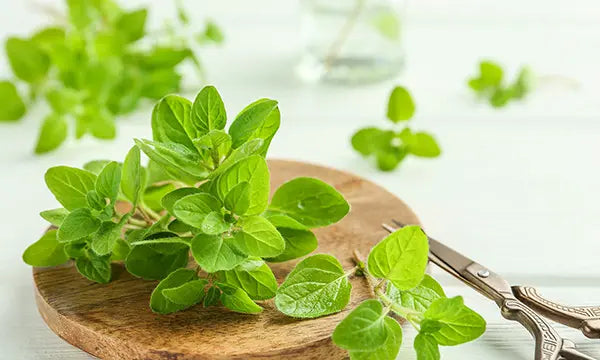
Oregano oil: The natural antibiotic
Oregano is a well-known medicinal plant. Due to its intense aroma, the leaves are also used as a spice. The plant is rich in essential oils, especially carvacrol and thymol, which have antibacterial and antifungal properties. For this reason, oregano and the oil extracted from it are often referred to as natural antibiotics. Here we take a closer look at the effects of oregano oil. Antibacterial The carvacrol contained in oregano has an antimicrobial effect. It can inhibit the growth of staphylococci, enterococci, E. coli, and salmonella, for example.1 Against antibiotic-resistant bacteria Oregano oil is particularly interesting for infections with antibiotic-resistant bacteria. This is because even bacterial strains that are resistant to conventional antibiotics are sensitive to oregano oil.2 However, further research is needed regarding the specific duration and dosage for such infections.Antifungal Oregano also has an antifungal effect, which is mainly due to the thymol it contains. This active ingredient is very effective at inhibiting fungal growth. This has been particularly well researched in Candida albicans.3 Antioxidant and anti-inflammatory Oregano oil has antioxidant properties and can therefore scavenge free radicals and counteract oxidative stress. Since oxidative stress promotes inflammation, oregano oil also has an anti-inflammatory effect and is of interest in inflammatory diseases. However, its specific application still needs to be investigated in more detail. For respiratory diseases Oregano oil is often used in naturopathy for respiratory diseases such as coughs, bronchitis, and asthma. In vitro, oregano oil can actually reduce inflammation in lung cells.4 For digestive problems Oregano oil is traditionally used for digestive problems. It is said to aid digestion, relieve flatulence, and help with gastrointestinal infections. Oregano oil is also often recommended for small intestinal bacterial overgrowth (SIBO). Although oregano oil is promising in this regard due to its antibacterial properties, there is unfortunately no concrete data to show that oregano oil can actually help with SIBO. For intestinal dysbiosis In animal studies, oregano oil has a positive effect on the intestinal flora. Treatment with oregano oil increased beneficial intestinal bacteria such as lactobacilli and bifidobacteria and decreased pathogenic germs such as E. coli and Shigella.5However, the dose is crucial: if the dosage is too high, oregano oil also acts against beneficial intestinal bacteria. href="#sdfootnote6sym">6 The optimal dose for humans has yet to be determined. For intestinal parasites Oregano oil also shows promise for intestinal parasites, although here too, the data available for humans is very limited.7 However, there is good data on animals: oregano oil is effective against intestinal worms in sheep, for example.8 Side effects of oregano oil Oregano oil is generally well tolerated, but it is very pungent and irritating. It can therefore easily irritate the skin and mucous membranes. For this reason, it should never be taken undiluted, but diluted with a carrier oil. Oregano oil from Viktilabs The oregano oil capsules from Viktilabs contain cold-pressed, virgin olive oil as a carrier oil in addition to oregano oil. This makes these capsules well tolerated and does not irritate the digestive tract. The product is free from unnecessary additives such as colorants, anti-caking agents, sweeteners, and binding agents. To guarantee maximum purity, the preparation is tested for heavy metals and other harmful substances by an independent laboratory. Click here for oregano oil from Viktilabs. 1 https://www.aimspress.com/article/doi/10.3934/biophy.2024027 2 https://www.sciencedaily.com/releases/2001/10/011011065609.htm 3 https://pubmed.ncbi.nlm.nih.gov/39948037/ 4 https://www.sciencedirect.com/science/article/abs/pii/S2210803323000295 5 https://www.frontiersin.org/journals/nutrition/articles/10.3389/fnut.2021.722557/full 6 https://reference-global.com/article/10.2478/aoas-2021-0068 7 https://onlinelibrary.wiley.com/doi/10.1002/(SICI)1099-1573(200005)14:3%3C213::AID-PTR583%3E3.0.CO;2-U 8 8 https://www.mdpi.com/2076-2615/13/1/45

Shilajit (Mumijo): Studies, ingredients, and scientific classification
Guest contribution by Laszlo Schlindwein, pharmacist (owner), naturopath, and nutrition expert TL;DRShilajit (also known as mumijo) is a natural substance made from plant biomass and over 40 minerals that has been formed over centuries in mountainous regions such as the Himalayas. It has been used in traditional medicine for more than 3,000 years and, in recent studies, has shown promising effects on energy, testosterone, and stress regulation. This article summarizes the growing scientific evidence and explains what distinguishes the remarkable tradition and complex composition of shilajit. What is shilajit (mumijo)?Shilajit is one of the most complex natural substances in existence—a biomaterial created by centuries of decomposition of plant biomass in combination with mineral components. The name "mumijo" is derived from Persian and means "body protection"—a term that reflects the traditional appreciation of this substance. Shilajit is primarily found in high mountain regions – especially in the Himalayas, the Altai Mountains, and the Caucasus. The substance emerges as a dark, resinous exudate from rock crevices and is traditionally collected when it softens in the heat of the sun. Its formation takes centuries: plant material (mosses, lichens, herbs) is transformed into a unique substance by microorganisms, geological pressure, and mineral deposits. The composition of shilajit is exceptionally complex, depending on its place of origin, vegetation, geology, and climate. Unlike synthetic active ingredients, shilajit is a completely natural system of humic substances, fulvic acid, minerals, and trace elements, which may have a synergistic effect when combined. Shilajit is not an industrially manufactured product, but a natural material that has developed over thousands of years. This natural origin explains both its extraordinary complexity and its deep roots in traditional medical systems worldwide. Historical use: Over 3,000 years of documented tradition Shilajit is one of the longest continuously used natural substances in human history. For over 3,000 years, it has been valued in Ayurvedic medicine as a "rasayana" (rejuvenating agent) – a category reserved for the most valuable substances in traditional Indian medicine. Sanskrit texts such as the Charaka Samhita (ca. 400 BC) describe shilajit in detail: its origin, purification, application, and traditional indications. The continuity of its use over thousands of years – documented in medical texts from India, Tibet, Persia, and later Russia – is scientifically remarkable. In Eastern Europe, mumijo has been systematically researched since the 1950s, especially in the Soviet Union. Russian and Kazakh researchers have studied the substance in over 300 scientific papers, many of which Studies that have methodological weaknesses according to today's standards, but consistently document biological activity. The importance of long tradition Over 3,000 years of documented use is no coincidence. While traditional use is not scientific proof, it shows that generations of healers, doctors, and users have made reproducible observations that justify further investigation. Many modern medicines (digitalis, quinine, aspirin) were developed from precisely such traditional applications. Shilajit is not a "novel food" in the EU, as its use has been documented since before 1997. This allows it to be legally marketed as a dietary supplement—a status enjoyed by only a few herbal substances with a comparable tradition. What does shilajit contain? – A remarkable nutrient densityDepending on its origin, shilajit contains 40–85 different minerals and bioactive compounds – one of the broadest natural nutrient spectra available. The main components are: 1. Fulvic acid – The key ingredient Fulvic acid accounts for 15–20% of the dry matter and is the most thoroughly researched ingredient in shilajit. Fulvic acid belongs to the humic substances – small, water-soluble organic molecules with exceptional chemical properties. What makes fulvic acid special is that it is a builder, meaning it can bind and transport minerals. This property is scientifically recognized and is used specifically in agriculture to improve the nutrient uptake of plants. Fulvic acid could have a similar effect in the human body – it makes minerals more mobile and potentially more bioavailable. In addition, in vitro studies show that fulvic acid: Has antioxidant properties Can support mitochondrial function Modulates inflammation markers While clinical evidence for isolated fulvic acid is limited, preclinical research suggests plausible biological activity. 2. Exceptional mineral spectrum Shilajit contains 40–85 different minerals and trace elements, depending on its geological origin. Documented components include: Essential minerals: Magnesium: Contributes to normal muscle function and nervous system Zinc: Contributes to normal testosterone levels in the blood Iron: Contributes to normal red blood cell formation Selenium: Contributes to the protection of cells from oxidative stress Trace elements: Copper, manganese, chromium, molybdenum, vanadium, boron, silicon Rare elements: Fulvic acid-bound mineral complexes, which rarely occur in this form in the diet What makes it special: These minerals are not isolated, but occur in a natural matrix of fulvic acid and humic substances, which may improve their absorption. This distinguishes shilajit from synthetic mineral supplements. 3. Dibenzo-α-pyrones (DBPs) – Bioactive markers These organic compounds are characteristic of high-quality shilajit and are used as quality markers. They are formed during the centuries-long maturation process and are not present in synthetic products. 4. Humic acids – Structural components In addition to fulvic acid, shilajit preparations also contain larger humic acids, which contribute to the complex matrix and may have prebiotic properties (limited studies). The power of complexity Shilajit is not a single substance, but a complete system. Modern science tends to isolate individual active ingredients – but with shilajit, it is precisely the combination of all its components that could be decisive. This concept is called "synergistic matrix" – the idea that natural substances as a whole have a greater effect than the sum of their individual parts. Studies on shilajit – growing scientific evidenceThe scientific literature on shilajit is growing steadily. Over the past 15 years, several placebo-controlled human studies have been published, showing promising results. The most significant studies are listed below: 1. PMC3296184 – Comprehensive review of biological properties Publication: Journal of Ethnopharmacology (2012)Type: Systematic reviewCitation frequency: Over 300 citations (as of 2025) Content: This influential review summarizes preclinical and clinical studies and discusses documented mechanisms: antioxidant activity, inflammation-modulating effects, mitochondrial support, and adaptogenic properties. Classification: This review demonstrates the breadth of shilajit's biological activity. While the majority of studies are preclinical, they consistently document measurable effects in cell cultures and animal models. The authors conclude: "Shilajit possesses promising pharmacological properties that warrant further clinical investigation." 2. Andrologia (10.1111/and.12482) – Placebo-controlled human study on testosterone Publication: Andrologia (2016)Type: Randomized, double-blind, placebo-controlledParticipants: 96 healthy men (aged 45–55)Duration: 90 daysDosage: 250 mg standardized shilajit, twice daily Results: The study showed statistically significant improvements in the shilajit group: Total testosterone: +20.45% (placebo: +1.8%) Free testosterone: +19.14% (placebo: +2.3%) DHEA (dehydroepiandrosterone): +31.28% (placebo: +5.1%) Classification: This is a methodologically sound study with a double-blind, placebo-controlled design. The effect sizes are remarkable—a 20% increase in testosterone is within the therapeutically relevant range. The study was published in a peer-reviewed journal and shows robust statistical significance (p Limitation: The sample size is moderate at 96 participants. A Independent replication with a larger population would be desirable, but the results are promising. 3. Journal of Medicinal Food – Fatigue and cognitive function Publication: Journal of Medicinal Food (2012)Type: Double-blind, placebo-controlledParticipants: Healthy adultsDuration: 60 days Results: The study documented significant improvements in: Subjective energy (Fatigue Severity Scale) Cognitive performance (reaction time, attention) Physical endurance Classification: This study shows consistent effects on several levels – subjective energy, objective cognitive tests, and physical parameters. Particularly noteworthy: the improvements occurred after just 4 weeks and intensified over 60 days. 4. PubMed 26395129 – Spermatogenesis and male fertility Publication: Andrologia (2015)Type: Pilot studyParticipants: 35 men with reduced fertilityDuration: 90 daysDosage: 100 mg shilajit, twice daily Results: Significant improvements in: Sperm count: +61.4% (from 24.4 to 39.4 million/ml) Sperm motility: +12.4–17.4% Total testosterone: +23.5% Classification: This study shows clinically relevant improvements in men with fertility problems. The effect sizes are remarkable—a 60% increase in sperm count is substantial. The study is designed as a pilot study (smaller sample size, exploratory), but the results justify larger follow-up studies. What makes a good study? The above studies meet important quality criteria: 1. Placebo-controlled and double-blind Three of the four main studies are double-blind and placebo-controlled —the gold standard of clinical research. This minimizes bias and placebo effects. 2. Objective endpoints The studies measure hard, objective parameters: hormone levels in the blood, semen analyses, cognitive tests. These are not subjective feelings, but measurable biomarkers. 3. Statistical significance All main results show p-values , many even 4. Peer-reviewed publication The studies were published in recognized scientific journals (Andrologia, Journal of Medicinal Food) and underwent scientific review. 5. Consistency of results Different studies, different populations, consistent direction: The studies consistently show positive effects on Energy, hormones, and stress regulation. This consistency strengthens the evidence. What is missing? Large multicenter studies (> 200 participants) Long-term studies (> 6 months) Independent replications by different research groups Conclusion: The available evidence is promising and methodologically sound for a natural substance. While larger studies would be desirable, the data on shilajit significantly exceeds that of many other traditionally used plant substances. Shilajit in relation to hormonesThe most consistent study results show effects on hormonal parameters —especially testosterone, DHEA, and cortisol. How can these findings be classified? Documented mechanisms (plausible) Adaptogenic effect on the HPA axis: Shilajit could modulate the hypothalamic-pituitary-adrenal axis. Chronically elevated cortisol inhibits testosterone production – if shilajit mitigates the stress response, testosterone could indirectly increase. This mechanism is well known from adaptogen research (rhodiola, ashwagandha). Mitochondrial energy production: Fulvic acid is believed to play a role in mitochondrial electron transport. Improved ATP production could support the energy-intensive processes of hormone synthesis. Studies show that shilajit increases the expression of genes that code for mitochondrial function. Antioxidant protection: Oxidative stress damages the Leydig cells in the testicles that produce testosterone. Shilajit's documented antioxidant properties (mediated by fulvic acid and dibenzo-α-pyrones) could protect these cells. Improved nutrient availability: Zinc, magnesium, and selenium are cofactors in testosterone synthesis. Fulvic acid may improve the bioavailability of these minerals—a synergistic effect that is increasingly recognized in nutrient research. These mechanisms are scientifically plausible and supported by preclinical data. Human studies consistently show that testosterone levels increase measurably in men who take shilajit. Why no EU health claims? The European Food Safety Authority (EFSA) has not approved any health claims for shilajit. This is not due to a lack of efficacy, but to regulatory hurdles: Costs: A health claim application costs €100,000–500,000 – often uneconomical for a non-patentable natural substance. Standardization: EFSA requires an exact definition of the substance, which is difficult given shilajit's natural variability. Number of studies: EFSA requires several large, independent studies – the available studies are of good quality but limited in number Important: The lack of health claims does not mean that shilajit is ineffective. Many traditionally used substances with solid study data do not have claims because the approval process is too costly. Dosage forms: Resin vs. powder Shilajit is available in two main forms, each with its own advantages and disadvantages: 1. Resin – The traditional form Description: Dark brown to black, viscous to solid mass with earthy and mineral notes that take some getting used to. Advantages: Minimally processed: closer to its natural form Higher fulvic acid concentration: Often 50–60% (capsules: 20–30%) Traditional dosage: This is how shilajit has been used for thousands of years Rapid absorption: Dissolved in warm water, rapid absorption Disadvantages: Taste takes some getting used to: earthy, slightly bitter Dosage: Less precise (pea-sized amount ≈ 200–300 mg) Storage: Requires cool, dry conditions 2. Powder (pure or in capsules) – The modern form Description: Standardized extracts, often offered in balanced nutrient blends as a powder for men's health or as a capsule for immunity, with 20–30% fulvic acid. Advantages: Precise dosage: Exact amounts per cup/capsule Optimized taste: No taste barrier Suitable for everyday use: Easy to take on the go Standardization: Consistent quality Disadvantages: More complex processing: extraction, drying, compression Additives: Capsule material, sometimes fillers (not in powder form) Quality is crucial Both forms can be of high or low quality. The following factors are crucial: ✅ Origin: Himalayan region (Nepal, Bhutan), Altai, Caucasus✅ Purification: Certified free of heavy metals (lead, arsenic, mercury)✅ Fulvic acid content: At least 20%, ideally 50–60%✅ Independent laboratory analysis: COA (Certificate of Analysis) per batch✅ Transparency: Manufacturer specifies origin, processing, test certificates Pharmaceutical classification As a pharmacist, I consider shilajit to be one of the most scientifically interesting traditional substances with considerable and growing clinical evidence. Strengths of shilajit Over 3,000 years of documented tradition: this continuity is unmatched in Exceptionally bio natural substances Exceptional nutrient density: 40–85 minerals in a bioavailable matrix Placebo-controlled human studies: Several studies show significant, reproducible effects Plausible mechanisms: Adaptogenic, antioxidant, mitochondrial, mineral-modulating Consistent results: Various studies show consistent results What sets shilajit apart Compared to other herbal supplements, shilajit has: A longer documented history of use than most European medicinal plants More placebo-controlled human studies than many "superfoods" A more complex composition (complete mineral matrix) than isolated extracts More scientifically plausible mechanisms of action than many trendy adaptogens Limitations and open questions Standardization: Natural variability makes comparisons between products difficult Lack of long-term studies: The longest study lasted 90 days – effects after 6–12 months unknown Individual variability: Not everyone reacts to shilajit in the same way Mechanistic details: The exact molecular pathways are not yet fully understood Regulatory reality In the EU, shilajit is classified as a dietary supplement. This means that Sales are legal and established Manufacturers are not allowed to make specific claims about its effects (no health claims) However: tradition and studies may be presented in general terms What reputable manufacturers and pharmacists can communicate: "Shilajit has been used traditionally for over 3,000 years." "Studies show effects on energy, hormones, and stress regulation." "The composition includes over 40 minerals and fulvic acid." "Pay attention to quality, purity, and origin." Further sources of informationThe classification of shilajit is part of a larger question: How do you evaluate natural substances between tradition and modern science? A systematic overview of nutrients, their role in hormone metabolism, and the distinction between approved health claims, scientific studies, and traditional use can be found in the knowledge section Nährstoffe. It also explains why some substances have health claims and others do not—and what that means in practical terms. For those interested in hormonal relationships, the section Testosterone provides a classification of the hormonal control loops that are being scientifically investigated in connection with shilajit. FAQ What is shilajit? Shilajit (also known as mumijo) is a substance that has developed naturally over centuries from plant biomass and minerals from mountainous regions. It contains over 40 minerals, fulvic acid, and humic substances in a complex matrix. Shilajit has been used in Ayurvedic medicine for over 3,000 years and has shown promising effects on energy, hormones, and stress regulation in modern studies. Are there any scientific studies on shilajit? Yes, there are several placebo-controlled human studies that document significant effects. A double-blind study published in 2016 showed a 20% increase in testosterone in healthy men. Another study documented a 60% improvement in sperm count in men with fertility problems. The evidence is growing steadily—shilajit has a more solid body of research than many other traditionally used plant substances. What makes fulvic acid special? Fulvic acid is a natural chelating agent – it binds minerals and makes them more mobile and potentially more bioavailable. This property is scientifically recognized and is used in agriculture. In shilajit, fulvic acid is present in a unique combination with over 40 minerals, which may enable synergistic effects. Preclinical studies also show antioxidant and mitochondrial-supporting properties. Is shilajit safe? In high-quality purified shilajit, there are no serious side effects in the available studies. The studies document good tolerability over 90 days. It is important to use only certified products that have been tested for heavy metals. Pregnant women, nursing mothers, and people with chronic illnesses should seek medical advice before taking it. Last technical classification: 2025 Update recommendations: Annually: Check PubMed for new human studies For new systematic reviews: Update evidence assessment In case of regulatory changes: Check EFSA assessments Scientific studies in the article Carrasco-Gallardo et al. (2012) – Shilajit: A Natural Phytocomplex with Potential Procognitive Activity (International Journal of Alzheimer's Disease, PMC3296184) Surapaneni et al. (2012) – Shilajit attenuates behavioral symptoms of chronic fatigue syndrome by modulating the hypothalamic–pituitary–adrenal axis and mitochondrial bioenergetics in rats (Journal of Ethnopharmacology) Pandit et al. (2015) – Clinical evaluation of purified shilajit on testosterone levels in healthy volunteers: A double-blind, placebo-controlled study (Andrologia, PMID: 26395129) About the author Laszlo Schlindwein is a pharmacist, naturopath, and nutritionist specializing in evidence-based evaluation of dietary supplements and traditional natural substances. He is part of the team at Hormon Habits, a knowledge blog for scientifically based health information for men.

L-theanine: an effective anti-stress remedy?
L-theanine is an amino acid known for promoting mental balance and inner calm. It is said to induce a state of alert relaxation without fatigue. L-theanine is also believed to alleviate anxiety and promote sleep.
Find out more about L-theanine and how this amino acid works here.
What is L-theanine?
L-theanine is an amino acid that is extracted from the leaves of the tea plant Camellia sinensis . However, unlike many other amino acids, L-theanine does not serve as a protein building block.
In terms of structure, L-theanine is very similar to the neurotransmitters glutamate and GABA. L-theanine can bind to GABA and glutamate receptors and thus appears to affect the nervous system and influence brain activity.
What is L-theanine good for?
L-theanine is currently being actively researched in studies. Although there is currently no health claim for L-theanine that has been officially approved by the EU, the results of studies are very promising.
For stress
Clinical studies have investigated the extent to which L-theanine could influence subjective stress perception.
L-theanine can bind to GABA receptors in the brain, which means it may have a GABA-like effect. GABA is a calming neurotransmitter that promotes relaxation.
In addition, some studies have observed an increase in alpha waves in the brain following L-theanine supplementation. Alpha waves occur during states of relaxation. However, this was only the case in subjects who suffered from anxiety.1
Although these results are promising, the stress-relieving effect of L-theanine has not been proven and requires further investigation.
For concentration problems
Individual studies are currently investigating whether L-theanine could influence cognitive functions such as attention and memory.
In a study with subjects suffering from mild cognitive impairment, increased attention and improved memory performance were observed after L-theanine supplementation.2
Since L-theanine is said to promote relaxation and concentration at the same time, it is also referred to as a state of "alert relaxation."
These findings are also considered inconclusive and require further research.
For stress-related high blood pressure
A connection between L-theanine and blood pressure regulation is also being scientifically investigated.
Stress can cause blood pressure to rise. L-theanine, on the other hand, can promote the formation of nitric oxide (NO) – a messenger substance that has a vasodilatory effect and can thus lower blood pressure.
In one study, people who react to stress with high blood pressure experienced a drop in blood pressure after taking L-theanine.3
Here, too, further Research is needed before definitive statements can be made.
For sleep problems
A study has investigated L-theanine in children with ADHD. ADHD is often accompanied by disturbed and very restless sleep.
As a result of taking L-theanine, sleep quality improved significantly within 6 weeks.4
However, it does not appear to cause drowsiness like sedatives, but rather promotes sleep by promoting relaxation and alleviating anxiety.
However, the studies on this are also limited, and it is not yet possible to say with certainty whether L-theanine actually promotes sleep.
What are the side effects and interactions?
L-theanine is very well tolerated and does not usually cause any side effects. At high doses, L-theanine could theoretically impair driving ability. However, this effect does not occur at doses of up to 200 mg.
However, there may be interactions with medications, especially sedatives, antidepressants, antiepileptics, and cancer drugs. If you are taking medication, you should therefore discuss the use of L-theanine with your doctor.
Pregnant and breastfeeding women should not take L-theanine due to a lack of safety data.
Buy L-theanine
As with all dietary supplements, there are significant differences in the quality of L-theanine. It is best to choose a high-quality green tea extract that specifies the theanine content. Also, make sure that the product has been laboratory-tested for purity and does not contain any unnecessary additives such as sweeteners, flavorings, colorings, or fillers.
The L-theanine from Viktilabs naturally meets all these criteria.
Youcan find L-theanine from Viktilabshere .
1 https://www.sciencedirect.com/science/article/pii/S1756464611000351
2 https://pubmed.ncbi.nlm.nih.gov/21303262/
3 https://pubmed.ncbi.nlm.nih.gov/23107346/
4 https://pubmed.ncbi.nlm.nih.gov/22214254/


