




Latest posts
Magazine



Full, strong and shiny hair: these nutrients are essential
Healthy hair is an important beauty feature. Thinning, dull and brittle hair can therefore be a major burden.
Severe hair loss in particular is the worst nightmare for many people. Hair loss can have various causes. Often an imbalance of hormones is to blame. But stress, metabolic disorders, heavy metal pollution, medication and nutrient deficiencies can also cause hair loss and other hair problems.
Many nutrients are involved in hair growth and maintaining healthy, beautiful hair. We present the most important ones here.
vitamin C
Vitamin C can promote the survival rate and proliferation of stem cells in the hair follicles, which can accelerate the hair growth cycle. 1
In addition, vitamin C is an important antioxidant in the body that counteracts oxidative stress. Oxidative stress accelerates the aging process and appears to promote graying of hair and a reduction in hair growth. 2
Vitamin C is also needed for the synthesis of collagen. Collagen is the most common protein in connective tissue. It is very rich in proline, an amino acid that is an important component of keratin. Hair is largely made up of keratin. It gives hair structure and strength.
silicon
Silicon is a trace element that is important for the development and maintenance of cartilage, connective tissue, hair, skin and nails. Silicon is a component of silicic acid, which is known to improve the elasticity and tensile strength of hair. 3
saw palmetto fruit extract
Saw palmetto fruit extract has promising properties when it comes to hair growth. It consists largely of fatty acids and also contains beta-carotene, vitamin E and phytosterols. The fatty acids it contains appear to have an antiandrogenic effect.
They inhibit the binding of DHT to androgen receptors. They can also inhibit the DHT enzyme and stimulate another enzyme that breaks down DHT. DHT is an androgen and testosterone derivative. It plays an important role in male, age-related hair loss. But women are also affected. It is also called androgenetic alopecia, i.e. hair loss caused by androgens.
In a systematic review of 7 studies with hair loss subjects, 100 – 320 mg of saw palmetto extract daily improved hair quality by 60%, increased hair count by 27%, increased hair density in 83.3% of subjects, and slowed hair progression in 52%. 4
methionine
Methionine is a sulfur-containing, essential amino acid that is found primarily in meat, eggs and nuts. Sulfur is needed for the production of keratin. 5
Methionine also inhibits tyrosinase, an enzyme that promotes graying of hair.
cysteine
Cysteine is also an amino acid. Keratin is very rich in cysteine. Cysteine is needed for the so-called disulfide bridges in keratin. 6 Disulfide bridges are links in keratin that give the protein its shape and structure.
Cysteine also has an antioxidant effect and can counteract oxidative stress, which promotes hair loss.
zinc
Zinc is very important for the health and regeneration of hair follicles. Zinc is also needed for the production of thyroid hormones. A deficiency can cause hypothyroidism, which in turn is associated with hair loss. 7
Zinc also has an antioxidant effect.
Studies have shown that zinc deficiency can cause hair loss. 8 Zinc supplementation can, in turn, correct hair loss caused by zinc deficiency. 9
selenium
Selenium is an essential nutrient that we unfortunately often lack. The soil in Germany is low in selenium, which means that our food also contains very little selenium.
Selenium contributes to a normal hair follicle cycle. 10 Selenium is also an important antioxidant that can protect against oxidative stress caused by UV radiation.
It is therefore not surprising that a selenium deficiency can cause hair loss. However, it is important to note that too much selenium can also lead to hair loss, so the right dose is crucial. 11
copper
Copper is important for the formation of melanin because the enzyme tyrosinase, which forms melanin, contains copper.
Melanins are pigments that come in different colors and determine hair color.
A copper deficiency can therefore cause premature greying of hair. 12 However, premature greying is not always due to a copper deficiency. Other deficiencies such as iron, zinc and vitamin B2 deficiencies can also cause hair to turn grey. 13
B vitamins
B vitamins have many functions that are important for hair health. For example, they are involved in cell division, energy metabolism and amino acid synthesis.
Vitamin B2, vitamin B6 and biotin are particularly important for hair.
Vitamin B2 can support the normal hair growth cycle. A deficiency in vitamin B2 can cause hair loss. 14
Biotin is needed for keratin synthesis. A biotin deficiency causes hair loss. 15
Vitamin B6 is involved in the hair follicle cycle and regulates sebum production. It can strengthen hair and counteract inflammation in the scalp. 16
HaarVital Daily combines all important nutrients for hair
Our hair complex HaarVital Daily contains all of the substances mentioned above that are so important for hair health: vitamin C, silicon, saw palmetto fruit extract, methionine, cysteine, zinc, selenium, copper, vitamin B6, vitamin B2 and biotin.
HaarVital Daily naturally has the usual Viktilabs quality: The product is free from unnecessary additives such as colorants, sweeteners, binding agents and separating agents. Ongoing quality controls and extensive pollutant analyses guarantee the highest purity.
Here you can find HaarVital Daily .
1 https://pubmed.ncbi.nlm.nih.gov/24524758/
2 https://pmc.ncbi.nlm.nih.gov/articles/PMC2929555/
3 https://link.springer.com/article/10.1007/s12634-012-0295-x
4 https://pubmed.ncbi.nlm.nih.gov/33313047/
5 https://pubmed.ncbi.nlm.nih.gov/29480334/
6 https://pubmed.ncbi.nlm.nih.gov/26212225/
7 https://pubmed.ncbi.nlm.nih.gov/23960398/
8 https://pubmed.ncbi.nlm.nih.gov/39165624
9 https://pubmed.ncbi.nlm.nih.gov/22741940/
10 https://onlinelibrary.wiley.com/doi/10.1002/mnfr.202400652
11 https://onlinelibrary.wiley.com/doi/10.1111/j.1439-0396.2005.00575.x
12 https://link.springer.com/article/10.1007/s12011-011-9223-6
13 https://athenaeumpub.com/wp-content/uploads/Adequate-Nutrition-and-Premature-Hair-Graying-A-Review-of-Literature.pdf
14 https://link.springer.com/article/10.1007/s13555-018-0278-6
15 https://pmc.ncbi.nlm.nih.gov/articles/PMC5582478/
16 https://link.springer.com/article/10.1007/s13555-018-0278-6
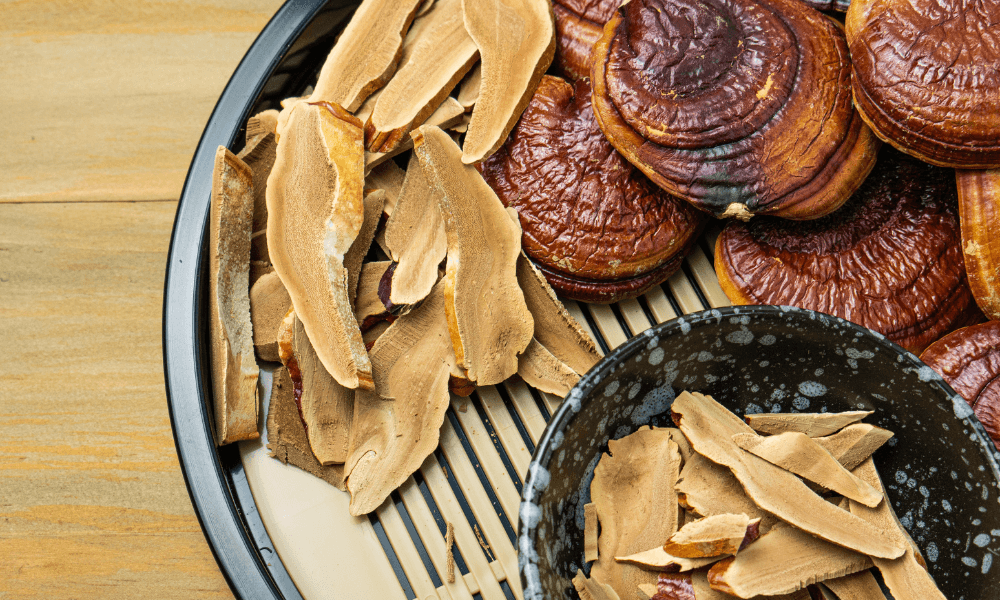
The most important medicinal mushrooms and their effects
Medicinal mushrooms, also known as vital mushrooms, are becoming increasingly popular. For good reason. In naturopathy, they have long been valued for their antioxidant, anti-inflammatory and immune-boosting properties. They also have a positive effect on the intestinal flora. More and more scientific studies can confirm these positive effects on health.
Medicinal mushrooms are rich in minerals, especially potassium. They also contain β -glucans, which are fibers that can strengthen the immune system. 1 They also have a high content of triterpenes, which have anti-inflammatory effects. 2 Medicinal mushrooms also provide lovastatin, a statin-like substance that can lower cholesterol levels. 3
Here is an overview of the most important medicinal mushrooms and their effects:
Cordyceps
Caterpillar fungus ( Cordyceps sinensis ) is valued in traditional Chinese medicine primarily for its energizing effect. It is said to increase energy and promote concentration. There is also evidence of an immune-boosting, testosterone-boosting and detoxifying effect. 4
Learn more about Cordyceps here.
Reishi
Reishi ( Ganoderma lucidum ) is known as the mushroom of immortality and eternal youth. It is also said to have a calming and sleep-inducing effect. Reishi is also said to have a positive effect on the cardiovascular system and the ability to concentrate. 5
Here you can learn more about Reishi.
Almond mushroom
The almond mushroom ( Agaricus blazei Murrill ) is valued in traditional Chinese medicine primarily for its immune-boosting effect. It is also said to have a detoxifying effect and can lower blood pressure and blood sugar. 6
Here you can learn more about the almond mushroom.
Lion's Mane
Lion's mane ( Hericium erinaceus ) is known for its nerve-protecting and digestive properties. There is also evidence that the medicinal mushroom could protect against depression and anxiety and against liver damage caused by alcohol abuse . 7
Chaga
Chaga ( Inonotus obliquus ) is said to have a positive effect on skin health. It is said to have a calming and stimulating effect at the same time. There is also evidence of an antiviral and antibacterial effect. 8
Shiitake
The shiitake mushroom ( Lentinula edodes ) is not only a medicinal mushroom, but also a very popular edible mushroom. In traditional Chinese medicine, the shiitake mushroom is valued above all for its positive effect on the cardiovascular system. It is said to be able to lower blood fat levels, blood sugar and blood pressure and improve cholesterol levels. 9
Maitake
Maitake ( Grifola frondosa ) is valued above all for its effect on the metabolism. It is said to be able to promote liver health. The liver is a central metabolic organ and a healthy liver is essential for a well-functioning metabolism. 10
WE HAVE YOU A 10% VOUCHER FOR OUR REISHI , CORDYCEPS AND ALMOND MUSHROOM
PROVIDED AND HOPE TO BRING YOU JOY WITH IT.
SIMPLY COPY THE FOLLOWING COUPON CODE
AND ENTER IT AT CHECKOUT:
HEIL+V10
TO THE PRODUCTS
1 https://www.ncbi.nlm.nih.gov/pmc/articles/PMC8308413/
2 https://pubmed.ncbi.nlm.nih.gov/30806265/
3 https://pubmed.ncbi.nlm.nih.gov/37604902/
4 https://www.ncbi.nlm.nih.gov/pmc/articles/PMC3909570/
5 https://pubmed.ncbi.nlm.nih.gov/22593926/
6 https://pubmed.ncbi.nlm.nih.gov/28103773/
7 https://pubmed.ncbi.nlm.nih.gov/24266378/
8 https://www.ncbi.nlm.nih.gov/pmc/articles/PMC8240111/
9 https://pubmed.ncbi.nlm.nih.gov/20491636/
10 https://pubmed.ncbi.nlm.nih.gov/11207456/
Lion’s mane – the vital mushroom for the intestines and nerves
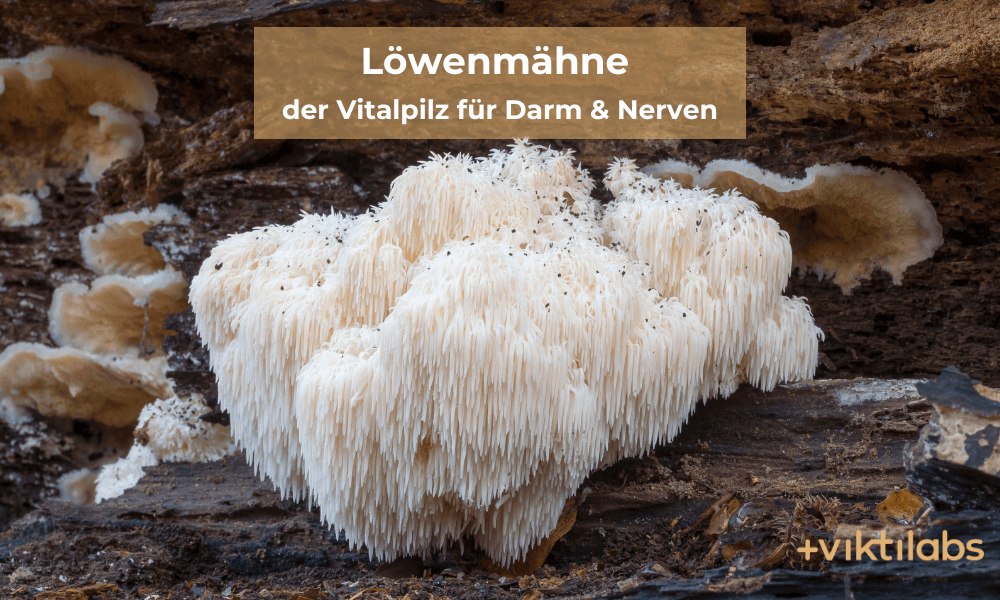
Lion’s mane (Hericium erinaceus) is a medicinal mushroom that looks like a lion’s mane.
Hence the name. The mushroom is also known as monkey head mushroom or hedgehog beard mushroom.
It colonizes dead wood of oak, beech and spruce and is native to East Asia, North America and Northern Europe.
Lion's mane is known as a mushroom for the intestines and nerves. In traditional medicine (TCM) it is used primarily for gastrointestinal complaints.
Lion's mane is also very popular as an edible mushroom. Its taste is reminiscent of lobster, with aromas similar to citrus fruits and coconut.
Ingredients of Lion's Mane
Lion’s mane contains valuable ingredients that are responsible for the positive effects of lion’s mane:
β-glucans – polysaccharides with immunomodulating effects.
Ergothioneine – can bind heavy metals
Lovastatin – natural cholesterol lowering agent
Triterpenes
Orcinol derivatives
There are many studies on lion's mane. The following effects are currently being investigated:
Nerve protection and regeneration
Lion's mane can stimulate the nerve growth factor NGF. 1 In addition, the fungus can promote the myelination of nerve cells in cell culture. 2 Myelin is an insulating protective layer that surrounds nerve cells. Once damaged, it is very difficult to rebuild.
Lion's mane is therefore of interest in neurodegenerative diseases. Initial studies also show that lion's mane could help with depression, anxiety and sleep disorders. 3
Immune defense
Lion's mane, like other medicinal mushrooms , appears to have an immunomodulating effect. This is due to the β-glucans it contains. In cell culture, lion's mane can activate natural killer cells (NK cells). 4
Cholesterol reduction
Lion's mane contains lovastatin, which is considered a natural cholesterol-lowering agent (statin). 5 Lovastatin can inhibit HMG-CoA reductase in vitro, thereby reducing cholesterol synthesis. 6
Gastrointestinal health
Lion's mane is very promising for inflammatory bowel disease. In animals, lion's mane was able to promote the growth of beneficial intestinal bacteria. 7
Lion's mane also appears to be able to inhibit Helicobacter pylori . 8 A Helicobacter pylori infection can cause gastritis and gastrointestinal complaints.
Buy Lion's Mane
There are huge differences in quality when it comes to medicinal mushrooms and you should definitely pay attention to good quality. There are many fake products on the market that do not contain the medicinal mushroom at all or only in very small quantities. 9
High-quality medicinal mushrooms are of course a bit more expensive than any other product on Amazon. So make sure you get good value for money and transparency in the list of ingredients and their origin.
Viktilabs relies on the highest quality for lion's mane: the medicinal mushroom is laboratory-tested, contains no unnecessary additives and was developed in Germany. The preparation also contains vitamin C, which can improve bioavailability.
Here you can find the Lion's Mane from Viktilabs .
1 https://pubmed.ncbi.nlm.nih.gov/27809277/ 2 https://pubmed.ncbi.nlm.nih.gov/12675022/ 3 https://pubmed.ncbi.nlm.nih.gov/20834180/ 4 https://www.nature.com/articles/aps2007113 5 https://www.ncbi.nlm.nih.gov/pmc/articles/PMC3852124/ 6 https://pubmed.ncbi.nlm.nih.gov/24959591/ 7 https://www.ncbi.nlm.nih.gov/pmc/articles/PMC5689651/ 8 https://pubmed.ncbi.nlm.nih.gov/26364939/ 9 https://www.nature.com/articles/s41598-017-06336-3
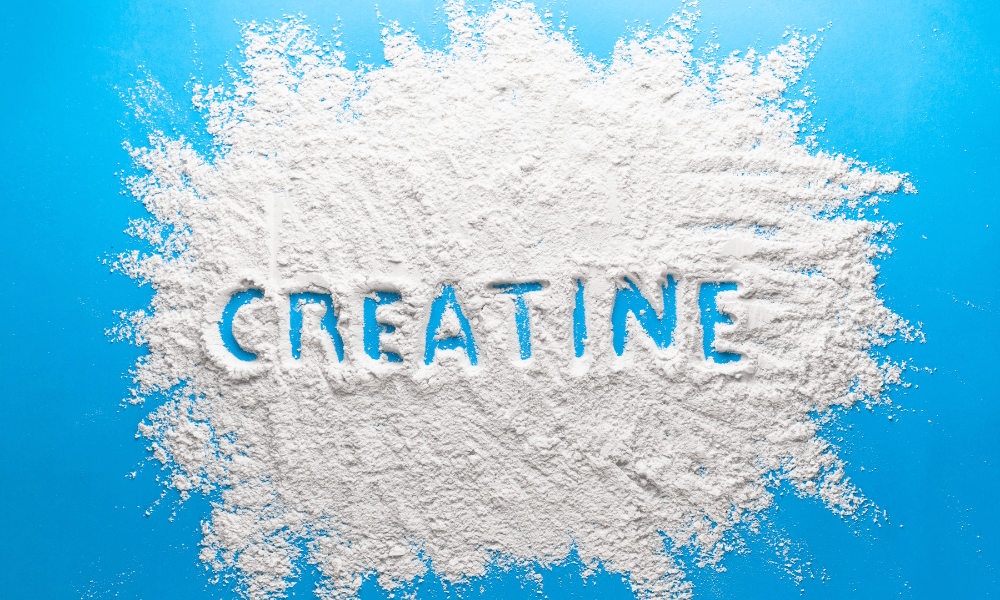
Creatine: Better regeneration, more strength, performance & energy?
Creatine serves as an energy store for the muscles. It is needed for energy regeneration in the muscles.
Creatine is mainly used for short-term, intensive physical exertion and in strength training. But non-athletes can also benefit from taking creatine.
In this article you will learn what creatine does in the body and what effects it has.
Creatine in food
Creatine is found primarily in animal foods. Plant foods contain only very small amounts of creatine.
The body can also produce creatine itself to a limited extent. This requires the amino acids arginine, glycine and methionine.
The daily creatine requirement is estimated at 1-3 g. About half is absorbed through food, the rest is produced by the body.
Competitive athletes have an increased need for creatine of up to 10 g per day. Certain illnesses can also increase the need for creatine.
The following foods are particularly rich in creatine: 1
Herring: 650 – 1,000 mg/100 g
Pork: 500 mg/100 g
Beef: 450 mg/100 g
Salmon: 450 mg/100 g
Tuna: 400 mg/100 g
Cod: 300 mg/100 g
Plaice: 200 mg/100 g
Milk: 10 mg/100 g
What does creatine do in the body?
Creatine restores energy used up in the cells. To understand exactly what creatine does, we need to take a little excursion into biochemistry. But it doesn't get too complicated.
The energy currency of cells is ATP. ATP stands for adenosine triphosphate and contains three phosphate groups. Energy is released when a phosphate group is split off from ATP. This creates ADP. ADP stands for adenosine diphosphate , which only contains two phosphate groups.
This is where creatine comes in: it can regenerate ATP very quickly. It provides a phosphate group that is needed to turn ADP back into ATP.
Proven effects of creatine
Creatine is one of the best-researched substances and there are many studies on creatine. The European Food Safety Authority decides which effects have sufficient meaningful data. These effects are officially recognized and considered proven.
The European Food Safety Authority confirms the following effect of creatine in its Health Claims Regulation: 2 3
The daily intake of 3g of creatine increases physical performance during explosive strength training as part of short-term intensive physical activity.
Daily intake of 3g of creatine can increase the effect of resistance training on muscle strength in adults over 55 years of age.
It is important to note that these effects have only been demonstrated with a daily dose of 3 g or more.
Effects of creatine that are currently being investigated
There are many other potential uses for creatine. However, these are still being scientifically investigated and have not yet been conclusively proven.
Creatine and muscle regeneration
During intensive strength training, microscopic tears develop in the muscles. During regeneration, these tears heal and the muscles become stronger. Studies indicate that creatine could accelerate regeneration after training. 4 5
Influence of creatine on mental performance
The brain uses large amounts of ATP when performing tasks that require a lot of concentration. It is therefore logical that creatine could improve concentration.
Creatine appears to be able to improve mental performance, particularly in stressful situations, when there is a lack of sleep and in combination with exercise. 6 7
Creatine in progressive neurological diseases
Initial studies show promising results in the neurological diseases Huntington's chorea, Parkinson's disease and amyotrophic lateral sclerosis (ALS) through the administration of creatine, especially in combination with coenzyme Q10 . 8 9
Effect of creatine on bone stability
There is evidence that creatine may improve bone stability, particularly when combined with strength training. 10 Strength training alone is an effective approach to increasing bone stability. Studies have not yet been able to clearly show whether creatine has additional benefits in terms of bone density when combined with strength training. 11 In the laboratory, however, creatine can stimulate the growth of osteoblasts (bone-building cells). 12
Creatine for muscle diseases
In people with progressive muscle diseases characterized by a loss of muscle strength (muscular dystrophies), the creatine content in the muscles is lower than in healthy people. Taking creatine can increase muscle strength. 13
Creatine for fibromyalgia
Creatine appears to have a positive effect on fibromyalgia . 14 In one study, taking creatine increased muscle strength, relieved pain, and improved quality of life. 15
Effect of creatine on heart failure
Like skeletal muscles, the heart muscle also needs ATP. In patients with heart failure, the creatine level in the heart muscle is too low. Initial studies show that creatine could be useful in heart failure, especially in combination with coenzyme Q10. 16 17
Can creatine cause hair loss?
There is a rumor going around that taking creatine can cause hair loss. The origin of this lies in a study on men in whom DHT levels increased after taking creatine. 18 DHT stands for dihydrotestosterone and is a male sex hormone. DHT can cause the hair root to shrink and an increased level can promote hair loss.
However, the study had many weaknesses and the results could not be reproduced in other studies. There is no evidence that creatine can actually cause hair loss.
Which form of creatine is recommended?
There are different creatine compounds, such as creatine magnesium chelate, creatine pyruvate, creatine citrate, creatine ethyl ester, creatine nitrate, creatine hydrochloride and creatine monohydrate.
Creatine hydrochloride and creatinine monohydrate are the two most common forms.
Creatine monohydrate is the best-researched form of creatine. Most creatine studies have been conducted with this form. If you want to be sure that creatine has the desired effect, you should use creatine monohydrate.
Buy creatine
There are big differences in the quality of creatine. That's why you should pay attention to quality features when buying.
Purity : It indicates whether it is pure creatine or whether it contains other ingredients-
Mesh factor : This indicates how finely ground the powder is. This affects the absorption of creatine. The higher the mesh factor, the better it can be absorbed.
Additives : It should be free from unnecessary additives such as colorings, preservatives, sweeteners and anti-caking agents.
Free from harmful substances : It should be tested for harmful substances to exclude contamination.
Viktilabs creatine monohydrate is ultra pure (99.9%), has the highest possible mesh factor (200), is tested for harmful substances and contains no additives. It is also vegan and contains no animal-based ingredients, and comes in recyclable packaging.
1 https://www.researchgate.net/figure/Creatine-Content-in-Select-Foods_tbl3_227249571
2 https://www.efsa.europa.eu/de/efsajournal/pub/4400
3 https://efsa.onlinelibrary.wiley.com/doi/pdf/10.2903/j.efsa.2011.2303
4 https://www.ncbi.nlm.nih.gov/pmc/articles/PMC8228369/
5 https://pubmed.ncbi.nlm.nih.gov/19490606/
6 https://pubmed.ncbi.nlm.nih.gov/17046034/
7 https://pubmed.ncbi.nlm.nih.gov/16416332/
8 https://pubmed.ncbi.nlm.nih.gov/25792086/
9 https://pubmed.ncbi.nlm.nih.gov/19476553/
10 https://pubmed.ncbi.nlm.nih.gov/16222402/
11 https://www.ncbi.nlm.nih.gov/pmc/articles/PMC5928444/
12 https://pubmed.ncbi.nlm.nih.gov/16025431/
13 https://pubmed.ncbi.nlm.nih.gov/21399918
14 https://acrjournals.onlinelibrary.wiley.com/doi/epdf/10.1002/acr.22020
15 https://pubmed.ncbi.nlm.nih.gov/19758235/
16 https://pubmed.ncbi.nlm.nih.gov/21462215/
17 https://www.ncbi.nlm.nih.gov/pmc/articles/PMC8067763/
18 https://pubmed.ncbi.nlm.nih.gov/19741313/
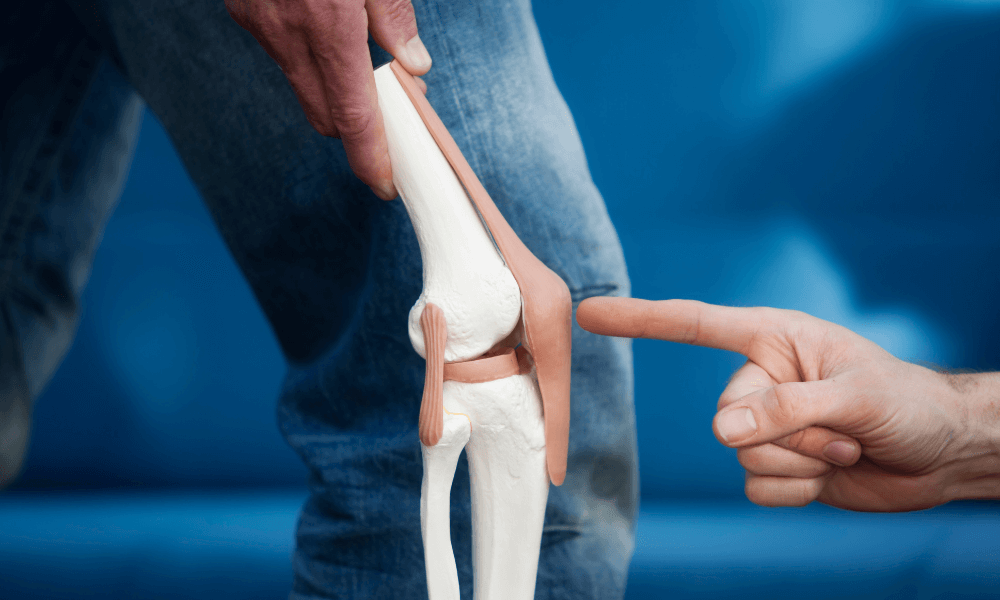
The best supplements to support your joints
The joints are the connection between two bones. Over the course of a lifetime, they are bent and stretched countless times.
The joints are therefore exposed to enormous stress and over the years the articular cartilage can become damaged or broken down. In colloquial terms, this is referred to as joint wear. Since the cartilage acts as a cushion between the bones, this can easily lead to joint pain.
Here you can find out which supplements you can use to support your joints.
Collagen
Collagen is a component of articular cartilage and can improve the strength of joints. As we age, collagen breaks down more and more, which promotes joint pain and other joint problems.
Many studies indicate that taking collagen can relieve symptoms of osteoarthritis . 1
Vitamin C
Vitamin C is needed for the production of collagen. 2 In this way, vitamin C could indirectly support joint health.
Glucosamine and chondroitin
Glucosamine and chondroitin are also important components of articular cartilage and are intended to counteract cartilage degradation.
In studies, the two combined were able to relieve joint pain. 3
Hyaluronic acid
Hyaluronic acid binds water and acts as a lubricant in the joints. It is often used for joint pain, especially osteoarthritis. 4
Calcium, vitamin D3 and vitamin K2
Healthy cartilage protects the bones. It acts like a kind of shock absorber. If the cartilage is damaged, the bones are easily attacked.
That's why you should also think about your bones if you have joint problems. Important nutrients for the bones are calcium, vitamin D3, and vitamin K2.
Calcium is the so-called bone mineral: bones consist largely of calcium and it gives the bones strength.
Vitamin D3 promotes the absorption of calcium from the intestine. It ensures that calcium is available to the body. A vitamin D deficiency is associated with loss of cartilage mass and osteoarthritis. 5
Vitamin K2 ensures that calcium gets from the blood into the bones. In people with osteoarthritis who have low vitamin K levels, joint wear progresses more quickly. 6
MSM
Methylsulfonylmethane (MSM) is organic sulfur. Sulfur is an important building block of collagen and chondroitin.
MSM is also said to have anti-inflammatory and antioxidant effects. Oxidative stress promotes the breakdown of cartilage.
Especially in combination with chondroitin and glucosamine, MSM appears to be able to relieve joint pain and increase mobility. 7 8
Omega-3
Omega-3 fatty acids have an anti-inflammatory effect and are therefore particularly useful for inflammatory joint pain such as osteoarthritis.
They could also be important for cartilage preservation: osteoarthritis patients with a good supply of omega-3 have less cartilage loss. 9
Conclusion: Healthy joints are well supplied with certain nutrients
Many nutrients are important for the formation and maintenance of cartilage. Other nutrients, however, have an anti-inflammatory effect and can thus counteract inflammatory joint pain.
WE HAVE GAVE YOU A 10% DISCOUNT CODE FOR OUR
VITAMIN C , COLLAGEN , CALCIUM , VITAMIN D3 , VITAMIN K2 & OMEGA-3
PROVIDED AND HOPE TO BRING YOU JOY WITH IT.
SIMPLY COPY THE FOLLOWING COUPON CODE
AND ENTER IT AT CHECKOUT:
GELENK+V10
TO THE PRODUCTS
1 https://pubmed.ncbi.nlm.nih.gov/30368550/
2 https://pubmed.ncbi.nlm.nih.gov/18505499/
3 https://pubmed.ncbi.nlm.nih.gov/25589511/
4 https://www.ncbi.nlm.nih.gov/pmc/articles/PMC4281855/
5 https://www.hindawi.com/journals/ije/2015/383918/
6 https://pubmed.ncbi.nlm.nih.gov/25528106/
7 https://pubmed.ncbi.nlm.nih.gov/21708034/
8 https://pubmed.ncbi.nlm.nih.gov/28790224/
9 https://pubmed.ncbi.nlm.nih.gov/22353693/
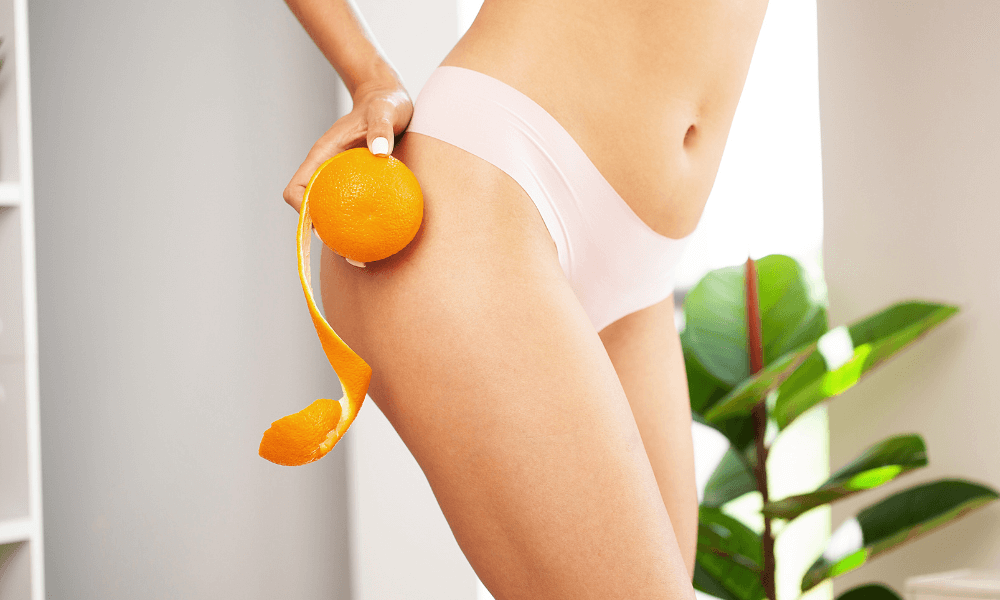
Cellulite treatment: How to get rid of it
Cellulite is a skin condition in which small dents and bumps form in the skin. It is also known as orange peel skin.
Cellulite is caused by changes in the connective tissue. This leads to tension and hardening in the tissue, which causes the typical dents to form.
Cellulite forms mainly on the thighs and buttocks. It can also appear on the breasts, arms and neck. Cellulite mainly affects women. Around 80 to 90% of women have cellulite at some point in their lives. The reason for this is that the collagen fibers in the connective tissue of the skin are arranged differently in women than in men, which promotes cellulite.
Cellulite is not treated in conventional medicine because it is a cosmetic problem and has no health consequences.
If you are overweight, losing weight can often improve cellulite. Diet and exercise play an important role here. Exercise also helps to tighten the connective tissue, which can counteract cellulite. Lymphatic drainage promotes the drainage of tissue water, which can reduce the appearance of cellulite.
Certain nutrients can also potentially support the treatment of cellulite.
Collagen
Collagen is the most common protein in connective tissue. It is a structural protein that is important for the strength and elasticity of connective tissue.
In one study, collagen supplementation appeared to help reduce cellulite in women. Studies indicate that collagen is most effective when combined with hyaluronic acid and vitamin C. 1
Vitamin C
Cellulite is associated with increased oxidative stress. Vitamin C is an important antioxidant that can capture free radicals and thus counteract oxidative stress.
Vitamin C is also needed for the production of collagen.
Studies suggest that vitamin C, especially in combination with OPC, zinc and vitamin E, could improve the elasticity and moisture of the skin. 2
Zinc
Zinc is very important for skin health. It is needed for cell division and thus promotes the regeneration of skin and connective tissue. 3
Zinc also has an antioxidant effect and helps counteract the oxidative stress associated with cellulite.
OPC
Oligomeric proanthocyanidins (OPC) are extracted from grape seeds. OPC has an antioxidant and anti-inflammatory effect.
In animals, OPC was able to strengthen collagen bonds, which could tighten connective tissue and increase skin moisture. 4
Conclusion: Certain nutrients should not be missing if you have cellulite
Since cellulite is associated with oxidative stress, a good supply of antioxidants is useful for cellulite. There is promising evidence that collagen is effective in treating cellulite, especially in combination with vitamin C.
WE HAVE GIVEN YOU A 10% DISCOUNT CODE FOR OUR
VITAMIN C , COLLAGEN , ZINC & OPC
AND HOPE TO BRING YOU JOY WITH IT.
SIMPLY COPY THE FOLLOWING COUPON CODE
AND ENTER IT AT CHECKOUT:
CELLU+V10
TO THE PRODUCTS
1 https://pubmed.ncbi.nlm.nih.gov/30681787/
2 https://www.ncbi.nlm.nih.gov/pmc/articles/PMC5579659/
3 https://pubmed.ncbi.nlm.nih.gov/16029676/
4 https://pubmed.ncbi.nlm.nih.gov/12635161/
Detoxification: What is really effective?
Nowadays we are exposed to countless toxins: heavy metals, mold toxins, fine dust, pesticides, herbicides and many other chemicals. In addition, physiological processes in the body produce toxic metabolic products that need to be detoxified.
Nutrients and other substances can bind toxins and thus promote their excretion.
Enzymes in the liver that are involved in detoxification also require a number of nutrients to function.
The following essential nutrients and plant substances can promote detoxification:
Quercetin
Quercetin is a plant substance with antioxidant properties. It appears to be able to counteract oxidative stress and the associated inflammation. Quercetin can therefore probably reduce oxidative stress caused by increased heavy metal exposure.
Additionally, data suggests that quercetin may bind heavy metals and help protect organs from heavy metal damage. 1
Black cumin seeds
Black cumin seeds are used in naturopathy, especially for hay fever. They are also said to have a purifying and detoxifying effect.
Black cumin contains numerous secondary plant substances such as p-cymene, thymoquinone, α-thujene, and carotenoids. They appear to be able to protect the liver from oxidative damage. 2 The liver is the most important detoxification organ that can be affected by excessive oxidative stress.
Vitamin C
Vitamin C is an important antioxidant in the body that can scavenge free radicals and thus counteract oxidative stress.
Heavy metals cause oxidative stress, which can probably be counteracted by a good supply of vitamin C.
In addition, vitamin C appears to be able to promote the excretion of certain heavy metals: there is evidence that taking high doses of vitamin C could reduce lead and arsenic exposure. 3
N-Acetyl-Cysteine
N-acetyl-cysteine (NAC) is a sulfur-containing amino acid. Sulfur can bind heavy metals.
In addition, N-acetyl cysteine provides sulfur, which is needed for the detoxification molecule glutathione. 4 Glutathione plays a central role in the second phase of detoxification, which takes place in the liver.
Green tea
Green tea is rich in polyphenols, the antioxidant epigallocatechin gallate (EGCG) and caffeine. Its antioxidant effect is thought to counteract inflammation that occurs during detoxification. 5
Fermented soybeans
Fermented soybeans contain the enzyme nattokinase, which is said to have blood-thinning properties. There is also evidence that nattokinase may support liver detoxification. 6
Dandelion
Dandelion is rich in flavonoids, which are said to have an antioxidant effect. In naturopathy, dandelion is often used to cleanse the liver. It is also said to be able to stimulate bile production. 7
Milk thistle
Milk thistle is rich in silymarin, a flavonoid complex that is said to have liver-protecting properties. For this reason, milk thistle is known as a medicinal plant for the liver and is often used in detoxification treatments. It is said to inhibit the liver's oxidation of fats and stimulate the flow of bile. 8
turmeric
The curcumin in turmeric has long been valued as a medicinal agent in traditional Chinese medicine due to its antioxidant properties. There is also evidence that curcumin may stimulate liver function, making it easier to eliminate toxins. 9
selenium
Selenium is an essential trace element that we must consume through food. Unfortunately, selenium is often lacking in our diet.
Selenium is a component of the antioxidant enzyme glutathione peroxidase, which plays an important role in the regulation of oxidative stress in the body.
There is also evidence that selenium may promote the elimination of heavy metals. 10
Selenomethionine is particularly useful for detoxification because the amino acid methionine contains sulfur, which is also said to promote detoxification.
The Revitoxa Complex from Viktilabs
The Revitoxa complex from Viktilabs combines all of the above-mentioned detoxifying substances: quercetin, black cumin, vitamin C, N-acetyl cysteine, green tea, fermented soybeans, dandelion, milk thistle, turmeric and selenium. The complex is developed in Germany according to the highest quality standards and is free of unnecessary additives such as binding agents, separating agents, colorants and sweeteners, as well as preservatives.
Here you come to the Revitoxa complex.
WE HAVE GONE YOU A 10% VOUCHER FOR OUR
VITAMIN C , BLACK CUMIN , SELENIUM , TURMERIC , REVITOXA COMPLEX & ALLERGY COMPLEX WITH QUERCETIN
PROVIDED AND HOPE TO BRING YOU JOY WITH IT.
SIMPLY COPY THE FOLLOWING COUPON CODE
AND ENTER IT AT CHECKOUT:
DETOX+V10
TO THE PRODUCTS
1 https://pubmed.ncbi.nlm.nih.gov/34663344/
2 https://pubmed.ncbi.nlm.nih.gov/33564654/
3 https://pubmed.ncbi.nlm.nih.gov/3476002/
4 https://pubmed.ncbi.nlm.nih.gov/22284448/
5 https://pubmed.ncbi.nlm.nih.gov/24494192/
6 https://www.ncbi.nlm.nih.gov/pmc/articles/PMC9550699/
7 https://www.ncbi.nlm.nih.gov/pmc/articles/PMC10343869/
8 https://pubmed.ncbi.nlm.nih.gov/30080294/
9 https://pubmed.ncbi.nlm.nih.gov/30949432/
10 https://pubmed.ncbi.nlm.nih.gov/25947386/
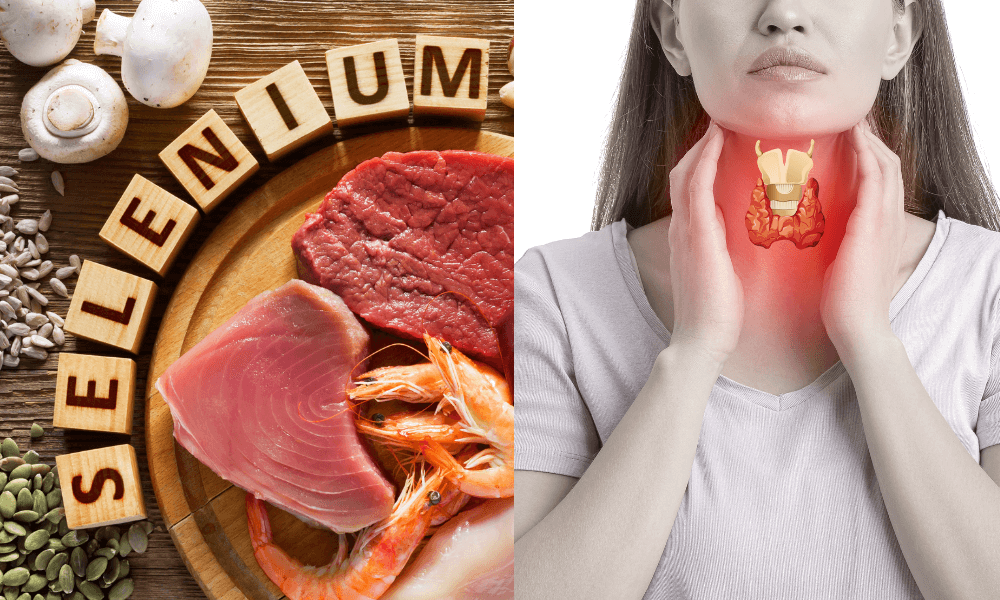
Selenium: Indispensable for the thyroid
Selenium is an essential trace element. It is particularly important for the thyroid gland and a deficiency can worsen an underactive thyroid. But selenium is also very important for hyperthyroidism. Unfortunately, selenium is often lacking in Germany because Germany is a selenium-deficient area.
In this article you will learn what you need to know about selenium for the thyroid.
Importance of selenium for the thyroid
Selenium has important functions in the formation of thyroid hormones: it is needed for the conversion of thyroxine (T4) into active triiodothyronine (T3).
Selenium is also a component of antioxidant enzymes. It captures free radicals in the thyroid. The formation of thyroid hormones produces hydrogen peroxide, a very reactive molecule that causes oxidative stress. 1
Selenium for Hashimoto and hypothyroidism
Selenium is particularly important for Hashimoto's disease, as it improves the tolerance of iodine. Iodine is often avoided by people with Hashimoto's disease, as it is usually very poorly tolerated. However, iodine is an essential nutrient that should not be neglected. It is not only important for the thyroid, but also for all other organs.
However, iodine can cause oxidative stress in the thyroid, which is already very high in Hashimoto's disease. Selenium intercepts free radicals in the thyroid and thus counteracts this.
Some studies also suggest that taking selenium could help reduce TPO antibodies and TG antibodies in Hashimoto's disease. 2 However, the research is not clear on this. Selenium supplementation is probably most effective when there is a selenium deficiency.
But selenium is also a very critical nutrient in other forms of hypothyroidism, because a selenium deficiency can worsen hypothyroidism.
Selenium for hyperthyroidism
A good supply of selenium is also important in cases of hyperthyroidism. This sounds a bit counterintuitive at first: Since selenium promotes thyroid function and the thyroid is too active in cases of hyperthyroidism, one might think that selenium increases the hyperthyroidism.
However, it is important to remember that hyperthyroidism is not caused by an oversupply of selenium. Conversely, it therefore makes no sense to deprive the thyroid of essential nutrients. Especially when you consider that selenium is not only important for the thyroid, but also for the rest of the body.
Selenium is indeed very important in cases of hyperthyroidism: hyperactivity of the thyroid is associated with increased oxidative stress, which causes inflammation. This can be counteracted by a good supply of selenium. 3
It is therefore not surprising that taking selenium in Graves' disease can reduce inflammation and improve quality of life and well-being. 4 Again, selenium probably has the greatest effect when there is a deficiency.
Selenium supply in Germany
Germany is a selenium-deficient area. This means that our soils are low in selenium. As a result, our food also contains little selenium and we usually do not consume enough selenium through our diet.
According to the German Society for Nutrition (DGE), the daily selenium requirement is 60 ug for women and 70 ug for men. 5 It is estimated that around 70% of Germans do not consume enough selenium. 6 On average, women consume only 38 ug of selenium, men 47 ug. 7
There are also indications that the DGE estimates the requirement too low. 80 – 100 ug daily seem to be necessary for optimal function of selenium-dependent enzymes. 8
Dosage of selenium for the thyroid
For thyroid diseases, approximately 100 - 200 ug of selenium daily is generally recommended. For long-term supplementation, it should be noted that selenium is toxic in high doses. An overdose should therefore be avoided at all costs.
If the selenium status is unknown, selenium in the form of sodium selenite is recommended. Sodium selenite is absorbed via the selenium transporter. This depends on requirements, which is why it is difficult to overdose on this form.
Selenomethionine, on the other hand, is incorporated into proteins as methionine. As a result, the selenium is not recognized as selenium and there is a risk of overdose. For this reason, selenomethionine should only be taken in higher doses (over 100 µg daily) if the selenium level is regularly checked.
Normal values in whole blood are 121 – 200 ug/l.
WE HAVE GONE YOU A 10% VOUCHER FOR OUR
SELENIUM DROPS & SELENIUM COMPLEXES
PROVIDED AND HOPE TO BRING YOU JOY WITH IT.
SIMPLY COPY THE FOLLOWING COUPON CODE
AND ENTER IT AT CHECKOUT:
SELEN+V10
TO THE PRODUCTS
1 https://www.ncbi.nlm.nih.gov/pmc/articles/PMC8658851/
2 https://pubmed.ncbi.nlm.nih.gov/11932302/
3 https://pubmed.ncbi.nlm.nih.gov/35784564/
4 https://pubmed.ncbi.nlm.nih.gov/29092078/
5 https://www.dge.de/forschung/referenzwerte/selen/
6 https://www.amazon.de/Schilddr%C3%BCsenkranken-Lothar-Andreas-Hotze/dp/3880400024
7 https://www.sciencedirect.com/science/article/pii/S2211968X13000120
8 https://www.sciencedirect.com/science/article/pii/S2211968X13000120

Shingles: Can micronutrients support treatment?
Shingles (herpes zoster) is caused by varicella zoster viruses. The initial infection with varicella zoster viruses usually occurs in childhood and leads to chickenpox. Years later, the viruses can be reactivated in the body, causing shingles.
Shingles is typically characterized by a painful, belt-like skin rash. In severe cases, nerve cells can be damaged (post-herpetic neuralgia), which is accompanied by severe nerve pain. The nerve pain can last for a long period of time.
Shingles can also cause headaches, fever, itching, fatigue and sensitivity to light
In immunocompromised people, the virus can spread throughout the body and attack internal organs.
In the treatment of shingles, active substances are used that inhibit the proliferation of viruses. This can shorten the duration of the illness and reduce the risk of subsequent damage. Pain-relieving medications are also used.
The following micronutrients can complement the treatment of shingles:
Vitamin C
Vitamin C is very important for the immune system. Vitamin C is also an effective antioxidant that counteracts oxidative stress. This means it can also reduce inflammation caused by oxidative stress.
A poor supply of vitamin C is associated with increased pain in post-herpetic neuralgia. Conversely, initial studies suggest that the administration of vitamin C could relieve pain in post-herpetic neuralgia. The pain-relieving effect of high doses of vitamin C is well documented in other types of pain. 1
Zinc
Zinc has many important functions in the immune system. Zinc also counteracts oxidative stress and has an anti-inflammatory effect.
Zinc deficiency appears to increase the risk of post-herpetic neuralgia, as patients with post-herpetic neuralgia often have low zinc levels.
Since zinc is so important for the immune system, it is generally recommended to ensure a good zinc supply in the event of an infectious disease. 2
Vitamin D
Vitamin D is essential for the immune system. A vitamin D deficiency increases susceptibility to infections.
There also seems to be a connection between vitamin D supply and pain in post-herpetic neuralgia: people with low vitamin D levels are more affected by pain. 3
Unfortunately, vitamin D deficiency is very common in Germany, especially in winter. If you have shingles, vitamin D deficiency should be avoided at all costs.
β-glucans
β -glucans occur naturally in the cell walls of mushrooms. They can stimulate the immune system and thus support the body's defenses. 4 Medicinal mushrooms are a good source of β -glucans and there are more and more studies investigating the effect of medicinal mushrooms on the immune system.
There are no studies yet on the effect of medicinal mushrooms on shingles, but it is definitely worth a try.
B vitamins
B vitamins are also known as nerve vitamins. For good reason. A good supply of B vitamins is essential for nerve health.
B vitamins can relieve nerve pain and reduce inflammation, which is often responsible for the pain.5 They can also improve the analgesic effect of medications.
Vitamins B1, B6 and B12 in particular are essential for the regeneration of nerve cells.
Patients with post-herpetic neuralgia often have low vitamin B12 levels. It is therefore important to ensure a good supply of vitamin B12 and other B vitamins.
Lysine
The amino acid lysine can inhibit the proliferation of viruses. This has been well researched, particularly in the case of herpes symplex viruses. 6 These viruses depend on the amino acid arginine to proliferate. Lysine is an antagonist of arginine.
There are no studies on shingles, but since varicella zoster viruses are closely related to herpes symplex viruses, lysine probably has a similar effect here.
Conclusion: Immune-boosting nutrients should not be missing for shingles
As with all infectious diseases, when suffering from shingles, it is important to ensure that you have a good supply of nutrients that are important for the immune system. The nerves should also be well supplied with the nutrients they need to function.
WE HAVE GONE YOU A 10% VOUCHER FOR OUR
VITAMIN C , ZINC , VITAMIN D , VITAMIN B COMPLEX FORTE & CORDYCEPS
PROVIDED AND HOPE TO BRING YOU JOY WITH IT.
SIMPLY COPY THE FOLLOWING COUPON CODE
AND ENTER IT AT CHECKOUT:
ROSE+V10
TO THE PRODUCTS
1 https://www.ncbi.nlm.nih.gov/pmc/articles/PMC5391567/
2 https://pubmed.ncbi.nlm.nih.gov/18250973/
3 https://pubmed.ncbi.nlm.nih.gov/25487609/
4 https://www.ncbi.nlm.nih.gov/pmc/articles/PMC3832763/
5 https://www.scielo.br/j/rdor/a/kT5mLw4Y4HMJtxYzkgH86XD/?format=pdf&lang=en
6 https://pubmed.ncbi.nlm.nih.gov/3115841/


