




Latest posts
Magazine
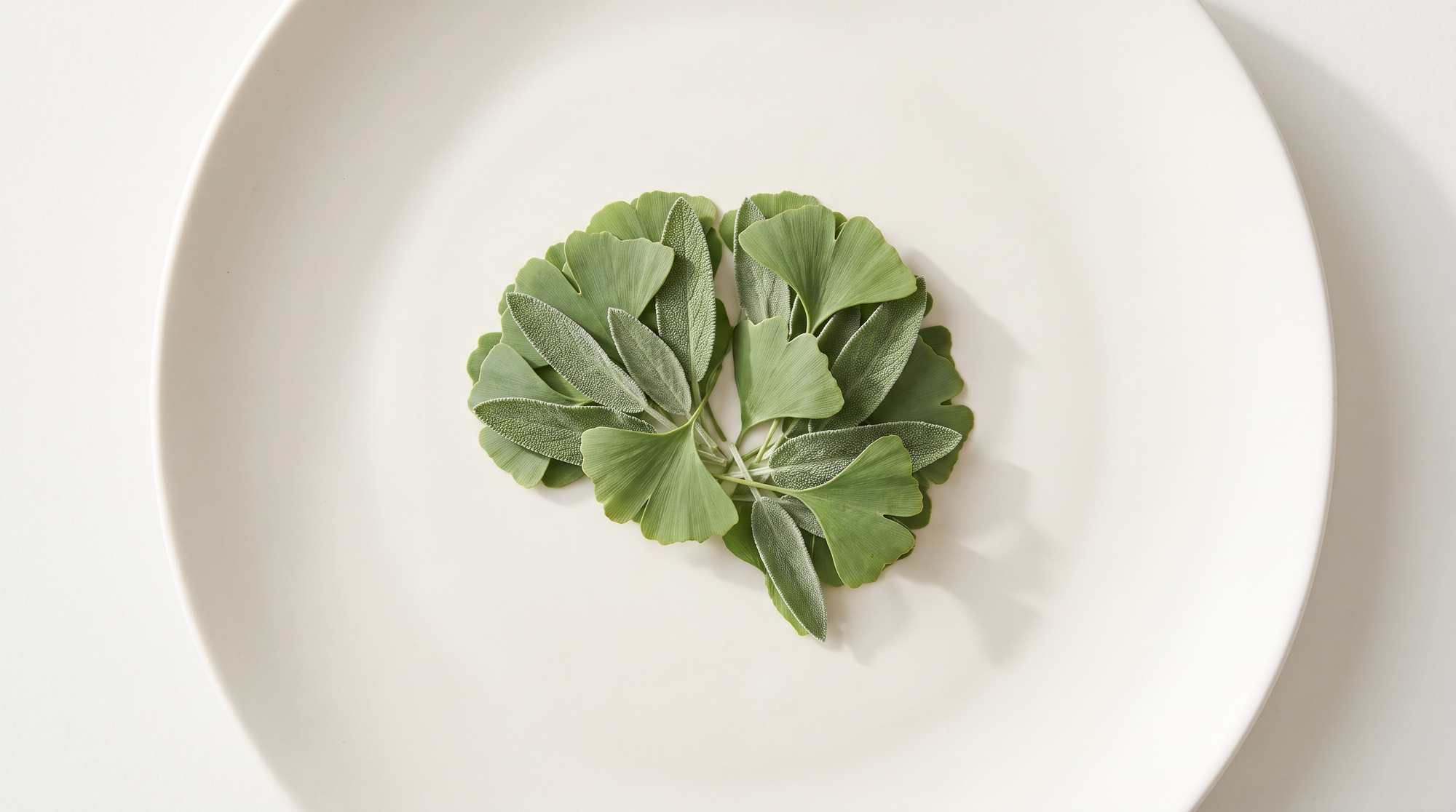



Algae oil: Plant-based omega-3 power from the sea
When you think of algae, you probably imagine greenish, slippery carpets floating on the sea or lake water. What you may not know, however, is that algae are cultivated specifically to obtain the omega-3 fatty acids they contain in abundance. These fatty acids offer a whole range of health benefits. In this article, we will therefore take a closer look at these marine organisms.
At the end of the article there is a voucher for our Vegan Omega-3 waiting for you.
It’s worth reading on!
The most important nutrients in algae: Omega-3 fatty acids
Omega-3 fatty acids are a subgroup of omega-n fatty acids and are unsaturated compounds that our body cannot produce itself. However, because it needs these essential nutrients to live, it is dependent on taking them in from food.
Some of the functions these nutrients have in our body include regulating inflammation and supporting heart function and the immune system.
A study published in the journal Marine Drugs looks at certain types of algae, such as the microalgae Schizochytrium and Ulkenia, which, in addition to alpha-linolenic acid (ALA), also contain two of the most important types of omega-3 fatty acids: eicosapentaenoic acid (EPA) and docosahexaenoic acid (DHA).
The omega-3 fatty acids are converted in the body into hormone-like substances that act as signaling molecules and are involved in a variety of biological mechanisms of action.
Algae oil has many uses: it is first purified and then can be used in many different ways. This includes, for example, being used as a component in animal, poultry and fish feed. So if you eat eggs, chicken or farmed salmon that have had omega-3 fatty acids in their production, then these fats probably come from algae oil.
You can now even find algae oil in baby food. This is intended to meet infants' need for healthy fats.
The benefits of algae oil
There are several points that speak in favor of algae oil as a preferred marine source of omega-3 fatty acids :
For example, as a study published in the journal Biomolecules explains, fish organisms are not able to produce EPA and DHA themselves. They obtain these substances by eating algae. Thus, plants are the primary sources of omega-3 fats in fish.
Algae oil is considered one of the few vegan sources of EPA and DHA.
A two-week study of 31 people in 2014 showed that taking 600 mg of DHA from algae oil per day increased blood levels by the same percentage as taking the same amount of DHA from fish oil.
Because algae grow very quickly and do not contribute to overfishing, they may be more sustainable than fish oil supplements.
Because it is grown and purified under controlled conditions, algae oil is free of toxins that can be found in fish and fish oils.
It also appears to carry a lower risk of digestive disorders and tends to be more digestible due to its neutral taste.
Possible health benefits of algae oil
There is much evidence to suggest that people whose diets have a higher content of omega-3 fatty acids are better able to cope with certain health risks.
A study published in the journal Critical Reviews in Food Science and Nutrition shows a significant increase in DHA levels in the blood of test subjects who consumed algae oil, even in vegetarians or people who do not eat fish - so it is probably just as effective as fish oil.
Let’s look at different examples of the effects of algae oil and also what science has to say about it.
Algae oil could reduce inflammation
Omega-3 fatty acids can reduce inflammation in the body. That is at least what an animal study suggests, the results of which were published in the journal Biochemical Society Transactions . It showed that omega-3 supplements could help control conditions such as arthritis, colitis and asthma.
Another 2017 study over 12 weeks in which 60 participants with rheumatoid arthritis (RA) were given 5,000 mg of omega-3 daily showed that the severity of symptoms decreased. They also reported less pain and less tender joints compared to the placebo group.
Of course, further studies are needed to confirm these results.
It could improve heart health
Omega-3 supplements can lower blood pressure and improve blood vessel function, which may reduce the risk of heart attack or stroke, according to research published in the journal Nutrition, Metabolism & Cardiovascular Diseases .
Also, other studies using DHA-rich algae oil have shown that taking 1,000-1,200 mg per day reduced triglyceride levels by up to 25 percent and also improved cholesterol levels.
Finally, a review of 13 studies involving a total of 127,000 participants - published in the Journal of the American Heart Association - found that taking omega-3 supplements from various marine sources can reduce the risk of heart attack and all heart diseases, as well as death from these diseases.
Possible support in the treatment of depression
People diagnosed with depression often have lower levels of EPA and DHA in their blood. An article in the Pharmazeutische Zeitung cites research that appears to support the effectiveness of omega-3 fatty acids in treating depression.
In addition, an analysis of studies involving more than 150,000 participants found that those who ate more fish had a lower risk of developing depression. The lower risk could be partly due to a higher intake of omega-3, if the results published in the Journal of Epidemiology and Community Health are to be believed.
Algae oil could be good for the eyes
Do you suffer from dry eyes or tired eyes? Taking an omega-3 supplement may help minimize your symptoms. A 2015 study suggests that these supplements reduce the rate at which tears evaporate.
This also seems to be confirmed by another experiment. In it, subjects who suffered from eye irritation caused by wearing contact lenses or working on a computer for more than 3 hours a day were given 600 - 1,200 mg of combined EPA and DHA. The symptoms disappeared in all groups.
How to take algae oil
According to the European Food Safety Authority (EFSA), products with a manufacturer-recommended intake of up to 5 g EPA and DHA (in combination) or 1.8 g EPA (individually) per day are safe for adults.
You can take algae oil at any time of the day, but most manufacturers recommend taking it with a meal, especially one containing fat, as this macronutrient aids absorption.
Also keep in mind that the unsaturated fats in algae oil supplements can oxidize and become rancid over time. Be sure to store jelly or capsules in a cool, dry place, keep liquid supplements in the refrigerator, and discard any products that smell bad.
What are possible side effects?
In general, omega-3 supplements are considered safe, especially if you follow the dosage recommendations provided by the various supplement manufacturers.
Unlike fish oil - which can cause a fishy aftertaste, heartburn, belching, indigestion and nausea - these side effects were rarely seen with algae oil in studies, according to research published in the American Journal of Therapeutics .
However, when taking higher doses, side effects or interactions (e.g. with anticoagulant drugs) must be expected. Higher doses can change the flow properties of the blood, prolong bleeding time and thus increase the risk of bleeding.
If you suffer from diabetes, it can be difficult to control your blood sugar and your immune system can be adversely affected. LDL cholesterol levels can also increase.
So talk to your doctor beforehand if you suffer from such illnesses and want to use algae oil.
By the way, if you take algae oil, you should make sure to choose a high-quality product that contains no artificial additives and has been tested for pesticides and heavy metals.
Conclusion: Algae oil is the omega-3 source for all
Algae oil is the plant-based source of EPA and DHA, which fish and other marine creatures also use to meet their needs. The omega-3 fats contained in the oil, especially EPA and DHA, are vital for the smooth functioning of many of the body's processes.
These fats are said to have positive properties in the fight against inflammation, heart health, the treatment of depression and certain eye diseases.
In addition, algae oil is a sustainable alternative for people who want to eat a vegan diet or who cannot consume fish oil for other reasons.
We at +Viktilabs have provided a 5% coupon for our Omega 3 for all readers of this article and thank you for your attention.
Simply copy the voucher code OMEGA3-5+V and enter it at checkout.
To the product
[1] https://lpi.oregonstate.edu/mic/other-nutrients/essential-fatty-acids
[2] https://www.ncbi.nlm.nih.gov/pmc/articles/PMC3736422/
[3] https://pubmed.ncbi.nlm.nih.gov/31698772/
[4] https://www.hipp.de/fileadmin/ editore/produkt/artikel_pdf/2060.pdf
[5] https://pubmed.ncbi.nlm.nih.gov/31698772/
[6] https://onlinelibrary.wiley.com/doi/full/10.1111/1541-4337.12396
[7] https://www.ncbi.nlm.nih.gov/pmc/articles/PMC3736422/
[8] https://www.sciencedirect.com/science/article/abs/pii/S1756464614002229
[9] https://pubmed.ncbi.nlm.nih.gov/19145206/
[10] https://pubmed.ncbi.nlm.nih.gov/24261532/
[11] https://pubmed.ncbi.nlm.nih.gov/28417511/
[12] https://pubmed.ncbi.nlm.nih.gov/28900017/
[13] https://www.ncbi.nlm.nih.gov/pmc/articles/PMC5409664/
[14] https://pubmed.ncbi.nlm.nih.gov/27692558/
[15] https://link.springer.com/article/10.1007/s13410-013-0125-3
[16] https://www.ncbi.nlm.nih.gov/pmc/articles/PMC6806028/
[17] https://pubmed.ncbi.nlm.nih.gov/17717628/
[18] https://pubmed.ncbi.nlm.nih.gov/26359502/
[19] https://pubmed.ncbi.nlm.nih.gov/27103682/
[20] https://pubmed.ncbi.nlm.nih.gov/25697893/
[21] https://pubmed.ncbi.nlm.nih.gov/25719253/
[22] https://www.ncbi.nlm.nih.gov/pmc/articles/PMC5401792/
[23] https://pubmed.ncbi.nlm.nih.gov/19145206/
Antioxidants: An overview of the helpers in the body
In almost every article that deals with health and nutrition, you come across this term: antioxidants. Many people know it, but only a few people know what antioxidants are or what exactly they do in the body. With this article, we want to offer you a scientifically based explanation.
IT'S WORTH READING!
AT THE END OF THE ARTICLE WE WOULD LIKE TO GIVE YOU A LITTLE JOY WITH A VOUCHER!
Antioxidants – Always ready!
Our organism is constantly confronted with harmful influences: from smoking to inflammation to obesity - the body is constantly exposed to so-called free radicals. They burden it and - if they get out of hand - cause oxidative stress that can no longer be adequately neutralized.
This oxidative stress can lead to tissue damage, which in turn can cause inflammation. If this inflammation becomes chronic, it can lead to a number of diseases such as autoimmune diseases, high blood pressure, type 2 diabetes or even cancer.
Antioxidants are - in short - chemical compounds that fight free radicals. They therefore reduce cell damage.
Your body also has its own antioxidant defenses to keep free radicals at bay. These are called endogenous antioxidants. Lipoic and uric acid are among them, as is coenzyme Q.
Antioxidants that come from outside the body are called exogenous. These include, for example , vitamin C and vitamin E , as well as all essential antioxidant substances that must be supplied through food, e.g. fruit and vegetables.
Free radicals – harmful or even necessary?
Free radicals are created when the body processes food and reacts to the environment. If they are not sufficiently neutralized by the organism, oxidative stress can occur. This in turn damages cells and body functions.
Because free radicals are constantly being formed in our bodies, we need various antioxidants to counteract them. Without their influence, the free radicals would quickly cause serious damage.
But despite everything, free radicals also perform functions that are important for health. The body uses them to a certain extent to neutralize bacteria and viruses. This is shown, for example, by a study published in the journal BioMed Research International .
In order to avoid excessive oxidative stress, the body must maintain a balance between antioxidants and free radicals.
If you want to reduce the oxidative stress your body is exposed to, then you should
Avoid cigarette smoke, air pollution, alcohol and high blood sugar levels, as a 2006 study suggests
Consume fewer unsaturated fatty acids, as studies published in the journal Prostaglandins, Leukotrienes & Essential Fatty Acids suggest
Pay attention to the oxygen levels in your body, as described in a study entitled “Generation of reactive oxygen species by the mitochondrial electron transport chain“
Antioxidants galore
As mentioned above, the adequate supply of exogenous antioxidants is important. But vitamins are not the only thing needed to fight free radicals. Various foods support this through the additional substances they contain.
The pseudocereal quinoa, for example, is very rich in beneficial plant substances such as saponins, phenolic acids, flavonoids and betacyanins. Many of these compounds can act as antioxidants and neutralize free radicals in the body.
Amaranth is also particularly rich in phenolic acids. These are plant substances such as gallic acid, p-hydroxybenzoic acid and vanillic acid, which act as antioxidants.
The antioxidants contained in papain in papaya are said to prevent free radicals in the body from disrupting important metabolic processes, just like astaxanthin found in trout, microalgae, yeast and shrimp. It can also reduce tissue-damaging acute-phase proteins and DNA-damaging biomarkers.
Grapefruit seed extract (GSE) , the curcumin contained in turmeric or OPC , which is found in many foods such as apples, cinnamon, coconuts, blackberries or red wine and is 18.4 times as strong as vitamin C or 50 times as strong as vitamin E, can also significantly reduce oxidative stress.
Flavonoids, found in a wide range of plants, fulfil a range of different functions, such as UV protection or attracting pollinators. The flavonoids found in fruit and vegetables are relevant to humans and their diet. They are among the most common polyphenols and are said to have particularly antioxidant properties.
Because antioxidants are either water-soluble or fat-soluble, they work in different ways in the body. Water-soluble antioxidants exert their effects in the fluid inside and outside cells, while fat-soluble antioxidants work primarily in cell membranes.
Where are the antioxidants? In here!
How do you measure the antioxidant content in a food? How do you know which foods have particularly high antioxidant content?
Scientists use an analysis called Ferric reducing ability of plasma (FRAP). The FRAP analysis - which was presented in the journal Analytical Biochemistry - determines how well a certain free radical is neutralized. The higher the FRAP value, the more antioxidants the food contains.
In addition to the FRAP analysis, there is also the ORAC value ( Oxygen Radical Absorbance Capacity ). This also measures the antioxidant properties of foods.
But here we have five foods for you that can score points with a high FRAP value.
Dark chocolate
Based on the FRAP analysis, dark chocolate has up to 15 mmol of antioxidants per 100 grams. Among other things, consuming cocoa-containing products such as dark chocolate can lower systolic blood pressure (the upper number) and diastolic blood pressure (the lower number).
Pecans
Pecans are a type of nut native to Mexico and South America. They are a good source of healthy fats and minerals and contain high amounts of antioxidants. A study published in the journal Nutrition Research shows that pecans contain up to 10.6 mmol of antioxidants per 100 grams based on FRAP analysis. It was also found that study participants who consumed 20 percent of their daily calories from pecans had much higher levels of antioxidants in their blood.
Blueberries
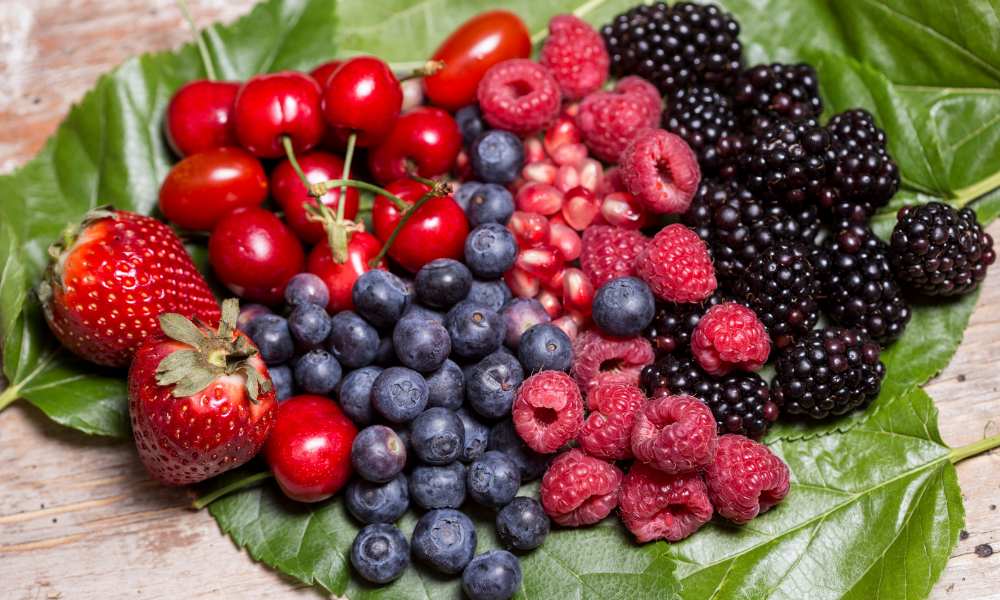
Low in calories and packed with nutrients - that's how you can describe blueberries. The FRAP analysis shows that they contain up to 9.2 mmol of antioxidants per 100 grams. In a study published in 2016, the anthocyanins they contain also showed that they can reduce the risk factors for heart disease by lowering blood pressure and LDL cholesterol levels.
Strawberries
When most of us hear the word "berry" we probably think of strawberries, probably the most popular fruit on the planet. 5.4 mmol of antioxidants per 100 grams according to FRAP analysis. So they are not only really delicious, but also very healthy for your body!
Here too, a study with the somewhat cumbersome title “Anthocyanin supplementation improves serum LDL- and HDL-cholesterol concentrations associated with the inhibition of cholesteryl ester transfer protein in dyslipidemic subjects” confirmed that the anthocyanins contained in strawberries have a positive influence on cholesterol levels and can help reduce the risk of heart disease.
Cabbage
Admittedly, most people probably don't find cabbage as tasty as blueberries or strawberries. Nevertheless, this vegetable from the cruciferous family is also a valuable weapon in the fight against oxidative stress. Cabbage is one of the most nutritious vegetables on the planet and is also rich in vitamins A, K and C. It is also rich in antioxidants and provides up to 2.7 mmol per 100 grams. A study published in the Nutrition Journal confirms this.
And what about dietary supplements?
The general consensus is that taking antioxidant supplements is not harmful to health. They reduce damage through their antioxidant ingredients.
However, excessive intake of isolated antioxidants can also have negative effects and even promote oxidative damage instead of preventing it. This phenomenon is referred to as “The antioxidant paradox” in a study published in the journal The Lancet .
If you take antioxidants as a dietary supplement, you should always follow the manufacturer's dosage recommendations and only choose high-quality antioxidants .
Conclusion: Without antioxidants it doesn’t work
Antioxidants are important chemical compounds for our body that are needed, among other things, to fight free radicals.
You often find them in fruits and vegetables, whose secondary plant substances are rich in them.
AS PROMISED, YOU WILL RECEIVE A 5% VOUCHER ON OUR ANTIOXIDANTS: OPC Premium , Liposomal OPC , Grapefruit Seed Extract , Papain
SIMPLY COPY THE CODE ANTIOXIDANTIEN5 AND ENTER IT AT CHECKOUT.
Click here for the products
[1] https://www.ncbi.nlm.nih.gov/books/NBK21662/
[2] https://pubmed.ncbi.nlm.nih.gov/24587990/
[3] https://pubmed.ncbi.nlm.nih.gov/9787133/
[4] https://www.ncbi.nlm.nih.gov/pmc/articles/PMC1448694/
[5] https://pubmed.ncbi.nlm.nih.gov/9844997/
[6] https://pubmed.ncbi.nlm.nih.gov/11948241/
[7] https://pubmed.ncbi.nlm.nih.gov/9357853/
[8] https://pubmed.ncbi.nlm.nih.gov/8660627/
[9] https://pubmed.ncbi.nlm.nih.gov/20096093/
[10] https://pubmed.ncbi.nlm.nih.gov/19910929/
[11] https://www.sciencedirect.com/science/article/abs/pii/S0271531706001278
[12] https://pubmed.ncbi.nlm.nih.gov/27846846/
[13] https://pubmed.ncbi.nlm.nih.gov/20096093/
[14] https://pubmed.ncbi.nlm.nih.gov/19640950/
[15] https://pubmed.ncbi.nlm.nih.gov/20096093/
[16] https://pubmed.ncbi.nlm.nih.gov/10791396/

Wild Yam: The Strengths and Weaknesses of the Root
This plant is said to have a lot to offer: contraceptive and rejuvenating, a helper for PMS and menopausal symptoms, and a supporter in the fight against all kinds of diseases. We're talking about wild yam, the wild yam root. In this article, we'll look at some of the frequently made claims and check their scientific reliability.
May we introduce: Wild Yam
The genus yam ( Dioscorea ) includes 350 to 800 species. One of these is the wild yam ( Dioscorea villosa L. ). It looks and tastes similar to the sweet potato, but is not related to it. Toxic when eaten raw, it is nevertheless a common vegetable in many countries in South America, Africa and the Caribbean.
Today, the largest growing areas are in Nigeria, Ghana and the Ivory Coast.
The plant's tuberous roots are striking and have been used in folk medicine since the 18th century to treat coughs, menstrual cramps and stomach upsets, as an article on the website of Mount Sinai Hospital in New York explains.
The dried rootstock, the rhizome Dioscoreae villosae rhizoma , is used as a medicinal herb (preserved parts of plants, fungi, animals or microorganisms). But in fact its most common use is still as a cream that is said to relieve the symptoms of menopause and premenstrual syndrome (PMS).
This is what matters with the yam root: Diosgenin
What makes the yam root valuable for medicine is a substance that is similar to the body's own steroid hormones. The so-called diosgenin is the starting material for the production of important hormones.
Diosgenin was identified by Japanese scientists in 1936 - a discovery that led to the synthesis of one of the most important female sex hormones. In the late 1930s and early 1940s, researcher Russell E. Marker succeeded in synthesizing progesterone from diosgenin. This is the hormone that prepares the uterus for pregnancy and also serves to maintain the pregnancy.
Let’s see what science has to say about yam.
Does wild yam actually have pharmacological properties?
The wild yam root is said to help treat numerous ailments. However, scientific research on these uses is limited or even refuted. Here are some facts:
Wild Yam is said to help with menopausal symptoms
In alternative medicine, wild yam cream is most commonly used as an alternative to estrogen replacement therapy to relieve menopausal symptoms such as night sweats and hot flashes. However, a study published in the journal Pharmacological Reviews found no evidence of this.
This also applies to the research results published in the journal Endocrinology & Metabolism Clinics of North America .
There is still a lack of clinical studies to confirm the effectiveness of yam root in menopausal symptoms.
Wild Yam could help with arthritis
But things look better when it comes to inflammation. Wild yam root may have anti-inflammatory effects. Traditionally, it has been used to treat arthritis, which causes pain, swelling and stiffness in the joints, according to a study in the Journal of Analytical Methods in Chemistry .
In fact, in vitro studies from 2004 show that diosgenin extracted from wild yam could protect against the progression of osteoarthritis and rheumatoid arthritis.
Although promising, further human research is needed to confirm these results.
It could help with hormonal imbalance
The diosgenin of the wild yam is the basis for the production of progesterone, estrogen, cortisone and dehydroepiandrosterone (DHEA), which are used for medicinal purposes.
However, there are no reliable studies showing that the body itself can convert diosgenin into these steroids. Currently, diosgenin can only be converted in a chemical process within a laboratory environment.
The influence of yam on skin health
Wild yam is often an ingredient in many anti-aging skin creams. An in vitro study published in the journal Steroids showed that diosgenin may promote the growth of new skin cells and thus have anti-aging effects.
The potential depigmenting effect of diosgenin was also investigated.
Excessive sun exposure can sometimes lead to small, flat, brownish patches on the skin, also known as hyperpigmentation. Although harmless, these are less desirable for cosmetic reasons.
However, creams containing wild yam have so far proven ineffective for this application. This was the conclusion of a 2018 review published in the Journal of Clinical and Aesthetic Dermatology .
Despite everything: Wild Yam shows some positive trends
Although intensive research on humans is still lacking in many areas, the wild yam root - especially the diosgenin it contains - shows promising approaches in a number of other areas:
In a 2015 animal study, diosgenin extract significantly lowered blood sugar levels and helped prevent kidney damage caused by diabetes.
In another animal study lasting four weeks, the diosgenin extract reduced the animals' total and LDL cholesterol levels several times over.
Preliminary in vitro studies, the results of which were published in the journal Archives of Biochemistry and Biophysics , suggest that wild yam extract could protect against breast cancer or slow its progression.
The antibacterial effect of diosgenin has also been confirmed in experiments on disease-causing yeasts.
But here too - as is often the case with yams - further studies are necessary.
What about side effects and interactions
In general, creams and ointments containing wild yam extracts are considered safe to use. However, your skin may become irritated if you are allergic or sensitive to wild yam.
However, if you stick to the daily doses prescribed by the various providers, you should not have any problems.
People suffering from conditions such as endometriosis, uterine fibroids or certain forms of cancer should avoid wild yam products due to possible hormone interactions. People with protein S deficiency - a genetic disorder that increases the risk of blood clots - should also avoid taking supplements containing wild yam, a 2021 study suggests.
Wild yam may interact with estradiol, a sex hormone used in certain forms of birth control and hormone replacement therapies, according to a page on the U.S. National Library of Medicine .
Therefore, you should consult your doctor if you still want to use them.
How to use Wild Yam
The wild yam root is available in many different forms: for external use as creams or vaginal gels, for oral use as powder, tea or capsules.
Creams and gels are usually applied to the chest, stomach or inner thighs once or twice a day. Of course, you should wait to shower afterwards.
When it comes to taking medication, it's best to follow the manufacturer's instructions. In any case, you should make sure that you take a high-quality product that does not contain any artificial preservatives.
Conclusion: Wild Yam can help in unexpected areas
Wild yam or yam is a sweet potato-like plant with a tuber root that has been used as a medicinal drug by indigenous peoples for centuries.
And even though it has shown promising results in animal and in vitro tests, for example in regulating cholesterol and blood sugar levels, as an anti-inflammatory agent for arthritis or in fighting certain types of cancer, it cannot fulfill the many promises of healing that are advertised on the Internet. This is particularly true of its effect on symptoms of menopause or PMS.
Be sure to talk to your doctor if you want to use wild yam as a dietary supplement to find the right dosage for you.
[1] https://www.ncbi.nlm.nih.gov/pmc/articles/PMC3710746/
[2] http://beta.floranorthamerica.org/Dioscorea_villosa
[3] https://www.ncbi.nlm.nih.gov/pmc/articles/PMC6419242/
[4] https://www.ncbi.nlm.nih.gov/pmc/articles/PMC5050441/
[5] https://pubmed.ncbi.nlm.nih.gov/26316247/
[6] https://pubmed.ncbi.nlm.nih.gov/11428178/
[7] https://www.ncbi.nlm.nih.gov/pmc/articles/PMC5225340/
[8] https://www.ncbi.nlm.nih.gov/books/NBK518992/
[9] https://www.ncbi.nlm.nih.gov/pmc/articles/PMC4503046/
[10] https://www.ncbi.nlm.nih.gov/pmc/articles/PMC464911/
[11] https://www.ncbi.nlm.nih.gov/pmc/articles/PMC3734200/
[12] https://www.ncbi.nlm.nih.gov/pmc/articles/PMC3610676/
[13] https://pubmed.ncbi.nlm.nih.gov/19428439/
[14] https://pubmed.ncbi.nlm.nih.gov/17568620/
[15] https://www.ncbi.nlm.nih.gov/pmc/articles/PMC5843359/
[16] https://pubmed.ncbi.nlm.nih.gov/26922541/
[17] https://pubmed.ncbi.nlm.nih.gov/31054325/
[18] https://pubmed.ncbi.nlm.nih.gov/26682631/
[19] https://pubmed.ncbi.nlm.nih.gov/25148825/
[20] https://pubmed.ncbi.nlm.nih.gov/14765305/
[21] https://pubmed.ncbi.nlm.nih.gov/15298963/
[22] https://pubmed.ncbi.nlm.nih.gov/15513824/
[23] https://medlineplus.gov/druginfo/natural/970.html
[24] https://www.ncbi.nlm.nih.gov/books/NBK544344/
[25] https://medlineplus.gov/druginfo/natural/970.html

Amaranth: A power grain for 8000 years?
Do you know amaranth? In the past, this pseudo-cereal was the basis of the diet of indigenous peoples in Central and South America, especially the Aztecs, Maya and Incas. Today, amaranth is known all over the world. Because of its impressive nutrient profile, it is used in a whole range of A wide range of health benefits have been associated with it. In this article, we want to clarify whether this is justified and what the benefits are.
About Amaranth
This versatile plant - which is also very nutritious - comes from the Amaranthaceae family. Its cultivation began a long time ago. There are 60 to 98 species of kiwicha (this is what the plant is called in the Andes) worldwide.
Because amaranth is one of the oldest cultivated plants in the world, it can be found on every continent on earth. Except, of course, in Antarctica, where it is too cold even for this robust pseudo-cereal.
Antioxidant, high in protein and fiber, gluten-free - these are just a few reasons, in addition to its taste, why amaranth could be a good addition to your diet. We'll take a closer look at the exact health benefits - and whether they are justified - below.
Amaranth or Amaranth?
You will often find the spelling amaranth, with an “h” at the end. According to Duden, this spelling actually refers to a dye, named after the dark red flowers of the amaranth.
The spelling without an “h” refers to the foxtail plant and its seeds, which are used as food. However, both spellings are common.
What is in Amaranth
The seeds contain many substances, including manganese, protein and essential amino acids such as lysine. These cannot be produced by the body itself. Calcium , magnesium , potassium , sodium, iron, phosphorus and are also present in high quantities.
Not to mention vitamins B1, B2 and B3 , important unsaturated fatty acids and tryptophan , which is needed for the production of serotonin. Although all these nutrients do not make amaranth a miracle weapon in a healthy diet, they do play their part in maintaining physical well-being.
As a study published in the journal Brain Research Review shows, manganese, of which amaranth contains a sufficient amount, is particularly important for brain function and is said to protect against certain neurological diseases.
This pseudocereal also contains magnesium. The trace element is involved in many of the body's processes, including DNA synthesis and muscle contraction, as a 2015 review shows.
Finally, phosphorus is important for bone health, while iron helps the body produce blood.
Amaranth and the health benefits
But let's take a closer look at the - real or alleged - health benefits of amaranth.
It could help you lose weight
Due to its high protein and fiber content, amaranth is a good addition to your diet and can also help with weight control.
For example, a study published in the American Journal of Clinical Nutrition found that a high-protein breakfast can lower levels of ghrelin, the hormone that stimulates hunger.
Another study conducted at the University of Washington School of Medicine in Seattle, USA, showed that a high-protein diet was associated with a reduction in appetite and calorie intake.
The reason: the fiber moves slowly and undigested through the gastrointestinal tract. This ensures a longer feeling of satiety. Of course, further research is needed in this area to confirm the results shown in studies.
Amaranth could reduce inflammation
Amaranth is said to have anti-inflammatory properties in the body.
As a refresher: Inflammation is a completely normal immune reaction that is designed to protect the body from injury and infection. However, if this inflammation becomes chronic, it can become the cause of other diseases. This is evident in diseases such as cancer, diabetes and autoimmune diseases.
In fact, a study presented in the journal Molecular Nutrition & Food Research found that amaranth was able to reduce various inflammatory markers in the body.
An animal study confirmed something similar: Amaranth helped inhibit the production of immunoglobulin E, a form of antibody involved in allergic inflammation.
But here too, further studies are needed to confirm the potential anti-inflammatory effects of amaranth in humans.
It contains many antioxidants
Amaranth is rich in various antioxidants , which are chemical compounds that can protect the body from disease.
An animal study published in the scientific journal Plant Foods for Human Nutrition showed that amaranth increases the activity of certain antioxidants and also helps protect the liver from alcohol.
Another study from 2011 looked at the phenolic acids that are also found in amaranth. Phenolic acids are plant compounds that act as antioxidants. These include gallic acid, p-hydroxybenzoic acid and vanillic acid, all of which can help protect against heart disease and cancer.
In fact, the level of antioxidants is highest in raw, unprocessed amaranth.
Again, further studies are needed to determine more precisely how the antioxidants in amaranth can affect humans.
Amaranth is naturally gluten-free
Many grains contain gluten, which can cause negative symptoms such as diarrhea and flatulence in people with gluten sensitivity, according to a study published in
Journal of the American College of Nutrition , shows.
In people with celiac disease, eating gluten actually triggers an immune reaction in the body that causes damage and inflammation in the digestive tract.
Because amaranth is naturally gluten-free, it can be eaten safely by people who must follow a gluten-free diet. Other gluten-free grains include sorghum, quinoa , millet, oats, buckwheat and brown rice.
It could improve cholesterol levels
Bad cholesterol levels are a risk factor for cardiovascular disease.
An animal study presented in The Journal of Nutrition concluded that a diet containing amaranth could reduce total cholesterol by up to 30 percent and "bad" LDL cholesterol by up to 70 percent.
Of course, the results of these animal studies cannot be transferred 1:1 to humans. And here too, further research is needed to understand how amaranth affects cholesterol levels in humans.
Can you grow amaranth yourself? Yes!
Amaranth is naturally quite undemanding and basically only needs enough light to grow. It is sown in mid-April and can be harvested in September/October.
The leaves are edible, but it's best to choose younger ones, as they may taste less bitter. You can harvest the seeds by cutting off the flower heads and drying them. They will then fall out on their own.
How to prepare amaranth
The basic recipe is very simple: Boil the amaranth with at least twice the amount of water and then let it simmer for about 25 minutes on a low heat. Its consistency is mushy and not as firm as quinoa.
Amaranth goes well with many dishes thanks to its strong aroma and slightly nutty taste. You can enjoy it in soups, with meat, vegetables, in casseroles or in salads. Or try it puffed as a snack in bars or in muesli.
The great thing is that in addition to the seeds, the leaves are also edible. They taste similar to chard or spinach and are suitable for preparation as a vegetable.
You can also germinate the grains beforehand. To do this, soak them in water for one to three days. Germination makes the grains easier to digest and breaks down antinutrients that can impair mineral absorption.
Conclusion: Almost a superfood
Amaranth is a pseudocereal that has been cultivated for around 8,000 years. It contains many antioxidants and nutrients, from vitamins to unsaturated fatty acids.
It could help against inflammation, aid weight loss and fight high cholesterol. Other health benefits are still the subject of scientific research.
You can easily grow amaranth at home and add a healthy, gluten-free component to your diet.
[1] https://pubmed.ncbi.nlm.nih.gov/12505649/
[2] https://www.ncbi.nlm.nih.gov/pmc/articles/PMC4586582/
[3] https://pubmed.ncbi.nlm.nih.gov/14708952/
[4] https://www.ncbi.nlm.nih.gov/pmc/articles/PMC3999603/
[5] https://pubmed.ncbi.nlm.nih.gov/16469977/
[6] https://pubmed.ncbi.nlm.nih.gov/16002798/
[7] https://www.ncbi.nlm.nih.gov/pmc/articles/PMC3492709/
[8] https://pubmed.ncbi.nlm.nih.gov/24431078/
[9] https://pubmed.ncbi.nlm.nih.gov/19003205/
[10] https://pubmed.ncbi.nlm.nih.gov/21547507/
[11] https://pubmed.ncbi.nlm.nih.gov/21226664/
[12] https://pubmed.ncbi.nlm.nih.gov/17711088/
[13] https://pubmed.ncbi.nlm.nih.gov/20677457/
[14] https://pubmed.ncbi.nlm.nih.gov/24533607/
[15] https://pubmed.ncbi.nlm.nih.gov/8759369/
[16] https://www.ncbi.nlm.nih.gov/pmc/articles/PMC4325021/
Quinoa: The Inca rice under the microscope
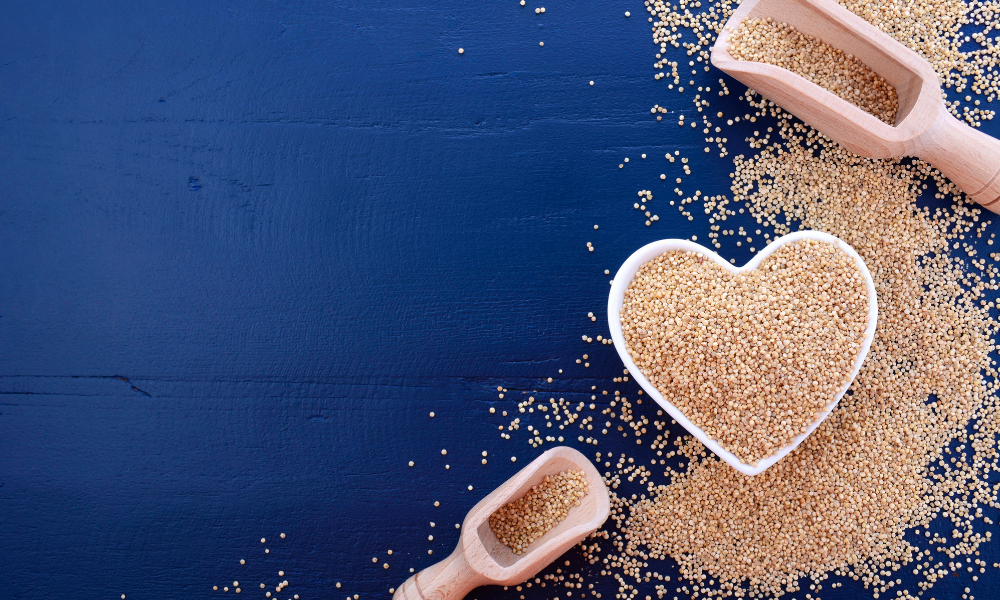
Quinoa has become a very popular superfood over the last few years. This plant has been known in South America for several thousand years and is still mostly produced in Bolivia and Peru. Until recently, however, it was largely unknown to the rest of the world. This article sheds light on the facts and objectively reveals what the plant, revered by the Incas as "ergot", can do for your health.
IT'S WORTH READING!
AT THE END OF THE ARTICLE WE WOULD LIKE TO GIVE YOU A LITTLE JOY WITH A VOUCHER!
What is quinoa actually?
Like amaranth, quinoa belongs to the Amaranth family. Although the young leaves and shoots are edible, the seeds of the plant are more well-known as they can be easily cooked like rice.
Quinoa is not a grass - unlike wheat or rye, for example. It is a so-called "pseudo-cereal". Its seeds are gluten-free and it contains similar nutrients to cereals. The seeds are eaten in the same way as cereals.
The high nutrient content and healthy properties make this pseudocereal very popular among people who want to take care of their health. This also applies to gourmets: Quinoa is not only healthy, but also very tasty.
The different types of quinoa
There are over 3,000 varieties of quinoa, according to a review published in the Journal of the Science of Food and Agriculture .
This can make the choice difficult. However, Inca corn can be divided into three classes, which differ in color:
White quinoa is the most common. It is also often a little cheaper. White quinoa has the least fat and has a nutty taste. It takes 10 to 15 minutes to cook.
Black quinoa does not differ significantly in taste. However, it is a bit harder and takes 15 to 20 minutes to cook.
Red quinoa also takes a little longer to cook. The seeds retain their original shape and look pretty. For this reason, they are often used in salads, for example. Red and black quinoa also have almost twice the vitamin E content of white quinoa.
The nutritional values: There is a lot of good stuff in it
Quinoa has become increasingly popular in our country, and not just because of its nutty taste. Its nutritional values also make this pseudo-cereal extremely healthy. Tryptophan, lysine, cystine, essential amino acids, polyunsaturated fatty acids - quinoa is full of minerals - in addition to manganese, it also contains magnesium (approx. 300 mg), iron (approx. 8 mg), potassium (approx. 800 mg) and calcium (approx. 80 mg).
Due to the amount of complex carbohydrates, the high fiber content and the lack of gluten, quinoa can be integrated into almost any diet.
How healthy is quinoa? This is what science says!
Quinoa contains many antioxidants
Quinoa is very rich in beneficial plant compounds. Some examples are saponins, phenolic acids, flavonoids and betacyanins. Many of these compounds can act as antioxidants and neutralize the free radicals in the body.
A study presented in the Journal of Medicinal Food examined ten grains from Peru. It found that quinoa had an antioxidant capacity of 86 percent, which was higher than all other grains analyzed.
When the seeds are allowed to germinate, the antioxidant content appears to increase even further, according to a 2009 study.
Could improve metabolic health
For people who have high blood fats (cholesterol and triglycerides), quinoa may be ideal. One study found that eating 50 grams daily for six weeks slightly reduced total cholesterol, triglycerides and LDL cholesterol, according to The American Journal of Gastroenterology .
Another study with the somewhat cumbersome name “Metabolic parameters of postmenopausal women after quinoa or corn flakes intake--a prospective and double-blind study” compared quinoa and corn flakes. It showed that only quinoa was able to demonstrably reduce total and LDL cholesterol.
Although these studies are preliminary, they suggest that quinoa may help improve metabolic health.
The high protein content and essential amino acids
Many plant foods are deficient in certain essential amino acids, such as lysine.
With eight grams of high-quality protein per cup (185 grams), quinoa contains adequate amounts of all essential amino acids. For this reason, it is an excellent source of protein because it has both more and better protein than most grains, according to a study found on the Food and Agriculture Organization of the United Nations website.
Protein is made up of amino acids, eight of which are called "essential" because our bodies cannot produce them and must obtain them from food. Foods like quinoa, which contain all eight essential amino acids , are called complete proteins.
Quinoa could help fight inflammation
Chronic inflammation is the cause of a wide range of diseases, from type 2 diabetes to cancer and heart disease.
Although studies have not shown consistent results, a diet high in antioxidants is believed to help fight inflammation in the body, a 2016 paper suggests.
The saponins contained in quinoa appear to have anti-inflammatory effects in addition to their high antioxidant properties.
It is perfect for people with gluten intolerance
A gluten-free diet can be healthy even for people without intolerance, as long as it is based on foods that are naturally gluten-free.
Problems arise when people eat gluten-free foods that are made with refined starch. They are no better than those stuffed with gluten! Poor quality foods are still poor quality foods, even if they contain quinoa.
According to a study conducted as part of a master's thesis at the Institute of Plant Sciences at the Karl-Franzens University of Graz , Switzerland, using quinoa - instead of typical gluten-free ingredients such as refined potato, corn or rice flour - dramatically increases the value of antioxidants in your diet.
Quinoa could help control blood sugar
The Inca grain contains a large amount of fiber and can therefore be considered a whole grain product. A 2016 study linked the consumption of whole grains to a lower risk of type 2 diabetes and improved blood sugar control.
The same study also showed that eating just 16 grams of fiber from whole grains per day was associated with a 33 percent lower risk of developing type 2 diabetes.
Other animal studies published in the journal Plant Foods for Human Nutrition showed that quinoa can reverse some of the negative effects of a high-fructose diet, including high blood sugar levels.
This could be because it contains phytoecdysteroids, which have been shown to lower blood sugar in mice, for example.
It could help you lose weight
Certain foods can promote weight loss by either boosting metabolism or reducing appetite. Quinoa has these properties. Because it is rich in protein, quinoa boosts metabolism while reducing appetite.
The high fiber content can increase the feeling of satiety, which means you consume fewer calories overall.
Although there is currently no study examining the effects of quinoa on body weight, since the plant has a low glycemic index, it seems likely that it could be a useful part of a healthy diet, according to a study published in the journal Nutrition Reviews .
The question of anti-nutrients
Certain foods, such as grains and legumes, contain antinutrients. They act as poisons for plants to protect themselves from predators or pests. The most common antinutrients found in quinoa are saponins, phytic acid and oxalates.
But don't worry: This doesn't affect the tolerability of quinoa! Its antinutrients are not a big problem for healthy people with a balanced diet.
Saponins
Saponins have both positive and negative properties. On the one hand, they have antioxidant and anti-inflammatory effects. Various saponins even help to lower cholesterol levels in the blood.
On the other hand, saponins have a bitter taste and can prevent the absorption of certain minerals such as zinc and iron. You can reduce the saponin content of quinoa by soaking the grains in water and rinsing them well.
Oxalates
The salts and esters of oxalic acid are called oxalates. These are compounds found in various foods such as buckwheat, spinach or chard. Oxalates can reduce the absorption of some minerals and combine with calcium to form kidney stones.
While oxalate is not a problem for most people, those who are prone to kidney stone formation should avoid foods high in oxalate or consult their doctor.
Phytic acid
Phytic acid is found in a number of foods, including nuts, seeds and grains.
It can also be good or bad for the body, depending on the circumstances. On the one hand, phytic acid has antioxidant effects and can, for example, prevent the formation of kidney stones. On the other hand, it can also block the absorption of minerals. This can increase the risk of deficiency symptoms in an unbalanced diet.
It’s so easy to prepare quinoa
Like rice, quinoa is cooked in boiling water before eating. You should rinse the seeds with cold water until the water runs clear. This will get rid of a lot of the bitter substances mentioned above.
Put the quinoa in a pot with a 1:3 ratio of water and cook it on medium heat. Depending on which variety you use, whether white, red or black, you will need to keep an eye on the cooking times.
On the Internet you can find many delicious recipes and ideas that you can try, such as quinoa salad or puffed quinoa.
Conclusion: Quinoa - A well-deserved triumph around the world
Quinoa is a so-called pseudocereal that has conquered the world from South America. Due to the many nutrients it contains, quinoa is considered a versatile, healthy food.
Quinoa also shows promising potential for use against certain diseases, such as inflammation, weight loss, blood sugar control or the containment of metabolic syndrome.
If you would like to try quinoa, you can now find many delicious recipes on the Internet, all of which are easy to cook.
AS PROMISED, YOU WILL RECEIVE A 5% VOUCHER ON OUR AMINO-8 .
SIMPLY COPY THE CODE AMINO5 (€90 MBW) AND ENTER IT AT CHECKOUT.
Click here for product
[1] https://pubmed.ncbi.nlm.nih.gov/27242826/
[2] https://pubmed.ncbi.nlm.nih.gov/27242826/
[3] https://pubmed.ncbi.nlm.nih.gov/20814881/
[4] https://pubmed.ncbi.nlm.nih.gov/25053071/
[5] https://pubmed.ncbi.nlm.nih.gov/19735168/
[6] https://www.sciencedirect.com/science/article/abs/pii/S0308814609000624
[7] https://pubmed.ncbi.nlm.nih.gov/24445568/
[8] https://pubmed.ncbi.nlm.nih.gov/24344670/
[9] http://www.fao.org/quinoa-2013/what-is-quinoa/nutritional-value/en/
[10] https://pubmed.ncbi.nlm.nih.gov/27000821/
[11] https://pubmed.ncbi.nlm.nih.gov/27000821/
[12] https://pubmed.ncbi.nlm.nih.gov/24712559/
[13] https://www.sciencedirect.com/science/article/abs/pii/S0308814609009212
[14] https://pubmed.ncbi.nlm.nih.gov/19519750/
[15] https://pubmed.ncbi.nlm.nih.gov/27159643/
[16] https://pubmed.ncbi.nlm.nih.gov/27159643/
[17] https://pubmed.ncbi.nlm.nih.gov/21104320/
[18] https://pubmed.ncbi.nlm.nih.gov/24912714/
[19] https://pubmed.ncbi.nlm.nih.gov/26775979/
[20] https://pubmed.ncbi.nlm.nih.gov/18448177/
[21] https://pubmed.ncbi.nlm.nih.gov/15797686/
[22] https://onlinelibrary.wiley.com/doi/abs/10.1111/j.1753-4887.2000.tb01855.x
[23] https://www.agriculturejournals.cz/publicFiles/06732.pdf
[24] https://pubmed.ncbi.nlm.nih.gov/19774556/

Quinoa and amaranth: an unbeatable team as “Inca gold”?
“Inca Gold” or “Inca Wheat” – these and other names are used to advertise a mixture that consists of two well-known pseudo-cereals: quinoa and amaranth. When combined, they are said to work wonders for your health. We will take a closer look in this article and explain how quinoa and amaranth affect the body.
The Gold of the Incas
Amaranth (a member of the Amaranth family) and quinoa (a member of the goosefoot family) have been cultivated in the high plateaus of the Andes for several thousand years and are used as a staple food there. The Spanish conquerors in the 16th century even banned their cultivation under penalty of death. Their aim was to weaken the indigenous peoples and thus minimize the risk of an uprising.
Inca Gold is a natural food supplement that contains finely ground quinoa and amaranth seeds. Thanks to its ingredients, it is rich in tryptophan, long-chain carbohydrates, minerals, protein, trace elements and vitamins.
The positive effect of these two plants on the human organism has been known in South America for thousands of years. Although quinoa and amaranth are pseudo-cereals, they can be processed in a similar way to other types of cereals and are a tasty alternative to them. In the form of high-quality capsules, they can also be conveniently taken daily with a glass of water.
Quinoa
As a pseudo-cereal, quinoa is not related to the well-known types of grain, but rather to plants such as chard, spinach and beetroot. Quinoa has only recently become a trendy food that is available worldwide.
The plant, revered by the Incas as the “mother of all grains,” is a good source of the amino acid tryptophan, which in turn is responsible for the production of the happiness hormone serotonin.
There are three main types of quinoa: white, red and black. 100 grams of the grains contain a total of 335 calories, of which 59 grams are carbohydrates and 5 grams are fat. In addition, there is also a small amount of omega-3 fatty acids.
amaranth
Amaranth (locally known as kiwicha ) is a group of more than 60 different types of grain that have been cultivated for around 8,000 years. Like quinoa, amaranth was a staple food in the cultures of the Aztecs, Mayans and Incas. Although not technically a cereal grain like oats or wheat, amaranth is nevertheless used in a similar way and has a comparable amount of nutrients.
Aside from its versatility, this nutritious grain is naturally gluten-free and rich in protein, fiber, micronutrients and antioxidants . What's more, amaranth is packed with manganese, an element that is particularly important for brain function and is said to protect against neurological diseases.
How Inca gold could support health
There are hardly any studies on the effectiveness of the amaranth-quinoa mixture. However, there are scientific studies that have looked at quinoa and amaranth individually.
Could increase the activity of antioxidants
Antioxidants are compounds that help fight harmful free radicals in the body. Free radicals can damage cells and contribute to the development of chronic diseases.
A study published in the journal Plant Foods for Human Nutrition finds that amaranth can increase the activity of antioxidants and also helps protect the liver from alcohol.
Two antioxidants that have been particularly well studied are quercetin and kaempferol, both of which are found in high amounts in quinoa.
In fact, the quercetin content in quinoa is even higher than in comparable foods with a high quercetin content, such as cranberries, according to a study presented in the Korean Journal of Food Science and Technology and also on the website of the Food and Agriculture Organization of the United Nations .
Provides building blocks for serotonin
Hormones have a very strong influence on our health and our mood. Serotonin, known as the "happiness hormone", plays a key role in sadness, fear or depression. It also controls our appetite, pain sensation, body temperature, sleep and perception.
In order for the body to produce sufficient amounts of serotonin, it must have access to essential building blocks. One of these is the essential amino acid tryptophan, which the body cannot produce itself.
Furthermore, sufficient amounts of magnesium , manganese, zinc , B vitamins and vitamin C , as well as omega-3 fatty acids are also necessary. Quinoa and amaranth provide all of these building blocks.
Provides potentially anti-inflammatory ingredients
Inflammation is a normal immune response designed to protect the body from injury and infection. However, chronic inflammation can lead to chronic diseases and is linked to cancer, diabetes and autoimmune diseases, among others, according to a 2012 study.
A comparative study in the journal Molecular Nutrition & Food Research found that amaranth reduced several inflammatory markers.
Certain substances in quinoa also showed anti-inflammatory effects in a 2014 study.
Blood sugar & cholesterol levels
Cholesterol is a substance that is similar to fat and is found throughout the body. However, too much cholesterol can build up in the blood and cause narrowing of the arteries. A study on hamsters showed that amaranth oil reduced total cholesterol and "bad" LDL cholesterol by 15 percent and 22 percent, respectively. In addition, amaranth grain reduced "bad" LDL cholesterol while increasing "good" HDL cholesterol.
Eating foods that have a high glycemic index (a measure of how quickly foods raise your blood sugar levels) can trigger hunger and contribute to obesity, according to a clinical study titled "High glycemic index foods, overeating, and obesity" published in 1999.
Such foods have also been linked to many of the common chronic Western diseases such as type 2 diabetes and heart disease. Quinoa has a low glycemic index and is therefore well suited for diabetics .
However, you should note that quinoa is still quite high in carbohydrates, so it is not a good choice if you are following a low-carb diet.
Could contribute to weight loss
Amaranth and quinoa are rich in protein and fiber and could therefore aid weight loss.
A 2009 study that followed 252 women for 20 months found that increased fiber intake was associated with a lower risk of weight and body fat gain.
The fact that quinoa has a low glycemic index is another important property, since the choice of such foods is associated with reduced calorie intake.
A gluten-free alternative
Gluten is a natural protein found in grains such as wheat, spelt, barley and rye, among others. While many of the most commonly consumed grains contain gluten, amaranth and quinoa are naturally gluten-free and can be eaten by those on a gluten-free diet.
A study published in the Journal of Human Nutrition and Dietetics found that using quinoa instead of typical gluten-free ingredients such as refined corn, rice, tapioca and potato flour can actually increase the nutrient content of the diet.
Conclusion: How valuable is Inca gold?
The mixture of amaranth and quinoa, known as “Inca Gold,” is said to work wonders for the body. However, there is currently no reliable study on whether the interaction of the two pseudocereals is more beneficial than the effect of each on its own.
However, each of these plants shows promising approaches when it comes to, for example, the production of serotonin, the inhibition of inflammation, a positive influence on cholesterol or blood sugar levels and weight loss.
In any case, both taste good and their nutritional content makes them a good change for your diet.
[1] https://nutritiondata.self.com/facts/cereal-grains-and-pasta/10352/2
[2] https://pubmed.ncbi.nlm.nih.gov/12505649/
[3] https://www.ncbi.nlm.nih.gov/pmc/articles/PMC3614697/
[4] https://pubmed.ncbi.nlm.nih.gov/21547507/
[5] https://pubmed.ncbi.nlm.nih.gov/18537130/
[6] https://www.sciencedirect.com/science/article/abs/pii/S0308814609011662
[7] https://www.ncbi.nlm.nih.gov/pmc/articles/PMC4393508/
[8] https://www.ncbi.nlm.nih.gov/pmc/articles/PMC3492709/
[9] https://pubmed.ncbi.nlm.nih.gov/24431078/
[10] https://pubmed.ncbi.nlm.nih.gov/24712559/
[11] https://pubmed.ncbi.nlm.nih.gov/12690910/
[12] https://pubmed.ncbi.nlm.nih.gov/10049982/
[13] http://www.glycemicindex.com/foodSearch.php?num=927&ak=detail
[14] https://pubmed.ncbi.nlm.nih.gov/19158230/
[15] https://onlinelibrary.wiley.com/doi/abs/10.1111/j.1753-4887.2000.tb01855.x
[16] https://pubmed.ncbi.nlm.nih.gov/19519750/

Grapefruit seed extract: miracle cure from grapefruit?
Scientifically based or hype? Do you often ask yourself this question when you see a product that is advertised on every corner? If so, then we have research-backed facts about grapefruit seed extract for you, which is said to have many positive effects Let's take a look together in this article at what grapefruit seed extract can really do.
It’s worth reading on!
At the end of the article there is a voucher for our grapefruit seed extract waiting for you!
This is exactly grapefruit seed extract
The name says it all: Grapefruit seed extract (GSE for short) is made from grapefruit ( Citrus × paradisi ), more precisely from the ground seeds and peels of the fruit.
These were originally waste products left over from the processing of grapefruits. Today, the sought-after product is extracted from them with the help of glycerine, for example.
The effect of grapefruit seed extract was discovered quite by chance by Dr. Jakob Harich, who was amazed to see that the seeds of his grapefruits did not rot on the compost heap. As a scientist, his interest was aroused and he investigated the matter.
The effect of grapefruit seed extract has not yet been clearly proven scientifically. Nevertheless, there are enough cases in which grapefruit extract is said to have helped. This makes it interesting to take a closer look.
It is now believed that the main reason for the often praised effectiveness of grapefruit seed extract is the vitamin C it contains as well as secondary plant ingredients, so-called flavonoids. For example, naringin, a chemical compound that is partly responsible for the bitter taste of grapefruit, is said to have lipid-lowering and antioxidant effects. [1]
But let’s first clarify what flavonoids are before we take a closer look at the effects of grapefruit seed extract.
Flavonoids - A brief explanation
As we have just said: flavonoids are secondary plant substances. They belong to the group of so-called polyphenols. Their job is to protect plants from natural predators and at the same time attract insects for pollination. Among other things, they are found in the coloring and flavoring of plants.
Currently, around 8,000 different flavonoids are known. They are generally said to have antioxidant properties, one of the reasons why plants containing flavonoids are used for medicinal purposes. They are also said to be effective against inflammation, free radicals, allergies and fungi.
Foods that contain flavonoids include peppers, chives, cherries, berries, apples and tomatoes.
Grapefruit seed extract - What science says
Taken as a supplement, grapefruit seed extract probably has advantages, but it also has disadvantages. We'll look at both sides.
Abundant antioxidants
Grapefruit seed extract contains a number of antioxidants that can protect the body from oxidative stress and cell damage caused by so-called free radicals. In case you don't know, chronic oxidative stress can lead to a number of serious diseases. [2]
The flavonoids, polyphenols and essential oils contained in grapefruit seed extract are also substances that have antioxidant effects. [3]
A comparative study from 2005 even found that naringin, contained in grapefruit seed extract, could protect the digestive tract of rats against stress and radiation damage. [4] [5]
Antibacterial effect
As Dr. Jakob Harich has already determined, grapefruit seed extract has an antibacterial effect. This has also been shown by various studies that have confirmed its effectiveness against some fungi, viruses and bacteria.
Studies by the University of Texas on cell cultures showed the good effect of grapefruit seed extract in fighting bacteria. [6] [7]
Animal experiments have also shown that the substance has antibacterial effects and could be used against possible fungal infections. [8]
So is grapefruit seed extract a natural antibiotic?
This cannot yet be confirmed. Some scientific papers claim that the antibacterial properties of grapefruit seed extract supplements are solely due to the additives they contain. [9]
Most of the tests were also carried out in vitro, and confirmation of effectiveness in humans is still pending. Therefore, grapefruit seed extract is in no way a substitute for oral medication.
Help with urinary tract infections and stomach problems
Because grapefruit seed extract shows good results in fighting bacteria, researchers are considering whether its supportive use also makes sense in infections and other complaints.
One indication of how grapefruit seed extract can help with stomach problems is its ability to kill the rod bacterium Helicobacter pylori. [10] This bacterium nests in the stomach lining and can be the cause of everything from gastritis to ulcers.
Another study achieved positive results in the treatment of urinary tract infections with grapefruit seed extract. [11]
However, the following also applies here: These results are not representative; further studies are needed to confirm the actual effectiveness.
Help with skin problems
The antimicrobial properties of grapefruit seed extract and its effectiveness against fungal infections make the product a candidate in the fight against skin diseases caused, for example, by certain yeast fungi. [12]
To find out more, in vitro and in vivo studies were conducted on 25 subjects. The result showed that the substances in grapefruit seed extract did not help against all of the bacteria and fungi examined, but did show positive results in the case of an infection caused by Candida fungi. [13]
But here too, further research results must be awaited.
Other possible benefits
Research is currently looking into other areas of application to determine whether grapefruit seed extract could be used as a supportive agent.
In the fight against diabetes, obesity and high cholesterol, grapefruit seed extract was shown in an animal study that intake over 31 days led to weight loss and lower blood sugar and cholesterol levels in the animals. [14]
Another study on rats, in which the blood supply to certain organs was temporarily interrupted, showed something interesting: Giving the animals grapefruit seed extract half an hour beforehand led to a reduction in inflammation and damage to the tissues and organs after the blood supply was restored. [15]
Although these results are promising, the evidence is very thin. Future studies must confirm these results and show to what extent they can be transferred to humans.
Does grapefruit seed extract have any disadvantages?
Grapefruit seed extract is often advertised as a natural product. In many cases, however, the term is misleading, as quite a few of the over-the-counter products contain additives that, in the worst case, can even have a negative impact on your health. [16] [17]
The Federal Institute for Risk Assessment (BfR) issued a warning for grapefruit seed extract in 1998. The reason: some of the tested food supplements contained harmful benzethonium chloride. [18]
But even without these additives, grapefruit seed extract may not only have positive effects on health.
A Brazilian animal study showed that concentrated doses of grapefruit seed extract caused inflammation in rats and had toxic effects on cells such as connective tissue. [19]
But here too, animal studies cannot be transferred one-to-one to humans, so further research is needed.
So what should you do if you want to supplement your diet with grapefruit seed extract?
If you want to take a dietary supplement that contains grapefruit seed extract, you should only choose a high-quality product that is really free of additives and has undergone strict quality tests. Be sure to follow the manufacturer's dosage recommendations to avoid an overdose.
If you are taking medications, you should consult your doctor as grapefruit seed extract may interact with some drugs. [20]
Conclusion: Grapefruit seed extract is promising
Grapefruit seed extract is not a miracle cure and many of the claims made about its alleged effects cannot be confirmed. However, trials have shown promising approaches when it comes to combating certain bacteria, viruses and fungal diseases.
The antioxidant properties of the secondary plant substances contained in grapefruit seed extract are also the subject of further investigations.
In any case, you should make sure that grapefruit seed extract is of high quality, as inferior, contaminated products are widespread and can be harmful to your health.
We at +Viktilabs would like to thank you for reading this far and are giving you a 5% voucher for our grapefruit seed extract .
Simply copy the voucher code GRAPEFRUIT+V5 and enter it at checkout.
Click here for the product
[1] https://pubmed.ncbi.nlm.nih.gov/29284137/
[2] https://pubmed.ncbi.nlm.nih.gov/25869516/
[3] https://pubmed.ncbi.nlm.nih.gov/15030930/
[4] https://pubmed.ncbi.nlm.nih.gov/15936352/
[5] https://www.ncbi.nlm.nih.gov/pmc/articles/PMC4355785/
[6] https://pubmed.ncbi.nlm.nih.gov/12165191/
[7] http://www.drrathresearch.org/images/attachments/Infectious%20Diseases/Grapefruit-seed-LD.pdf
[8] https://academic.oup.com/jbcr/article-abstract/24/suppl_2/S139/4734379?redirectedFrom=fulltext
[9] https://pubmed.ncbi.nlm.nih.gov/10399191/
[10] https://www.ncbi.nlm.nih.gov/pmc/articles/PMC3957247/
[11] https://pubmed.ncbi.nlm.nih.gov/15865506/
[12] https://pubmed.ncbi.nlm.nih.gov/16886437/
[13] http://orthomolecular.org/library/jom/1990/pdf/1990-v05n03-p155.pdf
[14] https://pubmed.ncbi.nlm.nih.gov/19062465/
[15] https://pubmed.ncbi.nlm.nih.gov/24616645/
[16] https://pubmed.ncbi.nlm.nih.gov/11453769/
[17] https://pubmed.ncbi.nlm.nih.gov/17867553/
[18] https://www.bfr.bund.de/de/pres
beinformation/1998
/16/bgvv_raet_zu_vorsicht_bei_produkte_mit_grapefruitkern extracten-853.html
[19] https://www.medscitechnol.com/download/index/idArt/889242
[20] https://www.ncbi.nlm.nih.gov/pmc/articles/PMC1873672/
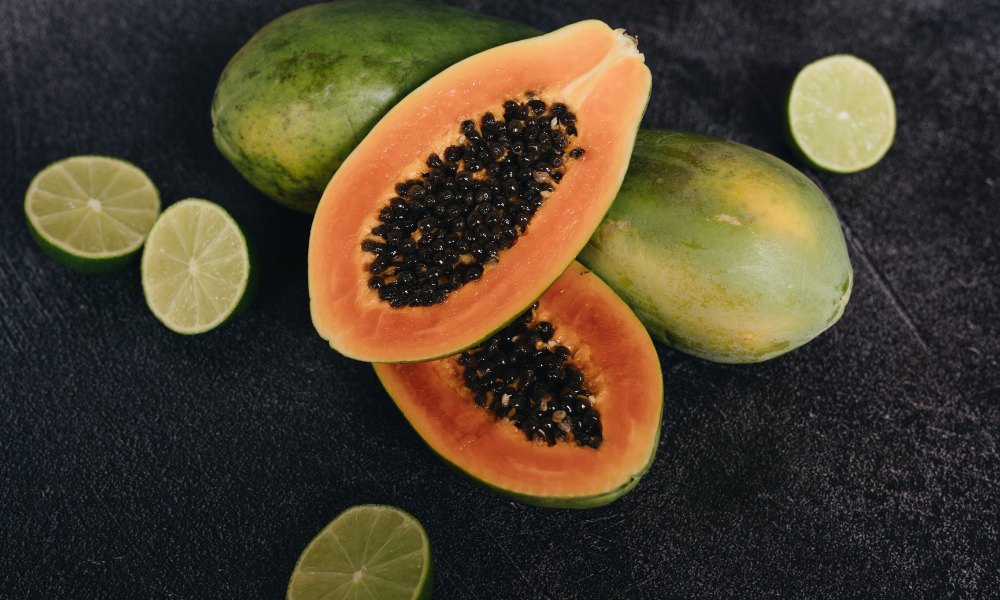
Papain: This is what the papaya enzyme can do
The papaya is considered a healthy vitamin bomb from the tropics. But in addition to its vitamin richness, this fruit contains a substance that is gaining more and more attention: papain. There are now a number of health myths surrounding this enzyme and its therapeutic effects. We will examine papain from a scientific perspective and explain what you should know about it.
At the end of the article there is a 5% voucher for our Papain waiting for you!
What is papain?
Papain is found in high concentrations in the greenish peels and seeds of the melon tree or papaya (Carica papaya), an important tropical crop. It is a so-called proteolytic enzyme (proteolytic - "relating to the breakdown of protein (proteolysis)") and is used by the plant primarily to combat and ward off pests.
The enzyme, which consists of over 200 amino acids, is used in many areas. Because of its protein-splitting effect, it is used in cooking as a meat tenderizer, for example. In the textile industry, it prevents silk and wool from shrinking and matting. It is even used in the production of beer, where it removes the cloudy substances in beer.
The indigenous peoples of Central and South America have long known about the wound-cleansing properties of papaya latex. However, it was only after the enzyme was isolated that it was discovered that it also has worm-killing properties. We will look at the other properties of papain further down in this article.
How Papain works
In 1969, the complete amino acid sequence of papain was deciphered. One year earlier, its protein structure was elucidated. This knowledge forms a good basis for better understanding its mode of action, influence and benefits for the human body.
For example, it facilitates the digestion of food proteins in the digestive system by breaking these proteins down into fragments - more precisely, peptides and amino acids. In the cardiovascular system, it helps to break down fibrin and fibrinogen, which are responsible for the sticking of blood cells together.
A study published in the Journal of Immunotoxicology also confirmed its antibacterial, anti-inflammatory and antioxidant effects.
Since many messenger substances, cell receptors and antibodies are either proteins or act via proteins, they lose their function as soon as they are broken down. Papain breaks down these protein molecules and thus prevents the development or spread of inflammation.
In these cases, papain could support
The enzyme is still said to have many properties, but there is no reliable evidence to support their validity. We have therefore compiled a list of scientific studies here in which papain appears to have a promising effect.
Papain is said to be good for digestion
There is much evidence to suggest that papain can help with digestive disorders such as bloating or constipation. A controlled, randomized study published in 2013 in the journal Neuro Enocrinology Letters showed that a papaya preparation was able to significantly improve constipation and bloating in people with gastrointestinal dysfunction.
However, there is also criticism of the studies conducted so far.
The enzyme has an antioxidant effect
The antioxidants contained in papain are said to prevent free radicals in the body from disrupting important metabolic processes. This is the conclusion of a study from 2006.
The papaya enzyme also shows promise in treating the consequences of type II diabetes, as a study published in the journal Antioxidants & Redox Signaling suggests.
Furthermore, the role papain might play in degenerative diseases such as Alzheimer's is being investigated.
Papain could relieve muscle soreness
A paper published in the Journal of Sports Sciences shows that muscle pain caused by intense exercise could be alleviated by protease supplements. In this study, ten male exercisers were given either a protease supplement containing papain or placebos.
The enzymes or placebos were administered after completing a 30-minute hill run at 80 percent of the maximum heart rate. The papain group showed less muscle pain and better muscle recovery than the control group.
It could help with sore throats
Papain may help relieve the symptoms of sore throats, such as pain, redness and inflammation.
A study entitled “Clinical studies on Frubienzyme in a controlled double-blind trial“ which was conducted on 100 people with phayryngitis (inflammation of the throat) or tonsilitis (inflammation of the tonsils) showed the following: The administration of lozenges containing 2 mg papain, 5 mg lysozyme and 200 IU (international units) bacitracin improved the symptoms compared to the control group.
However, it is not certain whether the positive effects were caused by the papain itself, the other ingredients or the composition of the active ingredient cocktail.
Papain could support wound healing
Research shows that the enzyme's wound-healing and cleansing properties and its use as a treatment for skin diseases, ulcers and wounds are promising. An animal study on rats showed that a papain-based wound cleanser improved the healing of the injuries.
Another study from 2012 also concluded that papain was effective in treating many types of wounds at different stages of healing.
It could reduce pain and inflammation
An article published in the journal Nutrition Review refers to a study showing that proteolytic enzymes can reduce inflammation as well or even better than some anti-inflammatory drugs.
However, since clinical research on humans is currently limited, further studies are needed.
Nevertheless, because of these potential beneficial effects, papain and other proteolytic enzymes are used to support wound healing and reduce swelling after injury or trauma.
Papain could relieve the symptoms of shingles
Typical symptoms of shingles (herpes zoster) such as skin lesions, neuralgia or pain could be alleviated by proteolytic enzymes such as papain.
A controlled clinical study on 192 shingles patients entitled “Enzyme therapy – an alternative in the treatment of zoster” showed that treating the symptoms with a proteolytic enzyme preparation was as effective as treating them with a conventional antiviral drug.
However, more recent studies are needed to confirm these results.
Papain and cancer
A review published in the journal Molecular Nutrition & Food Research concluded in initial series of experiments that papaya enzymes were effective in inhibiting tumor growth. However, these studies were mostly conducted in animal experiments or with cell cultures or in vitro.
Therefore, it is not easy to transfer the effects to the human organism. Nevertheless, the approach could be promising.
What you should keep in mind when taking papain
No side effects are to be expected in normal consumption amounts.
Nevertheless, if papain is taken as a dietary supplement, too high doses of the enzyme can cause allergic reactions, stomach irritation or problems with the throat or esophagus. People who are allergic to papaya and its milky juice should also reconsider taking it.
You should make sure to only purchase high-quality capsules from a trusted source .
In general, when taking enzymes, you should make sure to take them with meals. Up to 2 hours before or after eating should ensure an optimal anti-inflammatory effect.
Conclusion: Promising fruit
Papaya is considered a tasty vitamin bomb that is said to have many healing properties. This is primarily due to the papain it contains, an enzyme that has, among other things, protein-splitting properties.
Research shows that papain may also have anti-inflammatory properties. It is also said to help fight shingles and inflammation, as well as aid in wound healing, digestion and sore muscles.
We at +Viktilabs would like to thank you for reading this far and are giving you a 5% voucher for our PAPAIN .
Simply copy the voucher code PAPAIN+V5 and enter it at checkout.
Click here for the product
[1] https://onlinelibrary.wiley.com/doi/full/10.1046/j.1365-313X.2003.01968.x
[2] https://web.archive.org/web/20110126211513/http://transfusionsmedizin.uk-wuerzburg.de/studenten/hauptvorlesung/blutgruppen-erythrocyte-iii/fy-system.html
[3] https://pubmed.ncbi.nlm.nih.gov/23524622/
[4] https://www.sciencedirect.com/science/article/abs/pii/S0308814606003426
[5] https://pubmed.ncbi.nlm.nih.gov/22369197/
[6] https://pubmed.ncbi.nlm.nih.gov/15161110/
[7] https://pubmed.ncbi.nlm.nih.gov/789219/
[8] https://pubmed.ncbi.nlm.nih.gov/21061910/
[9] https://pubmed.ncbi.nlm.nih.gov/21061910/
[10] https://pubmed.ncbi.nlm.nih.gov/23405827/
[11] https://nutritionreview.org/2013/04/controlling-inflammation-proteolytic-enzymes/
[12] https://pubmed.ncbi.nlm.nih.gov/7713467/
[13] https://onlinelibrary.wiley.com/doi/full/10.1002/mnfr.201200388

MSM – What role does sulphur play in the body
Celebrated by some as a miracle cure, criticized by others as not being sufficiently researched - MSM is currently the focus of nutritional science. It is said to help with all kinds of ailments, from allergies to brittle nails. But is that really true?
At the end of the article we have provided you with a voucher for our MSM .
It’s worth reading on!
We have taken a closer look at this sulfur compound and will explain to you in detail how MSM can help and support you and what it cannot do.
What is Methylsulfonylmethane (MSM)?
MSM is an organic sulfur compound and is found in all living things. The element underlying the compound - sulfur - plays a role in many of the body's processes.
Wait, you might say, isn’t sulfur toxic?
To answer that, let's first clear up a misconception - when we talk about MSM, we're not talking about the yellow, smelly chemical element that you remember from school. We're talking about sulfur compounds. And they occur naturally as coenzymes and essential amino acids in plants, animals and humans.
As an important component of connective tissue, sulphur is responsible for healthy tendons, cartilage, muscles and bones. It is also a component of the body's own substances, such as hormones, amino acids and enzymes. On average, our body contains forty times more sulphur than iron, for example.
Sulfur in the form of MSM is now also established as a dietary supplement, although it is found naturally in nuts, eggs and various vegetables.
What are the health benefits of MSM?
It seems that methylsulfonylmethane could play a role in fighting various diseases. We have compiled a list of them for you below.
Possible support against cancer
Research into the use of MSM in cancer is still in its early stages. However, initial results are emerging.
For example, studies suggest that MSM may slow or even inhibit the growth of various types of cancer. In a study on breast cancer, methylsulfonylmethane appeared to damage the DNA of cancer cells.
There is also evidence that it could inhibit the metastasis of cancer cells.
Another animal study offers hope in the fight against liver cancer. Sick mice that were injected with MSM showed less liver damage and smaller tumors than those in a control group.
However, much more research is needed to confirm these results in humans.
MSM could strengthen the immune system
Our immune system protects us from diseases and invaders such as viruses and bacteria that want to harm the organism.
MSM can reduce the oxidative stress your body experiences. Additionally, it appears to be able to reduce inflammation in the body. It does this by lowering the levels of certain inflammatory markers in your body.
It is also involved in the formation of antioxidants , especially glutathione. This chemical compound is one of the most important antioxidants and is therefore crucial for a functioning immune system and for your general health.
Possible help for joint pain
If you search for MSM on the Internet, you will often come across its alleged effectiveness in treating muscle and joint pain.
What is it about?
Due to its possible anti-inflammatory effect, MSM could actually counteract the formation of pro-inflammatory messenger substances. This is suggested by animal studies.
In addition, another study with 100 subjects over 50 years of age suggests that the administration of MSM over a period of twelve weeks could lead to relief of pain and a reduction of swelling and stiffness in the joints.
It seems that MSM could indeed help in this area. However, further studies are still needed to consolidate the findings.
MSM and Arthritis
The inflammatory disease of the joints, which causes stiffness and pain, is called arthritis. In Germany, around one percent of adults are affected by rheumatoid arthritis, with women being affected three times more often than men.
This is where the anti-inflammatory properties of MSM come into play.
Animal studies at the Institute of Forensic Medicine at the University of Freiburg im Breisgau were able to confirm “ the plausibility of the use of MSM in age-related osteoarthritis or experimentally induced osteoarthritis or arthritis ”.
Other research also showed that taking MSM together with glucosamine and chondroitin had more positive effects in the treatment of arthritis than taking glucosamine and chondroitin alone.
The effect on allergic symptoms
Maybe you know it too: watery eyes, violent sneezing, itching and a constantly runny nose. Allergies have you under control! Causes can include pollen, mold, animal hair or dust.
No matter what the trigger may be, the body reacts in a similar way: after contact with these so-called allergens, it releases inflammatory substances, among other things. MSM appears to inhibit the production of these inflammatory substances.
In fact, administration of 2600 mg of MSM over a period of 30 days seemed to improve allergy symptoms in a test group, all of whom suffered from allergic rhinitis.
However, this needs to be confirmed in further studies.
MSM may improve skin health
Almost everyone knows the smell of burnt hair. But do you know what it smells like? It's the sulfur-containing cysteine, which is found in high quantities in hair.
This amino acid is a component of keratin, a fibrous protein that forms the building block of your skin, hair and nails. MSM could strengthen these proteins and thus help prevent skin-damaging inflammation and reduce the signs of the aging process - for example, wrinkles.
What are the side effects of MSM?
So far, no side effects of methylsulfonylmethane have been reported. However, there have been isolated reports of tiredness, diarrhea or headaches in the first few days of taking it. It is not yet known why this happens. One reason could be that the body has to get used to the increased sulfur intake. Reducing the dose should help in this case.
In any case, you should follow the manufacturer's dosage instructions and choose a high-quality product that is free of additives and whose quality has been tested. In any case, consult your doctor before taking MSM regularly.
Conclusion: MSM shows a positive trend
Methylsulfonylmethane is a sulfur compound that is vital for the functioning of many of the body's processes.
Studies have found evidence that MSM can boost the immune system, has anti-inflammatory properties, and may provide relief from certain joint conditions and allergies.
Although MSM does not replace a healthy lifestyle, it can complement a varied diet.
We at +Viktilabs have provided a 5 % voucher for you and hope that this will bring you joy.
Simply copy the voucher code " MSM+V5 " and enter it at checkout.
Click here for the product
_____________________________________________________
[1] https://www.pharmawiki.ch/wiki/index.php?wiki=MSM
[2] https://pubmed.ncbi.nlm.nih.gov/21626237/
[3] https://pubmed.ncbi.nlm.nih.gov/27428957/
[4] https://pubmed.ncbi.nlm.nih.gov/20694196/
[5] https://pubmed.ncbi.nlm.nih.gov/24575169/
[6] https://pubmed.ncbi.nlm.nih.gov/26648017/
[7] https://pubmed.ncbi.nlm.nih.gov/26084564/
[8] https://www.ncbi.nlm.nih.gov/pmc/articles/PMC3934636/
[9] https://www.ncbi.nlm.nih.gov/pmc/articles/PMC3317666/
[10] https://www.ncbi.nlm.nih.gov/pmc/articles/PMC2198910/
[11] https://www.ncbi.nlm.nih.gov/pmc/articles/PMC2882124/
[12] https://www.ncbi.nlm.nih.gov/pmc/articles/PMC3229597/
[13] https://pubmed.ncbi.nlm.nih.gov/23011466/
[14] https://www.ncbi.nlm.nih.gov/pmc/articles/PMC4502733/
[15] https://pubmed.ncbi.nlm.nih.gov/21708034/
[16] https://pubmed.ncbi.nlm.nih.gov/28790224/
[17] https://www.ncbi.nlm.nih.gov/pmc/articles/PMC3245436/
[18] https://pubmed.ncbi.nlm.nih.gov/19336900/
[19] https://pubmed.ncbi.nlm.nih.gov/12006124/
[20] https://www.ncbi.nlm.nih.gov/pmc/articles/PMC3583891/
[21] https://pubmed.ncbi.nlm.nih.gov/18254805/
[22] https://www.nccih.nih.gov/health/dimethyl-sulfoxide-dmso-and-methylsulfonylmethane-msm-for-osteoarthritis


