




Latest posts
Magazine

PMS - How to counter the “days before the days”
PMS is the nightmare that many women face month after month. However, there are things that can be done to reduce the severity of premenstrual syndrome. In this article, we will look at PMS, including its symptoms, causes, treatments, and tips for a helpful diet.
PMS - The Facts
Premenstrual syndrome (PMS) is a condition that affects a woman's emotions, physical health, and behavior during certain days of the menstrual cycle, usually just before menstruation.
Around 80 percent of all women of childbearing age are affected by PMS. Two weeks to a few days before the start of their period, they experience various psychological and physical symptoms. For most women, however, these disappear again when their period begins. The type and extent of the symptoms vary from woman to woman and also from month to month. [1]
Experts aren't sure what the exact cause of PMS is, but it's strongly suspected that it's related to the hormonal fluctuations that occur in the second half of the menstrual cycle.
This is because ovulation occurs around the middle of the cycle. During this time, the female body releases an egg, causing estrogen and progesterone levels to drop. A shift in these hormones can lead to both physical and emotional symptoms. Mood swings, for example, are one of the most common and serious PMS symptoms. [2]
IT'S WORTH READING!
AT THE END OF THE ARTICLE WE WOULD LIKE TO GIVE YOU A LITTLE JOY WITH A VOUCHER!
Changes in estrogen and progesterone levels also affect serotonin levels, a neurotransmitter that helps regulate mood, sleep cycles, and appetite. Low serotonin levels are associated with feelings of sadness and irritability, but also with sleep disturbances and unusual food cravings - all common PMS symptoms.
A study of premenopausal women showed that although 75 percent have at least one PMS symptom, only 8-20 percent meet the clinical criteria for a PMS diagnosis. [3]
In addition, certain medical conditions can resemble PMS, including chronic fatigue syndrome (CFS), thyroid disorders, and mood disorders such as depression and anxiety.
In order to obtain a clear diagnosis, you should therefore consult your doctor.
You can recognize PMS by these symptoms
Ovulation - the release of an egg from one of the two ovaries - takes place around day 14 of the cycle. Menstruation then occurs on average on day 28. PMS symptoms can begin around day 14 and, in the worst case, last up to seven days after the start of menstruation.
The most common PMS symptoms include headaches, bloating, cramps and mood swings. For some women, these symptoms are nothing more than a minor inconvenience. For others, they can become so severe that they can't go about their work, school or other obligations or activities. And some women get their period without feeling the slightest hint of any PMS symptoms.
Other psychological PMS symptoms may include:
Depression
Social withdrawal
Bad mood
Crying without a good reason
Reduced libido
Irritability or anger
Difficulty concentrating
Increased anxiety
Sleep problems, such as insomnia
Additional physical symptoms may include:
fatigue
Weight gain
Constipation or diarrhea
Changes in appetite, such as cravings
Sensitive or swollen breasts
Acne , appearance of pimples and oily skin
PMS can also worsen symptoms of diseases such as diabetes, depression and irritable bowel syndrome (IBS) . Age can also affect the severity of PMS: During perimenopause, the transition period up to menopause , PMS symptoms may worsen.
There are two other clinical pictures that are similar to PMS:
Premenstrual aggravation is a worsening of symptoms of a pre-existing condition, such as anxiety, bipolar disorder, or depression, in the weeks or days before your period. About half of all women treated for PMS also suffer from depression or anxiety. [4]
Premenstrual dysphoric disorder (PMDD) is very similar to PMS, but it involves more severe symptoms that are more emotional. Some women experience mood swings that are so severe that their daily life is massively affected.
Studies estimate that about 75 percent of women suffer from PMS during their fertile years , while only 3 to 8 percent suffer from PMDS. PMDS has been recognized as a separate disease since 2000. [5]
How to relieve the symptoms of PMS
There is no cure for PMS. But you can take steps to make those annoying and uncomfortable days before your period more pleasant. If you suffer from a mild or moderate form of premenstrual syndrome, here are some options:
Take supplements such as folic acid, vitamin B6 , calcium and magnesium to reduce cramps and mood swings (more on that below)
Drink plenty of fluids to relieve bloating
Reduce stress , e.g. through exercise or reading
Take vitamin D to reduce symptoms
Exercise to improve mental health
Eat a balanced diet to improve your overall health and energy levels. In plain language: lots of fruit and vegetables, little sugar, white flour, convenience foods and alcohol
Get enough sleep every night to reduce fatigue
Take part in cognitive behavioral therapy, which has been proven effective in the past
These nutrients could help you with PMS
In addition to painkillers, ovulation inhibitors, diuretics, corpus luteum hormones and antidepressants, you can also take nutrients and foods that may alleviate PMS symptoms, for example:
Calcium
Calcium supports bone strength and density. Adequate calcium levels also help regulate mood, sleep, and food cravings.
Women who are prone to PMS symptoms often do not consume enough calcium. Conversely, calcium supplementation may alleviate some PMS symptoms. [6]
Vitamin B6
Vitamin B6 plays an important role in the production of neurotransmitters that regulate our mood. It is a water-soluble vitamin that is found in many foods, for example:
Milk
Salmon
tuna
Eggs
Carrots
beef
spinach
Bananas
avocado
A review study suggests that taking a vitamin B6 supplement is significantly more effective than a placebo for all forms of premenstrual syndrome. On average, physical symptoms improved in 70 percent of test subjects. Depressive symptoms were alleviated in 63 percent of test subjects. [7]
However, further studies are needed to reach a final conclusion.
Vitamin D
According to a study from the University of Massachusetts at Amherst that analyzed the calcium and vitamin D intake of nearly 3,000 women, consuming calcium-rich dairy products, especially when fortified with vitamin D , reduces the risk of developing PMS by up to 40 percent. [8]
In another study of 186 participants between the ages of 18 and 30, those who consumed at least 100 IU of vitamin D per day suffered from fewer PMS symptoms. [9]
Fatty fish, cod liver oil, egg yolks and edible mushrooms contain some vitamin D. The best source of vitamin D, however, is sunlight. Unfortunately, vitamin D deficiency is widespread in Germany, so many people benefit from vitamin D supplements.
magnesium
PMS is associated with low magnesium levels. Taking a combination of magnesium and vitamin B6 may help relieve PMS symptoms such as anxiety, depression, water retention, insomnia, and breast tenderness. [10]
Foods containing magnesium include:
Bananas
broccoli
Wholemeal bread
Brown rice
Legumes
Nuts
potatoes
Sunflower seeds
Essential fatty acids
Chronic inflammation appears to be able to exacerbate PMS symptoms. For this reason, it is logical that anti-inflammatory fatty acids can alleviate symptoms. This has been shown for α-linolenic acid (ALA), γ-linolenic acid (GLA) and oleic acid. [11] Evening primrose oil is used to treat PMS and contains GLA.
St. John's Wort
St. John's wort is known for treating depression. But it can also be effective for PMS. It can relieve both the emotional and physical symptoms of PMS. The mood-enhancing effect can be explained by the fact that St. John's wort acts on the neurotransmitters serotonin and noradrenaline, which influence our mood. [12]
Other foods that could help
Gingko can relieve PMS symptoms such as fatigue, bloating and insomnia. This is because Gingko reduces prostaglandin levels in the body and increases the release of neurotransmitters in the brain. [13]
Evening primrose oil is one of the best-studied herbs for PMS. Studies have shown that 500 to 1,000 mg daily can relieve PMS symptoms. [14]
Chasteberry. The plant with the Latin name Vitex agnus-castus is one of the most commonly used supplements when it comes to female reproduction. A 2013 study on the subject suggests that it may have some benefits for women suffering from PMS. [15]
Conclusion: PMS does not have to be a nightmare
Most women suffer from at least one symptom of premenstrual syndrome. Fluctuations in hormone levels may play an important role in PMS. However, the exact cause is still unknown.
In addition to treating the symptoms with medication, the right diet can also provide relief from PMS. Nutrients such as vitamin B6, vitamin D, calcium, magnesium and essential fatty acids have shown promising approaches and effects in various studies.
AS PROMISED, YOU WILL RECEIVE A 5% VOUCHER ON OUR VITAMIN D3 liquid ,magnesium , vitamin B complex and calcium .
JUST COPY THE CODE PMS+V5 AND ENTER IT AT CHECKOUT.
Click here to SHOP
[1] https://pubmed.ncbi.nlm.nih.gov/28650737/
[2] https://www.ncbi.nlm.nih.gov/pmc/articles/PMC3017419/#__abstractid464289title
[3] https://journals.plos.org/plosone/article?id=10.1371/journal.pone.0169728
[4] https://www.acog.org/womens-health/faqs/premenstrual-syndrome?utm_source=redirect&utm_medium=web&utm_campaign=otn
[5] https://www.ncbi.nlm.nih.gov/books/NBK279265/
[6] https://www.ncbi.nlm.nih.gov/pmc/articles/PMC5313351/
[7] https://pubmed.ncbi.nlm.nih.gov/10334745/
[8] https://www.umass.edu/archivenewsoffice/article/researcher-umass-amherst-finds-diet-rich-calcium-and-vitamin-d-may-decrease-risk-pms
[9] https://pubmed.ncbi.nlm.nih.gov/29447494/
[10] https://www.ncbi.nlm.nih.gov/pmc/articles/PMC3208934/
[11] https://www.ncbi.nlm.nih.gov/pmc/articles/PMC3033240/
[12] https://pubmed.ncbi.nlm.nih.gov/20155996/
[13] https://www.liebertpub.com/doi/abs/10.1089/acm.2008.0493
[14] https://www.aafp.org/afp/2002/1001/p1239.html
[15] https://www.thieme-connect.com/products/ejournals/html/10.1055/s-0032-1327831
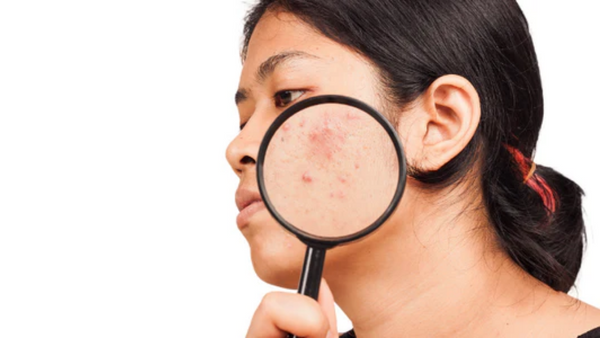
Acne: How the right diet can improve your skin
You can recognize it from a distance because it marks those affected by the characteristic pimples and blackheads. We are talking about acne. Maybe you suffer from acne yourself, or maybe you just know someone who struggles with acne. In any case, in this article we have put together facts, information and possible solutions - including tips for a supportive diet - that could help relieve acne.
Acne - A short trip under the skin
Your skin is permeable and has many very small pores. However, these can become clogged with dirt, bacteria, dead skin cells and oil. When this happens, there is a high risk of pimples forming in these areas. If this happens often, you may be suffering from acne. Acne, especially acne in adults, is often referred to as hormonal acne.
70 to 95 percent of teenagers are or have been affected by this skin disease. Therefore, acne is considered one of the most common skin diseases, especially acne vulgaris or “common acne”, sometimes also known as acne simplex One of the reasons is hormonal changes that can occur during puberty, for example. From the age of nine, teenagers can discover the characteristic pimples and blackheads. However, the acne usually subsides again.
However, anyone who is over 25 and has to deal with acne is suffering from what is known as adult acne, acne tarda. This requires medical treatment.
But hormonal changes don't just occur during puberty. Polycystic ovaries (PCOS) and the menstrual cycle can also have a major impact on acne, as they affect the skin's oil production.
IT'S WORTH READING!
AT THE END OF THE ARTICLE WE WOULD LIKE TO GIVE YOU A LITTLE JOY WITH A VOUCHER!
Some medications can also cause acne (particularly steroids and lithium), as can hair care products, makeup and other products we put on our skin. These can contribute to clogging our pores. There are also genetic factors, pollution, smoking and stress that have also been cited as causes or contributing factors to acne.
However, current research also shows that our diet could play a major role. Certain foods can promote inflammation throughout the body, and it is possible that this can trigger acne outbreaks. [1]
How do you recognize acne?
Although acne can occur almost anywhere on the body, it most commonly occurs on the face, neck, back, shoulders and chest.
It mainly occurs in areas of the skin where there are many sebaceous glands. If you suffer from acne, you usually notice pimples that are black or white. White or black blackheads are called comedones (from the Latin comedere, “to eat with”)
Whiteheads and blackheads are the most common lesions in acne, but other types can also occur. Inflammatory lesions are more likely to cause scarring on the skin. These include:
Nodules: Firm, often painful lumps beneath the surface of the skin.
Pustules: Small red pimples that contain pus at the tip.
Papules: Small, red bumps caused by inflamed or infected hair follicles.
Cysts: Large lumps under the skin that contain pus and are usually painful.
Diet and acne
As mentioned above, your diet can affect your hormone levels, which can make acne worse. For example, milk and foods high in sugar can cause insulin levels to rise, altering other hormones that may affect your skin. Some studies have linked milk, whey protein, and acne. [2] , [3]
One study compared the results of 24-hour dietary surveys of more than 24,000 adults (average age 57 years) who had acne at the time, had acne in the past, or had never had acne at the time of the study. [4]
The researchers found a link between the likelihood of suffering from acne and the consumption of
High-fat foods (including milk and meat)
Sugary foods and drinks
Fatty and sugary foods. Compared to people who had never had acne, respondents with current acne were 54 percent more likely to eat this type of diet.
How does diet affect your skin?
Certain foods cause blood sugar to rise faster than others. When blood sugar levels rise, the body releases a hormone called insulin. An excess of insulin in the blood can cause the oil glands to produce more oil, increasing the risk of acne. [5]
Foods that trigger high insulin levels include:
Pasta
white rice
White bread
Sugar
Because of their insulin-triggering effect, these foods are considered "high glycemic" carbohydrates. This means that they consist of simple sugars.
Chocolate is also suspected of making acne worse, but this does not seem to be the case for everyone. [6]
Other researchers have investigated the links between a so-called "Western diet" and acne. This type of diet is based heavily on:
High glycemic carbohydrates
Dairy products
Saturated fats
Trans fats
Research suggests that these foods stimulate the production of hormones that can cause excess oil to be produced and secreted by the oil glands. [7]
Foods that may help your skin
Conversely, eating foods with a low glycemic index and complex carbohydrates should reduce the risk of acne. Complex carbohydrates are found in whole grains, legumes and unprocessed fruit and vegetables, for example.
There are nutrients that are also good for your skin due to their anti-inflammatory properties, for example
zinc
Vitamin A
Vitamin E
Antioxidants
The following nutrients or diets are said to help with acne:
Omega-3 fatty acids and antioxidants
Omega-3 fatty acids, along with omega-6 fatty acids, are polyunsaturated fatty acids and are essential for your body. They must be supplied through food and are found in certain plants and animal protein sources such as fish and eggs. [8]
Antioxidants are chemicals that neutralize harmful toxins in the body. Omega-3 fatty acids and antioxidants together are believed to reduce inflammation. [9]
Studies largely support the link between increased consumption of omega-3 fatty acids and antioxidants and the simultaneous reduction of acne. [10]
zinc
Several studies indicate that foods rich in zinc may be helpful in preventing and treating acne. [11]
These foods include, for example:
Lenses
seafood
beef
Pumpkin seeds
Quinoa
Cashew nuts
In a controlled study, researchers investigated the relationship between zinc levels in the blood and the severity of acne.
A link was found between low zinc levels and more severe cases of acne. The study suggested increasing the amount of zinc in the diet to 40 mg per day to treat people with severe cases of acne. [12]
Vitamins A and E
A study published in the Journal of Cutaneous and Ocular Toxicology concluded that low levels of vitamins A and E also appear to be linked to severe cases of acne. [13]
One approach would be that people with acne may be able to reduce the severity of their condition by eating more foods that contain these vitamins, but this should only be done in consultation with a doctor.
Low-glycemic diets
A low-glycemic or low-sugar diet is thought to prevent acne and improve the severity of symptoms. One study of those affected found that adhering to a low-glycemic diet over a long period of time led to a significant improvement in acne. [14]
Another study showed that a 12-week low-glycemic, high-protein diet improved acne in men and also led to weight loss. [15]
Vitamin D
Studies have found a link between low vitamin D levels and acne. It is believed that a deficiency in this nutrient may worsen acne symptoms due to the vitamin's powerful anti-inflammatory properties. [16]
A study of 80 people with acne and 80 healthy controls found that almost 50 percent of those affected were found to be vitamin D deficient, compared to only 23 percent of the control group. [17]
Other supplements that can help you
In addition to vitamin D, zinc or antioxidants, the following supplements can help reduce acne symptoms:
B vitamins. Taking B vitamins can help some people with acne. However, high-dose B12 injections can actually trigger acne in some people. [19]
Berberis vulgaris has anti-inflammatory and antibacterial properties. According to some studies, taking barberry extract can significantly reduce acne lesions. [20]
Some research suggests that probiotics may reduce skin inflammation and other acne symptoms, but more studies are needed to determine the most effective strains. [21]
Conclusion: Your diet also determines your skin
Acne is a skin condition that affects many people of all ages. It often affects the mental well-being of those affected. Some studies suggest that certain foods can help get rid of acne and improve skin health. However, there is no cure-all.
In addition to conventional treatment methods, such as medication, diet can be used as an alternative, natural method to control this disease.
A nutrient-rich diet with omega-3 fatty acids, vitamins and minerals such as zinc, vitamin A and E, as well as avoiding dairy products and limiting added sugars are evidence-based measures that can relieve acne symptoms.
AS PROMISED, YOU WILL RECEIVE A 5% VOUCHER ON OUR VITAMIN D3 liquid , Vitamin B complex forte , Astaxanthin , Omega-3 and ZINC .
SIMPLY COPY THE CODE AKNE+V5 AND ENTER IT AT CHECKOUT.
Click here to SHOP
[1] https://www.health.harvard.edu/staying-healthy/foods-that-fight-inflammation
[2] https://pubmed.ncbi.nlm.nih.gov/30096883/
[3] https://pubmed.ncbi.nlm.nih.gov/22988649/
[4] https://pubmed.ncbi.nlm.nih.gov/32520303/
[5] https://pubmed.ncbi.nlm.nih.gov/23619434/
[6] https://www.ncbi.nlm.nih.gov/pmc/articles/PMC4025515/
[7] https://www.dovepress.com/clinical-cosmetic-and-investigational-dermatology-journal
[8] https://pubmed.ncbi.nlm.nih.gov/28900017/
[9] https://pubmed.ncbi.nlm.nih.gov/24597798/
[10] https://www.ncbi.nlm.nih.gov/pmc/articles/PMC3543297/
[11] https://pubmed.ncbi.nlm.nih.gov/20510767/
[12] https://pubmed.ncbi.nlm.nih.gov/29193602/
[13] https://pubmed.ncbi.nlm.nih.gov/23826827/v
[14] https://pubmed.ncbi.nlm.nih.gov/17616769/
[15] https://pubmed.ncbi.nlm.nih.gov/17448569/
[16] https://www.ncbi.nlm.nih.gov/pmc/articles/PMC5997051/
[17] https://www.ncbi.nlm.nih.gov/pmc/articles/PMC4999291/
[18] https://www.ncbi.nlm.nih.gov/pmc/articles/PMC4151231/
[19] https://pubmed.ncbi.nlm.nih.gov/23815241/
[20] https://pubmed.ncbi.nlm.nih.gov/23038982/
[21] https://pubmed.ncbi.nlm.nih.gov/24364369/

Menopause: These nutritional tips can alleviate symptoms
At some point, every healthy woman will have her last period - the so-called menopause. It marks the transition from the phase of life in which women can have children to the phase in which pregnancies are no longer possible. We will explain to you exactly what the so-called "menopause" is and give you tips for a diet that can help you cope with this change.
IT'S WORTH READING!
AT THE END OF THE ARTICLE WE WOULD LIKE TO GIVE YOU A LITTLE JOY WITH A VOUCHER!
Menopause- A brief explanation
Women who have reached or exceeded a certain age (on average 52 years) enter menopause, the period of hormonal change at the end of the fertile phase of life. Menopause is the time of a woman's last menstruation, followed by no menstrual bleeding for at least twelve months, thus ending the woman's fertility.
The age at which menopause occurs varies from woman to woman and is medically described in three phases: premenopause, perimenopause and postmenopause.
Menopause can cause many changes in a woman's body. These symptoms are the result of decreased production of estrogen and progesterone in the ovaries. During the transition and beyond, the hormone estrogen begins to decline, disrupting the normal cyclical pattern of estrogen and progesterone. [1]
Symptoms may include hot flashes, weight gain, or vaginal dryness. Menopause may also increase the risk of certain diseases such as osteoporosis. [2]
The symptoms vary greatly because the hormones involved have many effects on the female body. For example, estrogen regulates the menstrual cycle and also affects the following areas of the body:
Bone
Urinary tract
Hair
Heart
Blood vessels
Pelvic floor muscles
Breasts
Reproductive organs
skin
Mucous membranes
Brain
Decreasing estrogen levels negatively affect metabolism, which can lead to weight gain. These changes can also affect cholesterol levels and the way the body digests carbohydrates. [3]
Many women suffer from other symptoms such as sleep disorders in addition to hot flashes during this transition phase. [4]
In addition, hormonal changes lead to reduced bone density, which can increase the risk of bone fractures. [5]
Fortunately, dietary changes can help ease the symptoms of menopause. Avoid foods like alcohol or caffeine, added sugar and processed carbohydrates, and spicy foods.
Menopause - symptoms and signs
Every woman experiences menopause in her own way. Symptoms are usually more severe when menopause occurs suddenly or over a shorter period of time.
Conditions that affect ovarian health, such as cancer or removal of the uterus (hysterectomy), as well as certain lifestyle habits, such as smoking, usually increase the severity and duration of symptoms. [6]
Hot flashes are considered to be the most common symptom of menopause. They can occur during the day or at night. An estimated 80 percent of women experience hot flashes during menopause. [7]
Some women also experience muscle and joint pain, known as arthralgia. Mood swings are also very common. However, it can be difficult to determine whether these symptoms are caused by hormonal changes, lifestyle circumstances, or the aging process itself.
Aside from changes in menstruation, the symptoms of perimenopause, menopause and postmenopause are generally the same. The most common early signs of perimenopause include:
Less frequent menstruation
Heavier or lighter periods than usual
Vasomotor symptoms such as hot flashes, night sweats and skin redness
Other common symptoms may include:
Vaginal dryness
Painful or stiff joints
Decreased libido, or sex drive
Depression
Anxiety
Heart palpitations
Memory problems
Thinning hair or hair loss
Dry skin, mouth and eyes
Increased urge to urinate
Sore or tender breasts
Headache
Urinary tract infections
Lower muscle mass
Difficulty concentrating
Increased hair growth on other parts of the body
Your period may not be as regular as it used to be. Bleeding may be heavier or lighter than usual, and you may experience occasional spotting. Periods may also be shorter or longer.
If your period is absent, you should definitely rule out pregnancy. If you are not pregnant, the absence of your period may indicate the onset of menopause.
If spotting occurs again after 12 consecutive months without a period, you should consult your doctor to rule out serious illnesses such as cancer.
Menopause - Recommended foods
fruit and vegetables
Fruits and vegetables are rich in vitamins , minerals , fiber and antioxidants .
A one-year intervention study of more than 17,000 menopausal women found that hot flashes decreased by 19 percent in those who ate more vegetables, fruits, fiber, and soy compared to the control group. The decrease was attributed to the healthier diet and weight loss. [8]
Cruciferous vegetables may be especially helpful for postmenopausal women. In one study, eating broccoli reduced levels of an estrogen linked to breast cancer while increasing levels of an estrogen that protects against breast cancer. [9]
In another eight-week study of 91 middle-aged women, those who took 200 mg of grape seed extract daily had fewer hot flashes, better sleep, and lower rates of depression than a control group. [10]
Healthy fats
Healthy fats, such as omega-3 fatty acids , can help women during menopause.
A review study of 483 menopausal women concluded that taking omega-3 supplements reduced the frequency of hot flashes and the severity of night sweats. [11]
However, another analysis of eight studies on omega-3 and menopausal symptoms produced a differentiated result: the positive effect of the fatty acid on hot flashes could not be confirmed. The results are therefore currently inconclusive. [12]
Foods highest in omega-3 fatty acids include fatty fish such as mackerel, salmon and anchovies and seeds such as flaxseed, chia seeds and hemp seeds.
Whole grains
Whole grains contain many nutrients, including fiber and B vitamins such as thiamine, niacin, riboflavin and pantothenic acid. [13]
A diet high in whole grains is associated with a lower risk of heart disease, cancer and premature death. [14]
A study of more than 11,000 postmenopausal women showed that consuming 4.7 grams of fiber per 2,000 calories per day reduced the risk of early death by 17 percent, compared to consuming only 1.3 grams of fiber per 2,000 calories. [15]
Whole grains include brown rice, whole wheat bread, barley and rye.
High-quality protein
The drop in estrogen during menopause is associated with a decrease in muscle mass and bone strength. [16]
For this reason, women going through menopause should eat more protein. Guidelines recommend that women over 50 consume 1-1.2 grams of protein per kg of body weight daily, or 20-25 grams of high-quality protein per meal. [17]
The recommended macronutrient distribution for protein is 10-35 percent of total daily calories. [18]
In a one-year study of 131 postmenopausal women, participants who took 5 grams of collagen peptides daily had significantly better bone mineral density than those who took a placebo powder. [19]
Collagen is the most abundant protein in our body.
In a large study of adults over 50 years of age, consumption of milk protein was associated with an 8 percent lower risk of hip fractures, while consumption of plant protein reduced the risk by 12 percent. [20]
Protein-rich foods include eggs, meat, fish, legumes and dairy products. You can also stir protein powder into smoothies or baked goods.
Dairy products
The decline in estrogen levels during menopause may increase the risk of bone fractures in women. Dairy products such as milk, yogurt, and cheese contain calcium , phosphorus, potassium , magnesium , vitamin D , and vitamin K , all of which are important for bone health. [21]
In a study of about 750 postmenopausal women, those who consumed more dairy products and animal protein had significantly higher bone density than those who ate less of them. [22]
Dairy products may also contribute to better sleep . One review study found that foods high in the amino acid glycine - such as those found in milk and cheese - promoted deeper sleep in menopausal women. [23]
In addition, there is evidence that consuming dairy products may reduce the risk of premature menopause (before age 45). In one study, women with the highest intakes of vitamin D and calcium - which are abundant in cheese and fortified milk - had a 17 percent lower risk of entering early menopause. [24]
Conclusion: A change in diet can calm the waves
Menopause is the natural end of a woman's menstrual cycle and thus marks the end of fertility . It is associated with changes in metabolism, lower bone density and an increased risk of heart disease.
Many women suffer from menopausal symptoms in the last years before menopause, especially hot flashes and night sweats.
A whole foods diet rich in fruits, vegetables, high-quality protein and dairy products may reduce menopausal symptoms. Healthy fats such as omega-3 fatty acids may also help.
Although symptoms can be difficult to manage, proper nutrition and regular exercise can help ease this important transition in life.
AS PROMISED, YOU WILL RECEIVE A 5% VOUCHER ON OUR OPC PREMIUM , LIPOSOMALIC OPC , Omega-3 , Vitamin B complex forte , VITAMIN D3 CAPSULES , collagen , potassium , calcium andmagnesium .
JUST COPY THE CODE MENO+V5 AND ENTER IT AT CHECKOUT.
Click here to SHOP
[1] https://www.nia.nih.gov/health/what-menopause
[2] https://pubmed.ncbi.nlm.nih.gov/29583083/
[3] https://pubmed.ncbi.nlm.nih.gov/24734243/
[4] https://pubmed.ncbi.nlm.nih.gov/24012626/
[5] https://pubmed.ncbi.nlm.nih.gov/27801706/
[6] https://www.ncbi.nlm.nih.gov/pmc/articles/PMC5888979/
[7] https://www.ncbi.nlm.nih.gov/pmc/articles/PMC6459071/
[8] https://www.ncbi.nlm.nih.gov/pmc/articles/PMC3428489/
[9] https://pubmed.ncbi.nlm.nih.gov/10952093/
[10] https://pubmed.ncbi.nlm.nih.gov/24518152/
[11] https://pubmed.ncbi.nlm.nih.gov/18328014/
[12] https://pubmed.ncbi.nlm.nih.gov/29937484/
[13] https://pubmed.ncbi.nlm.nih.gov/19079919/
[14] https://pubmed.ncbi.nlm.nih.gov/27301975/
[15] https://pubmed.ncbi.nlm.nih.gov/10875605/
[16] https://pubmed.ncbi.nlm.nih.gov/19949277/
[17] https://pubmed.ncbi.nlm.nih.gov/25082206/
[18] https://www.ncbi.nlm.nih.gov/pmc/articles/PMC4924200/
[19] https://pubmed.ncbi.nlm.nih.gov/29337906/
[20] https://pubmed.ncbi.nlm.nih.gov/28074249/
[21] https://pubmed.ncbi.nlm.nih.gov/24695889/
[22] https://pubmed.ncbi.nlm.nih.gov/28077378/
[23] https://pubmed.ncbi.nlm.nih.gov/25660429/
[24] https://pubmed.ncbi.nlm.nih.gov/?term=Purdue-Smithe+calcium

Nutrition while breastfeeding: How to give your baby a healthy start in life
It is no secret that breastfeeding is good for the baby. Breast milk is hygienically safe, always available and breastfeeding promotes bonding with mom. But what nutrients does your body need to give the baby the best? We have scientifically based Answers and explain the benefits that breastfeeding has not only for the child but also for the mother.
IT'S WORTH READING!
AT THE END OF THE ARTICLE WE HAVE PROVIDED YOU A VOUCHER CODE.
Breast milk - A few facts
Breast milk usually consists of 87 percent water, 3.8 percent fat, 1.0 percent protein and 7 percent carbohydrates. It provides 60 to 75 kcal per 100 ml. [1] With the exception of vitamin D, breast milk contains everything that the infant needs for healthy development in the first six months of life.
Even the World Health Organization (WHO) recommends exclusively breastfeeding babies for the first six months. The National Breastfeeding Committee (NSK) agrees, because breast milk is optimally adapted to individual needs. It covers the need for nutrients and fluids in the first six months of life. The NSK offers a lot of further information on the subject on its website. [2]
There is also consensus that a healthy diet is important, especially during pregnancy and breastfeeding. This ensures that the baby receives all the nutrients it needs for growth. If the mother's diet does not contain enough vitamins and minerals, this can affect both the quality of breast milk and the mother's own health.
Unlike baby formula, the calorie content and composition of breast milk vary with each feeding to meet the needs of the infant. When breastfeeding begins, the milk is more watery and usually quenches the baby's thirst (foremilk). The later milk (hindmilk) is thicker, more fatty and rich in nutrients.
However, there are no two types of breast milk or a specific moment when foremilk turns into hindmilk. The more the breast empties, the more fat the milk becomes. Therefore, it is recommended to give one breast completely first before switching to the other breast. [3]
What diet is right for you while breastfeeding?
Producing breast milk is hard work for the female body. For this reason, the need for calories and nutrients increases. Many women can tell you all about the feeling of hunger while breastfeeding!
It is estimated that the energy requirements of the breastfeeding mother increase by about 500 calories per day. The need for certain nutrients such as protein, vitamin D, vitamin A , vitamin E , vitamin C , vitamin B12 , selenium and zinc also increase. [4]
Here we have a small table for you. It shows you the recommended nutrients and the foods that contain them:
nutrient
Included in
Vitamin B1
Fish, pork, seeds, nuts, beans
Vitamin B2
Cheese, almonds, nuts, red meat, fatty fish, eggs
Vitamin B6
Chickpeas, nuts, fish, poultry, potatoes, bananas, dried fruits
Vitamin B12
Shellfish, liver, yoghurt, fatty fish, eggs, crabs, shrimps
Choline
Eggs, beef liver, chicken liver, fish, peanuts
Vitamin A
Sweet potatoes, carrots, dark leafy vegetables, eggs
Vitamin D
Cod liver oil, oily fish, some mushrooms, fortified foods
selenium
Brazil nuts, seafood, turkey, whole grains, seeds
iodine
Dried seaweed, cod, milk, iodized salt
Folate
Beans, lentils, leafy vegetables, asparagus, avocados
calcium
Milk, yoghurt, cheese, leafy vegetables, legumes
iron
Red meat, pork, poultry, seafood, beans, green vegetables, dried fruit
copper
Shellfish, whole grains, nuts, beans, organ meats, potatoes, quinoa
zinc
Oysters, red meat, poultry, beans, nuts, dairy products
First the good news: Your baby always gets the right amount of nutrients. However, if you don't consume enough food or nutrients, your own body stores will run out.
In other words, if you don't consume enough nutrients, your body will take them from its own stores in bones and tissue and pass them on to breast milk.
According to current knowledge, it is not necessary to avoid certain foods in order to prevent flatulence in infants. [5]
What is healthy is what mother and child can tolerate. Of course, there are exceptions: alcohol, nicotine, caffeine, various medications or drugs should not be consumed during breastfeeding or should only be taken in consultation with a doctor.
What are the benefits of dietary supplements?
A healthy diet is an important factor during breastfeeding. Taking nutritional supplements can help replenish stores of certain vitamins and minerals.
Here are four essential supplements for breastfeeding mothers that can support postpartum recovery:
Multivitamins
A multivitamin supplement can be a good choice to increase intake of important vitamins and minerals, as women often suffer from deficiencies after childbirth.
Studies have shown that vitamin deficiency can occur regardless of income, education or social status. [6]
Vitamin B12
Vitamin B12 is a very important water-soluble vitamin that is essential for the health of the baby and also for that of the mother during breastfeeding.
In addition, many women, especially those who eat a predominantly plant-based diet, are at increased risk for low vitamin B12 levels. [7]
Omega-3 (DHA)
Omega-3 fatty acids are all the rage these days, and for good reason. These mainly marine fats play an important role in the health of mother and child.
The omega-3 fat DHA, for example, is crucial for the development of the infant's nervous system, skin and eyes. Studies have shown that babies fed breast milk containing DHA showed better results in vision and neurodevelopment. [8]
Taking a fish oil or krill oil supplement can be a convenient way to meet your daily needs. [9]
Vitamin D
Vitamin D is only found in a few foods or in fortified products. Your body can also produce it through exposure to sunlight. However, this depends on many factors, such as your skin type or where you live.
Research shows that vitamin D performs many important functions in the body and is essential for immune function and bone health. [10]
However, vitamin D is usually only present in small amounts in breast milk, especially when sunlight exposure is limited.
Vitamin D deficiency is common among breastfeeding women. And a deficiency can lead to negative health consequences, including an increased risk of postpartum depression. For this reason, its intake is recommended. [11]
What other benefits does breastfeeding have?
There are a whole range of benefits that both mother and baby can enjoy through breastfeeding. We have listed a few of them for you here:
Good for the baby: breast milk contains important antibodies
Breast milk is rich in antibodies that help your baby fight off viruses and bacteria, which is crucial in the first few months.
This is especially true for colostrum, the first milk. Colostrum contains large amounts of immunoglobulin A (IgA), as well as various other antibodies.
When you as a mother come into contact with viruses or bacteria, you produce antibodies that then pass into the milk and support your baby's immune system.
IgA also protects the baby from getting sick by forming a protective layer in the nose, throat and digestive system. [12]
Infant formula does not provide antibody protection for babies. Numerous studies show that babies who are not breastfed are more susceptible to health problems such as pneumonia, diarrhea, and infections. [13]
Good for mom: Breastfeeding supports uterine contraction
During pregnancy, the uterus grows immensely and eventually takes up almost the entire abdominal cavity.
After delivery, it goes through a process called involution, which helps it shrink back to its previous size. Oxytocin, a hormone whose levels increase during pregnancy, aids this process.
Oxytocin is also released in increased amounts during breastfeeding. It stimulates uterine contractions, reduces bleeding, and helps the uterus return to its previous size. [14]
Good for the baby: Breastfeeding can reduce the risk of disease
Exclusive breastfeeding, that is, feeding your infant only with breast milk, is particularly beneficial because it can reduce your baby's risk of many diseases, including: [15]
Leukemia in children. Breastfeeding is associated with a reduced risk of childhood leukemia. [16]
Allergic diseases. Breastfeeding is associated with a reduced risk of asthma, atopic dermatitis and eczema. [17]
Middle ear infections. Breastfeeding, especially exclusive breastfeeding for as long as possible, can protect against middle ear, throat and sinus infections beyond infancy. [18]
Sudden infant death syndrome (SIDS). Breastfeeding is associated with a lower risk of SIDS, especially when exclusively breastfed. [19]
Damage to intestinal tissue. Feeding premature infants with breast milk is associated with a lower incidence of necrotizing enterocolitis. [20]
Babies who are breastfed have a lower risk of developing Crohn's disease and ulcerative colitis. [21]
Breastfeeding is associated with a lower risk of developing type 1 diabetes and non-insulin-dependent type 2 diabetes. [22]
Good for mom: The risk of depression decreases
Postpartum depression (“baby blues”) is a form of depression that can occur shortly after birth.
According to a 2012 study, women who breastfeed appear to be less likely to develop postpartum depression compared to mothers who wean early or do not breastfeed. [23]
Good for the baby: breast milk promotes a healthy weight
Breastfeeding promotes healthy weight gain and helps prevent childhood obesity.
One study showed that breastfeeding children for more than four months significantly reduced the risk of overweight and obesity. [24]
This may be due to the development of different gut bacteria. Breastfed infants have a higher proportion of beneficial gut bacteria that can influence fat storage. [25]
Good for mom: Breastfeeding reduces the risk of disease
Breastfeeding appears to provide long-term protection against cancer and various diseases. [26]
Women who breastfeed have a lower risk of developing high blood pressure, arthritis or type 2 diabetes [27]
Conclusion: Breastfeeding is best for mom and baby
Breastfeeding is hard work for the female body! For this reason, it needs more calories and nutrients to keep mother and baby healthy.
If there are not enough calories or nutrient-rich foods available, this can have a negative impact on the quality of breast milk. This can also be detrimental to your own health.
Eating healthy foods is especially important when breastfeeding. If necessary, nutritional supplements such as vitamin D and omega-3 fatty acids should also be taken.
AS PROMISED, YOU WILL RECEIVE A 5% VOUCHER ON OUR Vitamin B12 , VITAMIN D3 CAPSULES , Vitamin D3 liquid and Omega-3 .
JUST COPY THE CODE BABY+V5 AND ENTER IT AT CHECKOUT.
Click here to SHOP
[1] https://www.ncbi.nlm.nih.gov/pmc/articles/PMC4882692/
[2] https://www.mri.bund.de/de/themen/nationale-still Commission/nationale-still Commission/
[3] https://pubmed.ncbi.nlm.nih.gov/16203669/
[4] https://www.ncbi.nlm.nih.gov/pmc/articles/PMC5104202/
[5] https://www.frauenaerzte-im-netz.de/schwangerschaft-natal/stillen/ernaehrung-der-mutter-waehrend-der-stillzeit/
[6] https://pubmed.ncbi.nlm.nih.gov/26887903/
[7] https://www.ncbi.nlm.nih.gov/pmc/articles/PMC6470702/
[8] https://www.ncbi.nlm.nih.gov/pmc/articles/PMC5273852/
[9] https://www.ncbi.nlm.nih.gov/books/NBK501898/
[10] https://www.ncbi.nlm.nih.gov/books/NBK441912/
[11] https://pubmed.ncbi.nlm.nih.gov/29393662/
[12] https://www.nature.com/articles/s41591-019-0480-9
[13] https://pubmed.ncbi.nlm.nih.gov/19759351/
[14] https://pubmed.ncbi.nlm.nih.gov/10796158/
[15] https://www.who.int/health-topics/breastfeeding
[16] https://pubmed.ncbi.nlm.nih.gov/20807738/
[17] https://www.ncbi.nlm.nih.gov/pmc/articles/PMC5579687/
[18] https://www.ncbi.nlm.nih.gov/pmc/articles/PMC4258846/
[19] https://pediatrics.aappublications.org/content/128/1/103
[20] https://www.ncbi.nlm.nih.gov/pmc/articles/PMC4025624/
[21] https://onlinelibrary.wiley.com/doi/full/10.1111/apt.14291
[22] https://academic.oup.com/ajcn/article/85/5/1436/4633161
[23] https://pubmed.ncbi.nlm.nih.gov/22978082/
[24] https://journals.plos.org/plosone/article?id=10.1371/journal.pone.0122534
[25] https://www.ncbi.nlm.nih.gov/pmc/articles/PMC6400986/
[26] https://jamanetwork.com/journals/jamaoncology/article-abstract/2763398
[27] https://www.ncbi.nlm.nih.gov/pmc/articles/PMC2930900/

Stress: The best nutrients for peace and serenity
Stress. Almost all of us know the feeling. Originally not a negative thing, for many it has now developed into a chronic condition. But it doesn't have to be that way. We'll explain what stress is, what it can do to your body, and how the right nutrients can help you deal with it.
What exactly is stress?
As a natural defense system against danger, stress causes the release of certain hormones. These prepare your body to either avoid danger or confront it ("fight or flight").[1]
In this process, the body produces larger amounts of cortisol, epinephrine - which you know as adrenaline - and norepinephrine. These substances then trigger the following reactions in the body:
increased blood pressure
increased muscle readiness
sweating
alertness
These reactions serve to improve your ability to respond to a potentially dangerous or challenging situation. Norepinephrine and adrenaline also cause a faster heart rate.
Environmental factors that trigger this reaction are called stressors. Examples include noises, aggressive behavior, a speeding car, scary moments in movies, or even a first date. Feelings of stress generally increase with the number of stressors.
IT'S WORTH READING ON!
AT THE END OF THE ARTICLE, WE'D LIKE TO MAKE YOU HAPPY WITH A VOUCHER!
Types of Stress
1. Acute Stress
Acute stress happens to everyone. It's the body's immediate reaction to a new and challenging situation. It's the kind of stress you might feel if you narrowly avoided a car accident.
But even things you enjoy can cause acute stress. For example, the scary but still exciting feeling you get on a rollercoaster or while skiing down a steep mountain slope.
2. Episodic Acute Stress
Episodic acute stress means you experience frequent episodes of acute stress.
This can be the case, for example, if you are often anxious and worry about things you think might happen. You may feel that your life is chaotic and that you seem to be lurching from one crisis to the next.
3. Chronic Stress
If you are exposed to a high level of stress over a longer period of time, it is chronic stress. Such continuous stress can have a negative impact on your health. For example, it can be the cause of the following diseases:
anxiety
cardiovascular diseases
depression
high blood pressure
a weakened immune system
A 2020 statistic from the insurance company Swiss Life shows that around 80 percent of German citizens suffer from one of the three forms of stress.[2]
The Effect of Stress on Your Body
As mentioned, stress is not necessarily a bad thing. It helped our ancestors - the hunter-gatherers - survive, and it is still important today. It can be healthy if it helps to avoid an accident, meet a tight deadline, or keep a clear head in chaos.
We all feel stressed sometimes, but what one person finds stressful is individual. An example of this is public speaking. Some love the thrill, others are paralyzed at the thought of it.
But stress should only be temporary. Once you've overcome the fight-or-flight moment, your heart rate and breathing should slow down and your muscles should relax. After a short time, your body should return to its natural state without any lasting negative effects.
Stress slows down some normal bodily functions. These include, for example, the functions of the digestive and immune systems. Because when stress occurs, the body concentrates its resources on breathing, blood flow, alertness, and preparing the muscles for sudden exertion.
Under stress, the body reacts, for example, by:
an increase in pulse and blood pressure
accelerated breathing
slowing of the digestive system
a decrease in immune activity
muscle tension
increased alertness
The response to different stressors determines the impact on general health. Some people may experience several triggers in a row or at once without leading to a severe stress reaction.
Others may react more strongly to a single stressor. In this regard, the right nutrition and healthy sleep naturally play a crucial role for our nerves.
A 2018 analysis of studies found a link between work-related stress and coronary heart disease. However, the authors could not confirm the exact mechanisms by which stress causes coronary heart disease.[3]
Other studies have shown that people who perceive stress as negative for their health also have a higher risk of developing coronary heart disease than people who do not.[4]
7 Nutrients That Can Help Combat Stress
Vitamins and minerals are important for many aspects, including, of course, mental performance and emotional health.[5] Certain nutrients, called antioxidants such as Vitamin A, Vitamin C, Vitamin E, and selenium, can help combat cell damage caused by free radicals.
1. B Vitamins
The eight B vitamins, also known as the vitamin B complex in various combinations, can improve your mood and reduce your stress. They lower homocysteine levels or maintain a healthy level of this amino acid.[6]
High homocysteine levels are linked to stress and an increased risk of various diseases, including heart disease, dementia, and colorectal cancer.[7]
B vitamins play an important role in metabolism by converting ingested food into usable energy. They are also important for heart and brain health.[8]
A review of 8 studies involving 1,292 people showed that taking multivitamin and mineral supplements improved various aspects of mood, including stress and anxiety.[9]
In another 12-week study of 60 people suffering from work-related stress, those who took one of two forms of a vitamin B complex supplement experienced fewer work-related stress symptoms.[10]
Vitamin B complex supplements are generally safe when taken according to dosage recommendations. They are also water-soluble, so the body excretes excess amounts in the urine.[11]
2. L-Theanine
L-theanine is an amino acid found in green tea, for example. In addition to other health benefits, it is also credited with a relaxing effect.
One study showed that taking 200 mg of L-theanine supplements could reduce stress measures, such as heart rate, when performing a mentally demanding task.[12]
An analysis of 21 studies involving almost 68,000 subjects found that green tea consumption was associated with a reduction in anxiety and an improvement in memory and attention performance.[13]
It was concluded that these effects were due to the synergistic effects of caffeine and L-theanine in the tea, because each of the ingredients had a weaker effect on its own.
Another study with 34 people showed that 200 mg of L-theanine lowered the level of the stress hormone cortisol, which was released when coping with a stressful multitasking task.[14]
3. Magnesium
Magnesium is a mineral involved in over 300 bodily processes, from nerve and muscle function to the synthesis of proteins and bones.
So far, research suggests that magnesium may be helpful for people with mild anxiety. A review of 18 studies published in the journal Nutrients in May 2017 found that magnesium supplements can improve stress and anxiety.
At the same time, however, it also pointed out that further research is needed before magnesium can be recognized as a stress reducer.[15]
4. Melatonin
As a natural hormone, melatonin regulates the body's circadian rhythm - that is, the sleep-wake cycle. Hormone levels rise in the evening when it is dark and fall again in the increasing brightness of the morning.
A meta-analysis of 19 studies with 1,683 participants suffering from primary sleep disorders - i.e., those not caused by another medical condition - showed a reduction in sleep onset latency with the administration of melatonin. In addition, overall sleep quality improved, and total sleep duration increased.[16]
Another review of 7 studies involving 205 people investigated the effectiveness of melatonin in treating secondary sleep disorders, i.e., those caused by another condition such as stress or depression. The study showed that melatonin shortened sleep onset time and increased total sleep duration, but did not significantly affect sleep quality compared to a placebo.[17]
5. Kava
Kava (Piper methysticum) is a tropical, evergreen shrub native to the islands of the South Pacific. It has long been consumed as a ceremonial drink. Studies suggest it can relieve anxiety due to its calming effects, but further research is needed.
The plant contains active ingredients called kavalactones, whose stress-reducing properties have been studied. Kava can be taken as a tea, capsule, powder, or in liquid form. Its use appears to be safe when taken for 4 to 8 weeks at a daily dose of 120-280 mg of kavalactones.[18]
It is believed that kavalactones inhibit the breakdown of gamma-aminobutyric acid (GABA), a neurotransmitter that reduces the activity of the nervous system, thus having a calming effect. This can help alleviate feelings of anxiety and stress.[19]
6. Ashwagandha
Ashwagandha, also known as winter cherry, is a traditional plant in Ayurvedic botany. Its root has been valued for centuries and is associated with concepts such as inner harmony, natural balance, and conscious evening routines.
For high-quality ashwagandha extracts, the plant part used, extraction method, and standardization are particularly important. The branded raw material KSM-66 represents a certified organic full-spectrum extract from 100% ashwagandha root. The gentle water extraction process avoids alcohol and synthetic solvents and is intended to reflect the natural composition of the root as broadly as possible.
A standardized composition, for example with 500 mg ashwagandha extract and 25 mg withanolides per capsule, combines the traditional use of the root with a modern, transparent, and coordinated dosage form. These details refer exclusively to tradition, raw material quality, and composition.
7. Rhodiola Rosea
Rhodiola rosea (Rhodiola rosea) is a herb that grows in various regions in Russia and Asia. It is used to combat stress and is said to help with fatigue, depression, and anxiety.
The adaptogenic properties of Rhodiola are linked to two powerful active ingredients in the herb - rosavin and salidroside.[20]
An eight-week study of 100 people suffering from chronic fatigue symptoms such as poor sleep quality and impaired short-term memory and concentration showed that taking 400 mg of Rhodiola extract daily improved symptoms after just one week.[21]
Rhodiola rosea is well tolerated and safe.[22]
Conclusion: Calm Can Come with Food
Many factors, such as work, money, health, or relationships, can cause stress.
However, there are several nutrients or supplements that have been linked to reducing stress symptoms, including Rhodiola rosea, melatonin, and ashwagandha.
L-theanine, B-complex vitamins, and kava can also help increase the body's resilience to stressors.
AS PROMISED, HERE'S A 5% VOUCHER FOR OUR Vitamin B Complex Forte and Magnesium.
SIMPLY COPY THE CODE RELAX+V5 AND ENTER IT AT CHECKOUT.
Click here to SHOP
[1] https://www.ncbi.nlm.nih.gov/pmc/articles/PMC3056281/
[2] https://www.swisslife.de/ueber-swiss-life/presse/pressemitteilungen/newsfeed/2020/11-18.html
[3] https://www.ncbi.nlm.nih.gov/pmc/articles/PMC6015274/
[4] https://academic.oup.com/eurheartj/article/34/34/2697/617400
[5] https://pubmed.ncbi.nlm.nih.gov/23362497/
[6] https://www.ncbi.nlm.nih.gov/pmc/articles/PMC4290459/
[7] https://pubmed.ncbi.nlm.nih.gov/18425703/
[8] https://www.ncbi.nlm.nih.gov/pmc/articles/PMC4772032/
[9] https://pubmed.ncbi.nlm.nih.gov/23362497/
[10] https://pubmed.ncbi.nlm.nih.gov/21905094/
[11] https://pubmed.ncbi.nlm.nih.gov/28716455/
[12] https://pubmed.ncbi.nlm.nih.gov/31758301/
[13] https://pubmed.ncbi.nlm.nih.gov/31758301/
[14] https://pubmed.ncbi.nlm.nih.gov/26797633/
[15] https://www.ncbi.nlm.nih.gov/pmc/articles/PMC5452159/
[16] https://pubmed.ncbi.nlm.nih.gov/23691095/
[17] https://pubmed.ncbi.nlm.nih.gov/29908879/
[18] https://pubmed.ncbi.nlm.nih.gov/29641222/
[19] https://www.ncbi.nlm.nih.gov/pmc/articles/PMC4917254/
[20] https://www.ncbi.nlm.nih.gov/pmc/articles/PMC3541197/
[21] https://pubmed.ncbi.nlm.nih.gov/28219059/[22] https://pubmed.ncbi.nlm.nih.gov/20378318/
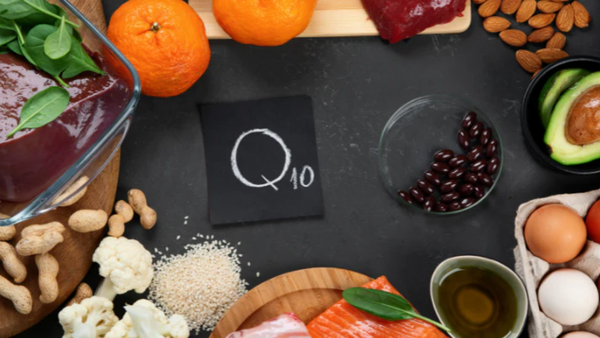
Coenzyme Q10: How the vitaminoid affects your entire body
Maybe you know this mysterious term from advertising and have wondered what it is all about. Why this alleged miracle substance - coenzyme Q10 - should also be relevant for you. We will lift the veil and explain to you in this article what Q10 actually is. is how it helps your health and why your body would simply stop functioning without this connection.
What exactly is Q10?
One substance, many names: Q10 is also known as ubiquinone (from the Latin ubique = everywhere), coenzyme Q10, UQ or ubiquinone-10. So don't be confused if you read several names for one and the same substance in this article.
But regardless of what you call it, it is always a fat-soluble molecule that is structurally similar to vitamin K or vitamin E. Our body produces Q10 from the amino acids phenylalanine and tyrosine and stores it in the mitochondria of cells - especially those of the heart, lungs or liver. However, the prerequisite is that the organism has sufficient amounts of B vitamins and vitamin E available.
There it is used to generate energy. Another advantage of ubiquinone-10: It acts as an antioxidant in the body. Harmful oxygen compounds - so-called free radicals - therefore have less chance of causing cell damage. However, the body produces less and less Q10 as we age, so supplementation makes sense.
There are studies that even suggest a connection between low Q10 levels and diseases such as diabetes, cancer or brain disorders.
In our diet, Q10 is found primarily in animal products. Fish, eggs, meat and poultry contain high amounts of this compound, while plant-based foods - with exceptions - generally have a lower coenzyme Q10 content.
IT'S WORTH READING!
AT THE END OF THE ARTICLE WE HAVE PROVIDED YOU A VOUCHER CODE.
Possible health benefits of Q10
Regardless of all the claims, advertisements and myths that can be found online about Q10, there are also many results that are scientifically valid. Here are some of them:
It could play a role in cancer prevention
You may know that oxidative stress is toxic to your body in the long term. It impairs the function of cells, damages them and, in the worst case, paves the way for more serious diseases such as cancer.
This is where the effect of ubiquinone could come into play: it protects against oxidative stress and promotes cellular energy production. A study from 1997 observed that lower Q10 levels appear to be associated with a 53.3 percent higher risk of cancer.
Ubiquinone-10 could reduce your headaches
Everyone who suffers from them fears them: migraines! They are triggered by many factors. One reason could be, for example, errors in the functioning of the mitochondria, which leads to increased calcium uptake by the cells and a higher production of free radicals - while at the same time reducing the production of antioxidants.
According to a placebo-controlled study by the University of Zurich, Q10 in its liquid form could be a preventive option for migraines.
Another study published in the Journal of Headache and Pain showed the effectiveness of a three-way combination of coenzyme Q10, vitamin B2 and high-dose magnesium.
Coenzyme Q10 could protect against heart failure
Heart weakness or insufficiency can be the result of high blood pressure and other diseases of the cardiovascular system, which can lead to inflammation and damage to the arteries and veins.
A 2014 study with 420 participants suggests that symptoms of heart failure may be reduced after two years of treatment with Q10.
Ubiquinone-10 could help with diabetes
Coenzyme Q10 could be a ray of hope for some diabetics: it is believed that it could improve insulin sensitivity and regulate blood sugar levels.
A randomized, double-blind study involving people with type 2 diabetes over 12 weeks showed that taking coenzyme Q10 was associated with lower fasting blood sugar levels and a reduction in average blood sugar levels during this period.
Ubiquinone may be good for the brain and lungs
Of all the organs, the lungs are undoubtedly the ones that come into contact with oxygen the most on a daily basis. This naturally makes them very susceptible to oxidative damage of all kinds.
A low Q10 level, in combination with oxidative damage, is suspected of leading to diseases such as asthma or chronic obstructive pulmonary disease (COPD).
Our brain is also very susceptible to oxidative damage due to its high fatty acid content and high oxygen demand. This can impair memory, cognition and physical functions.
It is possible that the properties of coenzyme Q10 could reduce these harmful compounds and thus contribute to slowing down Alzheimer's disease, for example.
Q10 could help keep skin young
Is the advertising really right? Could Q10 really keep the skin young?
As the body's largest organ and barrier to the outside world, our skin is constantly exposed to harmful influences. And these naturally contribute to aging.
In addition to internal factors, such as cell damage, there are also external factors, especially UV radiation.
A 2015 study suggests that applying Q10 directly to the skin could reduce damage and increase energy production in skin cells - and thus antioxidant protection.
Side effects and interactions of Q10
In general, dietary supplements containing coenzyme Q10 are well tolerated. If side effects do occur, they are usually only mild. Dizziness, headaches, digestive problems or sensitivity to light are just a few examples.
As far as interactions with other medications are concerned, the influence of Q10 on cholesterol-lowering statins - and vice versa - is the most important.
Statins are medications that lower cholesterol in the blood serum by inhibiting a specific enzyme.
Studies have found significant decreases of up to 50 percent in Q10 during and after treatment with statins.
However, results from another study showed that treatment with Q10 did not reduce muscle pain in people who were also taking statins to control their cholesterol levels.
Dosage: How much Q10 should you take?
Unlike other substances, our body is not able to store coenzyme Q10 well. This is one of the reasons why long-term intake is recommended.
The typical daily dose for someone who wants to increase coenzyme Q10 levels is 100 to 200 mg.
To ensure that you are getting a product that is not only free of toxic extraction residues, gelling agents such as carrageenan and nanoparticles, but also does not contain sweeteners such as aspartame, dextrose or sugar substitutes, you should look for the highest quality coenzyme Q10 capsules . You can also be sure that the ubiquinone content is correspondingly high.
Conclusion: Q10 - Not mysterious at all, but important for the body
Coenzyme Q10 is a substance without which nothing in the body would function. It is used in all cells of the body to generate energy. A deficiency in this substance can lead to a number of serious illnesses.
Although it can be absorbed through many foods and is produced by the body itself, supplementation may be necessary in some circumstances.
However, one should be aware of interactions with different medications.
AS PROMISED, YOU WILL RECEIVE A 5% VOUCHER FOR OUR COENZYME Q10 .
SIMPLY COPY THE CODE Q10+V5 AND ENTER IT AT CHECKOUT.
Click here to SHOP
[1] https://www.ncbi.nlm.nih.gov/pmc/articles/PMC5807419/
[2] https://pubmed.ncbi.nlm.nih.gov/24389208/
[3] https://pubmed.ncbi.nlm.nih.gov/26741866/
[4] https://pubmed.ncbi.nlm.nih.gov/24969860/
[5] https://pubmed.ncbi.nlm.nih.gov/22126471/
[6] https://pubmed.ncbi.nlm.nih.gov/21467235/
[7] https://pubmed.ncbi.nlm.nih.gov/9177262/
[8] https://pubmed.ncbi.nlm.nih.gov/17505263/
[9] https://pubmed.ncbi.nlm.nih.gov/24331360/
[10] https://pubmed.ncbi.nlm.nih.gov/21586650/
[11] https://pubmed.ncbi.nlm.nih.gov/15728298/
[12] https://pubmed.ncbi.nlm.nih.gov/17355497/
[13] https://www.aan.com/PressRoom/Home/PressRelease/185
[14] https://pubmed.ncbi.nlm.nih.gov/26512330/
[15] https://pubmed.ncbi.nlm.nih.gov/27012265/
[16] https://pubmed.ncbi.nlm.nih.gov/26199309/
[17] https://pubmed.ncbi.nlm.nih.gov/25282031/
[18] https://pubmed.ncbi.nlm.nih.gov/8241697/
[19] https://pubmed.ncbi.nlm.nih.gov/28811612/
[20] https://pubmed.ncbi.nlm.nih.gov/24586567/
[21] https://www.ncbi.nlm.nih.gov/pubmed/19530339
[22] https://pubmed.ncbi.nlm.nih.gov/26413493/
[23] https://pubmed.ncbi.nlm.nih.gov/16289557/
[24] https://pubmed.ncbi.nlm.nih.gov/21080098/
[25] https://pubmed.ncbi.nlm.nih.gov/16873952/
[26] https://pubmed.ncbi.nlm.nih.gov/8241703/
[27] https://pubmed.ncbi.nlm.nih.gov/9974149/
[28] https://pubmed.ncbi.nlm.nih.gov/20673763/
[29] https://pubmed.ncbi.nlm.nih.gov/18560133/
[30] https://pubmed.ncbi.nlm.nih.gov/24527317/
[31] https://pubmed.ncbi.nlm.nih.gov/26648450/
[32] https://pubmed.ncbi.nlm.nih.gov/10416055/
[33] https://pubmed.ncbi.nlm.nih.gov/16443053/
[34] https://www.ahajournals.org/doi/full/10.1161/JAHA.118.009835
[35] https://www.ahajournals.org/doi/full/10.1161/JAHA.118.009835
[36] https://www.ncbi.nlm.nih.gov/pmc/articles/PMC4298455/
[37] https://pubmed.ncbi.nlm.nih.gov/9266541/
[38] https://pubmed.ncbi.nlm.nih.gov/19096118/
[39] https://pubmed.ncbi.nlm.nih.gov/19096106/

Pregnancy: How important is proper nutrition
Especially before and during pregnancy, your own lifestyle is crucial because it naturally also influences the growing baby. Some couples are often not aware of this. We present the nutrients that the expectant mother and the baby in her belly need and say whether and which nutritional supplements are really necessary.
General recommendations
A balanced diet, physical activity, good sleep and a generally healthy lifestyle are important for fertility in general and especially for pregnancy. The following tips - aimed at the expectant mother - can be a first guide when a couple is expecting a child:
Eat fiber-rich foods
Drink enough fluids (preferably water)
Talk to your doctor about healthy weight gain during pregnancy
Avoid raw or undercooked fish, soft cheese, undercooked meat and of course alcohol
Make foods rich in protein, iron, calcium and folic acid a main part of your diet during pregnancy
Supplement important nutrients - in consultation with your doctor
Stay away from nicotine and cigarettes
Exercise moderately during pregnancy
Vegetarian or vegan diet - a problem?
Opinions are divided on how healthy a vegetarian or even vegan diet is during pregnancy. Does the unborn child need substances from animal products?
The DGE considers a vegan diet to be completely unsuitable during pregnancy. In their view, a possible lack of iron, vitamins B12 and D3, as well as a lack of calcium pose health risks for the child.
On the other hand, the American Dietetic Association (ADA) and the Dietitians of Canada (DC) are of the opinion that a well-planned vegetarian or vegan diet is fine during pregnancy, provided that regular nutritional supplements are taken to compensate for any possible nutrient deficiencies.
In any case, you should avoid malnutrition during your pregnancy, no matter what your diet is. The risks for your baby are high. Talk to your gynecologist about what you eat. Together you can decide which path is best for you.
Should I supplement? And if so, with what?
A balanced diet is the basis for a good pregnancy and healthy development of the unborn child. However, it may be advisable to supplement certain nutrients, such as folic acid.
Here is an overview of vitamins and minerals that are particularly important for you during pregnancy.
Folic acid
Vitamin B9 plays an important role in cell division and is involved in many growth and development processes in the organism.
Folic acid is the industrially synthesized form of the vitamin, while folate is the umbrella term for all compounds of this water-soluble vitamin.
In fact, folic acid is one of the nutrients with which Germans are not adequately supplied, according to the Federal Institute for Risk Assessment (BfR). [1]
For women who want to have children, it is recommended that they take 400 micrograms (μg) of folic acid per day in addition to their diet through supplements, starting 4 weeks before the planned conception. If the time period is shorter, the dose should be increased to 800 μg. [2]
One effect of higher vitamin B9 levels in the body is, for example, the reduced risk of neural tube defects. [3]
iodine
During pregnancy, the need for iodine increases. This is due to the higher basal metabolic rate in the mother's body, the larger distribution area of the nutrient and the increased renal elimination, an increased excretion of predominantly water-soluble substances via the kidneys.
Since Germany is considered a country in which iodine deficiency is very common according to the Federal Ministry of Food and Agriculture (BMEL), supplementation is advisable for pregnant women. [4]
It is recommended to take 230 - 260 μg of iodine daily. [5]
If you supplement iodine, you must also ensure you have a good supply of selenium . Otherwise, iodine can cause oxidative stress.
iron
Iron is important for the growth and development of the child's brain. During pregnancy, the amount of blood in the woman's body increases, so she needs more iron for herself and her growing baby. About 27 mg of iron per day is recommended. [6]
Red meat is considered the most important source of iron.
But there are also some meatless sources of iron. These include, for example,
Apricots
millet
Beetroot
Whole grain products
Legumes
Docosahexaenoic acid (DHA)
This polyunsaturated fatty acid, which belongs to the class of omega-3 fatty acids, is important for the development of the brain and vision of the unborn baby. As a semi-essential fatty acid, it must be ingested with food. [7]
If you don't often eat sea fish, you should take a supplement that contains long-chain omega-3 fatty acids.
Randomized controlled trials have shown that one of the health benefits of DHA is a significant reduction in the risk of preterm birth. [8]
calcium
Calcium during pregnancy may reduce the risk of preeclampsia, a serious condition that causes a sudden increase in blood pressure. [9]
If there is a deficiency, the calcium in the mother's bones can be used to build the baby's bones. In the worst case, this can lead to brittle bones (osteoporosis) in the expectant mother. [10]
Pregnant adults should consume 1000 mg of calcium per day. Pregnant teenagers (14-18 years) need about 1300 mg of calcium per day. [11]
Vitamin D
Vitamin D helps calcium build the baby's bones and teeth. Most experts agree that it is safe for pregnant women with vitamin D deficiency to take up to 2000 international units (IU) per day in the form of vitamin D supplements. [12]
However, only a small amount of vitamin D is absorbed through food. [13]
If you don't spend much time in the sun, for example because your skin type doesn't allow it, then your body can't produce enough of it in your skin.
These foods are spot on!
Whole grains
Whole grains are packed with fiber, vitamins and plant compounds, so try oats, quinoa , brown rice or barley instead of white bread, pasta and white rice.
Some whole grains, such as oats and quinoa, also contain a decent amount of protein, in addition to nutrients such as B vitamins, fiber, and magnesium . [14]
Lean meat and proteins
Lean beef, pork and chicken are excellent sources of high-quality protein. Beef and pork are also rich in iron, choline and B vitamins, which you need in larger quantities during pregnancy.
Low iron levels during early and mid-pregnancy can lead to iron deficiency anemia, which increases the risk of low birth weight and other complications. [15]
Eggs
Eggs are an incredible food because they contain almost all nutrients. One large egg contains about 80 Kcal, high-quality protein, fat and many vitamins and minerals.
They are also a great source of choline, an important nutrient during pregnancy. It supports the baby's brain development and helps prevent developmental disorders of the brain and spine.
A single whole egg contains about 147 mg of choline, bringing you closer to the recommended daily intake of 450 mg during pregnancy. [16]
Dairy products
During pregnancy, you need to consume extra protein and calcium to meet the needs of your growing baby. Dairy products contain two types of high-quality protein: casein and whey.
They are the best dietary source of calcium and provide large amounts of phosphorus, B vitamins, magnesium and zinc . Some varieties also contain probiotic bacteria that support gut health . [17]
Avocado
Avocados are high in monounsaturated fats, which gives them a buttery, rich taste - perfect for adding depth and creaminess to a dish.
They are also rich in fiber, B vitamins (especially folate), vitamin K , potassium, copper , vitamin E and vitamin C.
The healthy fats help build your little one's skin, brain and tissues, and folic acid can help prevent developmental disorders of the spine, such as spina bifida.
Potassium may also help relieve leg cramps, a side effect of pregnancy for some women. In fact, avocados contain more potassium than bananas. [18]
Legumes
This group of foods includes lentils, peas, beans, chickpeas, soybeans and peanuts.
Legumes are great plant-based sources of fiber, protein, iron, folate and calcium - all things the body needs more of during pregnancy.
Pulses are also generally very high in fiber, so if you haven't already done so, you should make pulses a regular part of your diet.
Fish
Fish is rich in essential omega-3 fatty acids , which have many important functions.
Additionally, fish is one of the few natural sources of vitamin D , which is important for bone health and immune function.
Berries
Berries contain significantly less sugar than other fruits.
Berries also contain many good things like vitamin C , fiber and antioxidants . They also have a relatively low glycemic index, so they shouldn't cause major spikes in blood sugar and are also recommended for type 2 diabetes. [19]
They're also a great snack that offers plenty of flavor and nutrients, but is relatively low in calories. Some of the best berries to eat during pregnancy include blueberries, raspberries, goji berries, strawberries, and acai berries.
Conclusion: During pregnancy there is an increased need for certain nutrients
Nothing beats a balanced, healthy diet combined with the right amount of exercise. This is especially true during pregnancy, when you have to think about your unborn child.
The right nutritional supplements will help you cover all the important nutrients for you and your baby.
However, you should always consult your doctor about dosage, safety, and possible risks and benefits. In this article we will show you how you can positively influence your fertility.
There is also a small gift waiting for you there! To the article.
[1] https://www.bfr.bund.de/de/presseinformation/2005/30/folsaeurebedarf_in_deutschland_ist_unzureichend-6844.html
[2] https://pubmed.ncbi.nlm.nih.gov/28542653/
[3] https://pubmed.ncbi.nlm.nih.gov/22102928/
[4] https://www.bmel.de/DE/themen/ernaehrung/gesunde-ernaehrung/degs-jod-studie.html
[5] https://www.bfr.bund.de/cm/350/jod-folat-folsaeure-und-schwangerschaft.pdf
[6] https://ods.od.nih.gov/factsheets/Iron-HealthProfessional/
[7] https://pubmed.ncbi.nlm.nih.gov/32918470/
[8] https://pubmed.ncbi.nlm.nih.gov/27637340/
[9] https://www.cochrane.org/CD001059/PREG_calcium-supplementation-during-pregnancy-preventing-blood-pressure-disorders-and-related-problems
[10] https://pubmed.ncbi.nlm.nih.gov/22747842/
[11] https://www.ncbi.nlm.nih.gov/pmc/articles/PMC5561751/
[12] https://www.acog.org/clinical/clinical-guidance/committee-opinion/articles/2011/07/vitamin-d-screening-and-supplementation-during-pregnancy?utm_source=redirect&utm_medium=web&utm_campaign=int
[13] https://www.ncbi.nlm.nih.gov/pmc/articles/PMC1435950/
[14] https://pubmed.ncbi.nlm.nih.gov/12740067/
[15] https://www.ncbi.nlm.nih.gov/pmc/articles/PMC4375689/
[16] https://ods.od.nih.gov/factsheets/Choline-HealthProfessional/
[17] https://pubmed.ncbi.nlm.nih.gov/29425071/
[18] https://www.ncbi.nlm.nih.gov/pmc/articles/PMC3664913/
[19] https://pubmed.ncbi.nlm.nih.gov/20978741/

Fertility: Here are the ways you can positively influence it
For couples who want to have children, the diagnosis of infertility feels like a death blow. But there is hope, because nowadays there are various options available to still have children. In this article, we explain what you can do to increase your fertility.
Infertility is not always infertility
There are precise definitions of when someone is considered infertile. In its fact sheet, the World Health Organization (WHO) states that a couple who does not become pregnant after 12 months of regular and unprotected sex at the time of ovulation is considered infertile.
In fact, in 40 percent of these cases the cause lies with the woman. In 40 percent of cases the cause lies with the man, and in 20 percent of cases the cause lies with both partners. From a medical point of view, a distinction is made between primary and secondary sterility.
Primary means that a woman has never become pregnant - despite unprotected sex - or the man has never fathered a child. Secondary sterility is when no second pregnancy occurs after a previous pregnancy.
According to the Federal Ministry for Family Affairs, Senior Citizens, Women and Youth (BMFSFJ), “almost one in ten couples in Germany between the ages of 25 and 59 are involuntarily childless.”
But what are the causes for both sexes?
IT'S WORTH READING!
AT THE END OF THE ARTICLE WE HAVE PROVIDED YOU A VOUCHER CODE.
The possible influences on female fertility
Female sterility can have various causes. Only a doctor can determine exactly which circumstances apply in each individual case. In general, however, the following factors have a major influence on fertility:
Age. From the mid-30s onwards, fertility begins to decline naturally.
Nicotine addiction increases the risk of infertility (not only for women) and may undermine the success of fertility treatment.
A Danish cohort study from 2016 showed that excessive alcohol consumption negatively affects female fertility.
Diet. A lack of iron , zinc , vitamin B12 and folic acid can reduce fertility. Women who follow a strict vegan diet in particular should ensure they have an adequate supply of these nutrients.
If the ovaries are not functioning properly, as occurs in polycystic ovary syndrome (PCOS), ovulation may not occur. This makes natural pregnancy almost impossible. A Swedish study from 2011 seems to confirm this.
In addition to these factors, obesity, poor egg quality or drug use can also have a negative impact on female fertility.
The possible influences on male fertility
A man's fertility depends primarily on the quality of his sperm. If one of the following three circumstances applies, fertilization is almost impossible:
Low sperm count. If the number of sperm in an ejaculation is less than 15 million, conception is very unlikely to occur.
Low sperm motility. The motility of sperm is a crucial factor in fertilizing the egg. If they do not swim well and do not reach the egg, fertilization does not occur.
Abnormal sperm. If the sperm have an unusual shape (morphology) that makes it difficult for them to move, fertilization of the egg becomes almost impossible.
But what influences are responsible for sperm quality?
Age. From the age of 40, male fertility begins to decline.
Excessive alcohol consumption could reduce male fertility. Moderator Alcohol consumption of no more than 250 grams per week, however, has no negative impact on sperm quality. A study with 8,000 participants even showed higher testosterone levels in men who drank moderately than in those who hardly drank any alcohol.
Overheated testicles. Often unnoticed, the ambient temperature affects the testicles. Reasons can be tight clothing, working in hot environments, sauna visits or undescended testicles.
Anabolic steroids. Long-term use of this substance, which is so popular among strength athletes and bodybuilders, can massively reduce the number and mobility of sperm.
In addition, hormonal imbalance, radiation or psychological stress can have an impact on male fertility.
Now that we have seen which factors can influence male and female fertility, the question arises: What can you do to increase your own fertility?
Ways and means to increase fertility
Relax!
A 2018 study shows that stress and fertility are linked.
Trying to get pregnant can put a lot of pressure on a couple. This naturally increases the stress level, but on the other hand means that the chances of getting pregnant decrease. A vicious circle?
No. This realization has something positive about it, especially for couples whose infertility is stress-related. In some cases, simple relaxation techniques, reducing stress or a relaxing vacation can help to increase the chances of conception.
Pay attention to fatty acids
Healthy fats are important for physical well-being in general and for fertility in particular.
The situation is different with trans fats: These unsaturated fatty acids, which are created during the industrial hardening of originally healthy vegetable oil, are associated with an increased risk of ovarian infertility due to their negative effects on insulin sensitivity.
So keep an eye on your daily fat intake.
Maintain a healthy weight
Did you know that your weight is one of the most influential factors when it comes to your fertility? An article published in the journal Frontiers in Endocrinology shows that women with a BMI over 25 often have difficulty getting pregnant.
The same applies to women with a BMI below 19: they are similarly likely to suffer from infertility.
A study published in 2018 in the Journal of Endocrinology establishes a clear link between obesity, impaired egg development, lack of ovulation and menstrual irregularities.
Pay attention to your nutrients
Vitamins and minerals such as zinc and B vitamins play a particularly important role in conception and pregnancy. Women who are unable to conceive often have a deficiency in important nutrients such as selenium , vitamins B6, B12 and vitamin D , as well as folic acid.
The German Nutrition Society, for example, recommends taking 400 μg of folic acid per day in the form of a dietary supplement for women who want to become pregnant.
Because a deficiency in folic acid during pregnancy can potentially lead to malformations in the developing embryo, this nutrient is often found at the top of the recommended nutritional list for pregnant women.
Fight oxidative stress
Antioxidants like zinc mentioned above can improve fertility in both men and women. They do this by fighting free radicals in the body that could otherwise damage eggs or sperm.
You can find antioxidants in foods such as fruits, vegetables, nuts and grains, which are packed with vitamins C and E, folic acid, beta-carotene and lutein, for example.
Of course, regardless of whether you want to have children or not, it always makes sense to include more of these healthy nutrients and foods in your daily diet.
Keep moving
We don't want to go into the whole litany of how healthy exercise is for you, don't worry. We all know that's true. But moderate exercise also has a big impact on your fertility, did you know that?
This is especially true if you are overweight, as a 2017 study showed. In particular, women whose infertility is due to PCOS (polycystic ovary syndrome) or obesity experienced increased fertility with decreasing body weight.
Of course, on the other hand, you shouldn't overdo it so that you don't put yourself under stress when it comes to sport and exercise. 30 to 60 minutes a day is okay, but more than 60 minutes can have a negative effect on your fertility.
Maintain a healthy gut
Admittedly, when it comes to fertility, the intestines are not the first thing that comes to mind. But they actually have a huge impact on our health. Did you know, for example, that the intestinal flora influences your hormone production and therefore has an impact on your fertility?
For example, if there is an imbalance in the intestine - a so-called dysbiosis - the release of an enzyme that plays a role in estrogen metabolism can be disrupted. The possible consequences: obesity, PCOS or metabolic syndrome. This is suggested by the results of a study published in the Journal of Clinical Biochemistry and Nutrition .
For the sake of your intestinal health, you should avoid sugar, processed foods, white flour and bad fats.
Conclusion: Infertility is not the end
If you are diagnosed with infertility, your dream of having your own child does not have to be over. Positive changes to your lifestyle, combined with less stress and an improved diet, can help in many cases.
When in doubt, dietary supplements can help compensate for critical nutrient deficiencies and increase fertility.
AS PROMISED, YOU WILL RECEIVE A 5% VOUCHER ON OUR Zinc , Selenium tablets , Liquid Vitamin D , Vitamin D capsules , Vitamin C and Vitamin B complex forte .
SIMPLY COPY THE CODE WUNSCH+V5 AND ENTER IT AT CHECKOUT.
Click here to SHOP
[1] https://www.who.int/news-room/fact-sheets/detail/infertility
[2] https://www.ncbi.nlm.nih.gov/pmc/articles/PMC4691969/
[3] https://www.ncbi.nlm.nih.gov/pmc/articles/PMC4691969/
[4] https://www.acog.org/womens-health/faqs/having-a-baby-after-age-35-how-aging-affects-fertility-and-pregnancy
[5] https://www.bmj.com/content/354/bmj.i4262
[6] https://pubmed.ncbi.nlm.nih.gov/28661897/
[7] https://www.ncbi.nlm.nih.gov/pmc/articles/PMC4642490/
[8] https://www.ncbi.nlm.nih.gov/pmc/articles/PMC3017326/
[9] https://www.ncbi.nlm.nih.gov/pmc/articles/PMC4691969/
[10] https://www.ncbi.nlm.nih.gov/pmc/articles/PMC3255409/
[11] https://pubmed.ncbi.nlm.nih.gov/21682835/
[12] https://pubmed.ncbi.nlm.nih.gov/24054934/
[13] https://www.ncbi.nlm.nih.gov/pmc/articles/PMC6016043/
[14] https://www.sciencedirect.com/science/article/abs/pii/S1090513806000274
[15] https://pubmed.ncbi.nlm.nih.gov/29946210/
[16] https://hms.harvard.edu/news/trans-fats-may-raise-risk-infertility
[17] https://pubmed.ncbi.nlm.nih.gov/29383942/
[18] https://www.frontiersin.org/articles/10.3389/fendo.2019.00346/full
[19] https://joe.bioscientifica.com/view/journals/joe/239/3/JOE-18-0199.xml
[20] https://pubmed.ncbi.nlm.nih.gov/17099205/
[21] https://pubmed.ncbi.nlm.nih.gov/31040736/
[22] https://pubmed.ncbi.nlm.nih.gov/26081493/
[23] https://www.dge.de/ernaehrungspraxis/bevoelkerungsgruppen/schwangere-stillende/handlungsommen-zur-ernaehrung-in-der-schwangerschaft/
[24] https://www.ncbi.nlm.nih.gov/pmc/articles/PMC2366795/
[25] https://www.ncbi.nlm.nih.gov/pmc/articles/PMC6480978/
[26] https://academic.oup.com/biolreprod/article/87/4/101,%201-8/2514205
[27] https://www.ncbi.nlm.nih.gov/pmc/articles/PMC2744625/
[28] https://www.nature.com/articles/1602904?utm_medium=affiliate&utm_source=commission_junction&utm_campaign=3_nsn6445_deeplink_PID100090071&utm_content=deeplink
[29] https://pubmed.ncbi.nlm.nih.gov/28961722/
[30] https://pubmed.ncbi.nlm.nih.gov/28035585/
[31] https://pubmed.ncbi.nlm.nih.gov/31577927/
[32] https://pubmed.ncbi.nlm.nih.gov/31636122/
[33] https://pubmed.ncbi.nlm.nih.gov/28532414/
[34] https://www.pnas.org/content/116/1/233
Tiredness and exhaustion: Which nutrients and vitamins help against it?
Healthy sleep, sufficient exercise and a balanced diet are the foundations on which your energy levels rest. However, due to various circumstances, it is not always possible to keep these three areas in balance.
Can vitamins and nutritional supplements perhaps help? We will show you which factors influence your daytime tiredness and give you the answer to this question.
But first let’s look at other reasons that could be responsible for your daytime fatigue.
IT'S WORTH READING!
AT THE END OF THE ARTICLE WE HAVE PROVIDED YOU A VOUCHER CODE.
6 possible causes for your tiredness
The answer to why you are so tired and worn out during the day cannot always be explained by a lack of sleep or a night of partying. Let's look at various reasons that could be to blame for why you are so exhausted during the day:
1. Lack of sleep and sleep disorders
Sleep deprivation and sleep disorders are more common than you might think. Of course, most of us know that the recommended amount of sleep is seven or more hours per night, as recommended by the American Academy of Sleep Medicine, for example. [1]
Of course, this doesn't work every night. But apparently it doesn't have to: A 1992 research paper, first published in the Journal of Sleep Research , shows that sleep can also occur in partial periods. This is called polyphasic sleep. [2]
But no matter how you sleep, whether monophasic or multiphasic: If your body does not get the amount it needs over a long period of time, you will sooner or later suffer from sleep deprivation, with consequences for your physical and mental performance as well as your general health.
However, there are ways and means to improve your sleep . This assumes, of course, that your lack of sleep does not have a serious medical background, such as sleep apnea.
Around two to three percent of the adult population suffer from sleep apnea. The airways narrow, which leads to breathing pauses, the latent feeling of suffocation when entering the REM phase and, of course, daytime fatigue, reduced performance and concentration. Sleep apnea also has a major impact on organ health and can lead to heart attacks or strokes. [3]
2. Diabetes
Constant tiredness is considered a symptom of diabetes, among other things. Your blood sugar level is permanently elevated because your body cells hardly or no longer respond to insulin. This increased blood sugar level can impair concentration and make you tired and more irritable, also known as “diabetes burnout.” [4]
In any case, you should investigate any unexplained, persistent fatigue, as it can also be a symptom of other, more serious conditions, such as cancer or cardiovascular disease. [5]
3. Sedentary lifestyle and obesity
Winston Churchill's oft-quoted statement "No sports" should not be a guide for you. Our bodies are designed for movement. However, our modern lifestyle often puts a stop to this fact: sitting for hours at a desk, in the car, on the train or on the sofa has led to us suffering from a variety of illnesses and symptoms. Exhaustion and tiredness are among them.
A 2014 study published in the peer-reviewed journal Medicine & Science in Sports & Exercise (MSSE) examined the extent to which an inactive and sedentary lifestyle affects the feeling of fatigue in women. The result: the women who spent less time sitting had significantly lower levels of fatigue. This suggests that increased physical activity leads to more energy and vitality. [6]
Obesity is another factor that plays a role in tiredness and exhaustion. According to the Professional Association of Pediatricians, “ even minimal exertion can lead to an overload of the cardiovascular system, which manifests itself in shortness of breath (dyspnea), rapid pulse, sweating and rapid exhaustion .” [7]
The more weight you carry around, the harder your body has to work. And of course that makes you tired.
4. Vitamin deficiency
Nutrient deficiencies could be another reason for your constant tiredness. These may include low levels of vitamin D , vitamin B-12 , iron , magnesium or potassium .
One countermeasure is to switch to a balanced, nutrient-rich diet that provides all the important vitamins and minerals.
Taking nutritional supplements can also be useful if you are unable to get certain nutrients through your diet and need to compensate for a nutrient deficiency .
5. Stress
The list of illnesses that can occur as a result of chronic stress is long: stomach problems, headaches, muscle tension, loss of libido and, of course, fatigue are just a few of them.
Originally, stress was the trigger that put our ancestors into a "flight or fight" mode. Unfortunately, this is still the case for us today. But instead of reducing the cortisol and adrenaline released by stress by running away or fighting, we simply swallow our fear or anger.
In small doses, this is relatively harmless. However, in the case of chronic or ongoing stress , it puts a strain on your body's resources and you feel permanently exhausted. [8]
6. Depression
What may seem completely absurd to you at first glance may actually be true. Depression is a creeping illness that your partner may notice in you sooner than you do.
This mental illness is coupled with a loss of energy and drive, which manifests itself in constant exhaustion and tiredness. This can lead to those affected having massive problems even getting out of bed in the morning. [9]
6 nutrients that can give you strength and energy
Now that you've learned a few reasons that could be responsible for your fatigue, the question naturally arises: what can you do? In addition to working on the causes listed above, there are some nutrients that can help you become fitter and more alert.
1.CoQ10
Coenzyme Q10 (CoQ10 or Q10 for short) is a fat-soluble molecule and antioxidant that is produced naturally by the body. It is important for energy production in cells. If there is not enough Q10 available, the deficiency can contribute to fatigue. Unfortunately, the production of this vitaminoid decreases with age, so supplementation could make sense. [10]
2. B vitamins
A deficiency in B vitamins can lead to fatigue or, in the worst case, anemia, as shown by a study by the Brain, Performance and Nutrition Research Centre at Northumbria University Newcastle. [11]
People who follow a strictly vegan or vegetarian diet should pay particular attention to a potential deficiency, especially in vitamin B12.
3. Vitamin C
There is some evidence that vitamin C may help reduce tiredness and fatigue. A 2012 Korean study published in Nutrition Journal suggests that vitamin C supplementation may reduce fatigue. [12]
4. Vitamin D
Can you believe it? Around 50 percent of the population worldwide suffers from vitamin D deficiency, according to a study published in the Journal of Pharmacology & Pharmacotherapeutics . [13]
Around 80 to 90 percent is produced through the skin - the rest is absorbed through food. A lack of vitamin D is actually linked to depression. In a Norwegian study, the symptoms of test participants suffering from depression decreased significantly after regular administration of the vitamin compared to the control group. [14]
5. Iron
As an essential mineral , iron is necessary to ensure the proper functioning of body cells. Iron deficiency is also the main cause of anemia, which is caused by a lack of the red blood pigment hemoglobin.
Because hemoglobin is responsible for transporting oxygen from the lungs to the organs, a lack of iron can lead to lack of energy, exhaustion and fatigue, according to a study published in 2011 in the journal Therapeutic Advances in Gastroenterology . [15]
6. Magnesium
Magnesium is one of the most abundant minerals in the body. It is needed for more than 300 different biochemical reactions, including muscle and nerve function, blood sugar control, and energy production. [16]
In a 2012 study published in the Journal of Research in Medical Sciences , insomnia and its associated symptoms improved after magnesium supplementation. [17]
Conclusion: Vitamins & Co. help to increase energy
There are various reasons for so-called daytime sleepiness, some of which can be eliminated by lifestyle changes, others have medical causes.
In addition to a healthy diet and plenty of exercise, the vitamins and nutrients listed above can help boost energy levels and increase overall performance, so you feel less tired during the day.
However, you should consult a doctor if you still do not feel any improvement after some time despite making lifestyle changes.
AS PROMISED, YOU WILL RECEIVE A 5% VOUCHER ON OUR Coenzyme Q10 ,Magnesium , Vitamin C, Vitamin B complex , Vitamin B complex forte , Vitamin D liquid and Vitamin D capsules.
SIMPLY COPY THE CODE ENERGIE+V5 AND ENTER IT AT CHECKOUT.
Click here to SHOP
[1] https://aasm.org/seven-or-more-hours-of-sleep-per-night-a-health-necessity-for-adults/
[2] https://onlinelibrary.wiley.com/doi/10.1111/j.1365-2869.1992.tb00020.x
[3] https://www.lungenaerzte-im-netz.de/krankenen/ Schlafstoerungen/was-ist- Schlafapnoe/
[4] https://www.ncbi.nlm.nih.gov/pmc/articles/PMC6064586/
[5] https://www.krebsinformationsdienst.de/leben/fatigue/fatigue-index.php
[6] https://pubmed.ncbi.nlm.nih.gov/23783259/
[7] https://www.kinderaerzte-im-netz.de/krankenen/ueberweight-fettsuchtadipositas/symptome-kranksbild/
[8] https://pubmed.ncbi.nlm.nih.gov/21774803/
[9] https://www.neurologen-und-psychiater-im-netz.org/psychiatrie-psychosomatik-psychotherapie/stoerungen-kranken/depressionen/kranksbild/
[10] https://www.ncbi.nlm.nih.gov/pmc/articles/PMC5807419/
[11] https://researchportal.northumbria.ac.uk/en/publications/b-vitamins-and-the-brain-mechanisms-dose-and-efficacya-review
[12] https://link.springer.com/article/10.1186/1475-2891-11-7
[13] https://www.jpharmacol.com/article.asp?issn=0976-500X;year=2012;volume=3;issue=2;spage=118;epage=126;aulast=Nair;type=0
[14] https://www.ncbi.nlm.nih.gov/pmc/articles/PMC3356951/
[15] https://journals.sagepub.com/doi/pdf/10.1177/1756283X11398736
[16] https://flexikon.doccheck.com/de/Magnesium
[17] https://pubmed.ncbi.nlm.nih.gov/23853635/


