




Latest posts
Magazine


Reduce high blood pressure naturally: Micronutrients
High blood pressure is widespread. In the long term, it is very dangerous because it damages the blood vessels and thus drastically increases the risk of a heart attack. Since high blood pressure usually causes no symptoms, it often goes unnoticed and is therefore also known as the "silent killer".
High blood pressure is traditionally treated with medications such as beta-blockers, ACE inhibitors and angiotensin receptor blockers. However, many nutrients are also involved in blood pressure regulation. These nutrients are often deficient in high blood pressure.
IT'S WORTH READING:
AS A SMALL GIFT, WE HAVE CREATED A DISCOUNT CODE FOR YOU. YOU CAN FIND IT AT THE END OF THE BLOG POST.
Potassium
Potassium is a key mineral in the natural regulation of blood pressure. It is the counterpart of sodium, which is part of table salt. Too high a concentration of sodium in the blood causes blood pressure to rise. A good supply of potassium, on the other hand, counteracts this. [1] Potassium also promotes the excretion of sodium via the kidneys. Potassium deficiency is therefore a major risk factor for high blood pressure.
Magnesium
Magnesium is important for relaxing muscles. In a similar way, it also promotes relaxation of vascular muscles, which allows blood vessels to expand further. This lowers blood pressure naturally.
The blood pressure lowering effect of magnesium has been well researched. [2] Since magnesium deficiency is already very common, a magnesium supplement can be useful for high blood pressure.
Arginine
The body can produce nitric oxide (NO) from the amino acid arginine. NO has a vasodilating effect and is an important molecule in the regulation of blood pressure. If not enough NO can be produced, high blood pressure can easily occur. A dietary supplement with arginine can naturally lower blood pressure. [3]
Taurine
Taurine is an amino acid-like compound and is known to be important for heart function. But taurine also appears to have a natural blood pressure lowering effect, presumably by improving the excretion of fluid via the kidneys.
Vitamin D
A vitamin D deficiency is strongly associated with high blood pressure. [4] At the same time, a vitamin D deficiency is very widespread in Germany.
Vitamin D is important for inhibiting the blood pressure hormone renin. [5] Vitamin D also controls the concentration of electrolytes in the blood, thereby also contributing to blood pressure regulation.
Omega-3 fatty acids
It is not exactly understood how omega-3 fatty acids lower blood pressure. The effect seems to be rather indirect through several mechanisms. Omega-3 fatty acids are important for vascular health and can also reduce many risk factors associated with high blood pressure. [6] They have an anti-inflammatory effect and people who are well supplied with omega-3 fatty acids have a lower risk of heart attack - a common consequence of chronically high blood pressure. [7]
Vitamin C and coenzyme Q10
Vitamin C and coenzyme Q10 are a powerful duo when it comes to regulating blood pressure. Coenzyme Q10 promotes the formation of NO, which is important for vasodilation. [8] Vitamin C, on the other hand, improves the effect of NO. [9]
In addition, both are antioxidants that protect the blood vessels from oxidative damage caused by free radicals. Thus, they indirectly contribute to healthy blood pressure and also help to minimize the damage caused by high blood pressure.
Conclusion: Micronutrients – key players in blood pressure regulation
Blood pressure regulation is a finely tuned interaction of many factors. Electrolytes such as potassium and sodium are two key minerals. But vitamin D, taurine, arginine and antioxidants are also involved in the regulation of blood pressure. It is therefore not surprising that a sufficient intake of these nutrients can improve blood pressure regulation and help to lower blood pressure naturally. In many cases, the dose of blood pressure medication can be reduced. Of course, this should only be done in consultation with the treating doctor.
As promised, you will receive a 5% voucher on the following products:
Vitamin C , Coenzyme Q10 , Potassium ,Magnesium , Taurine , Vitamin D (capsules) , Zinc
Simply copy the code BLUTDRUCK+V5 and enter it at checkout.
To the products!
[1] https://www.ncbi.nlm.nih.gov/pmc/articles/PMC4816263/
[2] https://pubmed.ncbi.nlm.nih.gov/28476161/
[3] https://pubmed.ncbi.nlm.nih.gov/22137067/
[4] https://pubmed.ncbi.nlm.nih.gov/17372031/
[5] https://pubmed.ncbi.nlm.nih.gov/29848497/
[6] https://pubmed.ncbi.nlm.nih.gov/27692558/
[7] https://pubmed.ncbi.nlm.nih.gov/26829184/
[8] https://pubmed.ncbi.nlm.nih.gov/19821418/
[9] https://pubmed.ncbi.nlm.nih.gov/22492364/

Dietary supplements for Hashimoto: These nutrients can support treatment
Hashimoto's thyroiditis is an autoimmune disease that affects the thyroid gland. As a result of Hashimoto's, the thyroid gland becomes underactive, which is characterized by a lack of energy and motivation, fatigue, weight gain and sensitivity to cold.
Approximately 4-8 million people are affected by this in Germany. [1]
Hashimoto's is considered incurable in conventional medicine and patients usually have to take medication for life. However, there are a number of things that can be done to limit the breakdown of thyroid tissue and even partially regenerate it. Diet and a good supply of essential nutrients play an important role here.
In the classic treatment of Hashimoto, thyroid hormones (such as L-thyroxine) are usually used. Although these can compensate for the hypothyroidism and alleviate many symptoms, they unfortunately do not prevent the destruction of the thyroid tissue.
Nutrients can have a very good complementary effect here. They can support the function of the thyroid and help keep autoimmune reactions in check.
IT'S WORTH READING:
AS A SMALL GIFT, WE HAVE CREATED A DISCOUNT CODE FOR YOU. YOU CAN FIND IT AT THE END OF THE BLOG POST.
Selenium
Selenium is important for the formation and function of thyroid hormones. Selenium also scavenges free radicals that can damage the thyroid and helps protect the organ from harmful autoimmune reactions. [2] It is particularly important to ensure a good supply of selenium when taking iodine supplements (a controversial topic in Hashimoto's disease).
Since Germany is a selenium-deficient area, many Germans do not have an adequate supply of selenium. Supplementation can therefore be useful for many people, even regardless of Hashimoto. However, selenium is toxic in high doses. It is therefore advisable to have your selenium status checked regularly. The risk of overdose is significantly lower with sodium selenite than with selenomethionine. If you supplement selenium "blindly" without measuring selenium beforehand, sodium selenite is the better choice.
Iodine
Iodine is part of the thyroid hormones and is therefore of fundamental importance for the function of the thyroid. [3] People with Hashimoto's are often warned against taking iodine supplements. The reason for this is that iodine promotes the formation of free radicals in the thyroid and can therefore cause additional damage to the thyroid tissue. Nevertheless, iodine is an essential nutrient - even for people with Hashimoto's. Before supplementing with iodine, however, other nutrients should first be replenished, especially selenium.
Zinc
Zinc is known to be important for the immune system. But zinc is also very important for the function of thyroid hormones. [4] In autoimmune diseases, there is also an increased need for zinc.
Vitamin D
Vitamin D is also important for the immune system. At the same time, it has an immune-regulating effect and thus helps to keep chronic inflammation in check. That is why people with autoimmune diseases should always ensure they have a good supply of vitamin D. But vitamin D is also important for the function of the thyroid: it is important for binding thyroid hormones to the cells. [5]
Magnesium
Magnesium is involved in an incredible number of processes in the body. That is why it is also known as the master mineral. Unfortunately, magnesium is often neglected in the diet and a deficiency is widespread.
Magnesium is also important for the function of thyroid hormones. [6] Magnesium also promotes the absorption of vitamin D.
Iron
Iron is needed for the production of thyroid hormones. Iron deficiency is particularly common among women. [7]
Vitamin A
Vitamin A is important for thyroid function. Vitamin A supplementation can lower TSH levels. [8]
However, vitamin A should not be supplemented “blindly” as it is toxic in high doses. This can be particularly dangerous during pregnancy.
Omega-3
Omega-3 fatty acids have anti-inflammatory effects. They can therefore reduce inflammatory reactions caused by the autoimmune process. [9]
B vitamins
B vitamins are very important for energy metabolism. Thyroid hormones, in turn, regulate energy metabolism. However, this cannot function optimally if essential nutrients are lacking. [10]
People with Hashimoto also have an increased risk of deficiency in B vitamins, especially vitamin B12 .
Conclusion: Nutrients can support Hashimoto treatment
Nutrients can effectively support the treatment of Hashimoto. However, the nutrient status should be checked regularly to avoid overdose. High doses often have to be used to achieve good effectiveness. This should be done in collaboration with an experienced therapist or alternative practitioner.
As promised, you will receive a 5% voucher on the following products:
Vitamin B complex , vitamin b complex forte , vitamin b12 , Magnesium , Vitamin D (capsules) , Zinc , Selenium tablets , Iodine from organic kelp , Omega-3
Simply copy the code HASHI+V5 and enter it at checkout.
To the products!
[1] https://pubmed.ncbi.nlm.nih.gov/15671771/
[2] https://pubmed.ncbi.nlm.nih.gov/1384621/
[3] https://www.ncbi.nlm.nih.gov/pmc/articles/PMC4049553/
[4] https://pubmed.ncbi.nlm.nih.gov/17541266/
[5] https://www.nature.com/articles/ejcn2014265
[6] https://www.ncbi.nlm.nih.gov/pmc/articles/PMC6028657/
[7] https://pubmed.ncbi.nlm.nih.gov/11099370/
[8] https://pubmed.ncbi.nlm.nih.gov/23378454/
[9] https://pubmed.ncbi.nlm.nih.gov/12480795/
[10] https://journals.sagepub.com/doi/pdf/10.1177/147323000703500301

Adrenal insufficiency: These vital substances can support the adrenal glands during stress
Chronic stress can lead to adrenal insufficiency: the adrenal glands no longer produce sufficient stress hormones and as a result you are no longer able to cope with the challenges of everyday life.
Here you can find out which vital substances can support the adrenal glands and the stress response.
IT'S WORTH READING:
AS A SMALL GIFT, WE HAVE CREATED A DISCOUNT CODE FOR YOU. YOU CAN FIND IT AT THE END OF THE BLOG POST.
What is adrenal fatigue?
The adrenal glands are hormone-producing glands located above the kidneys. They produce hormones that are important for the stress response, such as cortisol, aldosterone and adrenaline.
In adrenal insufficiency, the function of the adrenal glands is impaired and they no longer produce enough hormones. Adrenal insufficiency is usually caused by chronic stress: the adrenal glands become exhausted.
How do you recognize adrenal insufficiency?
When you have adrenal insufficiency, your body no longer reacts properly to all of life's challenges. Even everyday things become a major challenge. Adrenal insufficiency typically manifests itself in exhaustion, listlessness, dizziness, tiredness, difficulty concentrating, low stress resistance, depression and sleep disorders.
In conventional medicine, adrenal insufficiency is not a recognized disease and there is no test that can clearly diagnose adrenal insufficiency. For this reason, diagnosis is not easy. However, the level of various hormones and the cortisol level over the course of the day provide important clues to adrenal insufficiency. The cortisol level is normally high in the morning and falls over the course of the day. In adrenal insufficiency, this typical pattern is no longer recognizable.
Treatment of adrenal insufficiency
In the case of adrenal insufficiency, stress triggers should first be identified and eliminated as best as possible.
In addition, various vital substances can support the adrenal glands and at the same time make the body more resistant to stress.
B vitamins
B vitamins are also known as nerve vitamins because they support nerve function in various ways. When we are under chronic stress, our nerves are on edge. Unfortunately, in such a situation we usually do not reach for healthy nerve food , but rather for sweets and other unhealthy snacks. However, these are not only very low in nutrients, they also deprive the body of important nutrients that it so urgently needs in stressful situations.
Vitamin B1 can support the body’s stress response and lower cortisol levels.
Niacin (vitamin B3) is important for energy metabolism and thus supports the energy supply of nerve cells. It is also involved in the production of cortisol and aldosterone.
Pantothenic acid (vitamin B5) supports the adrenal gland in the production of cortisol. A deficiency in vitamin B5 can therefore weaken the adrenal gland. [1]
Vitamin B6 is important for the production of important neurotransmitters such as GABA, dopamine and serotonin.
Vitamin B12 can help normalize hormone production.
Learn more about B vitamins
magnesium
Magnesium can reduce the release of stress hormones such as adrenaline and noradrenaline. [2] However, when you are stressed, your need for magnesium is increased, so a deficiency can easily occur.
Vitamin C
Vitamin C is involved in the production of many hormones that are important for the stress response. Vitamin C also helps to reduce oxidative stress, which occurs more frequently when there is high stress. At the same time, when there is stress, there is an increased need for vitamin C and this important vitamin can easily be lacking. [3]
Vitamin D
Vitamin D is also involved in the production of hormones, such as the happiness hormone serotonin. A lack of vitamin D is associated with depression and anxiety. [4] Vitamin D therefore probably helps to improve mood when you are stressed.
Omega-3 fatty acids
Omega-3 fatty acids are particularly valuable in times of stress. They are a component of nerve cell membranes and are therefore of great importance for the function and health of nerve cells. There is also evidence that they can help with depression and are important for mood. [5]
Tryptophan
Tryptophan is an amino acid, a protein building block. Tryptophan is one of the rarest amino acids and is therefore easily lacking in the diet. The amino acid is a precursor to the happiness hormone serotonin. It is therefore important for mood and probably ensures that one can better withstand psychological strain caused by stress. [6]
Conclusion: Vital substances can effectively support the adrenal gland
Adrenal insufficiency is usually caused by chronic stress. Various vital substances such as magnesium, vitamin D, vitamin C, omega-3 fatty acids, B vitamins and tryptophan can support the stress response and make the body more resistant to stress. At the same time, stress increases the need for some of these vital substances, so they can easily be lacking in chronic stress.
As promised, you will receive a 5% voucher on the following products:
Vitamin B complex , Vitamin b complex forte , Magnesium , Vitamin C , Vitamin D liquid , L-Tryptophan , Omega-3
Simply copy the code NIERE+V5 and enter it at checkout.
To the products!
[1] https://www.jstage.jst.go.jp/article/bpb/31/6/31_6_1205/_pdf/-char/en
[2] https://www.ncbi.nlm.nih.gov/pmc/articles/PMC5452159/
[3] https://pubmed.ncbi.nlm.nih.gov/11862365/
[4] https://pubmed.ncbi.nlm.nih.gov/29649128/
[5] https://pubmed.ncbi.nlm.nih.gov/23390041/
[6] https://pubmed.ncbi.nlm.nih.gov/11862365/
Histamine intolerance: causes, symptoms & treatment
Histamine intolerance affects approximately 1% of the population. Those affected are sensitive to histamine and develop allergy-like symptoms after eating foods rich in histamine.
However, avoiding foods that contain histamine is very difficult to achieve in the long term. However, there are promising treatment approaches that can help to get the disease under control.
IT'S WORTH READING!
AT THE END OF THE ARTICLE WE HAVE PROVIDED YOU A VOUCHER CODE.
What is histamine intolerance?
Histamine is a messenger substance produced by the body that controls inflammatory and defense processes, as well as gastrointestinal movements. Histamine is found in many foods, such as meat, fish, dairy products, cheese and red wine. The body can also produce histamine itself.
Histamine intolerance is caused by an imbalance between the formation and breakdown of histamine. The body has problems breaking down histamine. As a result, people with histamine intolerance are sensitive to foods rich in histamine. [1]
Causes of histamine intolerance
The body breaks down histamine using two different enzymes: histamine N-methyltransferase (HNMT) and diamonioxidase (DAO). It is believed that in people with histamine intolerance, DAO is not active enough.
There can be various reasons for the DAO enzyme not being active enough. Scientists suspect that genetics influence the enzyme's activity. It is also suspected that in Crohn's disease, not enough DAO enzyme is produced. Crohn's disease is therefore strongly associated with histamine intolerance.
Some medications, such as blood pressure medication and antidepressants, can also reduce the activity of the enzyme. Fermented foods, on the other hand, contain biogenic amines that can inhibit the breakdown of histamine.
Symptoms: How to recognize histamine intolerance
Since histamine activates inflammation, histamine intolerance leads to allergy and flu-like symptoms. Headaches and gastrointestinal complaints are also typical. Itching, redness of the face, rashes, watery eyes and a runny nose can also occur.
Treatment of histamine intolerance
If you have histamine intolerance, avoiding histamine in food can help relieve symptoms. However, since histamine is found in almost all foods, this is a big challenge.
There are also antihistamines that block histamine receptors and thus inhibit the effects of histamine.
In addition, the DAO enzyme can be taken in capsule form, which makes histamine-rich foods better tolerated.
Nutritional therapy for histamine intolerance
Nutrients can effectively support the treatment of histamine intolerance. Some nutrients can help to lower histamine levels by activating the DAO enzyme. This allows the body to break down histamine better and the symptoms are less severe.
These include vitamin C and vitamin B6, for example. Vitamin C is important for the function of the DAO enzyme. Therefore, it is not surprising that when vitamin C levels are low, the histamine level in the blood increases. [2]
Vitamin B6 supports the breakdown of histamine in a similar way. [3] The combination of vitamin C and vitamin B6 is particularly effective in histamine intolerance.
Calcium can also help with histamine intolerance. However, the mechanism is slightly different here. Calcium was used to relieve allergy symptoms before the introduction of antihistamines. It seems to limit the damage caused by high histamine levels by sealing blood vessel walls. This prevents large amounts of histamine from entering the tissue. This can relieve itching, rashes and redness. [4]
Conclusion: Nutrients can effectively support the treatment of histamine intolerance
Histamine fulfils important functions in the body. However, problems arise when it cannot be broken down sufficiently. In addition to a low-histamine diet, antihistamines and the intake of DAO enzyme, certain micronutrients can effectively support the treatment of histamine intolerance. Vitamin C and vitamin B6 are important for the function of the DAO enzyme. Calcium, on the other hand, helps to limit the damage caused by histamine.
WE HAVE PROVIDED YOU WITH A 5 % VOUCHER FOR OUR Vitamin B complex forte , Vitamin C and Calcium AND HOPE TO MAKE YOU PLEASANT WITH IT.
SIMPLY COPY THE COUPON CODE HISTAMIN+V5 AND ENTER IT AT CHECKOUT.
To the products
[1] https://www.thieme-connect.com/products/ejournals/abstract/10.1055/s-0034-1367613
[2] https://pubmed.ncbi.nlm.nih.gov/7365537/
[3] https://pubmed.ncbi.nlm.nih.gov/3098085/
[4] https://pubmed.ncbi.nlm.nih.gov/7865873/
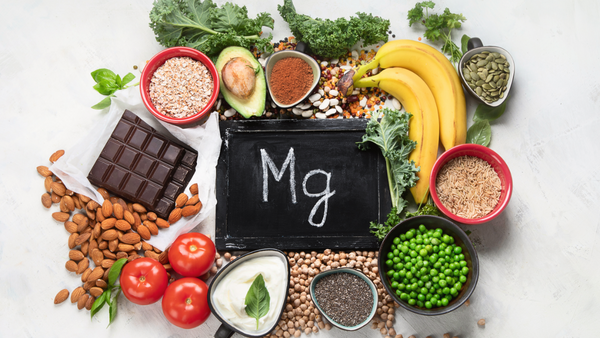
Magnesium thieves: medications, stimulants & more
Magnesium is an essential mineral that plays a very central role in metabolism. It is involved in over 300 enzyme reactions and is therefore also known as the master mineral. Magnesium is particularly important for nerve and muscle function and for maintaining bones.
Unfortunately, magnesium is often not enough in the diet. On average, women only consume 200 mg per day, men 250 mg. [1] The daily requirement is 300 - 400 mg, depending on age and gender. [2]
In addition, there are many magnesium thieves that further increase the need for magnesium. Therefore, it is not surprising that magnesium deficiency is widespread. Typical symptoms of magnesium deficiency are muscle cramps, tension and twitching, sleep problems and high sensitivity to stress.
Here we present the 5 biggest magnesium thieves.
IT'S WORTH READING!
AT THE END OF THE ARTICLE WE WOULD LIKE TO GIVE YOU A LITTLE JOY WITH A VOUCHER!
1) Medicines
Medications can rob the body of magnesium in various ways.
Some medications affect the pH level in the digestive tract. For example, proton pump inhibitors, also known as acid blockers, increase the pH level in the stomach, making it less acidic. Proton pump inhibitors are used to treat heartburn.
Unfortunately, the increased pH value reduces the solubility of magnesium compounds, which means they are not absorbed as well.
Other medications act on magnesium transporters, which are important for the absorption of magnesium into the cells. These include diuretics, which are also known as water-removing agents. Thiazides, which contain the active ingredient hydrochlorothiazide, are often used to treat high blood pressure. They promote the excretion of magnesium via the kidneys. [3]
Medications pose a risk to magnesium levels especially when they are used over a long period of time, i.e. for many months or even years.
2) Hormone preparations
Hormone preparations, especially the contraceptive pill, also rob magnesium. The hormones promote magnesium excretion. The risk of magnesium deficiency is particularly high here, as many women take the pill for many years. [4]
3) Luxury goods
Unfortunately, stimulants such as coffee, tea and alcohol are also major magnesium thieves. Coffee has a dehydrating effect and therefore promotes the excretion of not only magnesium, but also other minerals such as phosphorus, potassium and sodium. [5]
4) Sports
Sport is of course very healthy. But sport also represents a physical strain that increases the need for magnesium. In addition, sweating during sport causes large amounts of magnesium and other minerals to be excreted through the skin. [6]
In our article about micronutrients in sport , you will learn which nutrients you should pay particular attention to if you do a lot of sport.
5) Stress
When stressed, the body performs at its best. Stress hormones are also released. Magnesium increases stress resilience, but stress also uses up a lot of magnesium. [7] Stress also promotes sweating, which also causes more magnesium to be excreted. Stress therefore increases the need for magnesium in various ways.
In another article you will learn how you can strengthen yourself with nerve food during stressful times.
Conclusion: Magnesium thieves are everywhere
Nowadays, magnesium thieves are lurking everywhere. You can't always avoid them and it's not necessarily necessary. But it's important to know that they exist. Because a magnesium deficiency is easy to avoid. If you suspect a deficiency, you should check your magnesium status. Ahigh-quality magnesium supplement helps to prevent or correct a deficiency.
AS PROMISED, YOU WILL RECEIVE A 5% VOUCHER ON OURMAGNESIUM .
SIMPLY COPY THE CODE MAGNESIUM+V5 AND ENTER IT AT CHECKOUT.
Click here for Ma gnesium
[1] https://www.kup.at/kup/pdf/1046.pdf
[2] https://www.dge.de/forschung/referenzwerte/magnesium/
[3] https://www.ncbi.nlm.nih.gov/pmc/articles/PMC6539869/
[4] https://pubmed.ncbi.nlm.nih.gov/23852908/
[5] https://www.iiste.org/Journals/index.php/FSQM/article/view/15023
[6] https://pubmed.ncbi.nlm.nih.gov/17172008/
[7] https://www.ncbi.nlm.nih.gov/books/NBK507250/
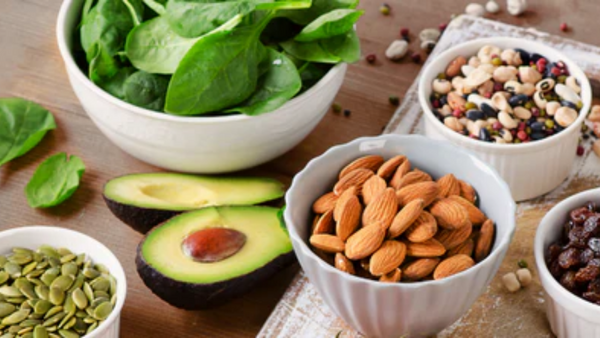
The most potassium-rich foods: How to meet your needs
Potassium is an essential mineral that we must consume through our diet. It is the counterpart of sodium and therefore plays a central role in the regulation of blood pressure. Potassium is also needed for signal transmission in nerve cells.
You can learn more about this important nutrient in our detailed article on potassium .
IT'S WORTH READING!
AT THE END OF THE ARTICLE WE WOULD LIKE TO GIVE YOU A LITTLE JOY WITH A VOUCHER!
Potassium requirement
According to the German Nutrition Society (DGE), the daily requirement of potassium is 4000 mg. Breastfeeding women have an increased requirement of 4,400 mg. [1]
Here is a list of the 10 foods richest in potassium:
1. White beans
Beans and other legumes are among the best sources of potassium. White beans, for example, provide 558 mg per 100 g.
In addition, they contain plenty of vitamin B1 and folic acid and are good sources of numerous minerals such as iron, magnesium, zinc , copper and manganese. [2] For vegans, legumes are also an important source of protein.
2. Pistachios
Pistachios are not only a delicious snack but also very healthy! They provide 1025 mg of potassium per 100 g. They are also rich in vitamin B1 and vitamin B6, as well as the minerals magnesium, copper and manganese. [3] So you are doing yourself a favor if you choose pistachios instead of chips and chocolate.
3. Flaxseed
Flaxseeds are known as a local superfood for good reason. They not only provide plenty of healthy fiber but also lots of B vitamins (especially vitamin B1, vitamin B6 and folic acid) and magnesium. They also provide a whopping 813 mg of potassium per 100 g. [4] So there are many good reasons to include flaxseeds in your diet more often. They go well in bread, muesli, yogurt and salad.
4. Almonds
Almonds are also a good source of potassium: they provide 705 mg per 100 g. Almonds also provide plenty of vitamin E and vitamin B2 and are rich in magnesium and manganese. [5] Almonds are also a very healthy snack. They taste particularly good when roasted.
5. Squid
Unfortunately, squid is not for everyone, but it is a valuable source of many vitamins and minerals. Not only does it contain 637 mg of potassium per 100 g, but it also provides plenty of vitamin B2, vitamin B12 , iron, copper and selenium. [6] Aren't these many good reasons to try squid?
6. Avocado
Avocados provide 485 mg per 100 g, so they are also a good source of potassium. Avocados are also very rich in vitamin K and folic acid. You can eat them plain or add a little salt, pepper and lemon juice to make a delicious guacamole. [7]
7. Pork
Meat also provides considerable amounts of potassium. Pork, for example, contains
489 mg per 100 g. Even though pork doesn't have the best reputation, it still provides many other valuable nutrients such as vitamin B1, vitamin B3 and vitamin B6, as well as the minerals phosphate and selenium . [8] But of course you should pay attention to the quality of pork. By eating meat from species-appropriate animal husbandry, you are not only doing something good for the animal, but also for yourself.
8. Sweet potatoes
Sweet potatoes contain 475 mg of potassium per 100 g. They are also an excellent source of vitamin A, vitamin C and manganese. [9] Sweet potatoes taste good as fries or in soup.
9. Potatoes
Potatoes are also a relatively good source of potassium: they provide 421 mg per 100 g. The good old potato is also rich in vitamin C and vitamin B6. [10] It is very versatile and tastes good boiled, fried or baked.
10. Bananas
Bananas have a reputation for being particularly rich in potassium. In fact, they contain comparatively little potassium, with 358 mg per 100 g. But they still manage to make it to number 10.
Bananas are also a good source of vitamin C, vitamin B6 and manganese.
Conclusion: Most foods contain little potassium
Although potassium is found in many foods, they usually only provide a small portion of the daily requirement. Legumes, nuts and seeds, as well as avocados are among the best sources. A high-quality dietary supplement can help meet potassium requirements.
AS PROMISED, YOU WILL RECEIVE A 5% VOUCHER ON OUR KALIUM .
JUST COPY THE CODE KALIUM+V5 AND ENTER IT AT CHECKOUT.
Click here for potassium
[1] https://www.dge.de/forschung/referenzwerte/kalium/
[2] Beans, white, ripe seeds, raw Nutrition Facts & Calories (self.com)
[3] Nuts, pistachio nuts, raw Nutrition Facts & Calories (self.com)
[4] Seeds, flaxseed Nutrition Facts & Calories (self.com)
[5] Nuts, almonds [Includes USDA commodity food A256, A264] Nutrition Facts & Calories (self.com)
[6] Mollusks, cuttlefish, mixed species, cooked, moist heat Nutrition Facts & Calories (self.com)
[7] Avocados, raw, California Nutrition Facts & Calories (self.com)
[8] Pork, fresh, enhanced, loin, top loin (chops), boneless, separable lean only, raw Nutrition Facts & Calories (self.com)
[9] Sweet potato, cooked, baked in skin, without salt [Sweetpotato] Nutrition Facts & Calories (self.com)
[10] Potato, flesh and skin, raw Nutrition Facts & Calories (self.com)
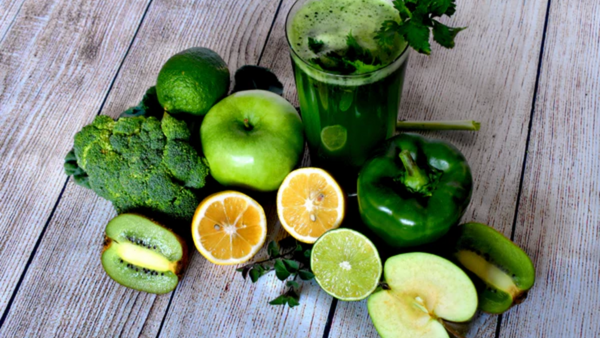
Detoxify the body: These nutrients promote detoxification
Nowadays we are exposed to many pollutants such as heavy metals, fine dust, pesticides, herbicides and many other chemicals. They are found in food, in the air, in water, in packaging and cosmetics. And our bodies also produce many toxic metabolic products every day that we need to detoxify.
The body has many detoxification mechanisms. The problem is that it needs a lot of nutrients to detoxify. Not only are we exposed to more and more pollutants these days, but the nutrient density of food is also decreasing. As a result, the body often does not have enough nutrients to effectively get rid of toxins.
IT'S WORTH READING!
AT THE END OF THE ARTICLE WE HAVE PROVIDED YOU A VOUCHER CODE.
Detoxify the body with nutrients
Diet plays an essential role in detoxification. It provides many nutrients that are important for detoxification. Nutrients support detoxification in various ways:
During detoxification, nutrients are also eliminated along with the toxins. This is especially true for detoxification treatments and chelation therapies for heavy metal detoxification. It is therefore important to ensure a particularly good supply of nutrients before and during a detoxification treatment.
Many nutrients are involved in detoxification processes. For example, the detoxification enzymes in the liver require a number of nutrients to function properly.
Many nutrients can bind nutrients and thus have a detoxifying effect.
Vitamin C
Vitamin C is a powerful antioxidant that protects against free radicals. It therefore helps to reduce oxidative stress that occurs during detoxification processes.
In addition, vitamin C activates liver enzymes that are involved in the detoxification process in the liver. [1]
Vitamin C also promotes lead detoxification and a good supply of vitamin C reduces lead toxicity. [2]
secondary plant substances
Secondary plant substances such as polyphenols, terpenes and alkaloids have an antioxidant effect. They can reinforce each other's effects and also influence the effectiveness of vitamin C. Flavonoids, for example, support the effectiveness of vitamin C. [3] Secondary plant substances are found in fruit and vegetables. Intense colors such as in berries, peppers and beetroot indicate a high content of secondary plant substances.
Curcumin
Curcumin is an ingredient in curcuma , a South Asian ginger plant also known as turmeric. Curcumin has cancer-preventing properties. It can also reduce inflammation and promotes the detoxification process. [4]
The detoxifying effect is due to the fact that curcumin is very bitter. This stimulates the production of stomach acid and digestion. It also stimulates the production of bile, which increases the excretion of toxins.
Alpha-lipoic acid
Alpha-lipoic acid is a sulfur-containing fatty acid. It is used in the treatment of diabetic neuropathy, but can also effectively support the detoxification process.
Alpha-lipoic acid serves as a coenzyme in numerous metabolic processes. It also acts as an antioxidant that helps fight free radicals. It can regenerate used antioxidants such as vitamin E, vitamin C, coenzyme Q10 and glutathione. Alpha-lipoic acid is found in meat and also in some vegetables. Alpha-lipoic acid is also available as a dietary supplement that requires a prescription.
Vitamin E
Vitamin E is a fat-soluble vitamin. It is also an antioxidant and is therefore an effective radical scavenger.
Vitamin E is important for the absorption of selenium and can enhance its antioxidant functions. Vitamin E is also involved in the detoxification of heavy metals, such as mercury. [5]
N-acetylcysteine and MSM
Cysteine is an amino acid that the body can produce to a limited extent from the amino acids methionine and serine.
Cysteine can form complexes with heavy metals, allowing them to be excreted. Cysteine is usually used in the form of N-acetyl-cysteine.
Cysteine and MSM (methylsulfonylmethane) both contain sulfur groups that help regenerate glutathione. [6] , [7] Glutathione is an antioxidant and a key detoxification molecule.
selenium
Selenium is important for the thyroid and has central functions in energy metabolism. It also plays an important role in glutathione metabolic pathways, thereby supporting detoxification.
Selenium can also bind heavy metals such as mercury, making them easier to detoxify. [8]
zinc
Zinc is a component of many enzymes and has antioxidant properties. It is also involved in the glutathione signaling pathway, which makes it an effective detoxification aid. [9]
iodine
Iodine supports detoxification by binding heavy metals and forming complexes with many pollutants.
Other elements of nutrition
Dietary fiber promotes detoxification by stimulating liver and gall bladder function. It also binds toxins in the intestines, making them easier to eliminate.
Vegetables, especially green leafy vegetables, can also promote detoxification. The green color is due to the plant pigment chlorophyll, which can bind many pollutants. This is why the microalgae chlorella is so popular for detoxification.
Conclusion: Nutrients are essential detoxification aids
The body needs a lot of nutrients to detoxify effectively. A high level of toxicity therefore deprives the body of nutrients. If the diet does not provide enough nutrients, deficiencies can arise. A targeted intake of certain vitamins, minerals and secondary plant substances can effectively support detoxification.
WE HAVE YOU A 5 % VOUCHER FOR OUR Vitamin C , Turmeric , Coenzyme Q10 , MSM , Iodine from organic Kelp , Zinc & Copper and Selenium Tablets PROVIDED AND HOPE TO BRING YOU JOY WITH IT.
SIMPLY COPY THE COUPON CODE ENTGIFTEN+V5 AND ENTER IT AT CHECKOUT.
To the products
[1] https://www.scirp.org/journal/paperinformation.aspx?paperid=102322
[2] https://www.ncbi.nlm.nih.gov/pmc/articles/PMC3875841/
[3] https://pubmed.ncbi.nlm.nih.gov/30044505/
[4] https://pubmed.ncbi.nlm.nih.gov/20229497/
[5] http://www.foodsciencejournal.com/archives/2017/vol2/issue3/2-3-25
[6] https://www.nature.com/articles/srep30033
[7] https://pubmed.ncbi.nlm.nih.gov/21899544/
[8] https://pubmed.ncbi.nlm.nih.gov/1304229/
[9] https://pubmed.ncbi.nlm.nih.gov/7241230/

HPU – the underestimated metabolic disorder
HPU is a widespread metabolic disorder that, unfortunately, many doctors, therapists and alternative practitioners know little about.
Diagnosing HPU is the biggest hurdle. Because once HPU is confirmed as the cause of the symptoms, HPU can be treated very well with simple means.
Here you will learn what HPU is, what causes it and what successful therapy looks like.
IT'S WORTH READING!
AT THE END OF THE ARTICLE WE WOULD LIKE TO GIVE YOU A LITTLE JOY WITH A VOUCHER!
What is HPU?
HPU stands for hemopyrrollactamuria and is a widespread metabolic disorder.
In short, HPU causes problems in the production of heme. Heme forms the center of hemoglobin, the red blood pigment. Heme binds oxygen and is responsible for the oxygen supply.
In people with HPU, in addition to the normal, functional heme, a defective heme is also produced, known as hydroxyhemopyrrole-2-1. This defective heme must be excreted in the urine, for which the body needs vitamin B6, zinc and also some manganese. As a result, people with HPU have an increased need for these nutrients and a deficiency can easily occur.
An estimated 10% of women and 1% of men are affected by HPU. [1]
HPU causes
Since HPU occurs frequently in families, it is strongly assumed that this metabolic disorder is genetic.
It is suspected that there are also acquired forms; that is, that HPU can also be triggered or exacerbated by certain environmental factors.
Cervical spine trauma
According to mitochondrial expert Dr. Budo Kuklinski, there is a connection between cervical spine trauma and pyrrole excretion. Dr. Kuklinski was also able to show that people with cervical spine trauma often have a deficiency in zinc and vitamin B6.
When the cervical spine is injured, high concentrations of nitric oxide (NO) are formed. Large amounts of NO damage the mitochondria (the power plants of our cells). This is said to impair the mitochondria's energy production and disrupt heme formation. [2]
Heavy metal pollution
There appears to be a connection between HPU and high levels of heavy metals, but it is not clear how heavy metals can promote HPU. It is known that heavy metals can trigger gene and enzyme defects. It is therefore conceivable that heavy metals damage enzymes that are involved in heme formation and thus trigger HPU.
People with HPU also often have problems detoxifying heavy metals. And high levels of heavy metal exposure place additional strain on the detoxification system. [3]
HPU symptoms
HPU damages the body in two ways:
Leads to a lack of essential nutrients
In order to detoxify the defective heme, the body needs vitamin B6, zinc and manganese. This can easily lead to a deficiency in these nutrients. However, these nutrients are very important for the body. If the body does not have enough of them, health problems will arise sooner or later.
It increases the toxic load
Because people with HPU lack the nutrients they need for detoxification, they often have problems with the effective elimination of toxins. This can lead to an accumulation of toxins in the body, which can cause numerous damages. Heavy metals, for example, can change the genetic makeup and damage the mitochondria.
The following symptoms are typical for HPU:
Exhaustion and low resilience
poor stress resistance
anxiety
Forgetfulness and short short-term memory
high sensitivity to light and noise
missing dream recall
severe morning sickness
Anemia
mild hypoglycemia
Allergies and food intolerances
Many of these symptoms are non-specific, meaning that they can have many causes and cannot be clearly attributed to HPU. However, if many of these symptoms occur together, this can be an indication of HPU. To better classify the symptoms, there is an online HPU questionnaire .
HPU consequences
HPU also appears to increase the risk of some diseases. HPU is suspected to be involved in the development of the following diseases:
Thyroid dysfunction
Hashimoto's thyroiditis
ADD/ADHD
Tendency to addictive behavior
infertility
mental illnesses such as depression, panic attacks and severe mood swings
migraine
Diabetes type 2
Mitochondrial diseases
HPV Test
The defective heme (hydroxyhemopyrrole-2-1) is excreted in the urine and can be detected there.
A laboratory in the Netherlands offers HPU test kits. These can be ordered on the website: https://www.keac.nl/
It is important not to supplement zinc or vitamin B6 a few weeks before the test, as this can distort the result.
HPU therapy plan
In the treatment of HPU, dietary supplements with vitamin B6, zinc and manganese play a central role. If the body has sufficient amounts of these nutrients, it can detoxify the defective heme well and at the same time these nutrients are not lacking elsewhere. There are also combination preparations that contain all three nutrients. It is important to ensure that the preparation contains active vitamin B6 (pyridoxal-5-phosphate), as people with HPU often have difficulty converting inactive forms into active vitamin B6.
In addition to vitamin B6, zinc and manganese, other nutrients may also be useful.
A vitamin B complex is advisable because B vitamins work closely together.
Magnesium is needed for the activation of B vitamins and for energy production. Magnesium deficiency is widespread.
Coenzyme Q10 is important for mitochondrial metabolism and can improve energy balance.
Selenium , MSM (or N-acetylcysteine) and molybdenum can support detoxification.
Chlorella, coriander and wild garlic can also improve detoxification. They bind toxins, making them easier to excrete.
Conclusion: A good supply of nutrients is essential for HPU
In HPU, defective heme is formed. The body needs zinc, vitamin B6 and manganese to detoxify this heme. People with HPU therefore have an increased need for these three nutrients. A dietary supplement with zinc, vitamin B6 and manganese can support the detoxification of the defective heme. At the same time, it can counteract a deficiency in these three nutrients.
AS PROMISED, YOU WILL RECEIVE A 5% VOUCHER ON OUR ESSENTIAL 4-daily .
JUST COPY THE CODE HPU+V5 AND ENTER IT AT CHECKOUT.
Click here for product
[1] https://www.amazon.de/gp/product/B00Q6K7DHQ/ref=kinw_myk_ro_title
[2] https://www.dr-kuklinski.info/das-hws-trauma/
[3] https://www.baumeister-jesch.de/wp-content/uploads/hpu-englisch-flyer.pdf

Taurine: function, effect and dosage
You probably know taurine as an ingredient in Red Bull. Even though taurine unfortunately doesn't give you magical wings, it still has a lot to offer
Here you will learn what important functions taurine provides in the body and what it can potentially help with
And don’t worry, the fact that taurine is obtained from ox semen is fortunately just a rumor!
IT'S WORTH READING!
AT THE END OF THE ARTICLE WE WOULD LIKE TO GIVE YOU A LITTLE JOY WITH A VOUCHER!
What is taurine?
Taurine is an amino acid-like compound that is found primarily in the brain, eyes, heart and muscles. However, taurine is not a component of proteins.
Taurine has important functions in electrolyte balance and stimulates calcium concentration in cells. It also plays an important role in the nervous system and is an antioxidant . Taurine is also important for energy metabolism and for the mitochondria. Since it is a component of bile, taurine is also very important for fat digestion.
During embryonic development, taurine is needed for the development of the central nervous system and the heart. [1]
Taurine was once extracted from the bile of animals, but it is now produced synthetically as an ingredient in dietary supplements and energy drinks.
The effect of taurine
Some of the effects of taurine are currently being scientifically investigated. [2]
Promising against heart failure
There is exciting data on taurine in heart failure.
In a randomized clinical trial with 14 patients with heart failure, the subjects received either 6g of taurine or a placebo daily for 4 weeks. In the placebo group, the heart function of 4 subjects deteriorated. In the taurine group, heart function improved significantly. [3]
Taurine has a similar effect on the heart as AT2 antagonists and beta-blockers – two drugs used to treat heart failure. [4] Taurine also supports cardiac function by regulating calcium levels in the heart.
In Japan, taurine is officially approved for the treatment of heart failure.
Could help with high blood pressure
High blood pressure is also known as the “silent killer” because it usually causes no symptoms but dramatically increases the risk of heart attack, stroke and heart failure.
There is evidence that taurine may help treat high blood pressure.
In a study with 120 subjects with slightly elevated blood pressure, the participants received either 1.6 g of taurine or a placebo daily for 12 weeks. Taurine was able to significantly reduce blood pressure. The reduction in blood pressure was greatest in subjects who had the highest blood pressure at the start. [5]
Could improve athletic performance
Energy drinks like Red Bull contain taurine and are said to be able to increase performance. However, it is not possible to say whether this is due to taurine, the high caffeine content or other ingredients.
However, taurine is important for muscle function. Some studies have investigated whether taurine supplementation has an impact on athletic performance. [6]
In a study with endurance runners, the subjects were able to run 3 kilometers in a shorter time after taking 1 g of taurine. [7]
In another study, the muscle strength of subjects who took taurine supplements increased. At the same time, muscle soreness and oxidative damage in the muscles decreased.
Other possible uses of taurine
There are indications that taurine could help with certain diseases and conditions. These include certain eye diseases, cardiac arrhythmias, chronic inflammatory diseases and metabolic diseases. Unfortunately, there is very little solid data available so far.
Foods with taurine
The body can produce taurine itself from the amino acid cysteine, but in certain diseases, such as kidney and heart failure, there is an increased need and a deficiency can occur. Taurine is therefore said to be "semi-essential". An additional intake of taurine from outside (through food or nutritional supplements) helps to ensure an adequate supply.
Taurine is found in meat, fish and dairy products. [8] Vegans are therefore at increased risk of deficiency.
Taurine is also added to many energy drinks, such as Red Bull. However, due to the many additives, these are not recommended as part of a healthy diet.
Newborns cannot produce taurine themselves. However, breast milk contains taurine and it is also added to infant formula.
Most people consume 40 – 400 mg of taurine daily through their diet. [9]
Dosage of taurine
For dietary supplements, the recommended dosage is usually 500 – 2000 mg per day. 3000 mg daily is considered safe in the long term and no side effects are known at this dosage. [10]
However, if you have kidney disease, you should be careful when supplementing with taurine. In this case, it is best to talk to your doctor first.
When it comes to taurine as a dietary supplement, you should definitely pay attention to quality, because unfortunately there are many black sheep on the market. Make sure that the product is free of toxic extraction residues, gelling agents such as carrageenan and nanoparticles, sweeteners and sugar substitutes.
Conclusion: Taurine is a very versatile, important nutrient
Taurine is an important nutrient that our body can only produce to a limited extent and that has many important functions. An additional intake could be particularly helpful for certain chronic diseases. When supplementing with taurine, you should definitely choose a high-quality product.
AS PROMISED, YOU WILL RECEIVE A 5% VOUCHER FOR OUR TAURIN .
SIMPLY COPY THE CODE TAURIN+V5 AND ENTER IT AT CHECKOUT.
Click here for product
[1] https://pubmed.ncbi.nlm.nih.gov/12514918/
[2] https://www.ncbi.nlm.nih.gov/pmc/articles/PMC5933890/pdf/bt-26-225.pdf
[3] https://pubmed.ncbi.nlm.nih.gov/3888464/
[4] https://pubmed.ncbi.nlm.nih.gov/23722414/
[5] https://pubmed.ncbi.nlm.nih.gov/26781281/
[6] https://cdnsciencepub.com/doi/abs/10.1139/apnm-2012-0229
[7] https://pubmed.ncbi.nlm.nih.gov/22855206/
[8] https://pubmed.ncbi.nlm.nih.gov/2352336/
[9] https://web.archive.org/web/20060623112948/http://ec.europa.eu/food/fs/sc/scf/out22_en.html
[10] Taurine Uses, Benefits & Dosage - Drugs.com Herbal Database


