




Latest posts
Magazine

Vitamins for the Eyes: Protecting Eyesight and Preventing Eye Diseases
There are many nutrients that are important for the eyes. Some can protect against oxidative stress and filter short-wave light, while others are directly involved in the visual process. Here you will learn which nutrients are important for the eyes.
Protection against oxidative stress
Our eyes are exposed to a great deal of oxidative stress because we need UV light for vision. UV light promotes the formation of free radicals, which in turn cause oxidative stress.
Oxidative stress plays an important role in many eye diseases, such as cataracts, age-related macular degeneration (AMD), glaucoma, diabetic retinopathy, and dry eye. 1
A good supply of antioxidants can help counteract oxidative stress. Vitamin E, copper, and vitamin C are particularly important here.234
Filters for short-wave sunlight
In addition, there are substances that not only scavenge free radicals but can also filter out short-wave light before it causes damage. We are talking about carotenoids. They accumulate in the center of the retina, the macula, and filter out short-wave sunlight, which is particularly high in energy. The carotenoids lutein and zeaxanthin are particularly promising in this regard.5
Nutrients for maintaining vision
Many different nutrients are involved in the visual process. However, vitamin A, zinc, and vitamin B2 are of particular importance.
Vitamin A is a component of the visual pigment rhodopsin.6 A typical symptom of vitamin A deficiency is night blindness.7
Zinc is indirectly important for vision.8 Vitamin A is stored in the liver, and zinc is required to transport vitamin A to the eyes. Zinc is also required to convert precursors into active vitamin A. Without zinc, the vitamin A needed for the visual process would not reach the eyes in the first place.
Vitamin B2 has many functions in the eye. On the one hand, it helps protect against oxidative stress, while on the other hand, it is also involved in energy production and is important for the mucous membranes in the eye.9
Both vitamin A and zinc, as well as vitamin B2, contribute to the maintenance of normal vision.
Protection of the optic nerve
Citicoline is a special molecule that is currently being studied in connection with glaucoma and diabetic retinopathy. It is an endogenous molecule that serves as an intermediate product in the formation of nerve cell membranes.10
For example, there are initial indications that citicoline may increase the resilience of retinal ganglion cells, which gradually die in glaucoma.
Combines all the important nutrients for the eyes: AugenVital-Komplex by Viktilabs
Viktilabs has developed an eye complex that combines all the nutrients important for the eyes.
It contains:
Lutein
Zeaxanthin
Vitamin A
Vitamin C
Vitamin E
Vitamin B2
Zinc
Copper
Citicoline
The AugenVital-Komplex
contains activated nutrients with high bioavailability
has a Clean Label – without magnesium stearate, silicon dioxide, nanoparticles, or artificial additives
is vegan
is laboratory tested
is manufactured in the EU
Click here to find the AugenVital-Komplex by Viktilabs.
AugenVital Komplex
20 mg lutein and 4 mg zeaxanthin from marigold flower extract – supplemented with citicoline, vitamin A, B2, and zinc for the maintenance of normal vision.
To the product
1 https://pmc.ncbi.nlm.nih.gov/articles/PMC10701459/
2 https://pmc.ncbi.nlm.nih.gov/articles/PMC11481750/
3 https://pubmed.ncbi.nlm.nih.gov/37017692/
4 https://pmc.ncbi.nlm.nih.gov/articles/PMC7602486/
5 https://pubmed.ncbi.nlm.nih.gov/39963662/
6 https://pubmed.ncbi.nlm.nih.gov/26840172/
7 https://www.ncbi.nlm.nih.gov/books/NBK567744/
8 https://pubmed.ncbi.nlm.nih.gov/40976557/
9 https://pmc.ncbi.nlm.nih.gov/articles/PMC12990800/
10 https://pmc.ncbi.nlm.nih.gov/articles/PMC13191348/

Vitamins and minerals: What roles do they play in the body?
Vitamins and minerals are involved in an incredible number of processes in the body: they help, among other things, to ensure that muscles function normally, the nervous system transmits signals, and bones are maintained. Each nutrient takes on different tasks – usually several work together. An adequate supply of all important nutrients creates the foundation for these processes to occur normally.
Below we provide an overview of the tasks vitamins and minerals perform.
Immune Defense
You can think of the immune system as a well-coordinated protection team: the skin and mucous membranes form the outer line of defense, immune cells take on detection and defense, while messenger substances control communication between the individual participants. Micronutrients take on various tasks like individual team players.
The skin and mucous membranes form the first protective barrier against pathogens. The role of Vitamin A here is to ensure the normal protective functions of the skin and mucous membranes.
Immune cells are another indispensable part of the immune system. They recognize and eliminate potential pathogens. Vitamin C, Zinc and Selenium are involved in processes that support immune cells in their normal work and protect the cells from oxidative stress.
Vitamins B6, B12 and folate are required, among other things, for cell division and metabolic processes that are also relevant for the formation and function of immune cells.
Vitamin D is involved in the regulation of immune reactions.
Thus, Vitamin A, Vitamin C, Vitamin D, Vitamin B6, folate, Vitamin B12, zinc and selenium contribute to the normal function of the immune system.1
Regulation of Oxidative Stress
During normal metabolic processes, reactive oxygen compounds are continuously produced in the body, which are often simply referred to as free radicals. They are not inherently undesirable or problematic: in appropriate amounts, they perform important tasks in cell communication and also play a role in immune defense.
Oxidative stress is spoken of when such reactive molecules get out of hand and the body's own protective mechanisms can no longer sufficiently compensate. Then cell components such as fats, proteins, or the genetic material DNA can be more heavily oxidatively stressed, which can drive the aging process and increase the risk of diseases.
Vitamin C, Vitamin E, Riboflavin (Vitamin B2), Zinc and Selenium help to protect the cells from oxidative stress. They do not all work in the same way: Vitamin C and Vitamin E are part of the antioxidant network, while zinc and selenium are required, among other things, for the function of certain body-specific protective enzymes. Riboflavin also supports processes that are relevant for cellular protection against oxidative stress.2
Energy Production
You can compare the energy metabolism to a kitchen: carbohydrates, fats, and protein provide the ingredients or the energy from food.
Essential nutrients such as B vitamins and magnesium are important helpers in the background, ensuring that the cells can use this energy effectively. If these helpers are missing, energy production does not run smoothly.
At the same time, the body needs sufficient oxygen for physical resilience. Red blood cells transport oxygen in the blood. Folate (Vitamin B9), Vitamin B6 and Vitamin B12 contribute to normal blood formation; Vitamin C increases iron absorption. For this reason, an adequate supply of these nutrients is relevant for normal performance and the reduction of fatigue.3
Important: Micronutrients are not stimulating substances like caffeine. They do not provide immediate energy. Their role is to support normal metabolic and body functions.
Function of the Nervous System
You can think of nerve cells like a very fast messaging network. For a message to arrive, it first needs sufficient energy for the working cell, secondly the right minerals for electrical stimulus transmission, and thirdly metabolic helpers that are involved in many small conversion steps.
B Vitamins and Vitamin C primarily support the metabolic processes that supply nerve cells with energy and important building blocks.
Magnesium is involved in the normal function of the nervous system and muscles.
Iodine is connected via thyroid hormones to basic metabolic processes.4
What is crucial is the interplay: No single nutrient "makes the nerves better," but an adequate supply helps maintain the normal prerequisites for their function.
Maintenance of Psychological Function
You can compare the brain to a constantly working control center: It needs continuous energy so that nerve cells can send and process signals.
It also needs tools for numerous metabolic reactions. Vitamins and minerals provide these tools not as an immediate performance or mood kick, but they help the body maintain normal processes in the background.
B vitamins in particular often act as cofactors – i.e., as helpers that enzymes need for their work. Vitamin B6, for example, is involved in the formation of several neurotransmitters, including serotonin, dopamine, noradrenaline, and GABA. These messenger substances are part of the communication between nerve cells.
An adequate supply of Vitamin C, Vitamin B1, Vitamin B3, Vitamin B6, folate, Vitamin B12, biotin, magnesium, and iodine thus supports the normal biological prerequisites for psychological functions.5 However, these nutrients are no substitute for sleep, rest, social support, or professional help for persistent psychological complaints.
Function of the Thyroid
The thyroid is a small, butterfly-shaped gland in the neck. It forms the thyroid hormones thyroxine (T4) and triiodothyronine (T3). These hormones influence numerous normal processes in the body, including energy expenditure, heat production, growth, and development.
Iodine is an indispensable building block of these hormones: Without sufficient iodine, the thyroid cannot produce T4 and T3 in normal amounts. Selenium takes on a different, complementary task. It is required for special enzymes that can activate or inactivate thyroid hormones. For example, T4 can thus be converted into the more potent form T3.
Furthermore, reactive oxygen compounds are produced during the production of thyroid hormones. Selenium-containing enzymes help protect the thyroid cells from this normal oxidative stress. Thus, iodine and selenium contribute in different ways to normal thyroid function.6
Maintenance of Bones
Bones consist not only of minerals such as calcium and phosphate. They also have a stable yet elastic framework of collagen, into which minerals are embedded. This interplay of collagen framework and mineralization makes bones resilient.
Vitamin D supports the absorption and utilization of calcium and phosphorus. Magnesium is itself an important component of bone tissue and is involved in numerous processes of bone metabolism. Vitamin K is required for the activation of certain proteins that play a role in bone metabolism. Zinc is involved in the function of many enzymes and in processes of bone formation.
Vitamin C complements these nutrients in a special way: It contributes to normal collagen formation for the normal function of bones. Collagen forms the fibrous basic framework that gives the bone structure and a certain flexibility. Only on this framework can minerals be effectively embedded.
Thus, Vitamin D, Vitamin K, magnesium, and zinc contribute to the maintenance of normal bones.7
Function of Muscles
Whether we go up stairs, carry a shopping bag, or move a weight during training: muscles must contract specifically and then relax again.
The movement is triggered by a nerve signal. Inside the muscle cell, calcium helps initiate the contraction; for the entire process, the cell needs energy in the form of ATP.
Magnesium is involved in signal transmission as well as the transport of calcium and other minerals through cell membranes. It also supports the use of ATP and thus processes that are important for both the contraction and relaxation of the muscle.
Vitamin D is relevant for the normal development and function of muscle fibers and contributes to the normal absorption and utilization of calcium.
Thus, both magnesium and Vitamin D are important for muscle function.8
Maintenance of Vision
So that we can see, light-sensitive cells in the retina capture light and convert it into signals for the brain.
Vitamin A is required for a component of the visual pigment rhodopsin. This is particularly important for seeing in low light.
Zinc contributes to a normal vitamin A metabolism and thus supports a nutrient that the eye needs for its normal function.9
Riboflavin (Vitamin B2) is involved in basic cellular metabolic processes and also contributes to the maintenance of normal vision.10
Vitamin A, Riboflavin, and Zinc thus contribute to the maintenance of normal vision.
Healthy Skin
The skin is more than our outer shell: Its top layer forms a barrier to the environment, while the layers underneath give the tissue structure. Skin cells are constantly renewing. For this, the body needs, among other things, nutrients that are involved in cell formation and normal metabolic processes.
Vitamin A, for example, plays a role in the development and renewal of skin cells.
Riboflavin, Niacin, and Biotin help as components of coenzymes in metabolic processes that skin cells also depend on.
Zinc is required for numerous enzymes and normal cell division.
Thus, Vitamin A, Riboflavin, Niacin, Biotin, Iodine, and Zinc contribute to the maintenance of normal skin.
Vitamin C complements these functions in another way: It is required for the formation of collagen. This structural protein is an important component of the connective tissue of the skin. Therefore, Vitamin C contributes to normal collagen formation for the normal function of the skin.11
All in One Komplex Daily by Viktilabs
The All in One Komplex Daily provides a basic supply of many important vitamins and minerals that are important for all the mentioned body functions. The complex enables a good supply of these nutrients if they are lacking in the diet.
The complex is complemented by high-quality plant extracts and functional ingredients such as Coenzyme Q10, OPC from grape seed extract, and bamboo extract.
The All in One Komplex Daily
provides the most important micronutrients for the daily basic supply in a well-thought-out formula.
contains high-quality vitamin and mineral compounds for an optimal supplementation of the daily diet.
contains real fruit powder for a pleasant taste: strawberry, acerola, apple, aronia, blueberry, and elderberry.
is 100% vegan: Without animal ingredients.
has a clean label: Sweetened with stevia and monk fruit, without sugar as well as without artificial colors and sweeteners.
is of laboratory-tested quality: Manufactured in Germany under high quality standards.
All in One Komplex Daily
The most important micronutrients for the daily basic supply – complemented by Coenzyme Q10, OPC, and bamboo extract.
To the product
1 https://pmc.ncbi.nlm.nih.gov/articles/PMC7019735/
2 https://pubmed.ncbi.nlm.nih.gov/11509092/
3 https://pmc.ncbi.nlm.nih.gov/articles/PMC7019700/
4 https://pubmed.ncbi.nlm.nih.gov/17066209/
5 https://pubmed.ncbi.nlm.nih.gov/41994411/
6 https://pubmed.ncbi.nlm.nih.gov/36235539/
7 https://pubmed.ncbi.nlm.nih.gov/22523525/
8 https://pubmed.ncbi.nlm.nih.gov/32955720/
9 https://pubmed.ncbi.nlm.nih.gov/12483324/
10 https://pmc.ncbi.nlm.nih.gov/articles/PMC12990800/
11 https://pmc.ncbi.nlm.nih.gov/articles/PMC4428712/

Boosting concentration: What role do micronutrients play?
Many people suffer from concentration problems and brain fog. The causes are varied and range from sleep deprivation and stress to an unbalanced diet or an inadequate supply of individual micronutrients. Here you will learn what role micronutrients play in this.
Brain fog and concentration problems: the causes
Concentration problems and mental exhaustion are often grouped together under the term brain fog. This is not a medical diagnosis, but rather a colloquial description: thoughts seem sluggish, focus is lacking, and information is harder to organize or recall.
The causes can vary greatly. Sleep deprivation, prolonged stress, irregular meals, insufficient energy intake, dehydration, lack of exercise, or high mental strain can affect perceived mental performance.
Medical conditions, medications, or a nutrient deficiency can also play a role. If symptoms persist, occur suddenly, or significantly impair daily life, they should be medically evaluated.
11 promising substances for concentration problems
The brain continuously requires energy and depends on numerous micronutrients. They are involved, among other things, in energy production, the nervous system, signal transmission, and cell metabolism.
Zinc
Zinc is an essential trace element and cofactor for numerous enzymes. It is involved, among other things, in cell division, DNA synthesis, protection against oxidative stress, and normal immune system function.1
This mineral contributes to normal cognitive function.
Pantothenic acid (vitamin B5)
Pantothenic acid, also known as vitamin B5, is a water-soluble B vitamin. It is involved in energy production from macronutrients and plays a role in numerous metabolic reactions as a component of coenzyme A.2
Vitamin B5 contributes to normal mental performance and a reduction in tiredness and fatigue.
Vitamin B1
Vitamin B1 plays a central role in energy metabolism, especially in the utilization of carbohydrates. Thiamine is also involved in the normal function of the nervous system.3
It contributes to the normal function of the nervous system.
Vitamin B6
Vitamin B6 is involved in numerous enzymatic reactions, including amino acid metabolism. It also plays a role in metabolic pathways relevant to the formation of various endogenous messengers.4
It contributes to the normal function of the nervous system and a reduction in tiredness and fatigue.
Vitamin B9 (folic acid)
Vitamin B9 is involved in cell division, blood formation, and the metabolism of certain amino acids.5
It contributes to normal psychological function and a reduction in tiredness and fatigue.
Vitamin B12
Vitamin B12 is involved in the normal formation of red blood cells, cell division, and various metabolic pathways. It is also required for the normal function of the nervous system.6
It contributes to the normal function of the nervous system and a reduction in tiredness and fatigue.
L-carnitine
L-carnitine is involved in energy metabolism processes that enable the transport of long-chain fatty acids into the mitochondria. Mitochondria are often referred to as the "powerhouses" of the cells because they provide a large part of cellular energy.7
Citicoline
Citicoline, also known as CDP-choline, is a compound of cytidine and choline. After absorption, it is converted into metabolites from which the body can provide choline, among other things. Choline is a structural component of phospholipids, which are important building blocks of biological cell membranes.
Furthermore, choline is a precursor for acetylcholine, an endogenous messenger. Acetylcholine plays a role in signal transmission in the nervous system.8
Sage
Sage is an aromatic medicinal and culinary herb with a long history of traditional use. Its leaves contain essential oils and various secondary plant compounds, including phenolic compounds. In experimental studies, it has been discussed, among other things, whether certain sage compounds could affect enzymes involved in the breakdown of acetylcholine.
In addition, there have been small human studies with different sage extracts and dosages, in which individual parameters of attention, mood, or memory performance were examined.9
Ginkgo
Ginkgo biloba is one of the best-known plant substances in preparations related to memory and mental performance. Ginkgo leaves contain characteristic flavonglycosides and terpenelactones. In research, antioxidant properties, effects on microcirculation, and possible interactions with messenger systems are discussed, among other things.10
Phosphatidylserine
Phosphatidylserine is a phospholipid and thus a component of cell membranes. Membranes are especially crucial in nerve cells: they define the boundaries of cells, enable exchange with the environment, and form the basis for many signaling processes.11
Brain Complex Daily by Viktilabs
Brain Complex Daily combines all these promising substances for the brain: vitamin B1, vitamin B5, vitamin B6, folic acid, vitamin B12, zinc, ginkgo, phosphatidylserine, sage, citicoline, and L-carnitine.
The formulation deliberately contains no caffeine and therefore does not have a stimulating effect.
Brain Complex Daily is
100% vegan
free from unnecessary additives such as anti-caking and binding agents, colorings, sweeteners, and preservatives
developed in Germany
tested by an independent laboratory for harmful substances
Brain Complex Daily
With citicoline, sage, ginkgo, and selected B vitamins.
To the product
1 https://www.ncbi.nlm.nih.gov/books/NBK547698/
2 https://www.ncbi.nlm.nih.gov/books/NBK563233/
3 https://www.ncbi.nlm.nih.gov/books/NBK482360/
4 https://www.ncbi.nlm.nih.gov/books/NBK557436/
5 https://www.ncbi.nlm.nih.gov/books/NBK554487/
6 https://www.ncbi.nlm.nih.gov/books/NBK559132/
7 https://pubmed.ncbi.nlm.nih.gov/36632072/
8 https://pubmed.ncbi.nlm.nih.gov/36544369/
9 https://pubmed.ncbi.nlm.nih.gov/27888449/
10 https://www.ncbi.nlm.nih.gov/books/NBK541024/
11 https://pubmed.ncbi.nlm.nih.gov/25933483/
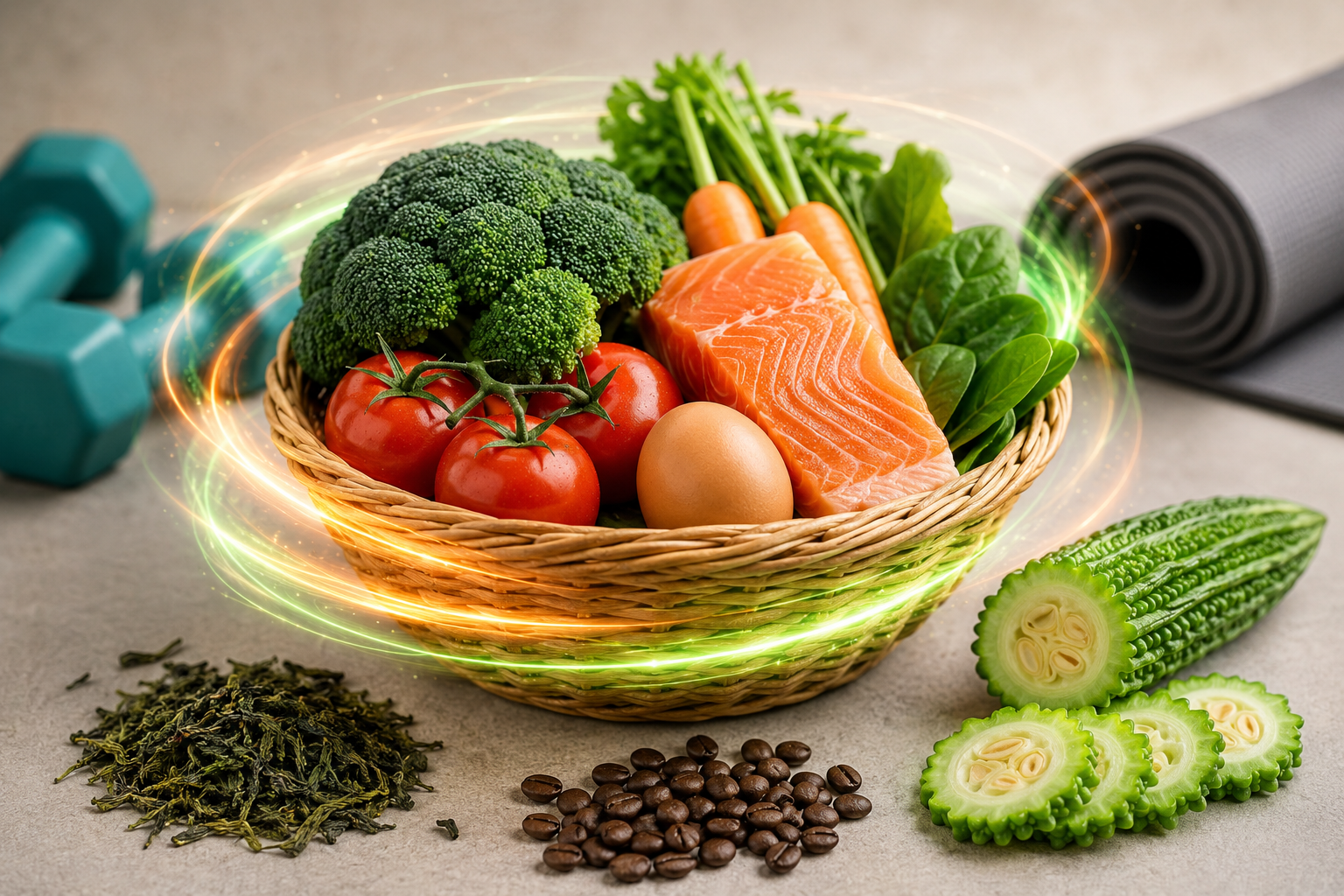
Boost Your Metabolism – Here's How!
Obesity and related diseases are increasingly on the rise. Metabolic health plays an important role here, as the metabolism not only burns energy but also ensures good blood sugar and appetite regulation.
Here you'll find out how to boost your metabolism and improve your metabolic health.
Boosting Your Metabolism – What Does That Mean?
In everyday language, "boosting your metabolism" generally refers to increasing energy expenditure. The aim is to make weight loss easier.
Technically speaking, however, this is not entirely accurate or is somewhat misleading. Because the metabolism is the result of an incredibly large number of biochemical processes in the body. These processes are constantly taking place, regardless of whether you are burning more or less energy.
To lose weight, it is on one hand helpful to increase energy expenditure. It is also important to improve certain aspects of metabolic health. We will look at both in more detail in the following sections.
Increasing Energy Expenditure
To understand how to increase energy expenditure, you first need to know how total energy expenditure is made up and how you can influence the individual factors.
Basal Metabolic Rate
When people talk about their metabolism "slowing down" and wanting to boost it, most are thinking about the basal metabolic rate. This is the energy expenditure at rest — in other words, the energy needed to keep the body alive.
The majority of this energy is consumed by organs such as the liver, kidneys, heart and brain. We have very little influence over how much energy these organs consume.
What we do have influence over, however, is muscle mass. Because muscles burn energy even at rest. Building muscle can therefore raise the basal metabolic rate.
Depending on muscle mass and activity level, the basal metabolic rate accounts for roughly 45–60% of total energy expenditure.
Thermic Effect of Food
Food not only provides energy — digesting and processing that energy also requires energy. As a general rule: the more we eat, the more energy is needed for digestion.
But what we eat also makes a difference. For protein, the thermic effect is around 20–30% of its energy content, for carbohydrates around 5–10%, and for fat around 3%.
Overall, the thermic effect of food accounts for around 10–15% of total energy expenditure.
NEAT
NEAT stands for Non-Exercise Activity Thermogenesis. This refers to energy expenditure that does not come from planned exercise. Rather, it includes everyday movements such as walking and doing housework. It also includes spontaneous movements we are largely unaware of. Examples include foot and hand movements while you're sitting at a computer concentrating on work.
Unfortunately, we have no influence over these spontaneous, unconscious movements. However, you can increase NEAT by incorporating more movement into your daily routine — for example, by taking the stairs instead of the lift.
For most people, NEAT accounts for around 15–20% of total energy expenditure.
Exercise
Exercise refers to planned physical activity — such as going to the gym or going for a run.
Exercise typically accounts for around 15–30% of total energy expenditure. This naturally depends on how much exercise you do. For athletes, exercise can account for 50% or more of total energy expenditure.
Improving Metabolic Health
When talking about metabolic health, the key concept is insulin sensitivity. This is a somewhat complex term, but it can be explained in straightforward terms.
You may know insulin as the blood-sugar-lowering hormone that people with diabetes inject to reduce their blood sugar levels. Insulin causes cells to absorb sugar from the blood, which lowers blood sugar levels.
Insulin sensitivity refers to how well these cells respond to insulin. Put simply: the higher the insulin sensitivity, the better the cells respond to insulin, and the healthier the metabolism.
In many conditions, we see the opposite: very low insulin sensitivity, also known as insulin resistance. The most well-known example of this is type 2 diabetes (so-called adult-onset diabetes).
It is no coincidence that people with type 2 diabetes are almost always overweight. Because insulin resistance causes the body to store more fat, making it very difficult to break down fat and therefore to lose weight.
Insulin resistance also tends to go hand in hand with leptin resistance.1 Leptin is the body's primary satiety hormone. With leptin resistance, the brain becomes insensitive to leptin. In other words, appetite regulation is disrupted, making it easy to overeat and consequently gain weight.
Boosting Your Metabolism
We will now look at the most important measures for boosting your metabolism — that is, increasing energy expenditure and improving metabolic health.
Exercise
Exercise is incredibly effective when it comes to boosting your metabolism. On one hand, it burns energy directly. It also helps build muscle, which is why you should focus especially on strength training.
Muscles burn energy even at rest, thereby increasing the basal metabolic rate. But they also improve metabolic health by actively absorbing sugar from the blood, which raises insulin sensitivity and also helps regulate appetite better.2
Sleep
While we burn less energy during sleep than when we're awake and active, restful sleep still helps to boost the metabolism.
On one hand, you have more energy during the day when you're well rested. This increases NEAT and makes it easier to motivate yourself to exercise.3
On the other hand, sleep is enormously important for metabolic health.4 With enough sleep, blood sugar and appetite regulation function significantly better.5 So if you experience intense cravings after a sleepless night, that's no coincidence.
Diet
The right diet can also be very effective at boosting your metabolism.
A high protein intake is particularly helpful here. This is because protein has a higher thermic effect than fat and carbohydrates. Adequate protein is also essential for building and maintaining muscle.
The right diet also helps you keep your blood sugar stable. This has a positive effect on metabolic health and, in turn, on appetite regulation. Again, protein plays an important role here. But dietary fibre is also incredibly useful and important in this regard.6
Micronutrients
Micronutrients are the key players in metabolism — they are actively involved in the biochemical reactions of the metabolic process.
Here we highlight the most important ones:
Chromium contributes to the normal metabolism of macronutrients and to the maintenance of normal blood sugar levels.7
Choline contributes to normal lipid metabolism.8
Zinc contributes to normal carbohydrate metabolism and normal fatty acid metabolism.9
Vitamin B2 contributes to normal energy metabolism.10
Vitamin B6 contributes to normal protein and glycogen metabolism and to normal energy metabolism.11
In addition, there are further substances whose effects on metabolism are still being investigated:
L-Carnitine is needed for the transport of fatty acids into the powerhouses of our cells (the mitochondria). There is evidence suggesting that L-Carnitine may improve metabolic health, i.e. increase insulin sensitivity.12
Forskolin: Studies suggest that Forskolin may promote fat breakdown (lipolysis) and lower blood pressure.13 Obesity and insulin resistance are often associated with high blood pressure.
Charantin (from bitter melon) may help to lower blood sugar levels.14
EGCG (Epigallocatechin-3-gallate) is a powerful antioxidant found in green tea.15
Caffeine (from green tea and coffee) is well known for its stimulating and performance-enhancing effects. There is also evidence suggesting that caffeine may promote fat breakdown (lipolysis).16
Chlorogenic acid (from green coffee) appears to be able to slow the release of sugar (glucose) after a meal, preventing blood sugar from rising as sharply. Studies also suggest it may support the liver in breaking down fatty acids.17
The most important substances for metabolism, all in one: Stoffwechsel Komplex Daily by Viktilabs
The Stoffwechsel Komplex Daily by Viktilabs contains all of the substances mentioned above to optimally support your metabolism:
Acetyl-L-Carnitine
Choline
Green Tea Extract (with EGCG and Caffeine)
Green Coffee Extract (with Chlorogenic Acid and Caffeine)
Bitter Melon Extract (with Charantins)
Coleus forskohlii Extract (with Forskolin)
Zinc & Chromium
Vitamin B2 & B6
The Stoffwechsel Komplex Daily
has a Clean Label – free from magnesium stearate, silicon dioxide, nanoparticles and artificial additives
is vegan & allergen-free – free from gluten, lactose, soy and fructose
has laboratory-tested quality – manufactured in Germany & the EU
has sustainable, BPA-free packaging in amber glass
Click here for the Stoffwechsel Komplex Daily by Viktilabs.
1 https://pmc.ncbi.nlm.nih.gov/articles/PMC11916284/
2 https://pubmed.ncbi.nlm.nih.gov/31106601/
3 https://pmc.ncbi.nlm.nih.gov/articles/PMC4394987/
4 https://www.mdpi.com/2673-396X/6/4/49
5 https://pubmed.ncbi.nlm.nih.gov/36558355/
6 https://pubmed.ncbi.nlm.nih.gov/41371685/
7 https://pubmed.ncbi.nlm.nih.gov/33783683/
8 https://pubmed.ncbi.nlm.nih.gov/25010553/
9 https://www.ncbi.nlm.nih.gov/books/NBK547698/
10 https://www.ncbi.nlm.nih.gov/books/NBK470460/
11 https://pmc.ncbi.nlm.nih.gov/articles/PMC6071262/
12 https://pmc.ncbi.nlm.nih.gov/articles/PMC6785772/
13 https://pubmed.ncbi.nlm.nih.gov/1696672/
14 https://pmc.ncbi.nlm.nih.gov/articles/PMC10050654/
15 https://pmc.ncbi.nlm.nih.gov/articles/PMC11821029/
16 https://pmc.ncbi.nlm.nih.gov/articles/PMC12454747/
17 https://pubmed.ncbi.nlm.nih.gov/41156555/

Building muscle as you age: preventing frailty and sarcopenia
Unfortunately, a very large number of older adults are affected by sarcopenia (muscle loss). This significantly reduces physical performance and increases the risk of frailty and falls.
What many people don't know: age-related muscle loss begins as early as age 30. On average, you lose about 0.5–1% of muscle mass per year if you don't actively counteract it. By the age of 80, this can add up to a total muscle loss of 30–50%.1
The problem is that muscle loss is barely noticeable in the early years. Most people therefore don't take it seriously and don't see the danger. By the time you actually feel your muscle strength declining, it becomes very difficult to counteract.
That's why it's so important to address the topic of muscle building from a young age and continue doing so well into old age. This isn't about vanity — it's about staying healthy and independent for as long as possible.
Here we cover the most important measures for building and maintaining muscle.
Strength Training
Strength training is by far the most important factor when it comes to building muscle.2 Muscles need to be challenged — otherwise they will be broken down.
A full-body workout that engages all muscle groups is well suited for this purpose. You should do this at least twice a week.
Regular gardening, hiking, and household chores can also help maintain muscle. However, these activities alone are not sufficient.
Enough Protein
Proteins are the building blocks the body uses to form muscle tissue. If protein intake is insufficient, building muscle is difficult even with regular strength training.
High-quality protein can easily fall short in the diet, especially with a vegetarian or vegan diet. Those following such diets should therefore pay particular attention to adequate protein intake.
According to the German Nutrition Society (DGE), the protein requirement is 0.8 g per kg of body weight up to age 65. From age 65 onward, it rises to 1.0 g per kg of body weight.3
If the requirement cannot be met through diet alone, protein powders may be beneficial.
Viktilabs has a gut-friendly, plant-based protein powder that delivers 15 g of protein per serving.
To the PurePlant Protein Pro by Viktilabs.
It can also be beneficial to supplement with amino acids. Proteins are made up of amino acids — they are the protein building blocks from which the body can produce protein.
The 8 essential amino acids are particularly important here.
To the Amino-8 by Viktilabs.
Creatine
Creatine serves as an energy store in the muscles and supports energy regeneration within them.4 On its own it doesn't do much, but combined with strength training it can increase muscle strength. This is particularly well-evidenced in adults over 55. A daily dose of 3 g is required to achieve the effect.
To the Creatine by Viktilabs.
Vitamin D
Vitamin D is indirectly involved in building and maintaining muscle. It contributes to the maintenance of normal muscle function, without which muscle building is not possible.5
Vitamin D can also easily fall short, especially in winter.
To the Vitamin D by Viktilabs.
Calcium and Magnesium
Many nutrients play a role in muscle function. Particularly worth highlighting are the minerals calcium and magnesium.67
Magnesium is often lacking in the diet. When dairy products are avoided, calcium intake is also frequently insufficient.
To Magnesium and Calcium by Viktilabs.
B Vitamins
B vitamins are also indirectly involved in muscle building. Folic acid (vitamin B9) and vitamin B6, for example, have important functions in protein metabolism.8 This is required for muscle building and maintenance.
Vitamin B6 and B12 also play an important role in nerve function, and nerves control muscle movements.9
To the Vitamin B Complex Forte by Viktilabs.
Conclusion: Building Muscle Requires Multiple Measures
Strength training is by far the most important factor for building muscle. However, it is not enough on its own if you want to optimise muscle building, as many nutrients are involved — both directly and indirectly.
1 https://pmc.ncbi.nlm.nih.gov/articles/PMC2804956/
2 https://pubmed.ncbi.nlm.nih.gov/33433148/
3 https://www.dge.de/wissenschaft/referenzwerte/protein/
4 https://mdpi-res.com/bookfiles/book/5131/Creatine_Supplementation_for_Health_and_Clinical_Diseases.pdf
5 https://pmc.ncbi.nlm.nih.gov/articles/PMC3513873/
6 https://pubmed.ncbi.nlm.nih.gov/10893434/
7 https://pubmed.ncbi.nlm.nih.gov/39457008/
8 https://pubmed.ncbi.nlm.nih.gov/13295851/
9 https://pubmed.ncbi.nlm.nih.gov/34337067/

Daily Greens: a gut-friendly, plant-based building block for your daily diet
Daily Greens is a greens powder that combines natural plant compounds, fiber, digestive enzymes, bacterial cultures, as well as Vitamin C, zinc, and Vitamin B12 in one drink. It provides selected plant-based ingredients and essential nutrients. Here's how Daily Greens fits into your nutrition and health concept.
What is Daily Greens?
Daily Greens combines selected plant powders, prebiotic fibers, digestive enzymes, adaptogens, bacterial cultures, as well as the essential nutrients Vitamin C, zinc, and Vitamin B12.
It is the ideal supplement to a balanced diet.
What ingredients are in Daily Greens?
Daily Greens is packed with valuable ingredients.
Fiber
Daily Greens contains fiber from various sources. Deliberately used fibers such as apple fiber, psyllium husks, inulin, and oligofructose make a significant contribution; additionally, other ingredients such as wheatgrass, spirulina, pomegranate, beetroot, and blueberry also provide natural fiber.
Bacillus coagulans
Daily Greens contains the bacterial strain Bacillus coagulans. Spore-forming bacteria like Bacillus coagulans are robust against stomach and bile acids and can pass through the digestive tract better than typical probiotics.1
The effects of Bacillus coagulans on digestive problems and gut health are currently being scientifically investigated.
Digestive Enzymes
Digestive enzymes are involved in the breakdown of nutrients in the body. Daily Greens contains enzymes that can break down carbohydrates, fats, protein, plant cell structures, and lactose.
Secondary Plant Compounds
Daily Greens contains wheatgrass, spirulina, moringa, matcha, and fruit powders such as acerola, goji berry, acai, blueberry, pomegranate, and beetroot, which provide many secondary plant compounds.
These include, for example, chlorophyll, carotenoids, and polyphenols, whose antioxidant and inflammation-related properties are being investigated in scientific studies.
Adaptogens
Daily Greens contains Ashwagandha, rhodiola, reishi, and ginkgo. In naturopathy, these adaptogens are used for better stress management. They are said to promote relaxation and regeneration, thereby increasing stress resilience.2
Vitamins and Minerals
Daily Greens covers the daily requirement of zinc, Vitamin C, and Vitamin B12.
Zinc contributes to normal cognitive function, normal immune system function, and also helps protect cells from oxidative stress.3
Vitamin C contributes to normal collagen formation and normal nervous system function, and increases iron absorption.4
Vitamin B12 contributes to normal energy metabolism, normal psychological function, and the reduction of tiredness and fatigue.5
What Daily Greens can do in everyday life
Daily Greens gives you the opportunity for a fixed ritual in which you can take a moment for yourself and your health.
Unlike a classic multivitamin, Daily Greens focuses not only on vitamins and minerals but emphasizes plant-based ingredients and fiber.
As part of an overall balanced diet, Daily Greens can help ensure the intake of Vitamin C, zinc, and Vitamin B12.
At the same time, the powder provides prebiotic fiber. However, it does not replace fresh vegetables or an overall high-fiber diet.
Daily Greens is particularly suitable if you consciously want to supplement your diet with additional plant compounds and selected micronutrients.
Viktilabs Daily Greens
Viktilabs Daily Greens is characterized by the following features:
Has a natural berry flavor (without grassy aftertaste)
Contains digestive enzymes, adaptogens, fiber, probiotics, antioxidants, Vitamin C, Vitamin B12, zinc
Quick and easy: Simply stir into 150-200 ml of water – no blender necessary
100% vegan and allergen-free
Laboratory-tested quality: Made in Germany and the EU under the strictest quality standards
Contains no fillers or other unnecessary additives
Click here for Daily Greens.
1 https://pubmed.ncbi.nlm.nih.gov/31203635/
2 https://pubmed.ncbi.nlm.nih.gov/19500070/
3 https://www.ncbi.nlm.nih.gov/books/NBK547698/
4 https://www.ncbi.nlm.nih.gov/books/NBK499877/
5 https://www.ncbi.nlm.nih.gov/books/NBK559132/

Inositol: Fertility and More
Inositol is a vitamin-like substance that is naturally produced in our bodies and found in many foods. In recent years, inositol has increasingly attracted attention, particularly in connection with women's health, PCOS, and blood sugar regulation.
What is Inositol?
Inositol was once considered one of the B vitamins. Today, however, it is known that the body can also produce it. It is mainly produced in the kidneys, which produce about 4 g daily.
However, the body's own production is often insufficient. Therefore, it can be quite useful to supplement it from external sources. This is why inositol is now considered a vitaminoid, or vitamin-like substance.
There are 9 different forms of inositol, so-called isomers, all of which are very similar. Myo-inositol is the most common form.
Inositol in Foods
Inositol occurs naturally in many foods, especially plant-based ones. Good sources include fruit, vegetables, legumes, grains, nuts, and seeds.
What Does Inositol Do in the Body?
Inositol has many different functions:
Sugar Metabolism: Inositol is important for blood sugar regulation, as it mediates the effects of the blood sugar-lowering hormone insulin.
Fat Metabolism: Inositol inhibits the absorption of fats on the one hand and promotes the formation of metabolically active brown adipose tissue on the other.
Nerves: Inositol is important for the function of the autonomic nervous system. These are the nerves that control unconscious muscle activities, such as the heartbeat. In the brain, inositol is involved in controlling attention and behavior.
Immune System: Inositol is important for the development and function of immune cells.
Fertility: Inositol regulates sex hormones in men and women.
What Can Inositol Help With?
Inositol is available as a dietary supplement, and its effects are currently being investigated.
Polycystic Ovary Syndrome (PCOS)
PCOS is a hormonal disorder in women characterized by excessively high androgen levels, which can lead to hair loss, acne, increased body hair, insulin resistance, and cysts in the ovaries.
PCOS is a common cause of infertility.
Several studies on women with PCOS have shown that inositol may help promote ovulation and alleviate PCOS symptoms.1
Insulin Resistance
Inositol may also be helpful for insulin resistance, which is understandable given its role in sugar metabolism. Studies suggest that inositol may counteract insulin resistance and also alleviate associated symptoms such as high blood pressure and elevated blood lipid levels.2
Infertility
Inositol appears to be helpful not only for female but also for male infertility. Some studies suggest that inositol may increase the number and motility of sperm.3
Buy Inositol
As with other dietary supplements, you should also pay attention to the quality of inositol. The Viktilabs preparation contains pure myo-inositol (the most common form in the body). It is free from fillers, binders, sweeteners, preservatives, and other unnecessary additives.
The product is also tested for contaminants by an independent laboratory.
Click here to purchase myo-inositol from Viktilabs.
1 https://obgyn.onlinelibrary.wiley.com/doi/10.1111/1471-0528.14754
2 https://pubmed.ncbi.nlm.nih.gov/19499845/
3 https://onlinelibrary.wiley.com/doi/10.1111/andr.12025

What effect can micronutrients have on allergies?
In spring, it finally gets warmer and the days get longer, everything blooms. Unfortunately, spring also marks the start of pollen season, which can spoil the joy of spring for allergy sufferers.
Sneezing, watery eyes, and itchy skin: these are just a few of the symptoms that allergy sufferers experience, especially in spring.
This is caused by a misguided reaction of the immune system to environmental substances that are actually harmless. This causes large amounts of histamine and other pro-inflammatory molecules to be released, causing chronic inflammation.
Allergies are not harmless
Allergies are often dismissed as annoying. However, many of the symptoms are anything but harmless, as a look at the typical allergy symptoms reveals:
Frequent sneezing
Runny or stuffy nose
Watery eyes
Itching
Skin rash
Abdominal pain
Nausea
Diarrhea and vomiting
Fatigue
Headache
Fatigue
Shortness of breath
Heart palpitations
Dizziness
Drop in blood pressure
Allergies reduce quality of life
Allergies can severely impair quality of life. Eating out can be life-threatening for many people with food allergies, and every ingredient list must be carefully checked for possible allergens.
Sleep is also often affected, which impacts performance and Well-being impaired.
Allergies increase the risk of illness
But that's not all. Allergy sufferers also have an increased risk of certain diseases. People with hay fever, for example, are three times more likely to suffer from asthma than people without allergies.
Allergies are also linked to cardiovascular disease, increasing the risk of heart attack and heart failure.[1][2] The reason for this is the chronic inflammation associated with allergies, which damages the entire body.
How are allergies typically treated?
When allergic symptoms occur, an allergy test is first performed to find out what the person is allergic to. The next step is to avoid the allergen as much as possible.
Unfortunately, this is not always possible, e.g., in the case of pollen allergies. Antihistamines and cortisone are available for such cases. Although these can alleviate symptoms, they do not eliminate the cause and must be taken daily if you are exposed to the allergen. They also have numerous side effects.
Desensitization is also used, but this is not free of side effects and is associated with risks.
Many sufferers are therefore looking for a natural remedy for allergies that arms the body against allergens rather than just masking the symptoms.
The role of micronutrients in allergies
The body is not defenseless against allergic reactions. There are many protective mechanisms within the body that can counteract allergies. This is still the subject of research, but the following nutrients appear to play a role:
quercetin
Quercetin is an effective antioxidant. Antioxidants trap free radicals that cause inflammation. Since allergies are increasingly associated with inflammation, antioxidants such as quercetin are very promising for allergies.[3]
Initial studies actually suggest that quercetin could alleviate the symptoms of allergic rhinitis.[4]
MSM
Methylsulfonylmethane (MSM) is organic sulfur.
MSM appears to be able to regulate allergies by mitigating the immune system's allergic response.
In some studies, MSM appeared to actually alleviate the symptoms of pollen allergies.[5][6][7]
Vitamin C
Vitamin C helps protect cells from oxidative stress. There is also evidence that vitamin C may inhibit the release of histamine. For this reason, vitamin C shows promise in treating allergies.
In one study, vitamin C appeared to improve lung function in allergic rhinitis.[8]
Zinc
Zinc helps protect cells from oxidative stress.[9] This could help to counteract the chronic inflammation associated with allergies.
Copper
Copper also helps protect cells from oxidative stress.[10] In addition, copper appears to act as a cofactor in histamine degradation. [11]
Manganese
Manganese is often found in allergy nasal sprays. The mineral is said to have anti-allergic properties and can prevent itching and skin redness.
This is probably due to the fact that manganese helps protect cells from oxidative stress.[12]
During allergy season, it is therefore a good idea to ensure you are getting enough of these nutrients to support your immune system and histamine breakdown and counteract silent inflammation.
All the important nutrients combined: AllergiCare® Daily from Viktilabs
As you can see, many nutrients play a role in allergies. But don't worry: you don't have to painstakingly search for them all and research the correct dosage. Viktilabs has developed an allergy complex that combines all the nutrients important for allergies in the optimal dosage.
AllergiCare® Daily from Viktilabs is a high-dose quercetin complex combined with vitamin C, MSM, zinc, copper, and manganese. It was developed especially for times when pollen and other allergens put strain on the body.
AllergyCare® Daily contains:
950 mg quercetin from Japanese pagoda tree extract per daily dose
Zinc and manganese as protection against oxidative stress
Vitamin C to support the immune system and protect against oxidative stress
MSM, which has shown positive effects in studies on pollen allergies
120 capsules per bottle for 30 days of support during peak season
AllergiCare® Daily is also:
100% vegan
Free from unnecessary additives such as separating and binding agents, colorants, sweeteners, and preservatives
Developed in Germany
Tested for harmful substances by an independent laboratory
AllergiCare® Daily
If you suffer from pollen allergies, we feel for you, and we won't leave you to cope with it alone.
It's best to act now and stock up for the allergy season.
Click here for the product
[1] https://www.worldallergyorganizationjournal.org/article/S1939-4551(24)00038-3/fulltext
[2] https://onlinelibrary.wiley.com/doi/10.1111/all.15426
[3] https://pmc.ncbi.nlm.nih.gov/articles/PMC3685779/
[4] https://pubmed.ncbi.nlm.nih.gov/23333628/
[5] https://www.ncbi.nlm.nih.gov/pmc/articles/PMC6293242/
[6] https://pubmed.ncbi.nlm.nih.gov/12006124/
[7] https://pubmed.ncbi.nlm.nih.gov/12676029/
[8] https://pubmed.ncbi.nlm.nih.gov/2221490/
[9] https://pubmed.ncbi.nlm.nih.gov/28353636/
[10] https://pubmed.ncbi.nlm.nih.gov/16112185/
[11] https://www.mdpi.com/2076-2607/11/11/2724
[12] https://pubmed.ncbi.nlm.nih.gov/29849912/

Oregano oil: The natural antibiotic
Oregano is a well-known medicinal plant. Due to its intense aroma, the leaves are also used as a spice. The plant is rich in essential oils, especially carvacrol and thymol, which have antibacterial and antifungal properties. For this reason, oregano and the oil extracted from it are often referred to as natural antibiotics. Here we take a closer look at the effects of oregano oil. Antibacterial The carvacrol contained in oregano has an antimicrobial effect. It can inhibit the growth of staphylococci, enterococci, E. coli, and salmonella, for example.1 Against antibiotic-resistant bacteria Oregano oil is particularly interesting for infections with antibiotic-resistant bacteria. This is because even bacterial strains that are resistant to conventional antibiotics are sensitive to oregano oil.2 However, further research is needed regarding the specific duration and dosage for such infections.Antifungal Oregano also has an antifungal effect, which is mainly due to the thymol it contains. This active ingredient is very effective at inhibiting fungal growth. This has been particularly well researched in Candida albicans.3 Antioxidant and anti-inflammatory Oregano oil has antioxidant properties and can therefore scavenge free radicals and counteract oxidative stress. Since oxidative stress promotes inflammation, oregano oil also has an anti-inflammatory effect and is of interest in inflammatory diseases. However, its specific application still needs to be investigated in more detail. For respiratory diseases Oregano oil is often used in naturopathy for respiratory diseases such as coughs, bronchitis, and asthma. In vitro, oregano oil can actually reduce inflammation in lung cells.4 For digestive problems Oregano oil is traditionally used for digestive problems. It is said to aid digestion, relieve flatulence, and help with gastrointestinal infections. Oregano oil is also often recommended for small intestinal bacterial overgrowth (SIBO). Although oregano oil is promising in this regard due to its antibacterial properties, there is unfortunately no concrete data to show that oregano oil can actually help with SIBO. For intestinal dysbiosis In animal studies, oregano oil has a positive effect on the intestinal flora. Treatment with oregano oil increased beneficial intestinal bacteria such as lactobacilli and bifidobacteria and decreased pathogenic germs such as E. coli and Shigella.5However, the dose is crucial: if the dosage is too high, oregano oil also acts against beneficial intestinal bacteria. href="#sdfootnote6sym">6 The optimal dose for humans has yet to be determined. For intestinal parasites Oregano oil also shows promise for intestinal parasites, although here too, the data available for humans is very limited.7 However, there is good data on animals: oregano oil is effective against intestinal worms in sheep, for example.8 Side effects of oregano oil Oregano oil is generally well tolerated, but it is very pungent and irritating. It can therefore easily irritate the skin and mucous membranes. For this reason, it should never be taken undiluted, but diluted with a carrier oil. Oregano oil from Viktilabs The oregano oil capsules from Viktilabs contain cold-pressed, virgin olive oil as a carrier oil in addition to oregano oil. This makes these capsules well tolerated and does not irritate the digestive tract. The product is free from unnecessary additives such as colorants, anti-caking agents, sweeteners, and binding agents. To guarantee maximum purity, the preparation is tested for heavy metals and other harmful substances by an independent laboratory. Click here for oregano oil from Viktilabs. 1 https://www.aimspress.com/article/doi/10.3934/biophy.2024027 2 https://www.sciencedaily.com/releases/2001/10/011011065609.htm 3 https://pubmed.ncbi.nlm.nih.gov/39948037/ 4 https://www.sciencedirect.com/science/article/abs/pii/S2210803323000295 5 https://www.frontiersin.org/journals/nutrition/articles/10.3389/fnut.2021.722557/full 6 https://reference-global.com/article/10.2478/aoas-2021-0068 7 https://onlinelibrary.wiley.com/doi/10.1002/(SICI)1099-1573(200005)14:3%3C213::AID-PTR583%3E3.0.CO;2-U 8 8 https://www.mdpi.com/2076-2615/13/1/45


